

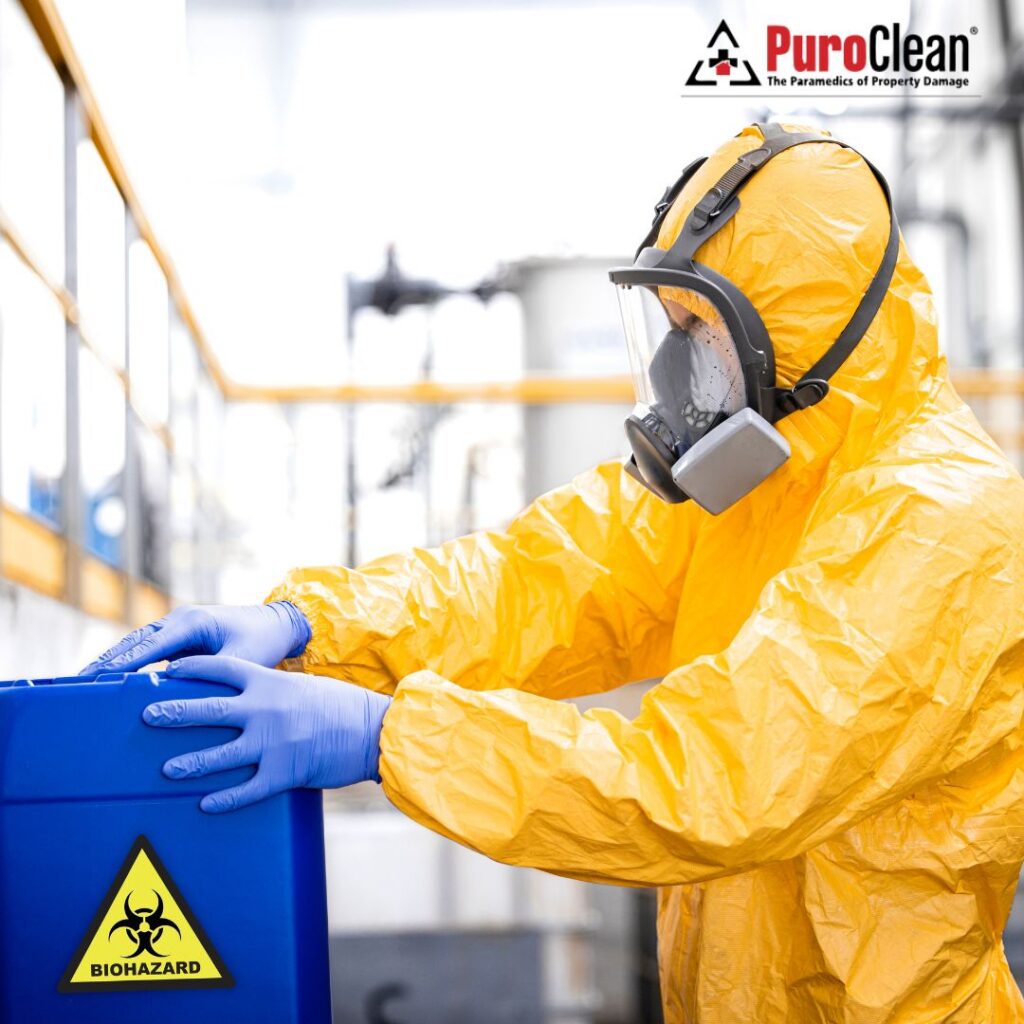
Lawrenceville, GA, the heart of Gwinnett County, is known for its thriving neighborhoods, historic charm, and fast-growing business hubs. But like any community, homeowners and business owners sometimes face unexpected challenges—such as a sewage backup, crime scene cleanup, or dangerous mold outbreak. These aren’t simple cleaning jobs; they require biohazard remediation, a highly specialized process that ensures your property is safe, sanitary, and livable again.
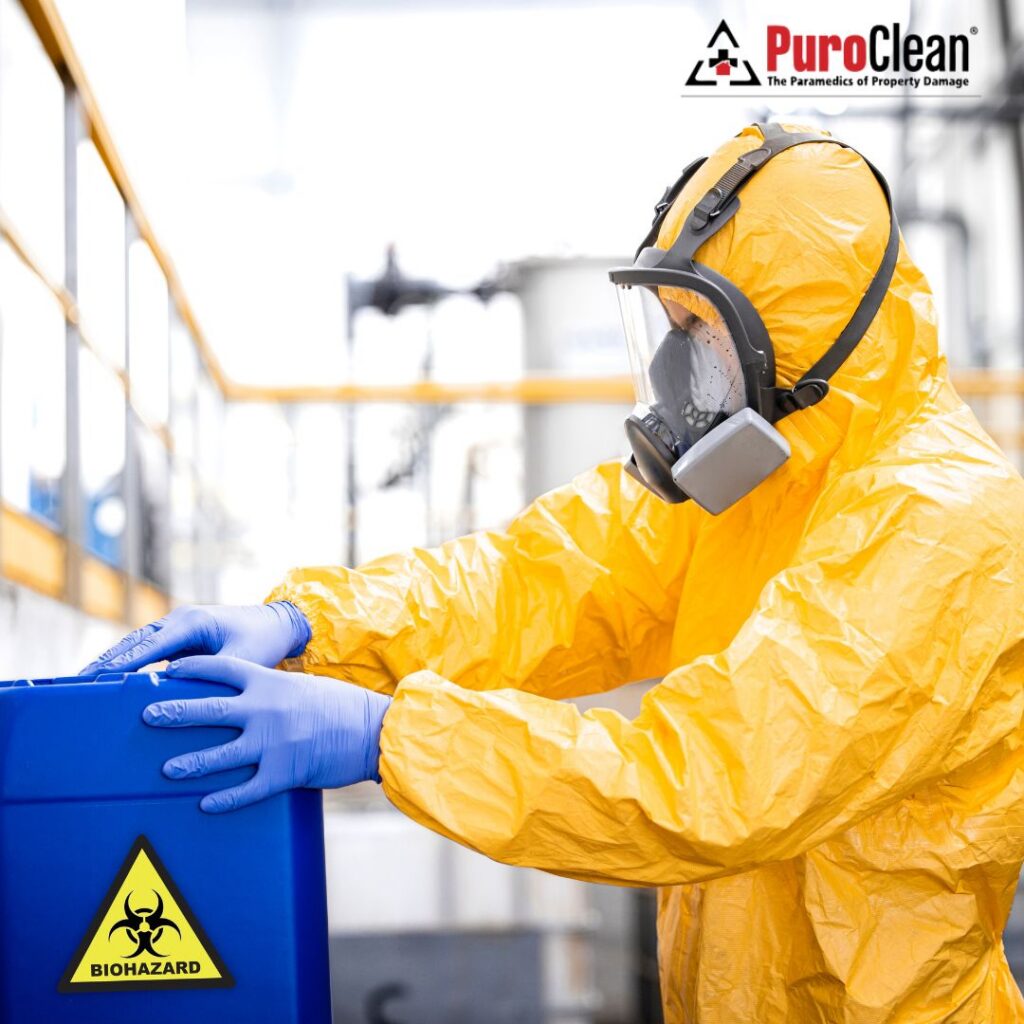
In this guide, we’ll break down everything you need to know about biohazard remediation in Lawrenceville—what it is, when it’s needed, how it works, and why choosing a trusted restoration company like PuroClean of Lawrenceville can make all the difference in protecting your property and your health.
Table of Contents
1. What is Biohazard Remediation?
At its core, biohazard remediation is the safe cleanup and decontamination of environments contaminated by biological and hazardous materials. These contaminants can include:
- Blood and bodily fluids
- Fecal matter and urine
- Sewage backups and wastewater
- Mold growth and fungal spores
- Chemical and drug residues
- Infectious pathogens like bacteria and viruses
Unlike everyday cleaning, biohazard remediation requires specialized training, PPE (personal protective equipment), industrial-grade disinfectants, and strict adherence to OSHA and EPA guidelines. The goal isn’t just to make a space look clean—it’s to eliminate health risks and restore the property to a safe condition.
2. When Do You Need Biohazard Remediation in Lawrenceville?
Biohazard remediation becomes necessary in situations where exposure to contaminants poses health and safety risks. Here are the most common scenarios property owners in Lawrenceville and Gwinnett County face:
a) Crime Scene & Trauma Cleanup
- After assaults, accidents, or homicides, biohazard specialists remove and disinfect blood, tissue, and bodily fluids.
- Fingerprint powder, tear gas, or forensic chemicals may also require professional cleaning.
b) Unattended Death & Decomposition
- When a death goes undiscovered for days or weeks, decomposition causes severe contamination.
- Strong odors, bodily fluids, and insect activity create dangerous conditions.
c) Sewage Backups & Black Water
- Common in older homes around Lawrenceville and areas with aging sewer systems.
- Black water contains bacteria, viruses, and parasites that can cause serious illness.
d) Hoarding & Gross Filth Cleanup
- Severe hoarding situations often involve animal waste, decaying food, and mold.
- Professional remediation restores habitability and addresses structural damage.
e) Mold Infestation
- Georgia’s humid climate creates ideal conditions for mold growth in basements, attics, and crawl spaces.
- Mold is classified as a biohazard because spores can trigger respiratory issues and long-term health problems.
f) Infectious Disease & Virus Decontamination
- From COVID-19 to flu outbreaks, businesses and schools often require deep sanitization.
- Professional teams use EPA-registered disinfectants to neutralize pathogens.
3. The Dangers of Ignoring Biohazards
Failure to address biohazards properly can have serious consequences:
- Health Risks: Exposure to pathogens can cause infections, respiratory issues, or long-term illness.
- Structural Damage: Sewage, mold, or decomposition can permanently damage flooring, drywall, and foundations.
- Odor Problems: Lingering smells from decomposition or waste can make a property uninhabitable.
- Legal & Liability Issues: Business owners risk fines or lawsuits if employees or customers are exposed to biohazards.
In short: biohazard remediation isn’t optional—it’s essential.
4. Step-by-Step Biohazard Remediation Process
When you call a trusted company like PuroClean of Lawrenceville, here’s what you can expect:
Step 1: Emergency Response & Assessment
- Rapid response 24/7.
- Inspect the site, identify contamination zones, and determine safety protocols.
Step 2: Containment & Safety Setup
- Establish containment barriers to prevent cross-contamination.
- Technicians wear full PPE including respirators, gloves, and protective suits.
Step 3: Removal of Contaminated Materials
- Safely dispose of carpets, flooring, drywall, or furniture soaked with biohazards.
- Waste is sealed and transported according to state and federal regulations.
Step 4: Deep Cleaning & Disinfection
- Use hospital-grade disinfectants, foggers, and HEPA-filtered vacuums.
- Clean every surface to neutralize pathogens and bacteria.
Step 5: Deodorization
- Specialized ozone machines or hydroxyl generators remove strong odors.
Step 6: Verification & Clearance
- Technicians verify that the property is safe for re-entry.
- Some jobs may require third-party testing to confirm safety.
5. Why Professional Help is Essential
You might wonder: Can’t I just clean this myself? The answer is no—and here’s why:
- Specialized Training: Technicians know how to handle dangerous waste without spreading contamination.
- Proper Equipment: Industrial-grade disinfectants, HEPA filtration, and containment tools aren’t available to consumers.
- Legal Compliance: Biohazard waste must be disposed of under OSHA and EPA rules.
- Insurance Assistance: Professional remediation companies often help navigate complex insurance claims.
6. Local Relevance: Biohazard Risks in Lawrenceville, GA
Lawrenceville is a growing city with historic neighborhoods and new developments. But local property owners face unique biohazard risks:
- Severe Storms: Heavy rain can overwhelm drainage systems, leading to sewage backups.
- High Humidity: Increases the risk of mold growth in basements, crawl spaces, and attics.
- Dense Population: With businesses, schools, and healthcare centers nearby, infectious outbreaks spread quickly.
- Older Homes: Many historic homes near downtown Lawrenceville are prone to plumbing failures and structural issues.
These risks highlight why local expertise matters—you need a restoration company that understands Lawrenceville’s environment and building structures.
7. Choosing the Right Biohazard Remediation Company in Lawrenceville
When selecting a remediation partner, look for:
- Certification & Training – IICRC-certified technicians with OSHA compliance.
- 24/7 Availability – Biohazards are emergencies that can’t wait.
- Local Knowledge – Familiarity with Gwinnett County’s housing and business infrastructure.
- Compassion & Discretion – Especially important for trauma or crime scene cleanup.
PuroClean of Lawrenceville checks all these boxes. Our team combines local expertise with national resources, ensuring your property is restored quickly, safely, and respectfully.
8. Long-Term Prevention Tips for Property Owners
While some biohazards are unpredictable, you can reduce risks:
- Schedule annual plumbing inspections to avoid sewage backups.
- Keep gutters and drainage systems clear during Georgia’s stormy seasons.
- Use dehumidifiers to prevent mold growth in humid months.
- Establish cleaning protocols for businesses, especially in healthcare or food industries.
- Educate employees and family members about safe disposal of waste and chemicals.
Conclusion: Protecting Lawrenceville Homes & Businesses
Biohazard remediation is more than just cleanup—it’s about restoring safety, protecting health, and giving property owners peace of mind. Whether it’s a sewage backup, crime scene, mold infestation, or trauma cleanup, Lawrenceville residents can count on PuroClean of Lawrenceville for fast, professional, and compassionate service.
Call to Action
👉 If your property has been affected by a biohazard in Lawrenceville, Grayson, Suwanee, Duluth, or anywhere in Gwinnett County, don’t wait. Call PuroClean of Lawrenceville today at (770) 810-5499 for 24/7 emergency biohazard remediation services.