 PuroClean of Lawrenceville
A few weeks ago, a photo made the rounds on Reddit.
It showed a beautiful, mature tree growing just inches from a house. The caption was something like: “This looks peaceful… but it’s actually a homeowner’s nightmare.”
Most people in the comments were talking about roots cracking foundations. But restoration professionals saw something else, they saw future ceiling water damage.
Because in many homes across Lawrenceville, the brown stain showing up on a ceiling today often started with a tree planted too close to the house years ago.
This isn’t obvious. And that’s exactly why it catches homeowners off guard.
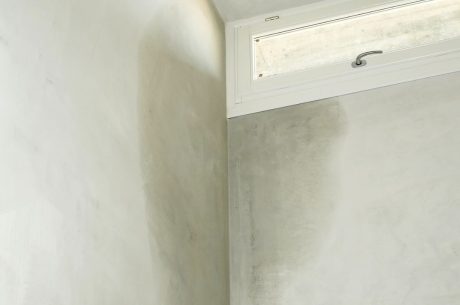
“I Thought It Was a Roof Leak…” That’s what most homeowners say when they notice:
- A brown spot on the ceiling
- Bubbling paint
- A faint musty smell after rain
- A stain that keeps coming back even after repainting
The natural assumption? The roof is leaking. Sometimes that’s true, but very often, the real cause started at ground level and worked its way up and through the structure before finally showing itself on your ceiling.
Read More: Ceiling Water Damage Restoration in Lawrenceville: The Complete Homeowner’s Guide
How Trees Quietly Create Water Problems
Trees near your home affect three critical systems that keep water out:
1) Gutters and Roof Edges
Overhanging branches constantly drop leaves and debris into gutters. During a heavy Georgia rainstorm, clogged gutters can’t channel water away.
So water:
- Overflows the gutter
- Backs up under shingles
- Slips behind fascia boards
- Enters the attic and wall cavities
You don’t see this happening. But it is.
2) Soil and Drainage Around the Foundation
Tree roots spread much wider than the canopy you see. They:
- Shift soil grading that once directed water away
- Create pockets where rainwater pools near the home
- Increase moisture pressure against the foundation
That standing water slowly finds pathways inside.
3) Underground Plumbing and Drain Lines
Roots are drawn to moisture. Over time, they can intrude into tiny cracks in underground pipes, making them worse and allowing slow leaks into the soil beneath your home.
Now the ground under and around the house is constantly damp.
Read More: Water Line Repair in Lawrenceville: A Complete Safety Guide for Homeowners
How That Water Ends Up in Your Ceiling
Here’s the part most homeowners don’t realize:
Water doesn’t drip straight down.
It travels along:
- Roof decking
- Wooden rafters
- Insulation
- Wall framing
It can move several feet horizontally before gravity finally pulls it down to the lowest point—often your ceiling.
By the time you see the stain, water may have been moving through your home for weeks.
Why This Is So Common in Lawrenceville
Homes in Lawrenceville are known for mature landscaping and established trees. It’s part of the charm of many neighborhoods.
But with age comes:
- Bigger root systems
- More gutter debris
- Older drainage setups
- Higher risk of hidden moisture intrusion
Add frequent rain and humidity, and you have the perfect recipe for slow, invisible water damage.
The sign most people miss; If you repaint a ceiling stain and it comes back after the next storm, that’s a clue. It means the source was never addressed. The ceiling wasn’t the problem. It was just the messenger.
What to Do If You Notice Ceiling Water Damage
Before you assume it’s only a roofing issue, look outside:
- Are there branches hanging over the roof?
- Do gutters overflow during rain?
- Is there pooling water near the house?
- Are trees planted very close to exterior walls?
These are red flags that landscaping—not just roofing—may be the true cause.
At this point, you don’t just need a patch. You need moisture detection and a proper dry-out.
That’s where PuroClean of Lawrenceville comes in. Their team specializes in tracing hidden moisture pathways, stopping the intrusion at the source, and drying the structure before mold and structural damage set in.
Simple Prevention That Saves Thousands
- Trim branches away from the roofline
- Clean gutters regularly
- Ensure downspouts push water several feet from the home
- Watch for standing water after storms
- Be cautious about planting trees too close to the house
These small steps prevent the kind of hidden water travel that leads to ceiling damage later.
The Big Takeaway
That ceiling stain you’re staring at today? It might not be a roof problem. It might be a tree, a gutter, and a drainage issue that started outside your home and slowly worked its way in.
If you’re seeing signs of ceiling water damage, don’t guess. Get a professional assessment before the damage spreads. Call PuroClean of Lawrenceville for expert water damage inspection and restoration that finds the real source—not just the symptoms.

 PuroClean of Lawrenceville