


In Stone Mountain, GA, where humidity is high and rainstorms are frequent, damp walls are more than just a nuisance—they’re often a sign of hidden moisture problems. Left unchecked, this hidden moisture can lead to mold growth, structural damage, and even health issues for your family
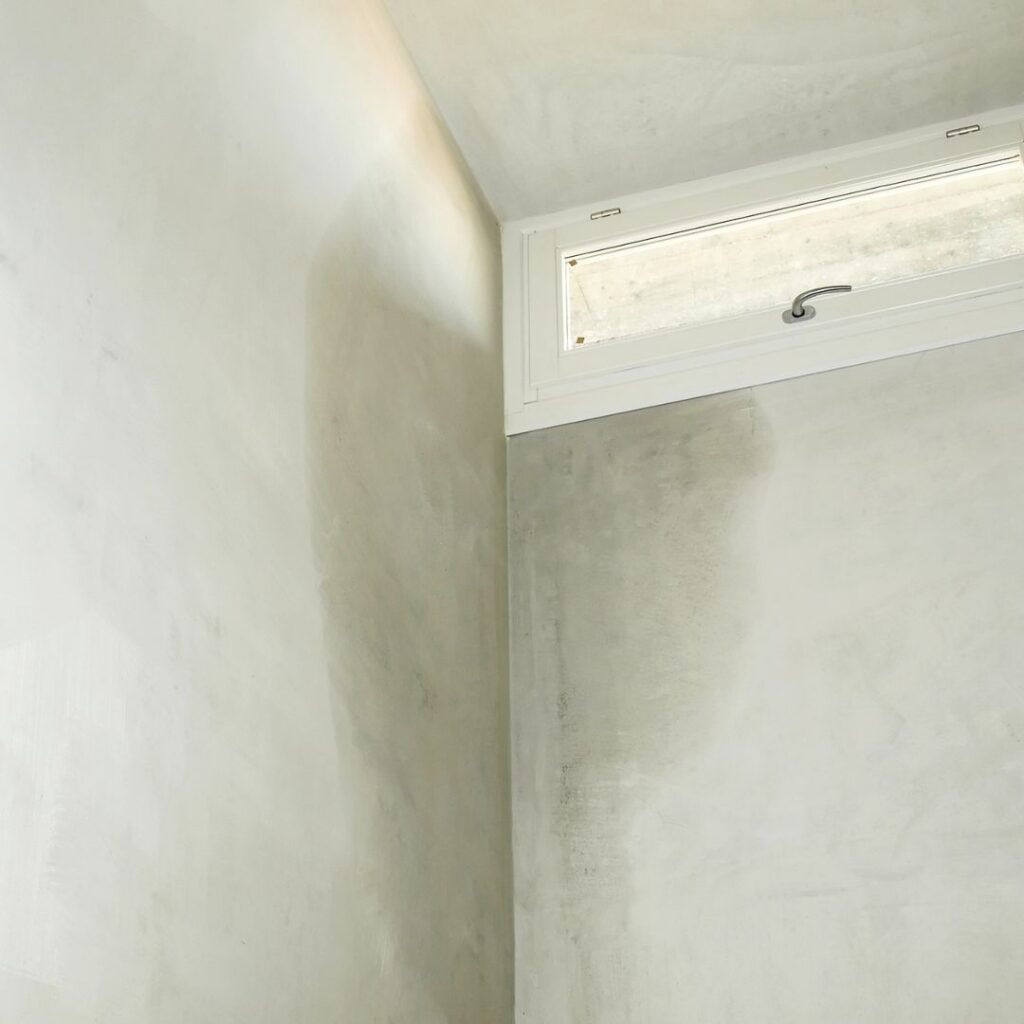
Have you ever run your hand along a wall in your home and noticed it feels damp? It might not look wet, and there may not be a puddle on the floor, but that cool, slightly soft feeling is your home’s way of sending a warning.
But in most cases, damp walls are your home’s early warning system.
Moisture inside walls is rarely harmless. In a climate like Stone Mountain’s—where humidity, heavy rain, and aging housing structures intersect—damp walls often signal hidden water intrusion, plumbing issues, or conditions that can lead to mold and structural damage if left unaddressed.
In this article, we’ll explain what damp walls really mean, why this issue is common in Stone Mountain homes, and when it’s time to bring in professional help.
Why Damp Walls Are a Bigger Deal Than They Appear
Table of Contents
Walls are designed to stay dry. When moisture shows up—even subtly—it means water is getting somewhere it shouldn’t.
Dampness can indicate:
- Water trapped behind drywall
- Slow plumbing leaks
- Moisture intrusion from outside
- High indoor humidity creating condensation
- Early mold growth inside wall cavities
Left untreated, moisture doesn’t stay contained. It spreads, weakens materials, and creates the perfect environment for mold and bacteria—often long before visible damage appears.
Common Reasons Walls Feel Damp in Stone Mountain Homes
1. High Humidity and Poor Ventilation
Stone Mountain’s warm, humid climate plays a major role in indoor moisture problems. During spring and summer especially, excess humidity can condense on cooler wall surfaces—particularly in:
- Bathrooms
- Laundry rooms
- Basements
- Closets on exterior walls
If moisture lingers, drywall and insulation begin absorbing it, leading to that damp feeling even without an obvious leak.
2. Hidden Plumbing Leaks Behind Walls
Not all leaks drip or flood. Some develop slowly inside wall cavities, feeding moisture into drywall, studs, and insulation over time.
Common sources include:
- Aging supply lines
- Loose pipe connections
- Slow pinhole leaks
- Shower or tub plumbing failures
Because these leaks are hidden, the first sign is often dampness, not visible water.
3. Roof or Window Intrusion After Heavy Rain
Stone Mountain frequently experiences heavy rainstorms that test roofs, flashing, siding, and window seals.
When water enters through small gaps, it can travel down inside walls before becoming noticeable. Homeowners may only feel dampness long before stains or bubbling appear.
This is especially common in:
- Older homes
- Homes with aging roofs
- Properties with poorly sealed windows or siding
4. Foundation and Crawl Space Moisture
Many Stone Mountain homes have crawl spaces that are vulnerable to moisture intrusion. When moisture builds up below the home, it can rise into walls through:
- Capillary action
- Unsealed foundation walls
- Poor drainage around the property
This often causes dampness along lower wall sections, particularly in basements or ground-level rooms.
5. Condensation Inside Exterior Walls
Temperature differences between indoor air and outdoor conditions can cause condensation inside walls—especially when insulation is inadequate or compromised.
This trapped moisture can persist unnoticed, slowly degrading materials and creating musty odors over time.
Why This Hidden Moisture Problem Is Common in Stone Mountain, GA
Several local factors increase the likelihood of moisture issues in Stone Mountain homes:
- High year-round humidity
- Frequent rainfall and storms
- Clay-rich soil that retains moisture
- Older homes with outdated moisture barriers
- Crawl spaces without proper encapsulation
These conditions make it critical for homeowners to take damp walls seriously—even if there’s no visible damage yet.
Warning Signs Moisture Is Becoming a Bigger Problem
Damp walls rarely exist alone. Watch for these red flags:
- Musty or earthy odors
- Paint peeling or bubbling
- Discoloration or faint stains
- Walls feeling cool or soft to the touch
- Increased allergy or respiratory symptoms
- Mold spots forming near baseboards or corners
If you notice any combination of these, moisture is likely spreading beyond the surface.
Health Risks Associated With Moisture Inside Walls
Moist environments encourage mold growth, which can impact indoor air quality and health—especially for:
- Children
- Seniors
- Individuals with asthma or allergies
Even before mold is visible, airborne spores and bacteria can circulate throughout your home, causing irritation, headaches, or breathing discomfort.
Is This a DIY Issue or a Professional One?
Minor condensation issues may improve with better ventilation. However, persistent dampness is not a DIY problem.
Paint, dehumidifiers, or surface cleaning only mask symptoms. They do not address:
- Leaks behind walls
- Saturated insulation
- Hidden mold growth
- Structural moisture damage
If the wall continues to feel damp after basic steps, professional inspection is critical.
What To Do If Your Walls Feel Damp
Step 1: Don’t Ignore It
Moisture problems worsen quietly. Waiting often leads to higher repair costs.
Step 2: Avoid Covering the Problem
Painting over damp walls or placing furniture against them traps moisture and accelerates damage.
Step 3: Call a Professional Restoration Team
Professional moisture detection tools can identify:
- Hidden leaks
- Trapped moisture
- Mold-prone areas
- The true source of the problem
Early detection allows for targeted repairs instead of widespread demolition.
How Professional Moisture Remediation Works
A certified restoration team will:
- Inspect walls using moisture meters and thermal imaging
- Identify the moisture source
- Dry affected areas with industrial-grade equipment
- Remove contaminated materials if necessary
- Sanitize and deodorize affected spaces
- Prevent mold growth before it starts
This process protects both your home and your health.
When to Call PuroClean of Stone Mountain
If you notice:
- Walls that feel damp or cold
- Persistent musty odors
- Signs of moisture after rain
- Unexplained humidity indoors
- Visible mold beginning to form
It’s time to act.
PuroClean of Lawrenceville provides professional water damage restoration and moisture remediation services designed to identify hidden problems early and restore your home safely and thoroughly.
Damp walls are not just a comfort issue—they’re a warning. In Stone Mountain’s climate, moisture inside walls often means something deeper is happening behind the scenes. Addressing the issue early protects your home, your health, and your investment. If something feels off, trust your instincts—and get it checked.