

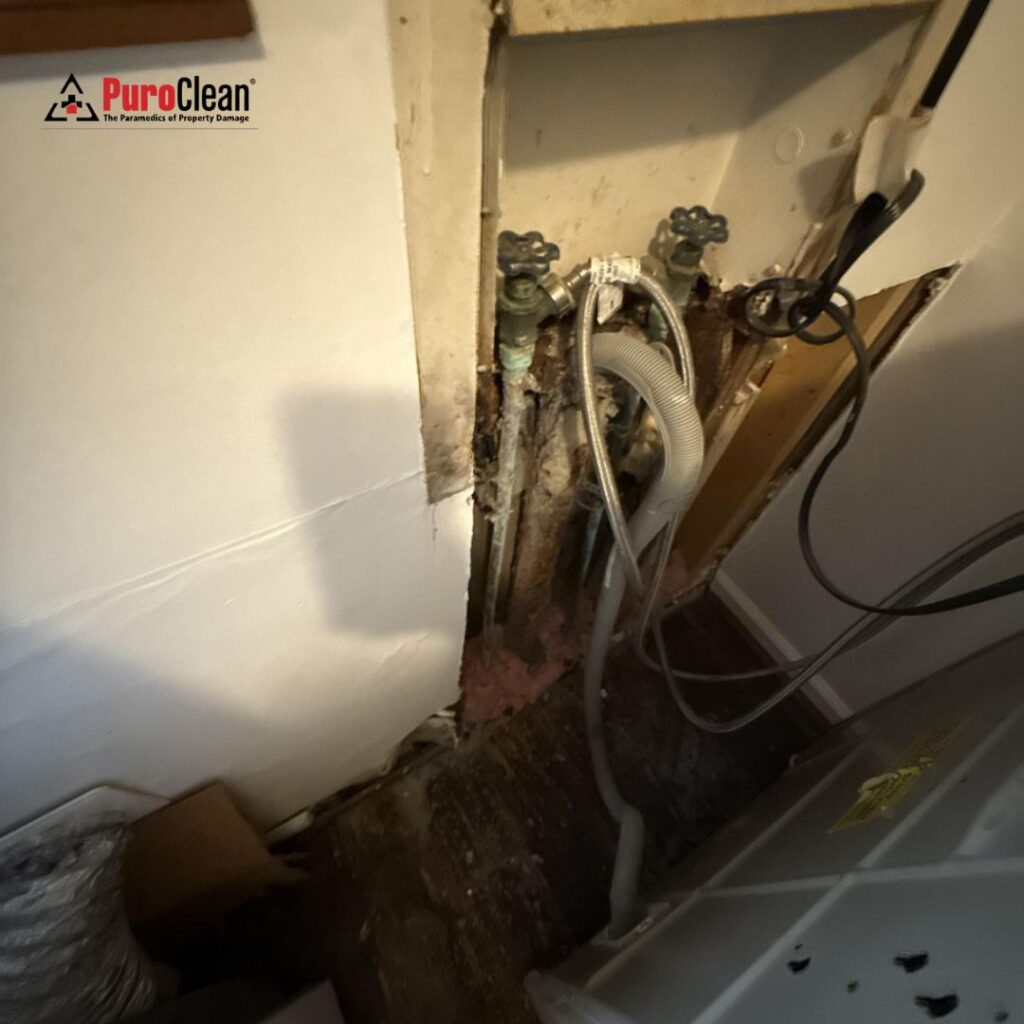
Water damage can strike unexpectedly—whether it’s from a burst pipe, storm flooding, or a leaking appliance. For homeowners in Lithonia, GA, acting quickly is crucial. Even minor water issues can escalate into major damage, affecting your home’s structure, air quality, and your family’s health.
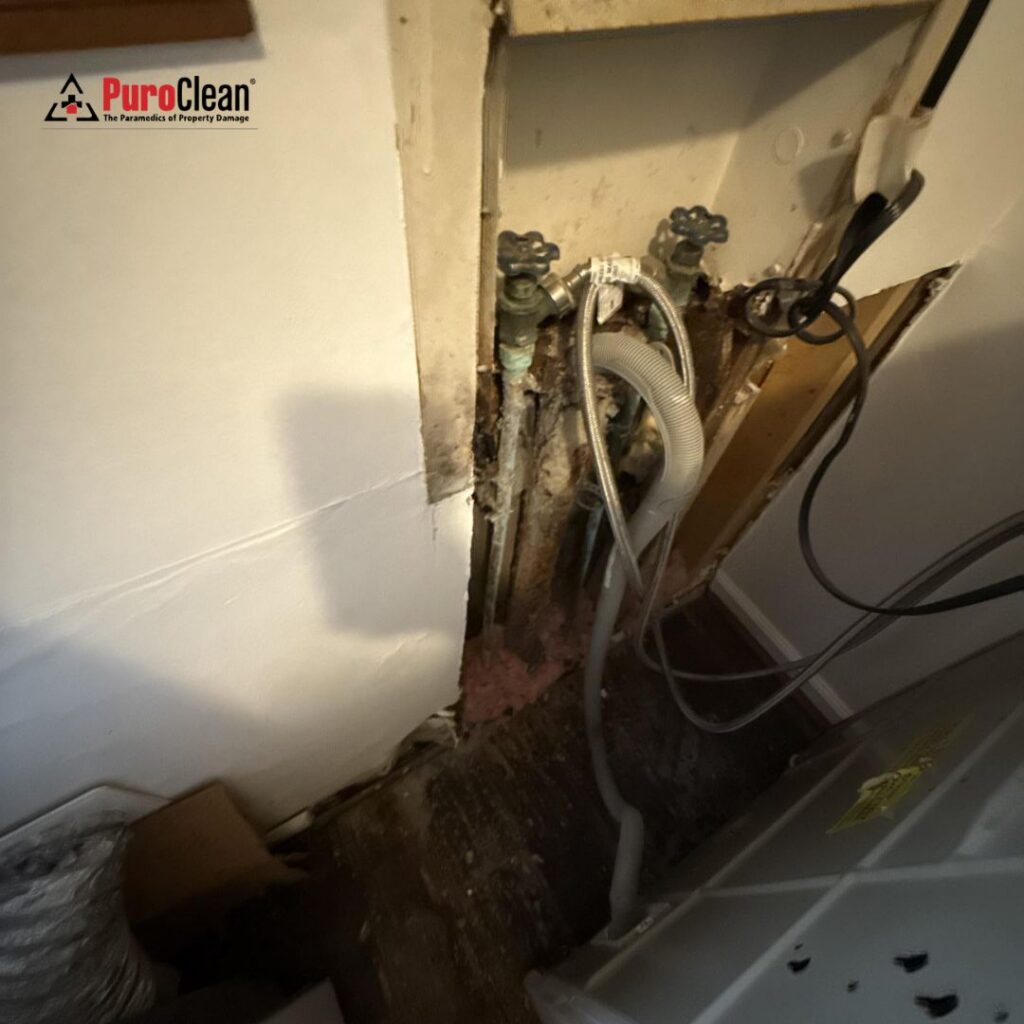
This guide explores the top signs that indicate you need professional water damage restoration immediately, helping Lithonia homeowners take timely action before problems worsen.
Table of Contents
What Is Professional Water Damage Restoration?
Professional water damage restoration involves assessing, cleaning, drying, and repairing areas affected by water. Water damage restoration experts use industrial-grade equipment and techniques to prevent secondary damage, mold growth, and structural issues.
Services often include:
- Water extraction
- Moisture detection
- Drying and dehumidification
- Mold inspection and remediation
- Structural repairs
In Lithonia, with its humid climate and occasional heavy storms, professional damage restoration ensures your home stays safe and your property retains value.
Why Immediate Action Matters
Even small leaks can turn into serious problems within 24–48 hours. Delays in water damage restoration can lead to:
- Mold growth and airborne allergens
- Wood rot and structural weakening
- Damage to personal belongings
- Higher repair costs
- Health risks for your family
Professional restoration not only fixes visible water damage but also addresses hidden moisture before it causes long-term problems.
Top Signs You Need Professional Water Damage Restoration
1. Standing Water or Persistent Moisture
- Any visible water accumulation, no matter how small, requires immediate attention.
- Basements, crawl spaces, and laundry rooms are common areas for water buildup.
- Even minor pooling can seep into flooring and walls, causing secondary water damage.
2. Musty or Moldy Odors
- Lingering musty smells indicate hidden moisture or mold growth.
- Mold spores may already be spreading behind walls, under carpets, or inside HVAC systems.
- Early intervention prevents health issues like allergies and respiratory problems.
3. Discoloration or Staining
- Water stains on ceilings, walls, or floors signal leaks or water intrusion.
- Brown, yellow, or dark spots often indicate prolonged exposure.
- Prompt restoration prevents stains from becoming permanent and protects structural materials.
4. Warping, Bubbling, or Peeling Surfaces
- Flooring, drywall, and paint can warp, bubble, or peel due to excess moisture.
- Hardwood floors may buckle or cup, while drywall loses structural integrity.
- Professionals can dry and repair materials before irreversible damage occurs.
5. Cracked or Weak Flooring
- Water exposure can weaken subfloors, causing cracks or soft spots.
- Tiles may loosen or lift due to moisture underneath.
- Restoration experts use moisture meters to assess hidden damage and prevent accidents.
6. Health Symptoms in Residents
- Headaches, allergies, or respiratory issues may signal mold growth from water damage.
- Children, elderly adults, and those with asthma are most at risk.
- Immediate inspection prevents long-term health risks.
7. Electrical Issues
- Water intrusion near outlets, wiring, or appliances is hazardous.
- Flickering lights, tripped breakers, or buzzing outlets indicate water exposure.
- Restoration professionals ensure electrical safety before repairs.
8. Previous Flooding or Leak History
- Homes with a history of water damage are prone to recurring problems.
- Hidden moisture from past leaks can worsen unnoticed.
- Professional assessments prevent chronic issues and maintain home value.
Secondary Damage: A Hidden Threat
Many homeowners underestimate secondary water damage, which develops after initial exposure. Signs include:
- Musty smells or mold growth
- Discoloration and warping
- Soft spots in floors or walls
- HVAC or insulation issues
Secondary damage often requires professional equipment for hidden moisture detection and complete drying, which is essential for preventing mold and structural deterioration.
Why DIY Water Damage Cleanup Isn’t Enough
While small leaks can sometimes be managed, professional restoration is recommended because:
- Hidden moisture may remain undetected
- Improper drying leads to mold and rot
- Industrial equipment is required for thorough extraction
- Professionals handle insurance documentation and restoration reporting
DIY limitations often result in recurrent water problems, costing more in the long run.
Steps a Professional Restoration Company Will Take
1. Assessment and Inspection
- Experts use thermal cameras and moisture meters to locate hidden water.
- Identify areas of damage that aren’t visible to the naked eye.
2. Water Extraction
- Remove standing water safely and efficiently.
- Protect unaffected areas from further exposure.
3. Drying and Dehumidification
- Industrial air movers and dehumidifiers remove residual moisture.
- Prevents mold and secondary water damage from developing.
4. Mold Inspection and Remediation
- Early mold detection is critical for healthy indoor air quality.
- Professionals use safe containment and cleaning techniques.
5. Restoration and Repairs
- Replace damaged drywall, flooring, and structural materials.
- Ensure home is restored to pre-loss condition.
Insurance Considerations
- Homeowner’s insurance often covers sudden water damage, such as burst pipes or storm flooding.
- Slow leaks or gradual water damage may not be covered.
- Document all damage with photos and reports from professional restoration companies.
- PuroClean of Lithonia can help streamline insurance claims with detailed assessments and reports.
Local Risks for Lithonia Homes
Lithonia homeowners face specific challenges:
- High humidity and seasonal storms increase moisture accumulation.
- Basement flooding is common due to local soil and drainage conditions.
- Older plumbing systems are prone to leaks and pipe bursts.
Local expertise ensures hidden water issues are identified early and addressed before severe damage occurs.
Tips for Preventing Future Water Damage
- Inspect Plumbing Regularly – Check pipes, faucets, and appliances for leaks.
- Maintain Roofs and Gutters – Repair damaged shingles and clean gutters to prevent water infiltration.
- Control Indoor Humidity – Use dehumidifiers and proper ventilation in damp areas.
- Monitor HVAC Systems – Ensure condensation lines are clear and equipment is maintained.
- Respond Promptly to Minor Leaks – Even small leaks can lead to secondary water damage.
Why Choose PuroClean of Lawrenceville
PuroClean of Lawrenceville provides:
- 24/7 Emergency Response – Immediate assistance for water emergencies
- Certified Water Damage Restoration Experts – Skilled in extraction, drying, and mold prevention
- Advanced Equipment – Industrial-grade air movers, dehumidifiers, and moisture detection tools
- Insurance Assistance – Streamlined reporting to support claims
- Comprehensive Restoration – From assessment to structural repair
CTA: Don’t wait until water damage worsens. Call PuroClean of Lawrenceville today for a free inspection and protect your home from long-term damage.
Conclusion
Water damage in Lithonia can escalate quickly, but recognizing the signs and acting immediately prevents costly repairs and health risks. Standing water, musty odors, warped floors, and visible stains are all warning signs that professional intervention is needed.
With PuroClean of Lithonia, homeowners have a trusted partner for fast, effective, and comprehensive water damage restoration. Protect your home, your family, and your investment by contacting experts the moment you notice any signs of water intrusion.
📞 Schedule your emergency water damage restoration and inspection today!