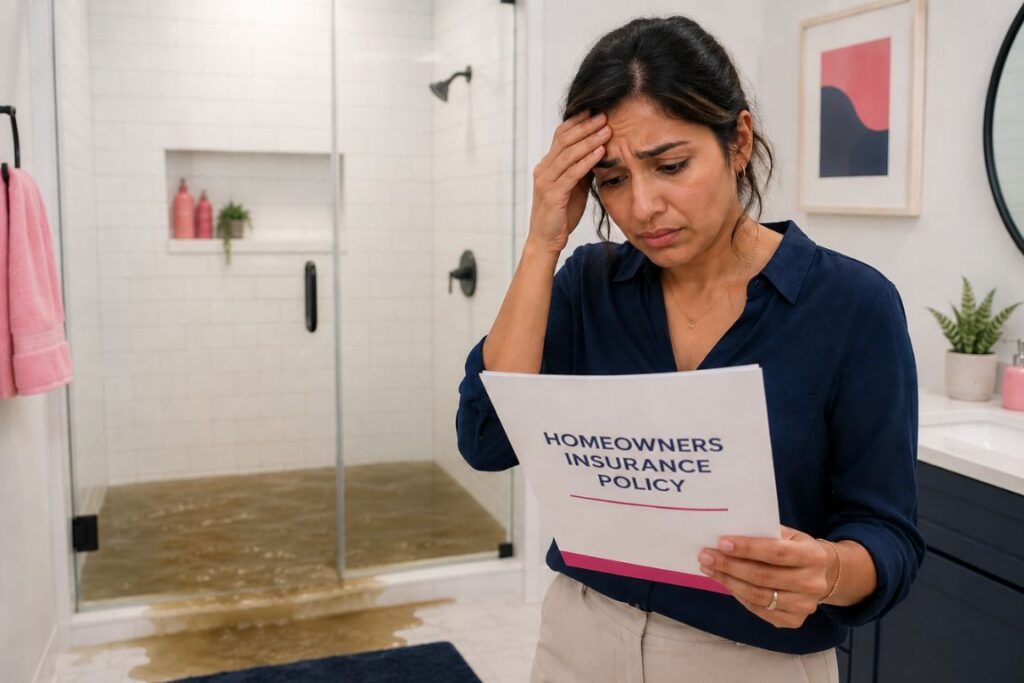
Imagine waking up on a quiet morning in Snellville or coming home after work in Lawrenceville only to discover foul-smelling water overflowing from your basement drain, shower, or toilet. Sewer backups represent one of the most distressing and dangerous property disasters a homeowner can face. Beyond the immediate unpleasantness, sewage carries severe biohazard risks that endanger your household.
When disaster strikes, many homeowners assume that their standard homeowners insurance policy will automatically cover cleanup costs, structural repairs, and personal property loss. Unfortunately, many Gwinnett County residents discover the truth only after filing a claim: standard policies generally exclude sewer backups. Understanding how insurance works in Georgia, recognizing local risk factors, and taking proper action can save you thousands of dollars and immense stress.
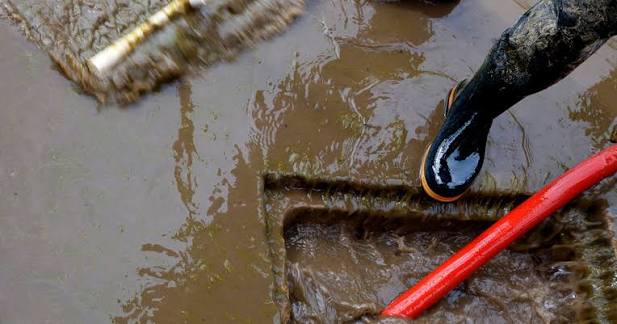
The Real Truth About Standard Homeowners Insurance (HO-3 Policies)
A standard policy sold in Georgia is typically an HO-3 special form policy. This policy provides protection against sudden and accidental events such as internal plumbing pipe bursts, kitchen fires, windstorm damage, or vandalism. For instance, if a supply line under your sink bursts and floods your hallway, standard insurance typically covers water extraction, drying, and structural repairs.
However, standard insurance contracts explicitly exclude water that originates outside your plumbing system or backs up through drains, sewers, or sump pumps. Insurance carriers categorize wastewater entering through drains as an excluded peril. If sewage reverses flow through your main line and overflows into your home, a standard HO-3 policy will deny the claim unless you added a specific policy rider.
The Solution: Water Backup and Sump Overflow Rider
To secure protection against drain backups, homeowners must purchase an optional add-on known as a Water Backup and Sump Overflow Rider or Sewer Backup Endorsement. This rider modifies your existing policy to extend coverage specifically for damage caused by water or sewage backing up through sewers, drains, or sump pumps.
Adding this optional coverage is surprisingly affordable. In Snellville and Lawrenceville, adding a sewer backup endorsement typically costs between 35 and 100 dollars per year, depending on selected coverage limits and deductibles. Coverage limits usually range from 5,000 to 25,000 dollars. Given that professional biohazard sewage cleanup and structural restoration often cost between 7,000 and 20,000 dollars, carrying this endorsement is one of the smartest investments a Gwinnett County property owner can make.
Key Differences: Flood Insurance vs. Water Backup vs. Internal Plumbing Breaks
Insurance policies categorize water damage into distinct groups based on origin:
- 1. Sudden Internal Plumbing Burst: Covered by standard HO-3 policies. Examples include a ruptured water heater tank, broken washing machine hose, or burst pipe inside a wall.
- 2. Sewer and Drain Backup: Covered ONLY if you carry a Water Backup Endorsement. Examples include municipal main line blockages, tree root blockages in private sewer laterals, or sump pump failure during heavy rain.
- 3. Overland Natural Flooding: Excluded from standard policies and sewer endorsements. Natural flooding occurs when surface water from heavy rain or overflowing creeks enters your home from the ground up. This risk requires a separate Flood Insurance policy through the National Flood Insurance Program or private flood carriers.
Why Sewer Backups Frequently Occur in Snellville and Lawrenceville, GA
Homeowners in Snellville, Lawrenceville, Grayson, and surrounding Gwinnett County communities face specific local factors that heighten backup risks:
- Heavy Seasonal Downpours: North Georgia experiences severe summer thunderstorms and intense rainfall. When massive rain hits Gwinnett County quickly, storm runoff can overwhelm municipal infrastructure. Excess water infiltrates sewer lines, causing pressure surges that force sewage backward into residential lower level drains.
- Georgia Red Clay Soil Dynamics: Metro Atlanta red clay soil shrinks during dry periods and swells when saturated. This soil movement shifts underground pipes, cracking older clay, iron, or concrete sewer lines and allowing debris or soil to enter.
- Tree Root Intrusion: Snellville and Lawrenceville feature lush mature tree canopies. Tree roots naturally seek underground moisture. Even tiny pipe cracks attract tree roots, which grow into dense masses that trap waste and create complete line blockages.
- Aging Private Sewer Laterals: Neighborhoods built decades ago across Lawrenceville and Snellville have sewer lateral lines nearing the end of their service life. Decades of corrosion and ground settling make these lines prone to sudden collapses.
- FOG Accumulation (Fats, Oils, and Grease): Household cooking habits contribute heavily to backups. Pouring grease or oils down kitchen drains causes grease to solidify inside main lines, trapping solids and forcing raw sewage back into home fixtures.
Municipal vs. Private Responsibility: Who Pays in Gwinnett County?
A common point of confusion during sewer emergencies is determining responsibility for repairs.
Municipal Lines (Gwinnett County Department of Water Resources): The local municipality maintains public main sewer lines beneath public streets. If a main public line collapses or clogs, Gwinnett County clears the public line. However, municipal immunity laws in Georgia usually protect local government from paying for internal damage to private homes unless long-term municipal negligence can be proven.
Private Sewer Lateral Lines: The property owner is fully responsible for the private sewer lateral line running from the home foundation to the county main line connection. If tree roots or structural collapse occur in your private lateral line, all excavation, repair, and indoor decontamination costs fall on you. This makes carrying a water backup policy endorsement essential.
Understanding Category 3 Black Water Hazards
The Institute of Inspection, Cleaning and Restoration Certification classifies sewage backups as Category 3 water, commonly known as Black Water.
Category 3 water is grossly contaminated and contains dangerous biological agents, pathogenic bacteria, human waste, industrial chemicals, parasites, and hazardous viruses like E. coli, Salmonella, and Norovirus. Exposure to Category 3 sewage through skin contact, ingestion, or airborne vapors can cause severe illnesses.
Attempting DIY sewage cleanup using retail mops, shop vacuums, or bleach is unsafe. Household tools cannot extract sewage trapped beneath subflooring or inside walls. Furthermore, improper handling spreads airborne contaminants through your HVAC system. Certified restoration technicians wear specialized protective equipment and utilize industrial HEPA air filtration, containment barriers, and hospital-grade EPA disinfectants.
Step-by-Step Guide: How to Handle a Sewer Backup Claim
If you experience a sewer backup in your Snellville or Lawrenceville property, taking structured action protects your health and insurance claim:
Step 1: Ensure Personal Safety and Stop Water Usage. Evacuate children and pets from affected rooms. Shut off main electrical breakers if water nears outlets. Stop using all plumbing fixtures to prevent feeding more water into blocked drains.
Step 2: Call Certified Biohazard Restoration Experts. Contact a trusted local team like PuroClean of Snellville and Lawrenceville immediately. Rapid response within 24 to 48 hours is vital to prevent severe mold growth.
Step 3: Document Everything for Your Adjuster. Take extensive photos and videos of standing water, damaged flooring, and ruined items. Maintain a detailed inventory log of affected personal property.
Step 4: Contact Your Insurance Claims Department. Report the event and confirm if you carry a Water Backup Endorsement. Obtain a claim number and share documentation directly with your adjuster.
Step 5: Facilitate Professional Cleanup and Drying. Allow certified technicians to extract sewage water, safely remove non-salvageable materials, apply EPA disinfectants, and run industrial dehumidifiers until structural dryness is achieved.
Preventive Steps Homeowners Can Take Today
Snellville and Lawrenceville homeowners can implement several effective preventive measures:
- Install a Backwater Valve: A backwater check valve installed in your main lateral drain allows wastewater to exit toward the county line but automatically seals shut if sewage reverses flow.
- Schedule Regular Sewer Scope Inspections: Have a licensed plumber run a video camera through your main line every two to three years to spot root intrusion or pipe sags early.
- Practice Smart Drain Usage: Never pour cooking oils or grease down sink drains. Avoid flushing wipes or paper towels, as they do not dissolve easily and lead to major blockages.
- Maintain Sump Pump Systems: Clean sump pits regularly and install a battery backup system so your pump works during storm-related power outages.
Frequently Asked Questions (FAQ)
Q1: How much does a sewer backup rider cost on a Georgia policy?
Answer: Adding a Water Backup Rider typically costs 35 to 100 dollars annually in Gwinnett County, depending on coverage limits (such as 5,000 to 25,000 dollars) and your carrier.
Q2: Does insurance cover replacing the broken underground pipe in my yard?
Answer: Standard water backup endorsements cover water extraction, biohazard cleanup, structural drying, and interior damage. They generally exclude wear and tear on the physical pipe. An additional Service Line Coverage rider is usually needed for underground pipe excavation and repair.
Q3: What should I do in the first hour after discovering a sewer backup?
Answer: Keep family and pets away from contaminated areas. Turn off main water valves, open windows for air circulation, and contact a professional restoration company immediately.
Q4: Will insurance pay for temporary hotel stays during sewage cleanup?
Answer: If you have a valid Water Backup Endorsement, your policy may include Loss of Use coverage. This assists with hotel accommodations and living costs while your home is undergoing biohazard decontamination.
Q5: Can I handle sewer backup cleanup myself with retail disinfectants?
Answer: DIY cleanup is strongly discouraged for raw sewage. Household cleaners cannot fully sanitize porous materials or subfloors, leaving severe risks of structural contamination, health hazards, and persistent mold.
Call to Action: Contact PuroClean of Snellville & Lawrenceville
24/7 Emergency Sewer Backup Cleanup & Biohazard Restoration
If you are facing a sewer backup emergency or water damage crisis in Snellville, Lawrenceville, Grayson, or anywhere in Gwinnett County, do not wait. Rapid action protects your health and saves your property from costly permanent loss.
PuroClean of Snellville & Lawrenceville
Operated by: Jiselle Severe
Phone: (770) 810-5499
Address: 478 Northdale Rd., Suite 201, Lawrenceville, GA 30046
Services: 24/7 Water Damage Extraction, Sewage Cleanup, Structural Drying, Mold Remediation, Biohazard Cleanup, and Insurance Claim Support.