


Drywall is often the first place water damage becomes visible—but by the time you see stains, bubbling paint, or soft spots, moisture has usually been sitting inside the wall cavity for days. In Lawrenceville, heavy rain, roof leaks, plumbing failures, and HVAC drain pan overflows are common triggers that allow water to travel behind walls where it can cause drywall water damage.
This is where many property owners make a costly mistake: patching the drywall without fixing the moisture behind it. That shortcut frequently leads to mold growth, odor problems, and recurring wall damage.
Professional drywall water damage repair requires moisture detection, structural drying, sanitation, and only then reconstruction.
What Causes Drywall Water Damage in Lawrenceville Homes and Buildings?
Several localized factors make drywall damage common in this area:
- Wind-driven rain entering through roof penetrations
- Slow plumbing leaks inside walls
- Overflowing HVAC condensate lines and drain pans
- Appliance leaks from refrigerators, dishwashers, and water heaters
- Foundation seepage after storms
- Upstairs bathroom or kitchen leaks traveling through ceilings and walls
Because drywall is porous, it absorbs and spreads moisture quickly into insulation, studs, and flooring layers.
Warning Signs Moisture Is Still Trapped Behind the Wall
You may notice:
- Brown or yellow stains
- Bubbling or peeling paint
- Soft or swollen drywall
- Musty odors
- Warping baseboards or trim
- Recurring mold spots in the same area
These symptoms indicate ongoing moisture, not just cosmetic damage.
The Correct Process for Drywall Water Damage Restoration
PuroClean of Lawrenceville follows IICRC-guided procedures to ensure drywall is restored the right way for properties in Chamblee and surrounding areas:
1) Moisture Mapping and Detection
Using thermal imaging and moisture meters, technicians identify how far water has migrated inside the wall.
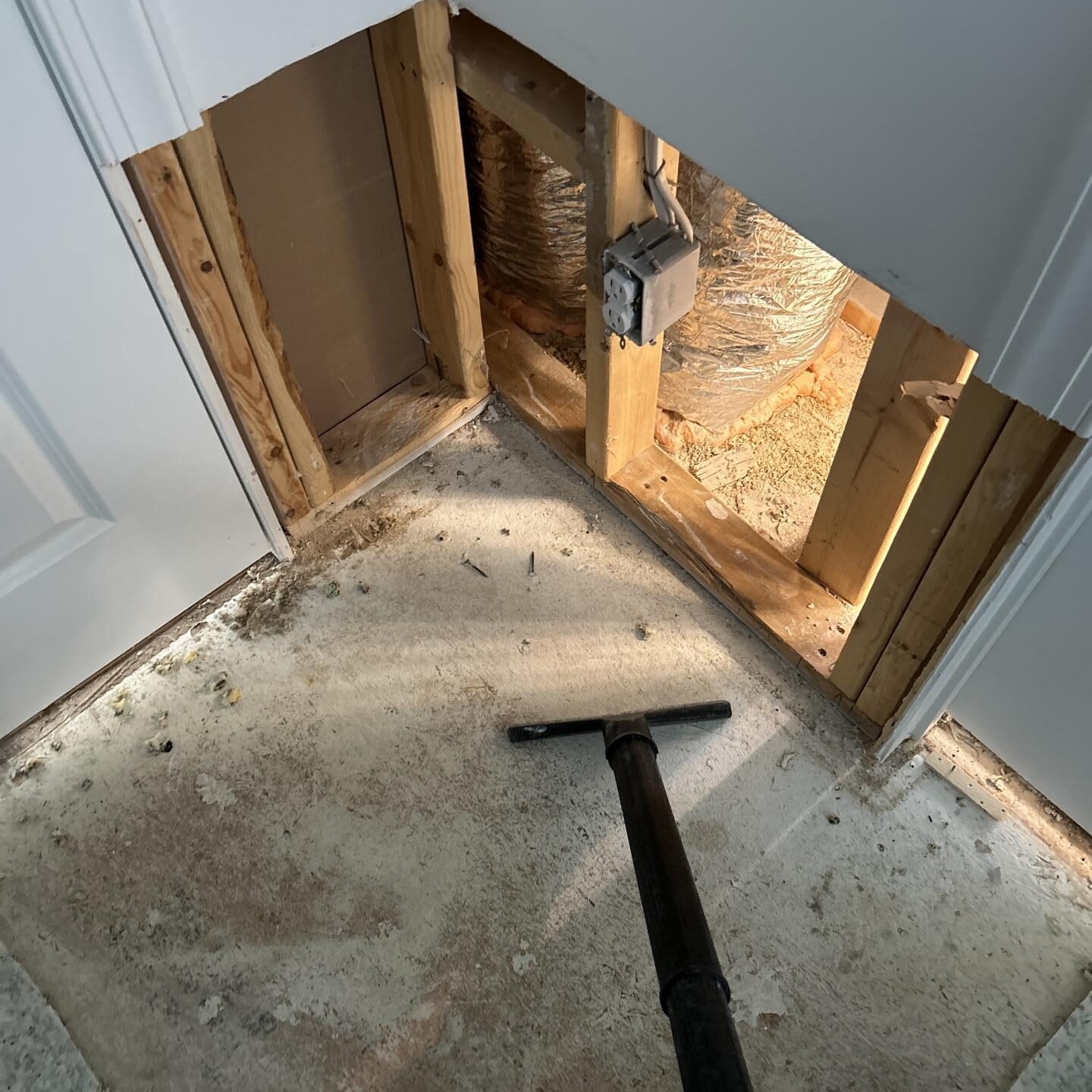
2) Controlled Drywall Removal
Damaged sections are removed to expose wet insulation and framing.
3) Structural Drying
Commercial air movers and dehumidifiers dry the wall cavity, studs, and subfloor.
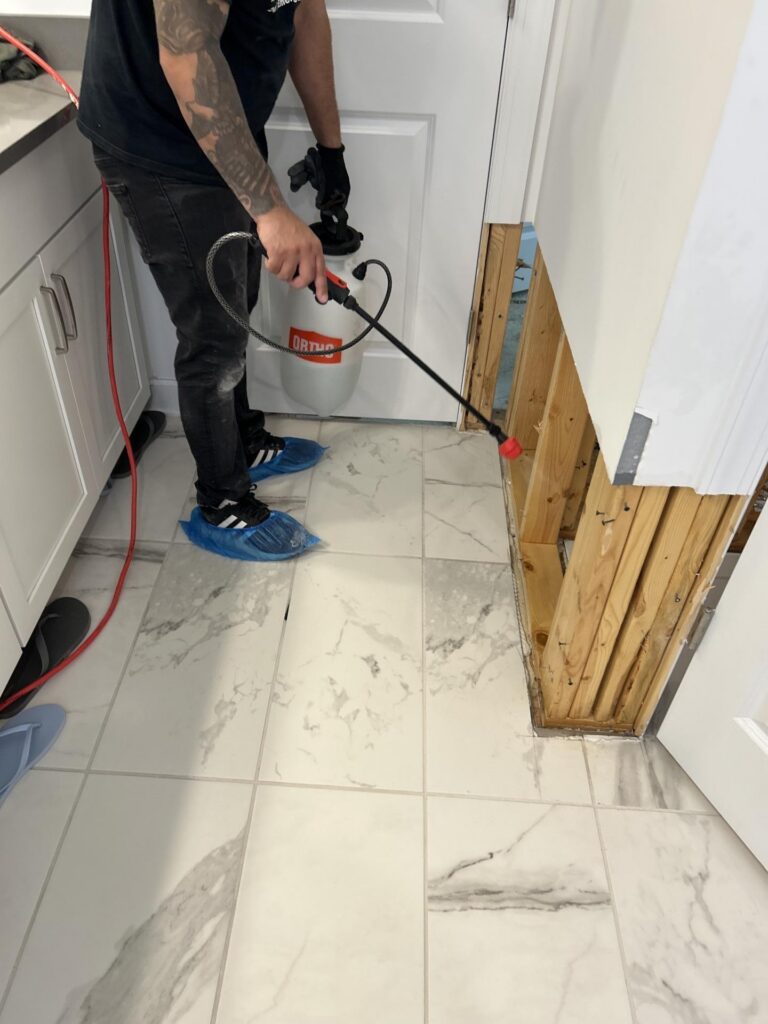
4) Antimicrobial Treatment
EPA-registered solutions prevent mold growth before walls are closed.
5) Drywall Repair and Reconstruction
Once moisture readings confirm dry conditions, drywall is professionally restored.
Skipping any of these steps risks future mold remediation and repeat repairs.
Why Fast Action Matters (24–72 Hour Window)
In Georgia’s warm, humid conditions, mold can begin forming inside wet drywall within 24–48 hours. The longer moisture remains, the more extensive—and expensive—the repair becomes.
Why Property Owners Choose PuroClean
- IICRC-certified water damage restoration technicians
- Advanced moisture detection technology
- Full structural drying before repairs begin
- EPA-registered sanitation practices
- Insurance documentation support
- 24/7 emergency response
If you see drywall damage after a leak or storm, don’t patch it. Fix the moisture problem first.
Call now for professional drywall water damage repair and structural drying.
Frequently Asked Questions
1) Can drywall dry on its own after a leak?
In most cases, no. Drywall is porous and absorbs water into the gypsum core and paper facing. Moisture also spreads into insulation and wooden studs behind the wall. Without professional airflow, dehumidification, and cavity access, that moisture remains trapped and creates conditions for mold growth and odor.
2) How do professionals know how far the water traveled inside the wall?
Technicians use thermal imaging cameras and penetrating moisture meters to map saturation beyond the visible stain. This “moisture mapping” shows the true boundaries of the damage so only the necessary drywall is removed and properly dried.
3) Do all wet drywall sections have to be removed?
Not always. Removal depends on moisture readings, how long the material has been wet, and whether contamination is present. If drywall has lost structural integrity, shows microbial growth, or cannot be dried to acceptable levels, it must be removed.
4) What happens if drywall is patched without drying the wall cavity?
This is a common mistake. Trapped moisture leads to mold growth behind the new drywall, recurring stains, musty odors, and eventual repeat damage—often requiring a larger remediation later.
5) How long does the drywall drying process take?
Structural drying typically takes 3–5 days depending on how saturated the materials are, the thickness of the wall assembly, and humidity conditions. Daily moisture readings confirm when the structure is dry enough for repairs.
6) Can mold start growing inside wet drywall?
Yes. In Georgia’s warm, humid climate, mold can begin developing within 24–48 hours inside wet wall cavities, even if the surface looks dry.
7) What are common causes of drywall water damage in Lawrenceville properties?
Frequent causes include roof leaks after storms, plumbing line failures, HVAC drain pan overflows, appliance leaks, and slow pipe drips hidden behind walls.
8) Is insulation behind the drywall also affected?
Often, yes. Wet insulation holds moisture longer than drywall and must be removed if saturated to allow the wall cavity to dry completely.
9) Will homeowners insurance cover drywall water damage repair?
Most sudden and accidental water losses are covered. Proper documentation, photos, and moisture logs help support the claim process.
10) How do you prevent odors after drywall water damage?
Odors come from microbial activity and damp materials. Drying, antimicrobial treatment, and air scrubbing are used to eliminate odor at the source before reconstruction.
11) Is it safe to stay in the home during this process?
In many cases, yes. If microbial growth or contamination is present, technicians may recommend temporary isolation of the work area using containment barriers.
12) Who should I call for professional drywall water damage repair?
Contact PuroClean of Lawrenceville for professional moisture detection, structural drying, and drywall restoration serving properties in Chamblee and surrounding areas.
Get Expert Help Before Mold and Odors Set In
Drywall damage is a symptom of a larger moisture issue. Address it correctly now to prevent mold remediation later.
Contact PuroClean for expert drywall water damage restoration serving Chamblee properties.