Property flooding is universally recognized as one of the most stressful, disruptive, and destructive crises a home or business owner in Lawrenceville can experience.
Whether triggered by torrential North Georgia seasonal downpours overflowing local municipal drainage systems, a major sewer line backup, or a sudden indoor pipe burst in the middle of the night, water wreaks havoc on structural integrity and personal belongings with alarming speed. When disaster strikes, waiting to see if standing water will dry on its own is never a safe, responsible, or viable option. Professional emergency flood cleanup is essential to extract standing water, dry hidden wall cavities, sanitize contaminated zones, and restore a safe, healthy indoor environment for your family, tenants, or employees.
At PuroClean of Snellville & Lawrenceville, we understand the intense pressure, anxiety, and operational disruption that accompany water emergencies. Our certified restoration technicians are available 24 hours a day, 7 days a week, 365 days a year, providing rapid emergency response across Gwinnett County. From initial emergency water extraction to final structural reconstruction, our comprehensive guide explores why emergency flood cleanup requires certified expertise, how our proven mitigation process protects your property, and why local residents consistently trust our team when disaster hits.
The Devastating Impact of Water Damage on Gwinnett County Properties
Gwinnett County experiences a humid subtropical climate characterized by heavy summer thunderstorms, torrential tropical system remnants, and rapid seasonal weather shifts. When heavy rain hits Lawrenceville, Snellville, Grayson, Lilburn, or Dacula, local drainage networks can quickly become overwhelmed. Water finds every vulnerable entry point, pooling around building foundations, seeping through porous basement concrete walls, and backing up through floor drains.
Water damage is classified by its aggressive speed and destructive capacity. In the first few minutes, water saturates carpets, area rugs, and upholstered furniture. Within hours, drywall begins to wick moisture upward via capillary action, baseboards swell and delaminate, and wooden furniture finishes bubble and crack. If left unaddressed for 24 to 48 hours, standing moisture triggers rapid mold germination, creating a hazardous indoor environment that threatens respiratory health and causes severe structural rot in wooden floor joists, subflooring, and framing studs.
The Hidden Dangers of Delaying Emergency Flood Cleanup
Many property owners make the critical mistake of attempting DIY cleanup using household mops, box fans, and standard shop vacuums. While surface puddles may appear to be gone, water rapidly migrates deep into porous building materials and subfloor assemblies. Hidden moisture trapped inside wall cavities and beneath subfloors continues to breed mold and rot long after the visible water is cleared.
- Rapid Mold Germination and Colonization: In Georgia’s warm, humid environment, mold spores require only 24 to 48 hours to germinate and colonize wet organic surfaces like drywall, insulation, and carpet backing. Once mold takes root, it releases airborne spores that degrade indoor air quality and trigger severe allergic reactions, asthma attacks, and chronic respiratory illness.
- Severe Structural Compromise and Rot: Wood framing, drywall, and plywood subflooring swell, warp, and lose structural integrity when saturated. Over time, prolonged moisture exposure leads to wood rot, sagging floors, ceiling collapses, and costly structural rebuilding that far exceeds initial mitigation costs.
- Electrical Hazards and Short Circuits: Standing water contacting electrical outlets, appliances, wiring, or breaker panels creates extreme electrocution risks and potential short-circuit fire hazards that endanger building occupants, pets, and emergency response personnel.
- Biological Contamination and Pathogens: Floodwater originating from storm runoff, river overflow, or sewer backups carries harmful bacteria, viruses, parasites, and chemical pollutants that pose major health risks if not professionally disinfected with hospital-grade antimicrobial solutions.
- Irreversible Damage to Personal Valuables: Family heirlooms, legal documents, photographs, electronics, and wooden furniture suffer permanent, irreversible damage if standing water and high relative humidity are allowed to linger for more than a few hours.
Understanding Water Categories in Flood Emergencies
Restoration professionals categorize floodwater into three distinct levels of contamination to determine appropriate safety protocols, personal protective equipment (PPE), and specialized cleaning agents:
| Water Category | Common Sources | Contamination Level & Health Risk | Required Cleanup Protocol |
| Category 1 (Clean Water) | Burst supply lines, leaking water heater tanks, clean rainwater from roof leaks. | Free of harmful contaminants; minimal health risk if addressed promptly. | Water extraction, air mover drying, basic sanitization. |
| Category 2 (Gray Water) | Washing machine overflows, dishwasher discharges, clean toilet tank overflows. | Contains chemical or biological contaminants; causes illness if ingested. | Extraction, antimicrobial treatment, drying of wall cavities. |
| Category 3 (Black Water) | Sewage backups, overflowing toilet bowls with waste, severe river or flash flooding. | Highly toxic; contains pathogenic bacteria, viruses, and waste particles. | Full PPE, complete demolition of porous items, hospital-grade disinfection. |
Our Comprehensive 6-Step Emergency Flood Restoration Process
PuroClean of Snellville & Lawrenceville follows rigorous industry standards set by the Institute of Inspection Cleaning and Restoration Certification (IICRC) to ensure your property is restored safely, efficiently, and thoroughly. Our proven emergency flood cleanup process includes:
- 1. 24/7 Emergency Dispatch and Rapid Arrival: We answer your call instantly at (770) 810-5499 and dispatch an emergency response crew immediately to your Lawrenceville property. Our technicians arrive fully equipped to stop further water intrusion, shut off affected utilities, and secure the premises against unauthorized access.
- 2. Advanced Thermal Moisture Mapping and Inspection: Using state-of-the-art infrared thermal imaging cameras and digital pinless moisture meters, our certified technicians conduct a comprehensive inspection to locate hidden pockets of water trapped behind walls, under tile floors, and inside ceiling cavities without unnecessary demolition.
- 3. High-Capacity Water Extraction and Pumping: We utilize industrial truck-mounted extraction units and heavy-duty submersible pumps to remove thousands of gallons of standing water quickly from your floors, carpets, and subfloors, preventing further saturation and accelerating the overall drying timeline.
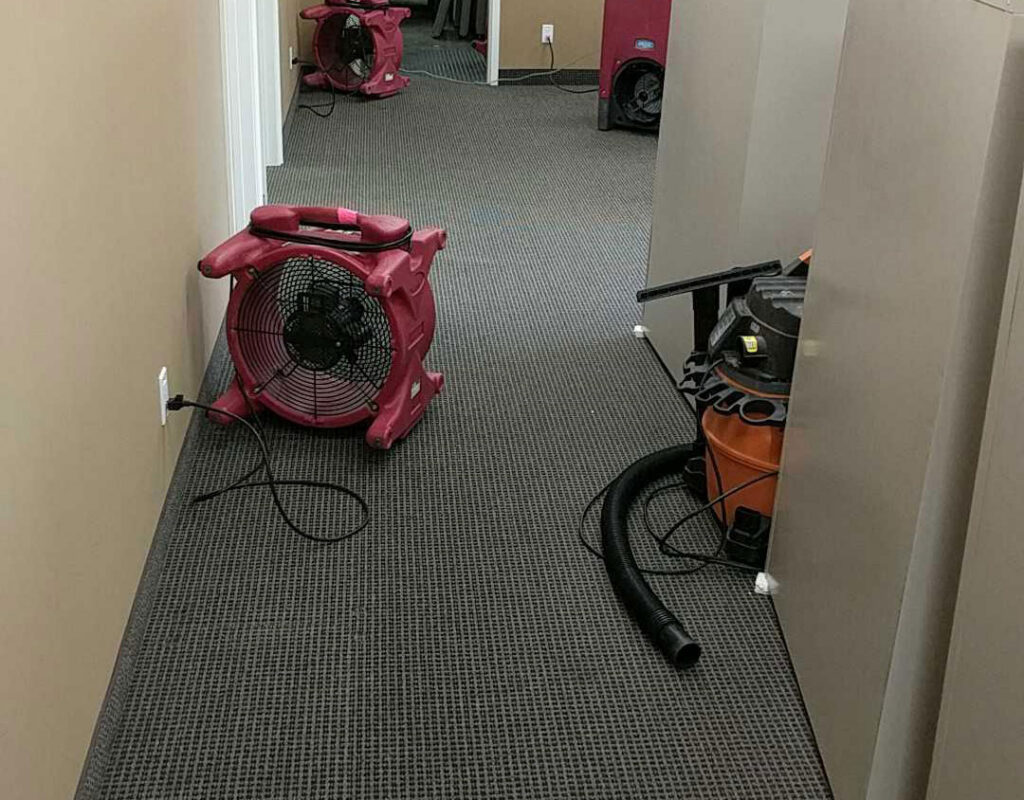
- 4. Structural Drying and Commercial Dehumidification: We deploy high-velocity air movers and commercial Low Grain Refrigerant (LGR) dehumidifiers to pull moisture out of structural framing, masonry, and subfloors, accelerating evaporation and preventing wood warping, delamination, and structural rot.
- 5. EPA-Registered Antimicrobial Sanitization and Deodorization: All affected surfaces are treated with hospital-grade, EPA-registered botanical disinfectants and antimicrobial solutions to eliminate harmful bacteria, suppress mold spores, and neutralize stubborn foul odors at the molecular level.
- 6. Complete Structural Reconstruction and Repairs: Once the property is certified dry through rigorous moisture testing, our skilled construction team handles all necessary repairs, including hanging new drywall, installing insulation, replacing flooring, and painting to return your home to its exact pre-loss condition.
Streamlining Your Insurance Claim in Gwinnett County
Dealing with property flooding is stressful enough without having to fight your insurance company over claim approvals and coverage disputes. PuroClean works directly with all major national and regional insurance carriers throughout Georgia to simplify the process from start to finish. We handle the administrative burden by providing adjusters with precise moisture logs, thermal images, photographic evidence, and itemized estimates using industry-standard Xactimate software. Our professional documentation ensures your insurance adjuster has undeniable proof of loss, eliminating claim delays and ensuring your restoration is fully funded.
Frequently Asked Questions (FAQ)
Q: How fast will PuroClean arrive after my emergency call?
We maintain a 24/7 emergency dispatch protocol throughout Lawrenceville and surrounding Gwinnett County communities. Our certified technicians typically arrive on site within 60 minutes of your call to begin immediate mitigation and prevent secondary damage.
Q: Can soaked carpets and padding be saved after a flood?
If the flooding involves clean water (Category 1) and extraction begins within 24 hours, carpets can often be successfully saved and sanitized. However, if the water is contaminated (Category 2 or 3) or has sat for more than 48 hours, carpet padding and porous rugs must be safely removed and discarded for occupant safety.
Q: Does standard homeowners insurance cover flood damage in Lawrenceville?
Standard homeowners insurance policies cover sudden indoor plumbing failures like burst pipes, water heater leaks, or appliance overflows. However, standard policies exclude natural surface flooding from heavy rainstorms or rising groundwater unless you carry a separate flood insurance policy through the National Flood Insurance Program (NFIP).
Q: Why is professional structural drying better than household fans?
Household fans only move surface air and cannot remove moisture from the air or building materials. Professional restoration utilizes commercial LGR dehumidifiers and high-velocity air movers calibrated to extract moisture from structural framing, drywall, and subfloors, preventing hidden mold and rot.
Q: Why should I choose PuroClean of Snellville & Lawrenceville?
Our local team combines advanced IICRC technical certifications, state-of-the-art commercial extraction and drying equipment, and compassionate, client-first customer service. We handle everything from emergency water removal and mold prevention to final structural repairs under one trusted roof.
Need Emergency Flood Cleanup in Lawrenceville?
Don’t let standing water destroy your property or foster toxic mold growth. Call the certified flood restoration experts at PuroClean of Snellville & Lawrenceville immediately for rapid 24/7 emergency response.
24/7 Emergency Flood Hotline: (770) 810-5499
Serving Lawrenceville, Snellville, Grayson, Dacula, Suwanee & All of Gwinnett County
Rapid Water Extraction • Structural Drying • Mold Remediation • Direct Insurance Billing