


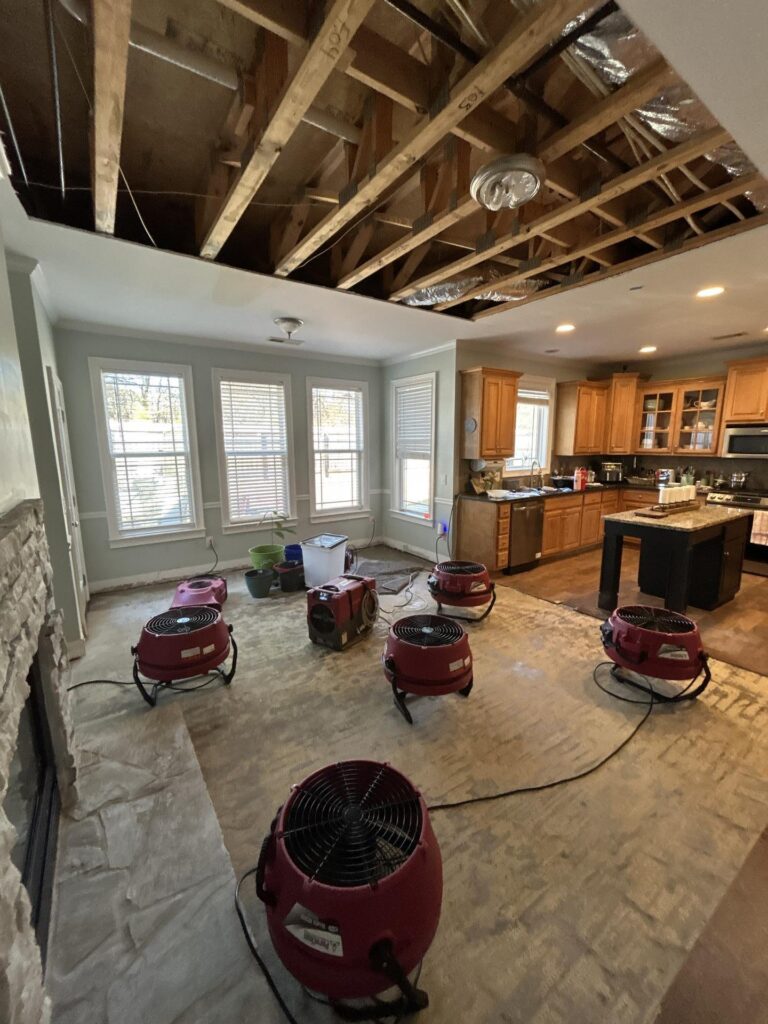
A sudden water emergency is one of the most stressful challenges a property owner in Snellville or Lawrenceville can face.
Whether caused by a ruptured supply line under the kitchen sink, a failed water heater in the basement, or torrential rains saturating the local soil, clean water quickly becomes a destructive force when left unmanaged.
The clock starts ticking the second water enters your living or working space. Within minutes, standing water saturates porous materials like drywall, carpet padding, and subflooring. Within 24 to 48 hours, trapped moisture creates the perfect breeding ground for toxic mold spores, secondary structural swelling, and permanent damage to electronics and furnishings.
Taking systematic, immediate action during the initial 24 hours significantly reduces restoration costs, speeds up recovery time, and prevents secondary mold growth. This checklist provides Snellville and Lawrenceville property owners with a clear roadmap to navigate water emergencies safely and effectively.
Hour 0 to Hour 2: Immediate Emergency Mitigation
Your primary priority during the first two hours is stopping the influx of water and eliminating active hazards. Before taking any action, evaluate the environment for personal safety risks.
- Shut Off the Main Water Supply: If the water intrusion is caused by a burst pipe or plumbing failure, locate your main water shut-off valve immediately and turn it clockwise until fully closed.
- Turn Off Electrical Power to Affected Zones: Water and electricity are a lethal combination. If it is safe to reach your circuit breaker box without walking through standing water, shut down power to all flooded rooms.
- Identify the Water Category: Determine whether the water is clean (Category 1 from supply lines), greywater (Category 2 from washing machines or dishwashers), or blackwater (Category 3 from sewage or severe storm flooding). Avoid all direct contact with Category 2 or Category 3 water.
- Call Professional Restoration Specialists Immediately: Contact PuroClean of Snellville & Lawrenceville at (770) 810-5499 for 24/7 emergency water extraction. Immediate dispatch prevents deep structural saturation.
Understanding Water Damage Progression Over 24 Hours
Water damage is dynamic and escalates rapidly if not extracted with industrial equipment.
| Time Horizon | Structural Impact | Required Restoration Actions |
| Minutes 0 – 60 | Water rapidly spreads across floor surfaces, soaking carpets, rugs, baseboards, and furniture legs. | Shut off water supply, cut power to wet rooms, call PuroClean for emergency dispatch. |
| Hours 1 – 6 | Drywall begins absorbing water, expanding and buckling. Furniture wood swells; paper goods disintegrate. | Initiate commercial truck-mounted extraction, lift furniture onto foil blocks, document damage. |
| Hours 7 – 24 | Doors and cabinet doors swell and bind. Hardwood floors begin cupping. High humidity triggers musty odors. | Deploy commercial LGR dehumidifiers and high-velocity air movers; apply EPA disinfectants. |
| Hours 24 – 48+ | Microscopic mold spores germinate and begin colonizing wet drywall and carpet backings. | Inspect structural cavities with thermal imaging, remove unsalvageable material, initiate drying containment. |
Hour 2 to Hour 12: Content Protection & Documenting Damage
While waiting for restoration crews to execute extraction, taking proactive measures to safeguard belongings and record evidence will greatly streamline your insurance claim.
1. Protect Valuables and Furnishings
Elevate wooden furniture off wet carpets by placing aluminum foil squares or plastic blocks under the legs. Move small electronics, documents, artwork, and clothing to upper floors or dry rooms. Never attempt to use standard household vacuum cleaners to extract standing water, as this creates a severe electrical shock hazard and destroys motor turbines.
2. Thoroughly Document the Intrusion
Before anything is moved or removed, capture comprehensive photographic and video documentation of all standing water, water marks on walls, soaked furniture, and the initial point of failure (e.g., burst pipe or appliance connector). Keep track of model numbers and receipts for affected high-value items.
3. Contact Your Insurance Provider
Notify your homeowners or commercial property insurance company to open a claim. Inform them that emergency mitigation is actively underway with a certified restoration company. Under Georgia insurance standards, property owners have a legal obligation to mitigate further damage promptly.
Hour 12 to Hour 24: Professional Water Extraction and Structural Drying
When PuroClean arrives on scene in Snellville or Lawrenceville, our certified technicians execute advanced IICRC-S500 extraction protocols to stabilize the structure.
- Truck-Mounted Heavy Extraction: Using high-powered suction equipment, we extract thousands of gallons of standing water directly from carpets, pads, and hard floors, removing up to 90% of surface moisture in minutes.
- Thermal Imaging Moisture Mapping: Water travels along studs and settles deep within wall cavities. Our technicians deploy FLIR thermal imaging cameras and moisture meters to pinpoint hidden pockets of moisture without damaging drywall needlessly.
- Strategic Placement of Industrial Air Movers & Dehumidifiers: We install high-velocity air movers to accelerate evaporation alongside Low-Grain Refrigerant (LGR) commercial dehumidifiers to draw water vapor out of the air, preventing airborne condensation.
- Antimicrobial Disinfection: All affected structural surfaces are treated with EPA-registered botanical antimicrobials to eliminate bacteria and prevent fungal germination.
Common Mistakes to Avoid in the First 24 Hours
Avoid these common missteps during a water disaster to prevent compounding damage:
- Mistake #1: Delaying Calling Professionals: Waiting even 12 hours to see if water will ‘dry on its own’ leads to irreversible subfloor delamination and mold growth.
- Mistake #2: Opening Windows on Humid Days: Opening windows during humid Georgia weather introduces warm, moisture-laden air into wet indoor spaces, accelerating mold growth rather than drying the room.
- Mistake #3: Running HVAC Systems: Operating central heating or air conditioning systems while standing water is present forces humid, mold-spore-laden air through your ductwork, contaminating unaffected rooms.
- Mistake #4: Walking Across Wet Carpets Unnecessarily: Walking over saturated carpets embeds dirt into fiber backings and forces trapped water deeper into underlying wooden subfloors.
Frequently Asked Questions (FAQ)
Q: How long does the complete structural drying process take after water extraction?
While heavy water extraction takes a few hours, complete structural drying typically requires 3 to 5 days. We monitor moisture readings daily with specialized meters to confirm all structural framing meets dry standards before removing equipment.
Q: Will my insurance policy cover emergency water extraction services?
Most standard homeowners and commercial property policies cover sudden, accidental water damage, such as burst pipes or appliance overflows. PuroClean works directly with all major insurance carriers in Georgia to handle billing and claim documentation.
Q: Can my carpet and padding be saved after a water leak?
If the water source is clean water (Category 1) and extracted within 24 to 48 hours, carpet and padding can usually be disinfected and saved. If the intrusion involves greywater or blackwater (Category 2 or 3), carpet padding must be replaced for safety.
Q: Why is standard fan drying insufficient for water damage?
Regular household fans move air across surface areas but do not extract bound moisture from deep structural wood or lower relative humidity levels. Without industrial LGR dehumidifiers, excess moisture condenses onto adjacent walls, creating mold.
Q: What should I do if I smell a musty odor within 24 hours of a leak?
A musty odor indicates that microbial activity has begun or moisture is trapped in hidden cavities like subfloors or behind baseboards. Call PuroClean immediately for thermal moisture scanning and antimicrobial treatment.
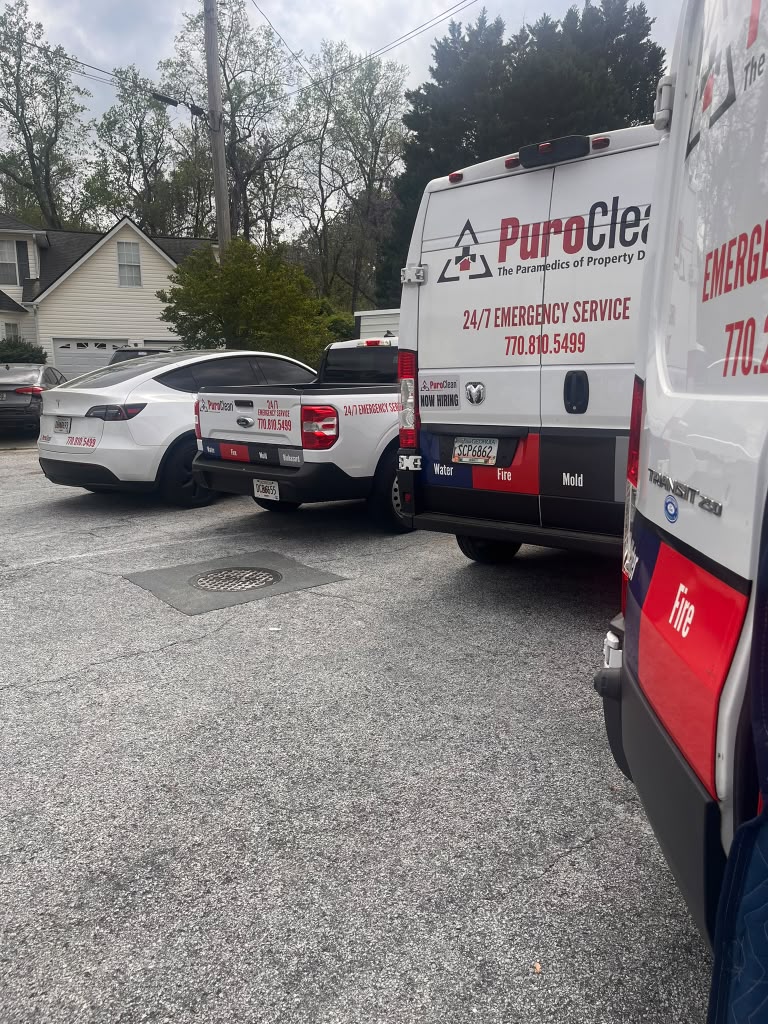
| Fast 24/7 Emergency Water Extraction in Snellville & Lawrenceville Don’t let water ruin your property or compromise your health. Trust the Paramedics of Property Damage at PuroClean of Snellville & Lawrenceville to extract water, dry your structure, and restore peace of mind. 24/7 Water Emergency Response Line: (770) 810-5499 Serving Snellville, Lawrenceville, Grayson, Lilburn, Loganville & All of Gwinnett County Specializing in Emergency Water Extraction, Structural Drying, Mold Remediation & Direct Insurance Billing |