


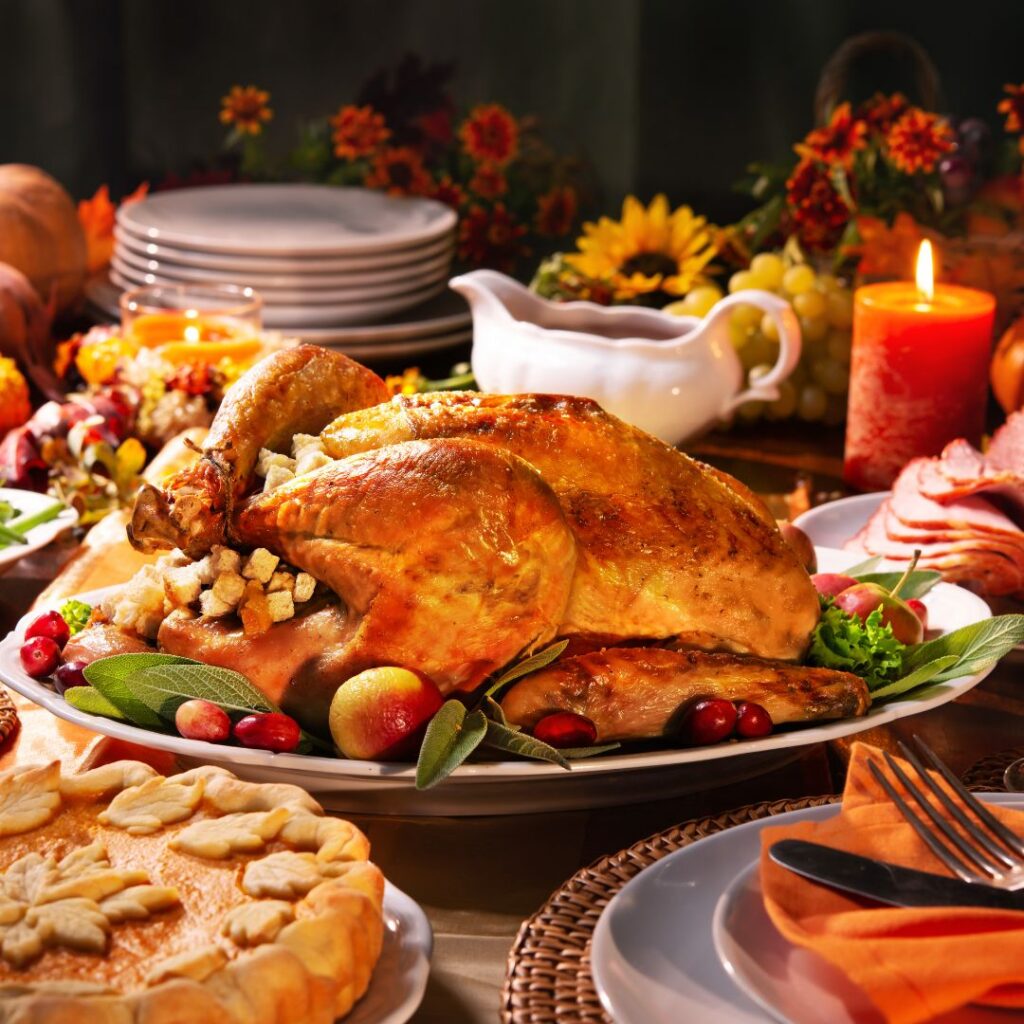
The holiday season is a time for warmth, celebration, and delicious meals shared with loved ones. But in Lawrenceville, GA, where Thanksgiving gatherings, Christmas dinners, and end-of-year parties keep kitchens busier than ever, holiday cooking mistakes become one of the leading causes of home fires.
In fact, national data shows that cooking fires spike by more than 250% on Thanksgiving Day alone. And right here in Gwinnett County, fire departments respond to a surge of kitchen-related emergencies every holiday season.

As a local homeowner or property manager in Lawrenceville, it’s essential to understand the hidden risks, the most common mistakes, and how to protect your home before a small flare-up becomes a costly disaster.
This guide breaks down the top holiday cooking mistakes that lead to fire damage—and what you can do to stay safe.
Table of Contents
Leaving Cooking Unattended: Lawrenceville’s #1 Holiday Fire Trigger
Holiday distractions are unavoidable—guests arriving, kids running around, multiple dishes going at once. But one of the most dangerous mistakes families make is stepping away from the stove “just for a minute.”
Even a brief moment is enough for:
- Oil to overheat
- Grease to splatter
- A towel or sleeve to catch fire
- An oven to flare up
- A pot to boil over onto the burner
The average cooking fire begins in less than 30 seconds from the moment heat is unattended.
How to prevent it:
- Stay in the kitchen whenever you’re frying, sautéing, boiling, or broiling.
- Set a timer for oven dishes so nothing is forgotten.
- Keep kids and pets at least three feet away from cooking areas.
- Assign a “kitchen watcher” in busy households during large gatherings.
Quick Restoration Tip:
If smoke leaves soot on walls or ceilings—even without an active fire—contact a professional. Smoke particles embed deeply into paint, insulation, cabinets, and HVAC systems. DIY cleaning usually spreads the soot and worsens the damage.
Overheating Cooking Oil Especially During Turkey Frying
Many Lawrenceville families deep-fry their holiday turkeys outdoors, but this tradition carries major fire risks when done improperly.
The leading cause? Overheating oil.
When oil reaches its smoke point, it can ignite suddenly. Worse, adding a turkey that’s even slightly frozen can cause explosive overflows that ignite the burner and surrounding area.
Warning Signs Your Oil Is Too Hot:
- The oil begins to smoke
- The pot vibrates or makes “crackling” sounds
- Your thermometer reads above 375°F
Safe local-friendly guidelines:
- Always fry your turkey outdoors on flat concrete—not wood decks.
- Keep at least 10 feet of clearance from your home, garage, or trees.
- Fully thaw your turkey for 24–48 hours.
- Turn off the burner before lowering the turkey into the pot.
If a fire occurs:
NEVER use water on a grease fire. Water reacts explosively with hot oil, escalating the flames instantly.
Cluttered Countertops Near Heat Sources
Holiday kitchens are full of extra supplies—foil, napkins, cookbooks, plastic packaging, serving trays, and more. But clutter becomes dangerous when flammable items sit too close to heat.
Common culprits include:
- Plastic utensils melting beside a burner
- Oven mitts catching fire
- Dish towels falling into the stove
- Cardboard packaging left on the oven
Prevent this by creating a “safety zone”:
- Keep anything flammable at least three feet away from stove burners.
- Designate a clutter-free section of the counter for hot pans.
- Use silicone or metal, not cloth, near heat.
A single spark can spread quickly especially in older Lawrenceville homes with aging cabinetry or ventilation systems.
Using Faulty or Overloaded Appliances
During holiday rush, Lawrenceville homeowners often pull out old or seldom-used appliances such as:
- Slow cookers
- Air fryers
- Deep fryers
- Portable burners
- Toaster ovens
- Electric griddles
These appliances can malfunction, especially if their wiring is worn or if they are plugged into overloaded power strips.
Fire risks include:
- Electrical sparks
- Overheated cords
- Short circuits
- Melted outlets
- Small appliance explosions
Protect your home:
- Inspect cords for fraying before use.
- Plug high-wattage appliances into wall outlets—not extension cords.
- Avoid running multiple appliances on one circuit.
- Never leave plugged-in appliances running overnight.
Cooking While Tired, Rushed, or Under Stress
Holiday hosting can be exhausting, and fatigue is a major but often overlooked fire hazard. Many cooking fires occur when someone:
- Falls asleep while food is still on the stove
- Forgets to turn off an oven
- Leaves the house “just for quick errands”
- Drinks alcohol while preparing food and becomes less alert
How to prevent fatigue-related hazards:
- Prep ingredients before guests arrive.
- Avoid cooking large meals late at night.
- Set multiple alarms or reminders.
- Ask for help in the kitchen.
In Lawrenceville homes with multi-generational gatherings, assigning cooking tasks to multiple people reduces risk significantly.
Improper Oven Cleaning Before Holiday Cooking
A dirty oven is more likely to:
- Ignite leftover food
- Smoke heavily
- Spread flames inside the appliance
- Fill the home with soot
Because many families skip deep-cleaning their ovens all year, the first heavy holiday use is the moment hidden residues ignite.
Clean your oven safely by:
- Removing old debris
- Wiping away grease
- Checking that heating elements are intact
- Avoiding flammable chemical cleaners right before cooking
If smoke stains your walls or kitchen ceiling, call professionals immediately. Soot cleanup requires industry-grade solutions that won’t damage surfaces.
Wearing Loose Clothing While Cooking
Sweaters, scarves, long sleeves, and flowing holiday attire can easily brush against burners and ignite.
This is one of the most common—and preventable—holiday fire accidents.
Stay safe by:
- Wearing fitted sleeves around the stove
- Using short aprons
- Keeping scarves and loose fabrics away from heat
Misusing the Broiler During Holiday Meal Rush
Broilers heat extremely quickly, and many families use them to reheat pies, toast bread, or brown dishes at the last minute. Problems arise when:
- Food is placed too close to the heating element
- The broiler is left unattended
- Grease drips and ignites
- The oven door is left open too long
Safety tips:
- Keep a close eye on broiled items
- Use oven-safe trays only
- Keep the broiler free of grease buildup
Failing to Maintain or Test Fire Safety Devices
Even with prevention, accidents can happen—but many Lawrenceville homes lack functioning safety equipment.
Before the holidays:
- Test smoke detectors
- Replace batteries
- Add detectors in kitchens and hallways
- Keep a Class B or K fire extinguisher nearby
- Ensure children know what alarms sound like
A working smoke detector increases your chance of surviving a home fire by over 50%.
Not Knowing What to Do If a Fire Starts
Many cooking-related disasters escalate because homeowners panic or use the wrong method to extinguish a flame.
For stovetop or grease fires:
- Turn off the heat
- Cover the pot with a lid
- Use baking soda, not water
- Use a fire extinguisher if needed
- Leave the home immediately if flames spread
For oven fires:
- Turn off the oven
- Keep the door closed
- Call the fire department if smoke persists
Knowing how to react can mean the difference between a minor incident and a devastating structural fire.
Why Professional Fire Damage Restoration Matters after Holiday Cooking Mistakes
Even small fires can cause:
- Hidden smoke odor in walls and carpets
- Soot lurking inside vents and HVAC systems
- Electrical damage behind walls
- Toxic residue on cabinets and appliances
- Discoloration of ceilings and surfaces
DIY cleanup is risky. Soot and smoke residues contain acidic and carcinogenic particles.
PuroClean of Lawrenceville provides:
- 24/7 emergency fire and smoke damage response
- Smoke and odor removal
- Soot cleaning
- Structural assessment
- HVAC cleaning
- Content cleaning and restoration
- Reconstruction and repairs
Prompt professional action reduces long-term damage and lowers restoration costs.
Final Thoughts: Keep Your Lawrenceville Home Safe This Holiday Season
Holiday meals bring families together—but cooking mistakes can lead to devastating fire damage if you’re not careful. By understanding the biggest risks and how to prevent them, you protect your home, your guests, and your peace of mind.
If your home in Lawrenceville experiences fire or smoke damage this holiday season, PuroClean of Lawrenceville is here 24/7 to respond quickly and restore your property.