


Heavy precipitation is a defining characteristic of North Georgia weather. When slow-moving rainstorms or tropical low-pressure systems dump several inches of rainfall within hours over Snellville and Lawrenceville, storm drainage systems quickly become overwhelmed.
For homeowners and commercial property operators across Gwinnett County, subterranean spaces specifically crawl spaces and basements are the most vulnerable areas during a flash flood. Understanding the physical forces driving water intrusion helps property owners react quickly before minor pooling transforms into major structural damage.
The Mechanics of Intrusion: Georgia Red Clay and Hydrostatic Pressure
The primary geological factor contributing to basement and crawl space flooding in Snellville and Lawrenceville is Georgia red clay soil.
- Low Infiltration Rate: Unlike sandy soils that allow rainwater to drain rapidly, dense clay soil absorbs water slowly. During torrential rainstorms, water rapidly accumulates around building perimeters.
- Expansion and Hydrostatic Pressure: As clay saturates, it expands against foundation walls. This exerts thousands of pounds of lateral force (hydrostatic pressure), pushing groundwater through microscopic hairline cracks, mortar joints, and tie-rod holes in block or poured concrete walls.
- The “Clay Bowl” Effect: Excavation performed when constructing basements creates backfilled dirt around foundation perimeters that is looser than undisturbed native soil. Rainwater pools in this loosened perimeter, turning your basement or crawl space footprint into a natural reservoir for runoff.
Vulnerabilities: Crawl Spaces vs. Basements During Flash Floods
| Impact Area | Crawl Space Impact | Basement Impact |
| Water Intrusion Mechanism | Overland flash runoff entering open foundation vents or rising groundwater seeping through dirt floors. | Water pushing through floor slab cracks, wall joints (cove joint), or window wells. |
| Structural Risks | Subfloor joist sagging, wet fiberglass insulation falling, wood rot in sill plates. | Drywall saturation, carpet ruin, foundation wall bowing, framing damage. |
| Indoor Air Quality | The “Stack Effect” pulls damp air and fungal spores up into living quarters above. | Trapped high humidity breeds mold on stored belongings, drywall, and baseboards. |
| Electrical & HVAC Risk | Submerged ductwork, ground-level HVAC units damaged, open junction box exposure. | Flooded water heaters, furnaces, electrical panel hazards, appliance failure. |
The 48-Hour Biological Countdown: Mold and Bacterial Risks
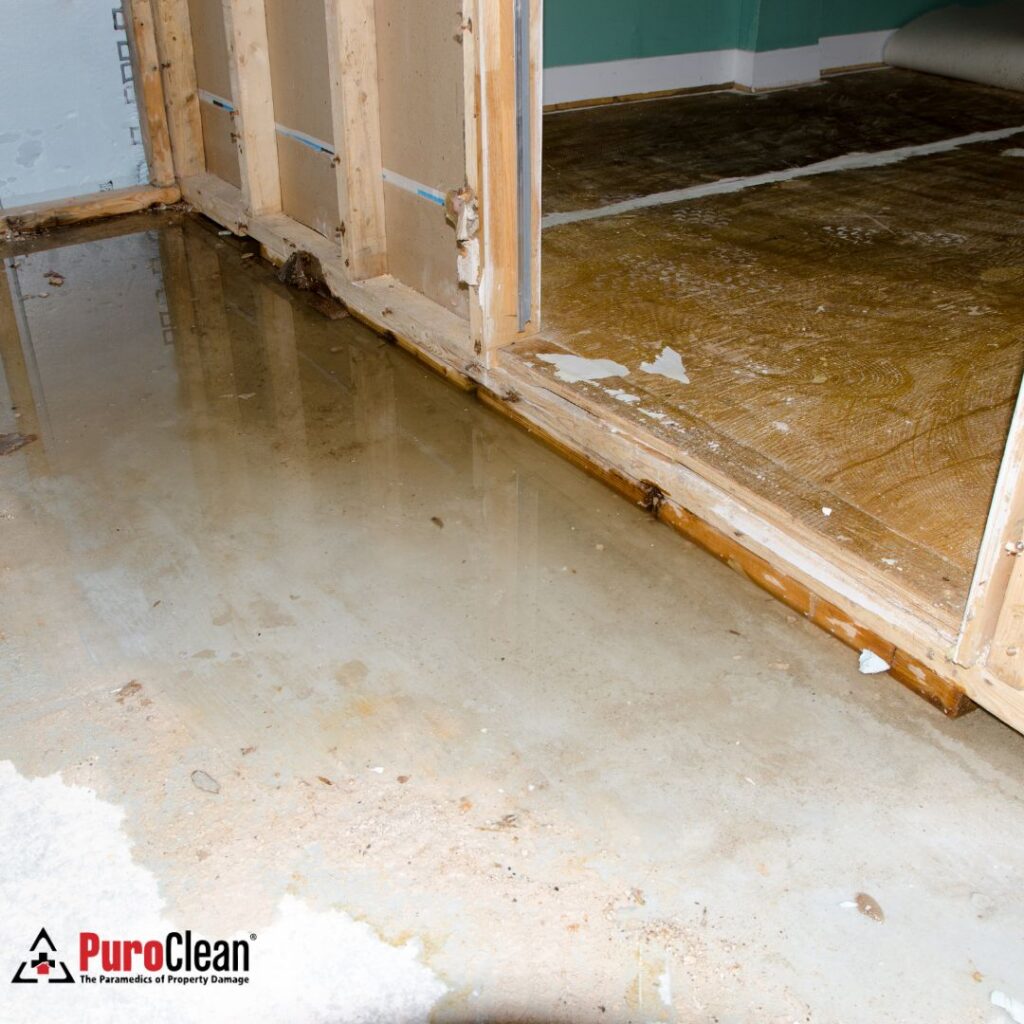
Floodwater entering from storm runoff or soil seepage is classified as Category 2 (Grey Water) or Category 3 (Black Water). It contains soil microbes, lawn fertilizers, pesticides, and potential sewage contaminants.
In Georgia’s warm, humid climate, mold spores germinate on wet organic materials such as wooden joists, drywall paper, and carpet backing within 24 to 48 hours. Allowing water to stand in a crawl space or basement guarantees rapid microbial colonization, creating severe respiratory hazards for household members.
Immediate Action Steps Following Flash Flood Intrusion
Step 1: Prioritize Safety Before Entry
Never step into a flooded basement or crawl space with standing water until you have verified that electrical power to the area is shut off at the main breaker panel. Beware of shock hazards.
Step 2: Document Damage for Insurance
Take clear photos and video recordings of standing water levels, water marks on foundation walls, and affected personal property before initiating pumping or water extraction.
Step 3: Clear Perimeter Gutters and Downspouts
Ensure downspout extenders direct water at least 5 to 10 feet away from your foundation to prevent additional stormwater from recirculating into the subterranean space.
Step 4: Dispatch Certified Restoration Experts
Contact PuroClean of Snellville & Lawrenceville immediately at (770) 810-5499. Standard wet/dry vacuums cannot handle high-volume extraction or reach moisture trapped inside wall cavities and wooden subflooring.
How PuroClean Restores Flooded Crawl Spaces and Basements
Our IICRC-certified restoration teams employ commercial-grade technology to extract water, dry structural elements, and sanitize subterranean areas:
- High-Capacity Water Extraction: We utilize truck-mounted submersible pumps and industrial wet extractors to clear standing water rapidly.
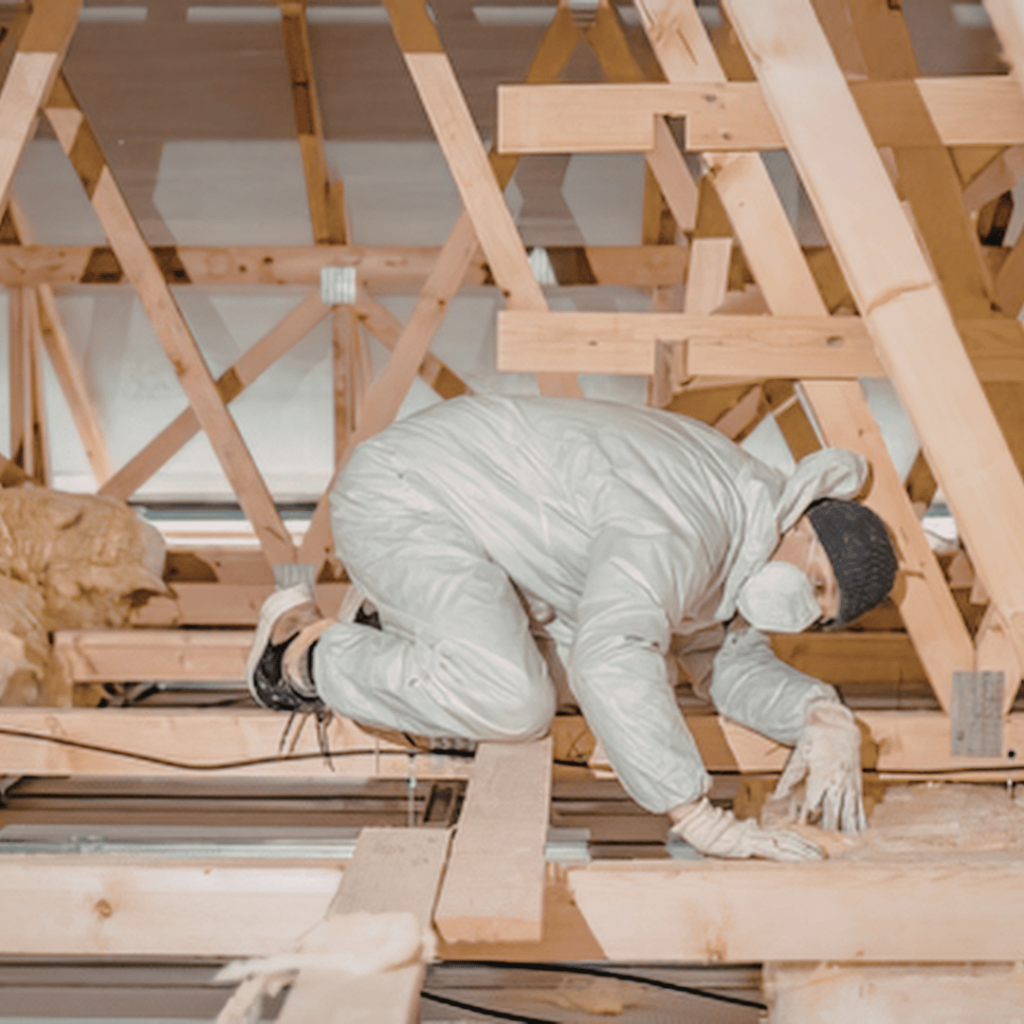
- Saturated Material Removal: Soggy fiberglass insulation, damaged vapor barriers, and ruined carpet underlayment are safely removed and disposed of to accelerate drying.
- Industrial Dehumidification & Air Movement: We deploy high-velocity air movers and commercial LGR (Low Grain Refrigerant) dehumidifiers to pull moisture out of structural wood framing, concrete, and masonry.
- Anti-Microbial & Sanitization Treatments: All affected surfaces are treated with EPA-registered botanical anti-microbial solutions to eliminate bacteria, suppress mold growth, and eliminate foul damp odors.
Frequently Asked Questions (FAQ)
Q: Why does my Snellville basement flood even though I have a sump pump?
Sump pumps can fail due to power outages during severe storms, clogged intake screens, stuck float switches, or overwhelming water volume exceeding the pump’s gallon-per-hour rating. Installing a battery backup sump pump is strongly recommended.
Q: Should wet fiberglass insulation in my crawl space be replaced?
Yes. Wet fiberglass insulation loses its R-value, becomes heavy, sags away from subfloors, traps moisture against wood joists, and serves as a prime breeding ground for toxic mold.
Q: Does homeowners insurance cover flash flood water in basements?
Standard homeowners policies generally cover sudden internal pipe bursts, but do not cover surface flash flooding or rising groundwater unless you carry a separate flood insurance policy (e.g., through NFIP). However, sump pump overflow endorsements may apply.
Q: How long does it take to dry out a flooded crawl space?
Using industrial air movers and heavy-duty dehumidifiers, a professional crawl space dry-out typically takes between 3 to 5 days, depending on structural saturation levels.
Flooded Basement or Crawl Space in Snellville or Lawrenceville?
Don’t wait for mold and structural rot to set in after a severe Georgia rainstorm. Call the local water damage restoration specialists at PuroClean of Snellville & Lawrenceville for fast emergency extraction and complete drying.
24/7 Emergency Flood Hotline: (770) 810-5499
Serving Snellville, Lawrenceville, Grayson, Lilburn, Loganville & All of Gwinnett County
Rapid Water Extraction • Structural Drying • Mold Remediation • Direct Insurance Billing