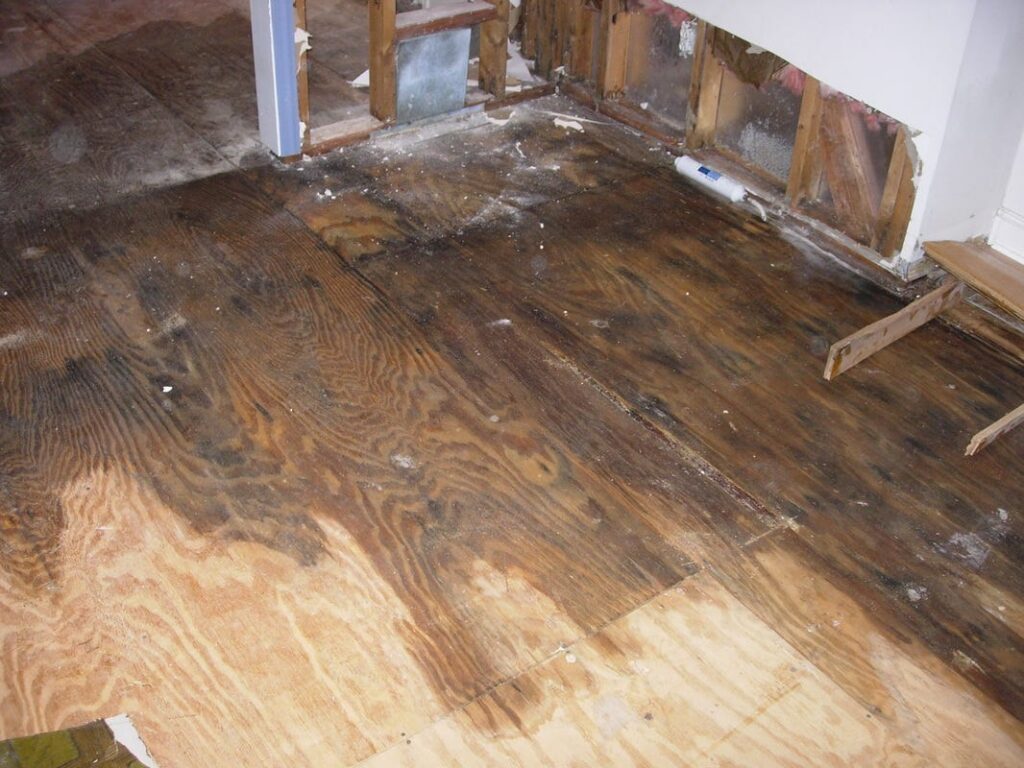
Hardwood floors add timeless elegance, warmth, and significant resale value to residential properties across Lawrenceville, Snellville, Grayson, Lilburn, and surrounding Gwinnett County neighborhoods.
Whether you have classic oak planks in your historic home or modern engineered hardwood in a newly constructed property, wood flooring is a prized feature. Unfortunately, wood is also highly susceptible to moisture. When a plumbing failure, water heater leak, or overflowing appliance floods your living room or kitchen, every minute matters immensely. Waiting hours or days to begin cleanup can mean the difference between a simple professional drying process and a complete, expensive floor replacement.
At PuroClean of Snellville & Lawrenceville, our certified restoration technicians have witnessed firsthand how quick water extraction and advanced structural drying can rescue hardwood floors that initially look beyond saving. Understanding how wood responds to moisture, why rapid response is non-negotiable, and how professional intervention works will empower you to protect your home’s most beautiful asset.
The Anatomy of Hardwood Floors and Moisture Vulnerability
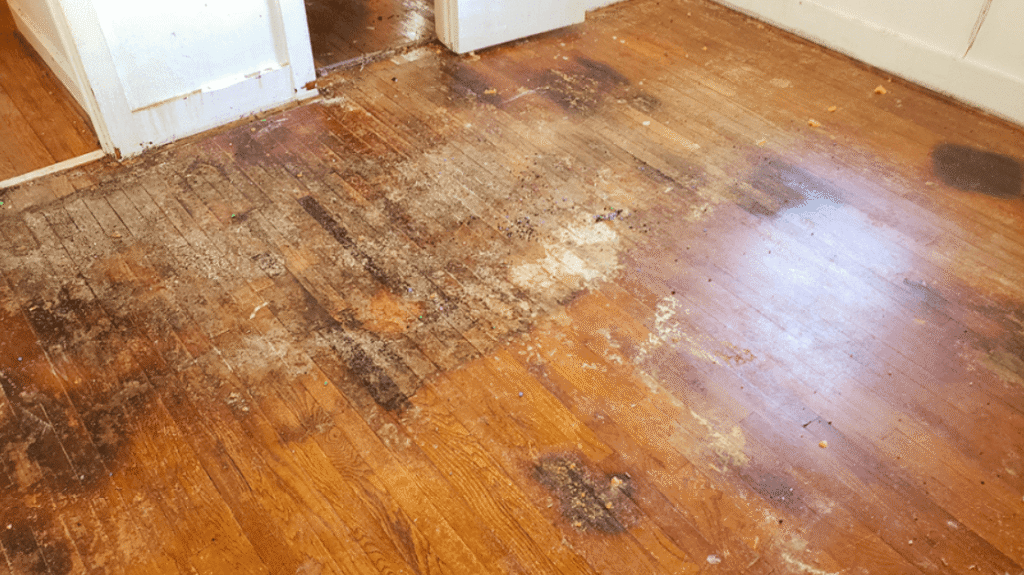
To understand why water is such a destructive force against hardwood, it helps to examine how wood behaves as a material. Even after being milled, stained, and installed, wood remains hygroscopic. This means it constantly absorbs and releases moisture from the surrounding environment to maintain equilibrium with air humidity and temperature.
Hardwood flooring is typically installed over a plywood or OSB subfloor, often resting on wooden joists or a concrete slab. When liquid water pools on top of hardwood, it follows gravity and capillary action, slipping between the tight seams of the planks. Once water penetrates the joints, it reaches the unfinished underside of the boards and the subflooring beneath. Because the top surface of the wood is often sealed with polyurethane while the bottom remains porous, moisture gets trapped inside the timber, triggering uneven swelling and internal stress.
The Science of Wood Movement: Cupping, Crowning, and Buckling
When wood absorbs excessive moisture, its cellular structure swells. Because hardwood planks are tightly installed side by side, they have nowhere to expand horizontally except into each other. This physical reality creates distinct distortion patterns that restoration professionals look for:
- 1. Wood Cupping: Cupping occurs when the bottom of a hardwood plank absorbs more moisture than the top surface. The edges of the board swell and rise higher than the center, creating a concave, trough-like appearance across the floorboards. Cupping is often the first sign of subfloor moisture and can frequently be reversed if dried promptly.
- 2. Wood Crowning: Crowning is the exact opposite of cupping, where the center of the plank becomes higher than the edges, creating a convex shape. Crowning typically happens when a cupped floor is sanded and refinished before the moisture trapped underneath has completely dried. As the bottom eventually dries and shrinks, the center remains high.
- 3. Wood Buckling: Buckling is the most severe form of hardwood water damage. In this scenario, the wood planks completely pull away from the subfloor, lifting upward in violent ridges or waves. Buckling happens when water saturation is so extreme and prolonged that the wood expands beyond its structural limits, destroying nails, adhesives, and subfloors.
Why Rapid Water Extraction is the Ultimate Lifesaver
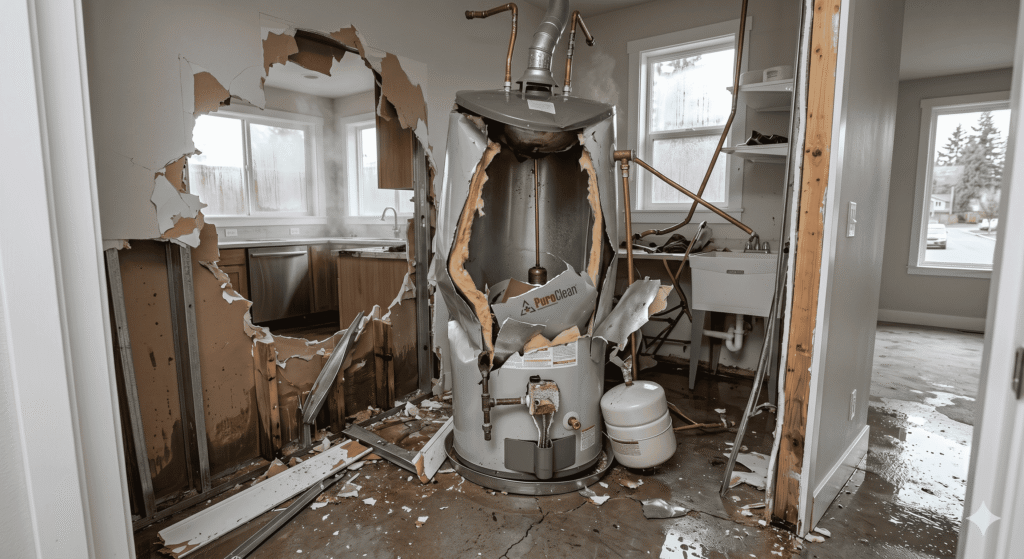
Time is the single most critical factor in determining whether your hardwood floors will survive a water emergency. When standing water is removed within the first few hours, the moisture has little time to penetrate deep into the cellular matrix of the wood or the subfloor. Here is why rapid water extraction changes everything:
- Halting Capillary Action: Water travels quickly through microscopic pores and gaps via capillary action. Immediate extraction removes the liquid source before it can migrate into subflooring and wall cavities.
- Preventing Permanent Cell Damage: If wood is saturated for too long, its cell walls rupture permanently, destroying the structural integrity of the timber and eliminating its ability to flatten out during drying.
- Stopping Mold and Bacterial Growth: In Gwinnett County’s warm, humid climate, mold spores germinate on damp organic materials within 24 to 48 hours. Quick extraction deprives mold of the moisture it needs to colonize your flooring.
- Eliminating Costly Demolition: Prompt professional extraction and specialized drying often save existing hardwood, sparing homeowners thousands of dollars in demolition and replacement costs.
Hardwood Water Damage Timeline and Recovery Potential
The following timeline illustrates how quickly water damage escalates and highlights why fast professional intervention is vital:
| Elapsed Time Since Water Loss | Condition of Hardwood & Subfloor | Restoration Potential | Recommended Action |
| 0 to 6 Hours (Immediate Response) | Water is pooling on surface; minor seepage in joints; subfloor is mostly dry. | Excellent (95% to 100% recovery potential with surface extraction). | Call PuroClean immediately; extract standing water; set up air movers. |
| 6 to 24 Hours (Early Stage) | Planks begin absorbing moisture; slight joint expansion; initial cupping may start. | Very Good (High recovery potential with commercial drying systems). | Deploy specialized hardwood drying mats; monitor pinless moisture meters. |
| 24 to 48 Hours (Critical Window) | Moderate to severe cupping; subflooring is fully saturated; mold spores begin germinating. | Moderate (Salvageable with aggressive drying, but sanding/refinishing may be needed). | Continuous LGR dehumidification; antimicrobial treatment; subfloor assessment. |
| 48+ Hours (Advanced Damage) | Severe buckling, adhesive failure, wood rot, delamination, and heavy mold growth. | Low to None (Hardwood and subfloor typically require complete replacement). | Demolition of ruined flooring; structural sanitization; full reconstruction. |
Professional Hardwood Drying: Beyond Household Fans and Mops
Many homeowners believe that pointing a few household box fans at wet hardwood floors will solve the problem. Unfortunately, standard fans only move surface air and cannot extract moisture trapped inside wood fibers or underlying subfloors. Professional hardwood drying requires specialized equipment and scientific calibration:
- Specialized Hardwood Drying Mats: Professional restoration teams use engineered drying mats that attach directly to the surface of cupped hardwood floors. A powerful negative air machine pulls dry air down through the flooring system, forcing trapped moisture out from beneath the boards rapidly.
- Commercial LGR Dehumidifiers: Low Grain Refrigerant dehumidifiers pull hundreds of pints of moisture out of the indoor air daily, maintaining the low relative humidity required to draw moisture safely out of timber.
- Pinless Digital Moisture Meters: Technicians use advanced non-invasive meters to take precise moisture readings across various zones of the floor, tracking daily progress until wood moisture content returns to pre-loss equilibrium standards.
- Thermal Imaging Infrared Cameras: Infrared cameras detect hidden moisture pockets running along subfloor joists and wall plates, ensuring no damp areas are overlooked during the mitigation process.
Navigating Insurance Coverage for Hardwood Water Damage
Filing an insurance claim for water-damaged hardwood floors can feel overwhelming. Standard homeowners insurance policies generally cover sudden and accidental water losses, such as a burst supply line, washing machine hose failure, or sudden plumbing leak. However, policies typically exclude damage resulting from long-term neglect, chronic leaks, or surface humidity.
At PuroClean of Snellville & Lawrenceville, we work directly with your insurance carrier to streamline the claims process. We provide comprehensive documentation, including detailed moisture logs, thermal images, and itemized Xactimate estimates, giving your insurance adjuster undeniable proof of loss and ensuring your hardwood restoration is fully supported.
Frequently Asked Questions (FAQ)
Q: Can cupped hardwood floors flatten out on their own?
Sometimes minor cupping will recede naturally once the relative humidity and moisture content return to normal levels. However, waiting without professional intervention is risky. If moisture remains trapped beneath the floorboards, permanent wood distortion, mold growth, and subfloor rot will occur. Professional drying accelerates and ensures complete flattening.
Q: Will my hardwood floors need to be sanded and refinished after water damage?
If the hardwood experienced moderate cupping and was dried promptly using professional equipment, sanding and refinishing can often restore the floor to a pristine finish once the wood has fully stabilized and acclimated. However, if planks suffered severe buckling or cracking, board replacement is necessary.
Q: How long does it take to dry hardwood floors professionally?
The professional structural drying process for hardwood floors typically takes between 3 to 7 days, depending on the extent of saturation, the wood species, and the thickness of the subflooring. Continuous monitoring with moisture meters dictates when the drying phase is successfully completed.
Q: Why should I choose PuroClean of Snellville & Lawrenceville?
Our local team combines advanced IICRC certifications, specialized hardwood drying mat systems, state-of-the-art thermal imaging, and direct insurance billing. We provide rapid 24/7 emergency response across Gwinnett County to save your floors before permanent damage sets in.
Water Damaged Hardwood Floors in Gwinnett County?
Time is running out for your hardwood floors. Contact the certified water extraction and structural drying experts at PuroClean of Snellville & Lawrenceville immediately for rapid 24/7 emergency response.
24/7 Water Emergency Hotline: (770) 810-5499
Serving Lawrenceville, Snellville, Grayson, Dacula, Suwanee & All of Gwinnett County
Rapid Water Extraction • Hardwood Drying Mats • Thermal Moisture Mapping • Direct Insurance Billing