


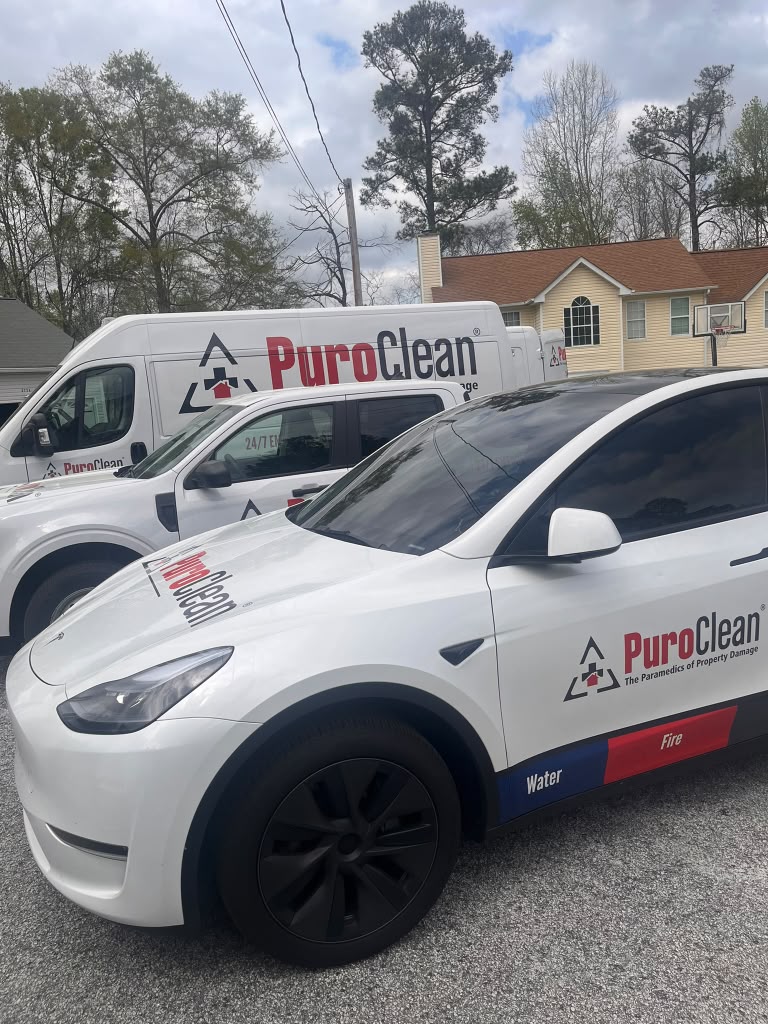
When a pipe bursts in the middle of the night, raw sewage backs up into your basement, or a kitchen fire leaves behind heavy smoke damage, panic sets in quickly. Property disasters in Snellville and Lawrenceville demand urgent action to limit structural loss and health risks. However, in the high-stress hours following a disaster, choosing the wrong restoration company can turn a manageable emergency into a prolonged financial and emotional nightmare.
Not all restoration companies are created equal. The disaster restoration industry includes everything from highly trained, credentialed firms to uncertified handymen and transient out-of-town operators seeking quick payouts after severe storms. Knowing how to evaluate local contractors, verify industry credentials, and recognize warning signs ensures that your home or business is restored safely, efficiently, and to recognized industry standards.
1. Look for Essential Industry Credentials: IICRC Certification
The single most critical credential to look for when choosing a property restoration contractor is certification from the Institute of Inspection, Cleaning and Restoration Certification, universally known as the IICRC. The IICRC is the non-profit certification and standard-setting body for the inspection, cleaning, and restoration industries.
Why IICRC Certification Matters: Restoration is an applied science governed by detailed physical laws of psychrometry, thermodynamics, and microbiology. IICRC-certified firms do not guess; they follow rigorously tested, standardized protocols such as the IICRC S500 for Professional Water Damage Restoration and the IICRC S520 for Professional Mold Remediation.
Certified technicians undergo rigorous coursework, hands-on training, and continuing education. They understand how moisture migrates through different structural building materials, how to properly calculate dehumidification capacity, and how to safely decontaminate biohazards and toxic mold.
2. Verify 24/7 Emergency Availability and Local Response Time
Property damage is progressive, meaning it escalates exponentially as time passes. Water spreads across subflooring within minutes, wood warps within hours, and toxic mold spores begin germinating within 24 to 48 hours. When dealing with fire, acidic soot begins permanently etching glass and pitting metal fixtures within hours of ignition.
The Difference Between Certified Mitigation and General Remodeling
Many property owners wonder whether they can simply hire a local general contractor or handyman to repair water, fire, or mold damage. While general contractors excel at residential remodeling, new construction, and carpentry, disaster restoration requires specialized science, containment equipment, and biohazard protocols that standard remodeling licenses do not cover.
Psychrometry and Moisture Physics: A general builder might replace wet drywall and install fresh carpet over a wet subfloor without realizing that moisture remains trapped deep inside floor joists and wall cavities. Over time, trapped moisture rots structural framing and fuels toxic mold colonies behind newly painted drywall. IICRC-certified restoration specialists utilize psychrometric charts, relative humidity monitoring, and moisture meters to verify complete structural dryness before any rebuilding begins.
Biohazard and Contamination Containment: Replacing kitchen cabinets damaged by raw sewage or mold requires engineering controls like negative air pressure zones, zipped containment barriers, and personal protective equipment. Uncertified repairs risk spreading airborne bacteria and mold spores throughout unimpacted living spaces.
True 24/7 Response vs. Next-Day Callbacks: A reputable restoration firm must operate a genuine 24/7 emergency response service. When you call, you should speak with a live dispatcher or local team member who can immediately deploy a crew, rather than receiving an automated voicemail message promising a callback the next business day.
Local Physical Presence in Gwinnett County: Choose a company with a established physical shop or facility in Snellville, Lawrenceville, or nearby Gwinnett County communities. Local proximity ensures rapid arrival times, usually within 60 to 90 minutes. Companies traveling from hours away cannot offer the immediate mitigation required to prevent catastrophic secondary damage.
3. Ensure Seamless Insurance Coordination and Industry Software Standard
Navigating property insurance claims after water, fire, or mold damage can feel overwhelming. A qualified restoration contractor acts as a vital bridge between property owners and insurance claims adjusters.
Xactimate Pricing Consistency: Ask if the company utilizes Xactimate, the industry-standard estimating software recognized by almost all major home insurance carriers across Georgia. Xactimate uses localized, pre-calculated unit pricing for labor, equipment, and materials in Gwinnett County. Using standardized estimating software prevents pricing disputes between your restoration contractor and insurance company.
Comprehensive Moisture and Damage Documentation: Insurance carriers demand thorough evidence before approving claims. Professional restoration teams document initial damage using thermal imaging cameras, moisture mapping meters, daily drying logs, and extensive photo inventories. This detailed documentation ensures your claim is processed quickly and fairly.
4. Demand Full End-to-End Services: Mitigation Through Reconstruction
Restoration projects occur in two distinct phases:
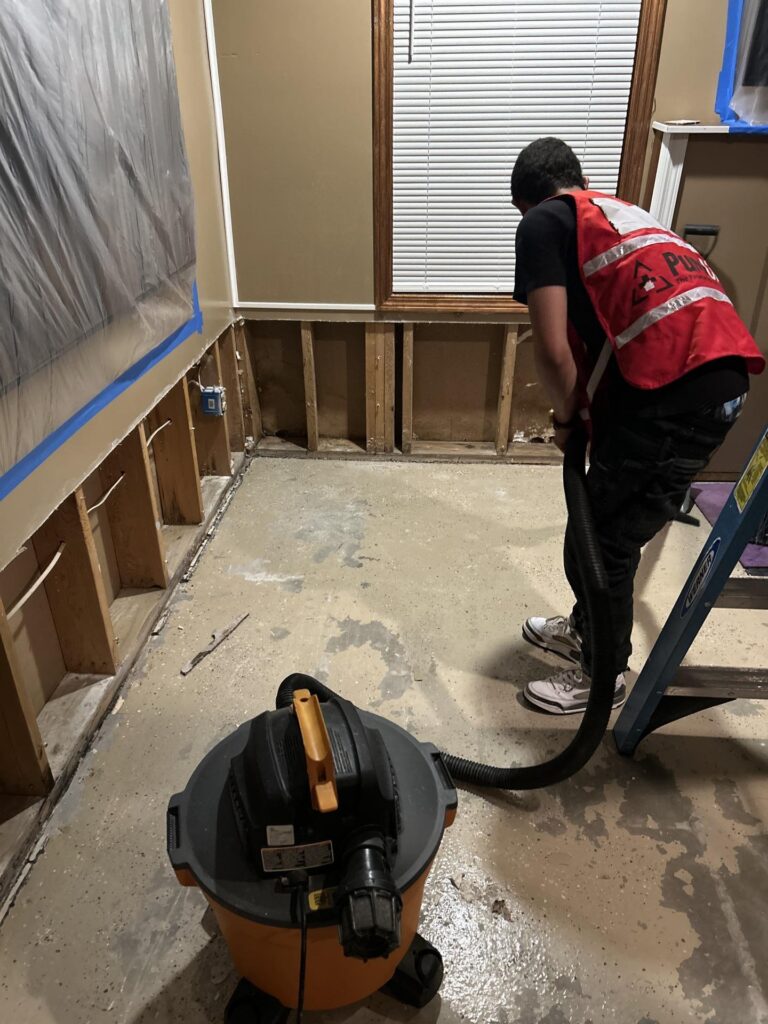
Phase 1: Emergency Mitigation and Decontamination. This phase includes emergency water extraction, demolition of non-salvageable materials, structural drying, soot removal, and mold containment.
Phase 2: Repair and Reconstruction. This phase involves installing new drywall, painting, flooring replacement, electrical repairs, and cabinet installation.
Hiring a full-service restoration contractor that handles both mitigation and reconstruction in-house offers major advantages. It eliminates the hassle of coordinating multiple independent subcontractors, prevents delays between cleanup and rebuilding, and avoids finger-pointing when issues arise.
5. Inspect Equipment, Technology, and Safety Protocols
Proper property restoration cannot be performed using household mops, box fans, or retail shop vacuums. Top-tier restoration contractors invest heavily in commercial-grade technology:
Thermal Imaging Infrared Cameras: Used to detect hidden moisture pockets trapping water inside insulated walls, beneath hardwood floors, and behind shower tile without destructive wall cutting.
High-Velocity Air Movers and LGR Dehumidifiers: Low Grain Refrigerant dehumidifiers pull hundreds of pints of water vapor out of structural air daily, creating high-vapor-pressure environments that accelerate deep structural drying.
HEPA Air Scrubbers and Hydroxyl Generators: Used during fire, smoke, and mold remediation to capture airborne spores, particulate soot, and VOC toxins while neutralizing pungent odors.
6. Red Flags to Avoid When Hiring a Restoration Contractor
Protect your home and finances by watching out for these common warning signs:
Transient Storm Chasers: Following severe hail storms or tropical downpours in North Georgia, uncertified contractors often travel in from out of state. They collect large cash deposits, perform substandard work, and disappear before warranties can be honored. Always verify a physical local street address.
Demands for Full Upfront Cash Payments: Reputable restoration companies work directly with insurance companies or offer structured billing. Be extremely cautious of any contractor demanding large cash advances upfront before bringing equipment on-site.
Lack of Proof of Insurance: Always verify that the restoration company carries comprehensive general liability insurance, workers compensation coverage, and specialized pollution liability insurance.
Vague or Oral Estimates: Never permit a contractor to tear apart your home without a written scope of work detailing planned mitigation, safety containment measures, and estimated completion schedules.
10 Crucial Questions to Ask Before Signing a Contract
Before hiring a restoration company in Snellville or Lawrenceville, ask these ten direct questions:
1. Is your company IICRC certified, and will IICRC-trained technicians supervise my project?
2. What is your average emergency arrival time to Snellville or Lawrenceville?
3. Are you licensed, fully insured, and covered by pollution liability insurance?
4. Do you work directly with my insurance carrier and use Xactimate for pricing?
5. Do you handle both initial emergency mitigation and complete structural reconstruction?
6. How do you detect and verify hidden moisture behind walls and subfloors?
7. What specific containment and HEPA filtration precautions will you take to prevent cross-contamination?
8. Can you provide written local references or verifiable customer reviews from Gwinnett County?
9. Will I receive detailed daily drying logs and photo documentation for my insurance claim?
10. Do you provide a written warranty on your restoration and reconstruction workmanship?
Frequently Asked Questions (FAQ)
Q1: Am I required to use the restoration company recommended by my insurance company?
Answer: No. As a property owner in Georgia, you have the absolute legal right to choose any certified restoration company you trust. While insurance preferred vendors can be convenient, hiring an independent local firm ensures your contractor works exclusively in your best interest.
Q2: How quickly should a restoration crew arrive during an emergency?
Answer: In Snellville and Lawrenceville, a reputable restoration company should have a fully equipped emergency crew on-site within 60 to 90 minutes of your initial call.
Q3: What certifications should I look for in mold remediation?
Answer: Look for technicians holding the IICRC Applied Microbial Remediation Technician designation. This certification ensures technicians understand containment engineering, HEPA negative air pressure setup, and biohazard sanitization.
Q4: Will a certified restoration company help me file my insurance claim?
Answer: Yes. Professional restoration companies assist you by documenting all physical damage, taking moisture readings, creating itemized Xactimate scopes, and communicating directly with your insurance claims adjuster.
Q5: Why is hiring a local company better than an out-of-town contractor?
Answer: Local Gwinnett County restoration companies understand regional building styles, local municipal codes, and Georgia climate dynamics. Furthermore, local companies are invested in their community and remain available to honor warranties long after work is completed.
Call to Action: Contact PuroClean of Snellville & Lawrenceville
| Your Trusted, IICRC-Certified Local Restoration Partner When property disaster strikes your home or business in Snellville, Lawrenceville, Grayson, or Gwinnett County, trust the certified professionals who put your family first. We deliver fast emergency response, advanced technology, and seamless insurance handling. PuroClean of Snellville & Lawrenceville Operated by: Jiselle Severe Phone: (770) 810-5499 Address: 478 Northdale Rd., Suite 201, Lawrenceville, GA 30046 Services: 24/7 Water Damage Restoration, Fire & Smoke Damage Cleanup, Mold Remediation, Biohazard Decontamination, Reconstruction, and Direct Insurance Claims Billing. |