



Have you ever walked into your home, basement, crawl space, or guest bedroom in Snellville or Lawrenceville and immediately noticed a stale, earthy, or damp smell? Many homeowners initially dismiss a musty odor as a minor nuisance something that can be hidden with scented candles, plug-in air fresheners, or an open window. However, in indoor environmental science, a persistent musty smell is rarely harmless.
In Gwinnett County, where high summer humidity, frequent rainfall, and humid crawl spaces create ideal conditions for moisture accumulation, a musty odor is often the very first indicator of active microbial growth, hidden water leaks, or compromised indoor air quality. Ignoring this scent allows underlying moisture issues and mold colonies to expand silently behind drywall, under flooring, and inside HVAC ductwork.
At PuroClean of Lawrenceville, we specialize in identifying, containing, and remediating property damage caused by hidden moisture and mold. This guide breaks down the science behind musty smells, the associated health and structural risks, and exact indicators telling you when it is time to seek professional intervention.
The Science of the Smell: What Are MVOCs?
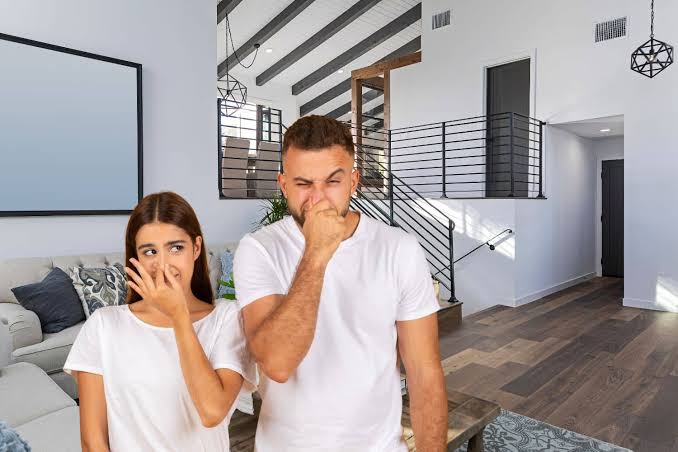
To understand whether a musty smell is dangerous, one must understand its origin. The distinctive damp, earthy scent associated with mold and mildew is not caused by airborne mold spores themselves. Instead, it is produced by chemical compounds called Microbial Volatile Organic Compounds (MVOCs).
As mold spores digest organic building materials, such as cellulose in drywall paper, wood framing, carpet backing, or insulation, they undergo metabolic processes. During these processes, mold fungi release gaseous waste products directly into the air. Because MVOCs have a low odor threshold, human noses can detect them even when mold growth is completely hidden from view behind walls, under cabinets, or in crawl spaces.
| MVOC Compound | Scent Profile / Characteristics | Typical Hidden Home Source |
| Geosmin & 1-Octen-3-ol | Strong earthy, damp soil, or wet cardboard smell. | Unvented crawl spaces, wet subfloors, and flooded basement drywall. |
| 2-Methylisoborneol (MIB) | Pungent, stale, mud-like odor. | HVAC drain pans, damp duct insulation, and leaking bathroom plumbing. |
| Dimethyl Disulfide & Alcohols | Sharp, sour, rotting, or chemical-like smell. | Sustained fungal growth beneath carpets, LVP flooring, and behind wall cavity insulation. |
Is a Musty Smell Dangerous? Health & Structural Risks
The short answer is: **Yes, a musty smell can be dangerous.** While the odor gas itself varies in concentration, its presence confirms an environment capable of producing harmful health effects and severe structural damage.
1. Respiratory & Health Symptoms
Inhaling MVOCs and mold spores on a daily basis can trigger significant health issues, especially in vulnerable individuals such as children, the elderly, asthmatics, and those with compromised immune systems:
- Allergic Reactions & Upper Respiratory Irritation: Constant sneezing, coughing, nasal congestion, watery eyes, and chronic sinus infections.
- Asthma Flare-Ups: Increased severity and frequency of asthma attacks in sensitive individuals.
- Neurological & Systemic Symptoms: Headaches, dizziness, difficulty concentrating, fatigue, and throat irritation caused by prolonged exposure to high MVOC concentrations.
2. Structural Degradation & Financial Loss
Mold requires three things to thrive: moisture, oxygen, and an organic food source. When moisture goes unchecked in a Snellville or Lawrenceville home, mold digestively breaks down structural components. Over time, active mold weakens subflooring, warps floor joists, rots drywall, and ruins wood cabinetry leading to thousands of dollars in structural repairs if left unaddressed.
Common Culprits Behind Musty Odors in Snellville & Lawrenceville Homes
Homes in North Atlanta face specific regional climate challenges that contribute to indoor moisture accumulation:
- Humid Crawl Spaces & Basements: Open crawl space vents draw in warm, humid Georgia air, which condenses on cooler floor joists and ductwork, encouraging heavy mold growth beneath living areas.
- HVAC System & Ductwork Issues: Clogged A/C condensate drain lines, dirty evaporator coils, and leaking ductwork distribute mold spores and musty odors throughout the entire house whenever the system runs.
- Hidden Plumbing Leaks: Pinhole leaks in supply lines, slowly dripping drain pipes inside wall cavities, or leaking toilet seals beneath tile floors frequently create hidden mold pockets.
- Roof & Window Flashing Leaks: Heavy thunderstorm downpours can seep through roof shingles or window framing, trapping water inside wall cavities without obvious surface staining.
When to Call PuroClean of Lawrenceville: 5 Clear Indicators
How do you know when a situation has passed the point of a quick DIY cleanup? You should contact a professional restoration contractor immediately if you notice any of the following:
- 1. The Odor Persists Despite Cleaning & Ventilation: If deep cleaning, running a dehumidifier, or opening windows does not eliminate the smell within 24 to 48 hours, the source is hidden deep within building materials.
- 2. You or Family Members Experience Unexplained Symptoms: If family members report headache, respiratory relief when leaving the home, or worsening allergy symptoms inside, indoor air quality is compromised.
- 3. Visible Mold Spans More Than 10 Square Feet: The EPA recommends professional remediation for mold infestations exceeding 10 square feet to ensure proper containment and prevent cross-contamination.
- 4. The Smell Follows a Recent Plumbing Leak or Water Intrusion: If your home experienced a roof leak, pipe burst, toilet overflow, or heavy rain intrusion within the last few weeks, a musty odor indicates incomplete drying.
- 5. High Indoor Humidity Levels (>60% Relative Humidity): Persistent mugginess inside the home creates an environment where mold can colonize on furniture, clothing, and walls.
The PuroClean Professional Remediation Advantage
Attempting to treat hidden mold with bleach or surface sprays often worsens the problem. Bleach is water-based; when applied to porous surfaces like drywall or wood, the chlorine evaporates off the surface while the water soaks in, fueling deeper mold root growth. PuroClean of Lawrenceville follows strict IICRC S520 guidelines for comprehensive mold remediation:
- Advanced Moisture Detection: We utilize thermal imaging infrared cameras and moisture meters to pinpoint exact hidden leak sources behind walls without destructive tearing.
- Negative Air Containment: We isolate affected work areas using heavy plastic containment barriers and negative air machines equipped with HEPA filtration to prevent mold spores from spreading into unaffected rooms.
- HEPA Vacuuming & Physical Removal: Microbial growth is physically removed, and non-salvageable porous materials are safely bagged and discarded according to environmental safety protocols.
- Botanical Antimicrobial Sanitization: Surfaces are treated with EPA-registered antimicrobial solutions to eliminate lingering micro-organisms.
- Air Scrubbing & Deodorization: Industrial HEPA air scrubbers and hydroxyl gas generators filter airborne spores and neutralize persistent MVOC odor molecules.
Frequently Asked Questions (FAQ)
Q: Can a musty smell in my house make me sick?
Yes. A musty smell indicates the presence of Microbial Volatile Organic Compounds (MVOCs) and active mold growth. Exposure can cause headaches, eye and throat irritation, coughing, sinus congestion, and severe asthma attacks in sensitive individuals.
Q: Will a dehumidifier get rid of a musty smell?
A dehumidifier reduces indoor humidity, which helps prevent new mold growth. However, a dehumidifier cannot kill established mold colonies or clean up existing MVOC contamination behind walls. Professional remediation is required to eliminate the root cause.
Q: Does homeowners insurance cover mold remediation for musty smells?
Coverage depends on the underlying cause. If the mold resulted from a sudden, accidental water discharge (like a burst pipe), homeowners insurance typically covers remediation. Mold caused by long-term neglected leaks or maintenance issues is usually excluded.
Q: Is bleach effective for killing mold on drywall or wood?
No. Bleach is not EPA-registered to kill mold on porous surfaces. While it may remove surface discoloration temporarily, its high water content soaks into wood and drywall, feeding deeper fungal roots beneath the surface.
Q: How fast can PuroClean of Lawrenceville inspect my property?
PuroClean of Lawrenceville offers rapid emergency response services across Snellville, Lawrenceville, Grayson, and Gwinnett County. We can evaluate your property and conduct moisture inspections within 24 to 48 hours.
| Breathe Easy Again with PuroClean of Lawrenceville Don’t ignore a persistent musty odor in your home. Protect your family’s health and your property’s value with professional moisture detection and mold remediation. The Paramedics of Property Damage® are ready to help 24/7 throughout Snellville and Lawrenceville. Call PuroClean of Lawrenceville Today at (770) 810-5499 Visit: 478 Northdale Rd., Suite 201, Lawrenceville, GA 30046 Professional Mold Remediation, Water Damage Restoration, Fire & Biohazard Cleanup |