


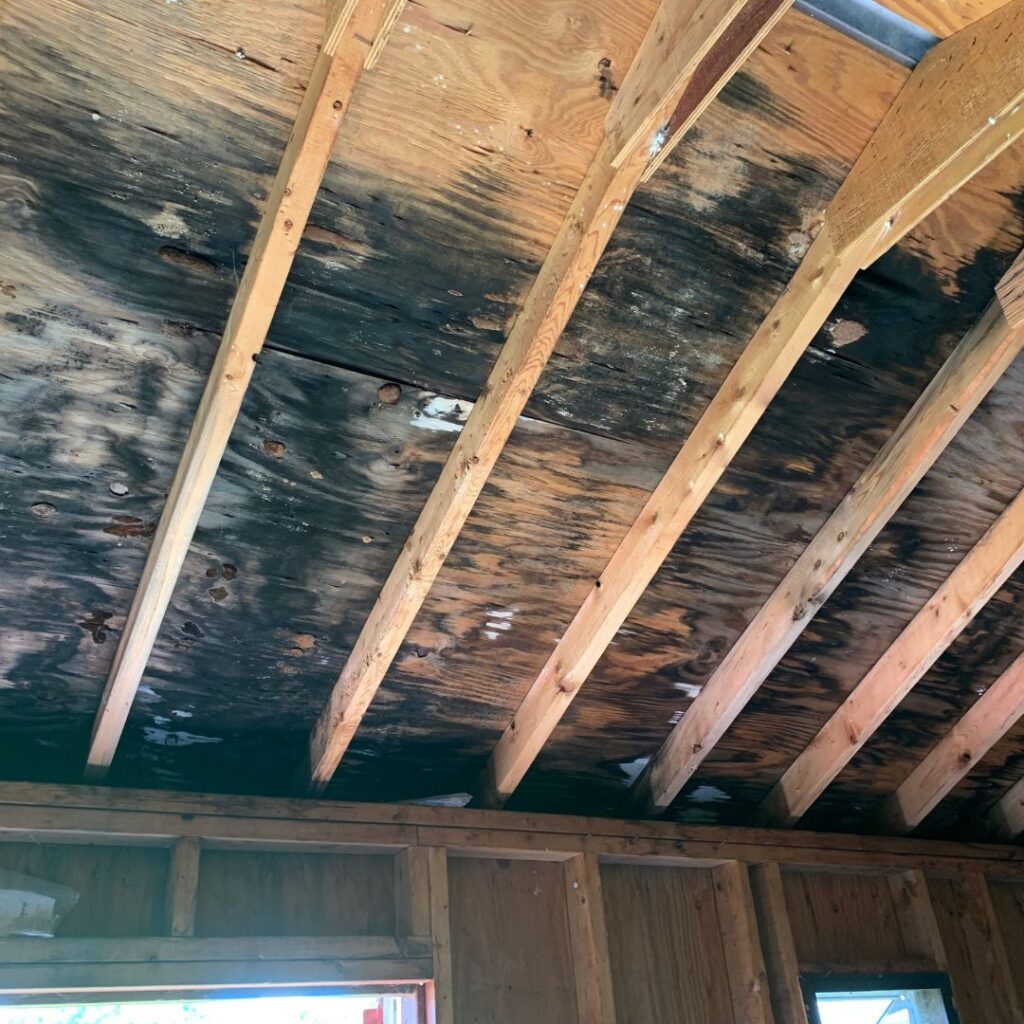
Mold in the home is unsettling—and when homeowners spot it, the first instinct is often to grab household cleaners and handle the problem themselves. While DIY mold cleanup may seem like a quick, cost-saving fix, it can expose you to serious health risks, especially from chemical fumes and airborne mold spores.
What many people don’t realize is that DIY mold removal often involves harsh chemicals used without proper protection or ventilation. Combined with disturbed mold spores, this creates a dangerous environment that can lead to chemical exposure symptoms, respiratory issues, and long-term health complications.
Table of Contents
In this guide, we’ll explain why DIY mold cleanup is risky, the chemicals most commonly involved, the warning signs of chemical exposure, and when it’s critical to stop and call a professional mold remediation company.
Why DIY Mold Cleanup Is More Dangerous Than It Looks
Mold remediation isn’t just about wiping away visible growth. Mold spreads through microscopic spores that become airborne when disturbed. DIY cleanup often makes the problem worse by:
- Releasing mold spores into the air
- Spreading contamination to other rooms
- Exposing occupants to toxic chemical fumes
- Failing to address the underlying moisture source
Without professional containment, personal protective equipment (PPE), and proper ventilation, homeowners face double exposure—from both mold and the chemicals used to clean it.
Common Chemicals Used in DIY Mold Cleanup
Bleach and Ammonia-Based Cleaners
Bleach is one of the most commonly used DIY mold cleaners, but it poses significant risks:
- Produces toxic fumes, especially in enclosed areas
- Can form chlorine gas if mixed with ammonia or other cleaners
- Ineffective on porous materials like drywall and wood
Hydrogen Peroxide and Industrial Cleaners
Often perceived as safer alternatives, these can still cause:
- Skin burns and eye irritation
- Respiratory distress when inhaled
- Worsening symptoms in poorly ventilated spaces
“Natural” Remedies (Vinegar, Borax, Baking Soda)
While marketed as safer, these solutions:
- Often fail to remove mold at the root
- May allow regrowth behind walls or under surfaces
- Create a false sense of safety that delays proper remediation
Chemical Exposure Symptoms You Should Never Ignore
Respiratory Symptoms
- Persistent coughing or wheezing
- Chest tightness or shortness of breath
- Burning sensation in the throat or lungs
Skin and Eye Reactions
- Redness, itching, or rashes
- Chemical burns or blistering
- Watery, stinging, or bloodshot eyes
Neurological and Systemic Symptoms
- Headaches or migraines
- Dizziness or lightheadedness
- Nausea or fatigue
Delayed Symptoms
Some chemical exposure symptoms appear hours or even days later, especially in:
- Children
- Elderly individuals
- People with asthma, allergies, or weakened immune systems
If symptoms worsen or persist after mold cleanup, it’s a strong sign that exposure levels were unsafe.
The Compounded Risk: Mold Spores + Chemical Fumes
DIY mold cleanup doesn’t just expose you to chemicals—it also aerosolizes mold spores. When chemicals are sprayed or scrubbed:
- Mold spores become airborne
- Inhalation risk increases
- Contamination spreads through HVAC systems and living spaces
This combination significantly raises the risk of respiratory illness and allergic reactions, even for otherwise healthy individuals.
Why DIY Mold Cleanup Often Makes the Problem Worse
Many homeowners unknowingly escalate mold issues by:
- Cleaning only visible mold while hidden colonies remain
- Spreading spores to clean areas
- Ignoring moisture sources like leaks or humidity
- Masking the problem temporarily instead of eliminating it
What starts as a small DIY job can quickly turn into widespread mold contamination requiring extensive professional remediation.
When DIY Mold Cleanup Becomes a Health Emergency
Stop immediately and seek professional help if:
- Strong chemical odors linger after cleanup
- You experience dizziness, breathing problems, or nausea
- Mold covers more than 10 square feet
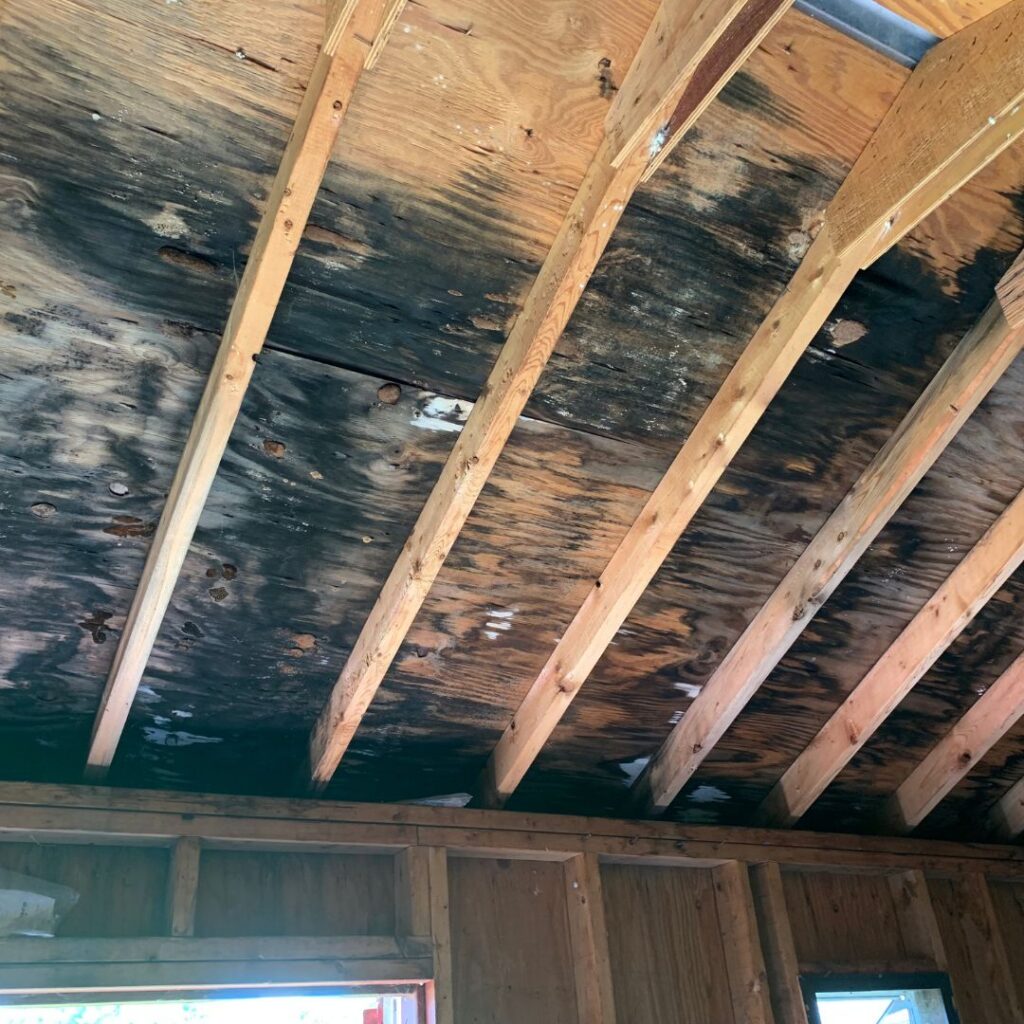
- Mold is visible in walls, ceilings, or HVAC systems
At this point, continuing DIY efforts can seriously jeopardize your health.
How Professional Mold Remediation Protects Your Health
Professional mold remediation focuses on safety first:
- Containment systems prevent spore spread
- Negative air pressure keeps contaminants isolated
- EPA-approved products are used correctly
- Technicians wear full PPE
- Moisture sources are identified and corrected
This process eliminates mold without exposing occupants to unnecessary health risks.
DIY Mold Cleanup vs Professional Mold Remediation
| DIY Mold Cleanup | Professional Mold Remediation |
|---|---|
| Household chemicals | Controlled, approved treatments |
| No containment | Full containment & air filtration |
| High exposure risk | Health-focused safety protocols |
| Temporary results | Long-term mold prevention |
Preventing Mold Without Chemical Exposure
Homeowners can reduce mold risk by:
- Fixing leaks immediately
- Using dehumidifiers in moisture-prone areas
- Ensuring proper ventilation in bathrooms and kitchens
- Scheduling professional inspections after water damage
Prevention minimizes both mold growth and the need for harsh chemicals.
DIY mold cleanup may seem like a quick and cost-effective solution, but it often exposes homeowners to hazardous chemical fumes and high concentrations of airborne mold spores. When mold is scrubbed or sprayed without proper containment, spores become airborne and spread throughout the home, contaminating walls, furniture, HVAC systems, and even unaffected rooms. At the same time, commonly used cleaners—such as bleach, ammonia-based products, or industrial disinfectants—can release toxic vapors that irritate the lungs, eyes, and skin, especially in enclosed spaces with poor ventilation.
These combined exposures can trigger respiratory distress, headaches, dizziness, allergic reactions, and delayed health symptoms, particularly in children, older adults, and individuals with asthma or compromised immune systems. Even worse, DIY methods rarely address the underlying moisture source, allowing mold to return and spread further—often more aggressively than before.
If you’ve attempted mold cleanup and are now experiencing symptoms, or if mold continues to reappear despite repeated cleaning, the safest and most effective solution is professional mold remediation. Certified professionals use proper containment, air filtration, and industry-approved methods to remove mold at its source while protecting your health and preventing future growth.