


Mold is more than just an unsightly problem in your home. For many homeowners in Lawrenceville, GA, hidden mold growth can lead to serious health issues. While small patches of mold on walls or ceilings may not seem threatening, prolonged exposure to mold spores can trigger what many refer to as mold poisoning. Recognizing the signs of mold poisoning early can protect your health and prevent costly damage to your home.
In this blog, we’ll cover the common symptoms, how mold affects your health, and what to do if you suspect mold exposure in your Lawrenceville property.
Table of Contents
What Is Mold Poisoning?
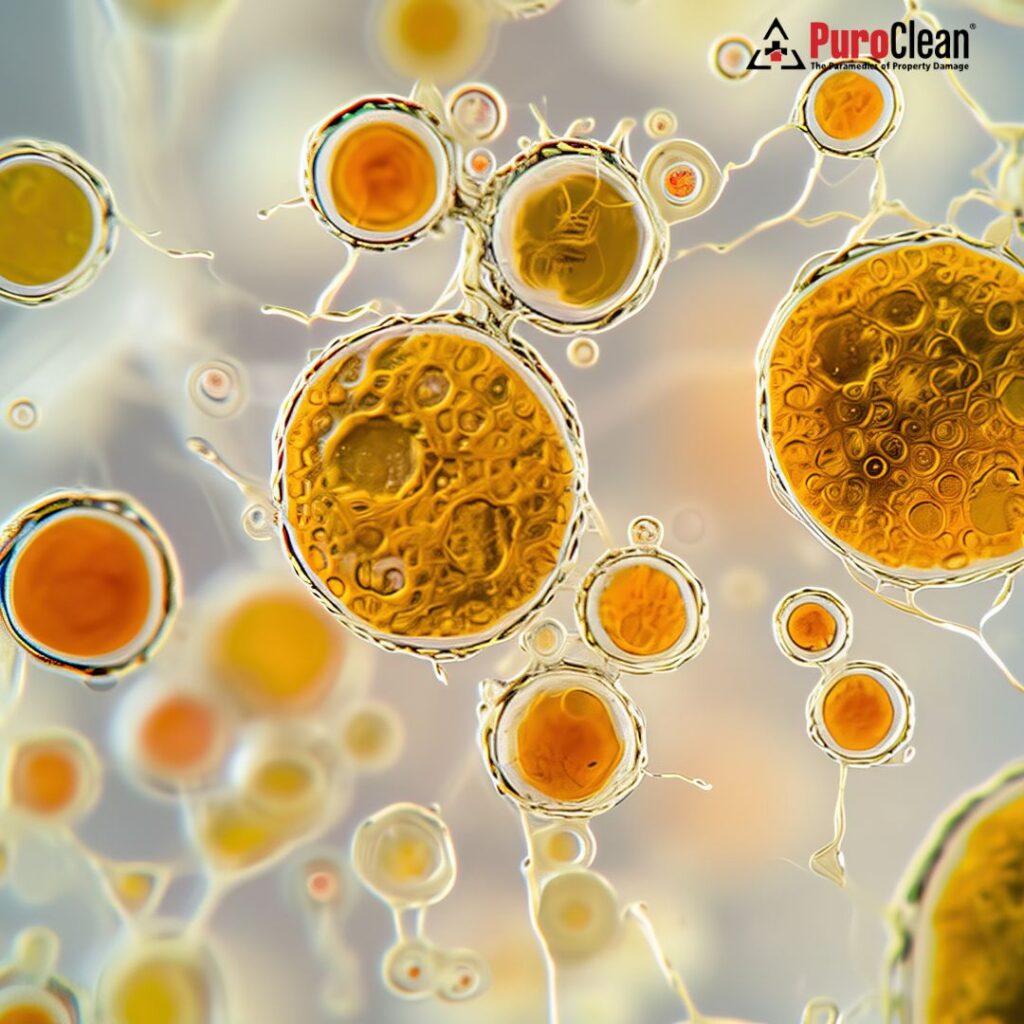
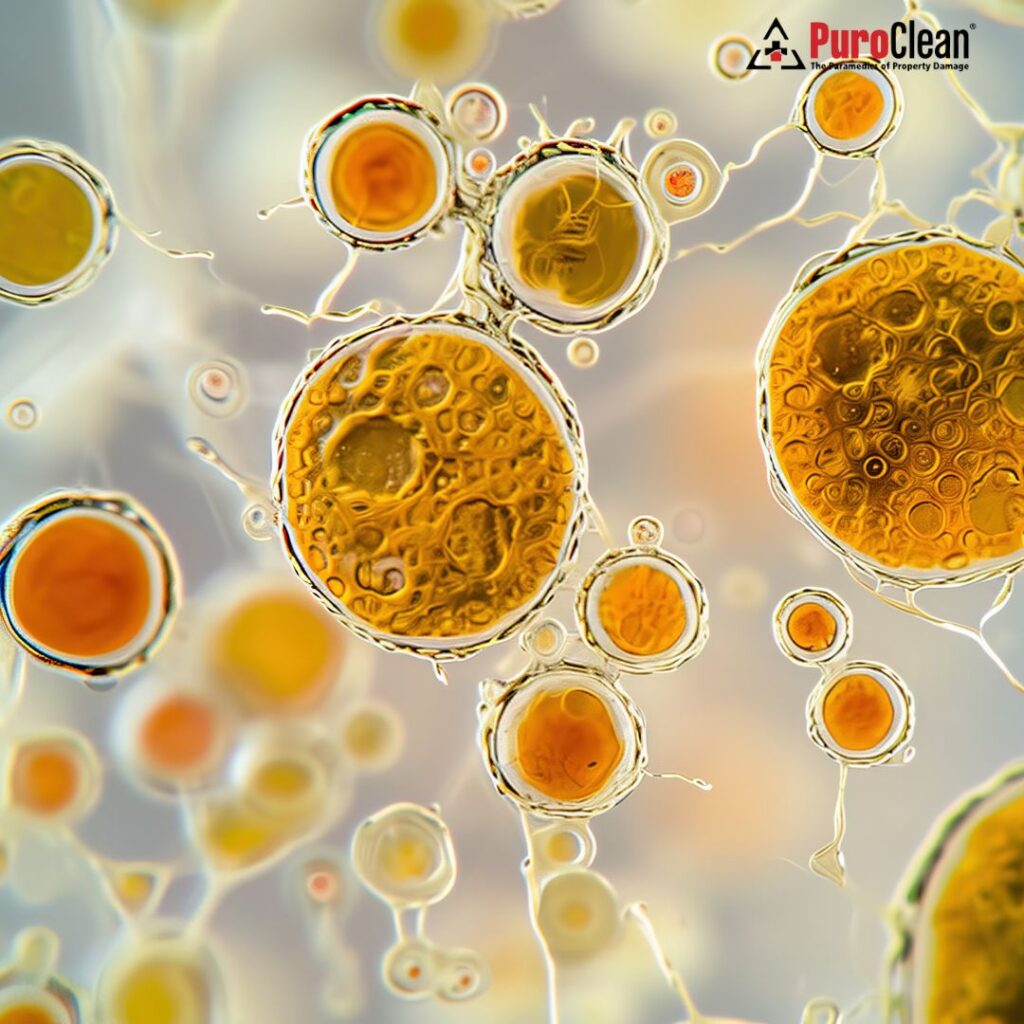
Mold poisoning, also called toxic mold exposure, occurs when individuals breathe in or come into contact with mold spores over time. Certain types of mold—especially black mold (Stachybotrys chartarum)—produce mycotoxins that can harm human health.
While not everyone reacts the same way, people with allergies, asthma, or weakened immune systems are more vulnerable to mold-related health problems. Since mold thrives in humid environments, basements, bathrooms, crawl spaces, and homes with water damage in Lawrenceville’s humid climate are at higher risk.
Common Signs of Mold Poisoning
Here are the most frequently reported signs of mold exposure:
1. Respiratory Issues
One of the earliest symptoms of mold poisoning is difficulty breathing. Signs include:
- Persistent coughing or wheezing
- Shortness of breath
- Chest tightness
- Worsening asthma symptoms
If you notice these symptoms improving when you leave your home and returning when you’re inside, mold may be the culprit.
2. Allergic Reactions
Mold spores act as allergens for many people. Signs include:
- Sneezing and runny nose
- Red, itchy, or watery eyes
- Skin rashes or hives
- Sore throat or postnasal drip
These symptoms often mimic seasonal allergies but persist year-round.
3. Chronic Fatigue and Headaches
Long-term exposure to mold can cause constant tiredness, difficulty concentrating, and recurring headaches. Some people describe it as “brain fog.”
4. Neurological Symptoms
In more severe cases, toxic mold exposure may affect the nervous system. Reported symptoms include:
- Dizziness or vertigo
- Memory loss
- Mood swings or depression
- Numbness or tingling in extremities
5. Digestive Issues
Less commonly, mold poisoning may trigger stomach problems such as:
- Nausea
- Diarrhea
- Abdominal pain
These are typically linked to ingesting mold-contaminated food but can also occur with heavy mold exposure indoors.
Mold Poisoning in Children and Pets
Children, infants, and pets are particularly sensitive to mold exposure. Signs in kids may include chronic ear infections, delayed growth, or respiratory issues. Pets can also develop persistent coughing, wheezing, or unusual fatigue if exposed to mold spores.
Why Mold Grows in Lawrenceville Homes
Due to Lawrenceville’s humid subtropical climate, homes are more vulnerable to mold growth. Common causes include:
- Basement flooding from storms or plumbing leaks
- Roof leaks allowing moisture into attics and walls
- High indoor humidity without proper ventilation
- Poorly sealed crawl spaces that trap damp air
If left untreated, mold spreads quickly and can damage drywall, flooring, insulation, and HVAC systems—making removal more difficult and expensive.
How to Tell If Mold Is Making You Sick
Since mold poisoning symptoms mimic other health conditions, it can be difficult to pinpoint the cause. However, these clues can help:
- Symptoms improve when away from home (vacation, work, outdoors)
- Visible mold patches or a musty smell inside the home
- History of water damage, leaks, or flooding in your property
- Multiple family members or pets experiencing similar health issues
If you suspect mold is affecting your health, consult a healthcare provider and schedule a professional mold inspection in Lawrenceville.
What To Do If You Suspect Mold Poisoning
If you think mold is making you or your family sick:
- Seek medical attention for proper diagnosis.
- Schedule professional mold testing to identify hidden contamination.
- Avoid DIY removal of large mold infestations—it can release more spores into the air.
- Call a certified mold remediation company in Lawrenceville to safely remove the source of contamination.
Professional Mold Remediation in Lawrenceville, GA
At PuroClean of Lawrenceville, we specialize in identifying, containing, and eliminating mold. Our certified team uses advanced equipment such as HEPA air scrubbers, dehumidifiers, and moisture meters to restore a safe environment in your home or business.
Our process includes:
- Comprehensive inspection and testing
- Containment to prevent mold spread
- Safe removal of contaminated materials
- Treatment of affected areas with antimicrobial solutions
- Moisture control to prevent future mold growth
Protect Your Home and Health
Ignoring mold problems can worsen health symptoms and cause costly property damage. If you’ve noticed signs of mold poisoning in Lawrenceville, GA, don’t wait until the damage spreads.
👉 Call PuroClean of Lawrenceville today for 24/7 mold inspection, removal, and property restoration services. Protect your family’s health and restore your home with the local experts you can trust.