


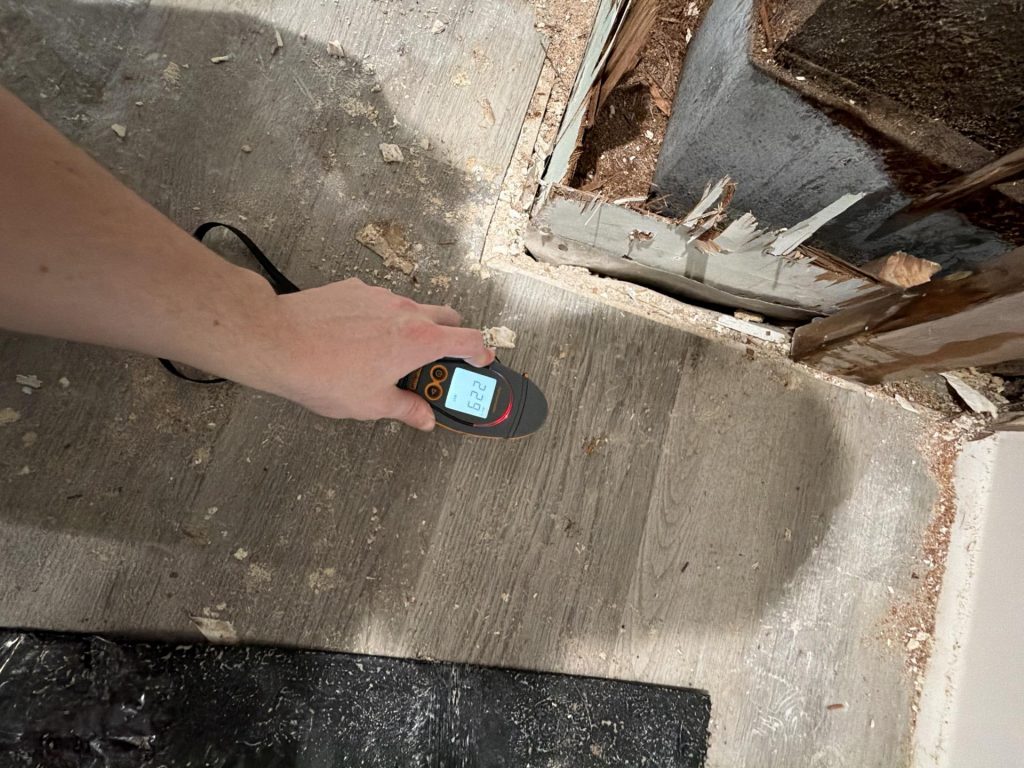
Water damage in apartment buildings is rarely caused by one dramatic event. Instead, it’s usually the result of small, unnoticed issues that compound over time: a clogged gutter, soil grading that has shifted, a downspout dumping water too close to the foundation, or tree roots slowly intruding into underground pipes.
By the time a ceiling stain appears or a tenant complains about a musty odor, the damage may already have spread to multiple units, leading to costly restoration and dissatisfied tenants. The good news? Most of these issues are preventable with a simple, repeatable maintenance and inspection system.
In this article, we’ll walk property managers in Lawrenceville through a detailed, step-by-step checklist to prevent water damage in apartment buildings, protect assets, and keep tenants happy.
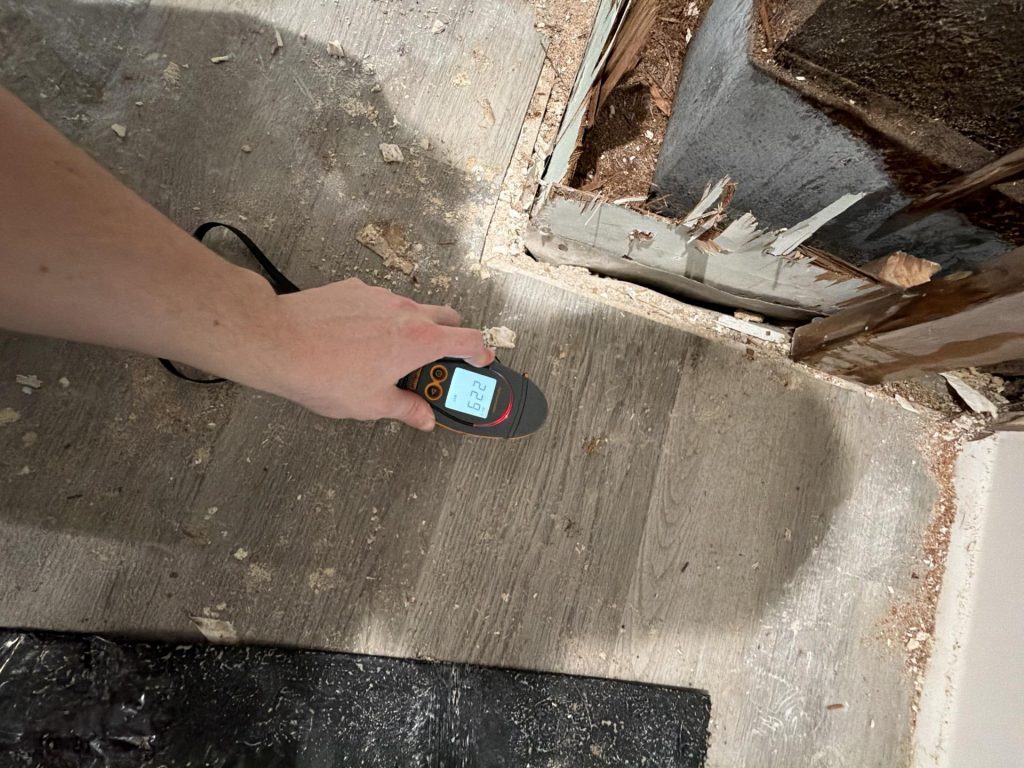
Table of Contents
Why Water Damage Prevention Matters for Apartment Buildings
Apartment buildings have unique vulnerabilities compared to single-family homes:
- Larger roof surfaces and multiple gutter/downspout systems
- Complex plumbing systems with multiple units sharing pipes
- Extensive landscaping around foundations
- High tenant usage of kitchens, bathrooms, and laundry areas
When water enters one unit, it rarely stays confined. It can travel along ceilings, walls, and flooring to affect multiple units. For property managers, this results in:
- Increased maintenance requests
- Unit downtime during repairs
- Insurance claims and higher premiums
- Tenant complaints and potential negative reviews
- Long-term structural deterioration
This makes prevention more than just maintenance—it’s risk management for your property portfolio.
Seasonal Maintenance Checklist
A preventive approach works best when broken down by season. Consistent, documented inspections reduce the likelihood of hidden water damage and provide a record for insurance purposes.
Spring: Post-Winter / Heavy Rain Prep
Spring is the ideal time to inspect your building after the winter thaw and prepare for spring rains.
Key Actions:
- Gutters & Downspouts: Remove debris that accumulated during winter. Check for leaks and ensure downspouts discharge 3–5 feet away from the building.
- Soil Grading: Confirm that soil slopes away from foundations. Winter freeze-thaw cycles often shift soil and can create low spots where water pools.
- Mulch & Plant Beds: Ensure mulch and plants are several inches away from exterior walls to prevent moisture from sitting against siding or brick.
- Roof & Ceiling Inspection: Walk the roof if safe or hire a professional. Check ceilings in top-floor units for brown stains, sagging, or moisture after spring rains.
Summer: Storm Season Monitoring
Summer brings heavy thunderstorms, and this is when hidden issues often become noticeable.
Key Actions:
- Post-Storm Walk: After any significant rainfall, walk the property. Look for water pooling near foundations, overflowing gutters, or leaks at roof edges.
- Exterior Wall Checks: Look for damp spots, discoloration, or streaking along siding and brick.
- Tenant Reports: Encourage tenants to report odors or leaks immediately. These are often early signs of hidden water intrusion.
- Landscape Maintenance: Trim trees away from roofs to prevent branch damage, leaf debris, and gutter clogging.
Pro Tip: Summer inspections help you catch slow-drip leaks before they cause structural damage or mold growth.
Fall: Leaf & Debris Control
Falling leaves can quickly overwhelm gutters and drainage systems, especially in older trees around multi-unit properties.
Key Actions:
- Increase the frequency of gutter cleaning
- Remove leaves and debris from swales, storm drains, and hardscape areas
- Inspect roof valleys, flashing, and roof edges for signs of water accumulation
- Ensure landscaping does not create low spots near foundations
Pro Tip: Consider installing gutter guards in high-debris areas to reduce cleaning frequency and prevent clogs.
Winter: Freeze & Pipe Risk
Winter brings a new set of challenges, including frozen pipes and unexpected leaks.
Key Actions:
- Insulate exposed plumbing lines, especially in unheated areas
- Inspect vacant units and common areas for temperature drops that could lead to frozen pipes
- Check mechanical rooms for minor leaks or condensation
- Monitor ceilings in units beneath bathrooms or kitchens for slow leaks
Pro Tip: A proactive winter inspection reduces the chance of frozen pipes causing catastrophic water damage.
Post-Storm Rapid Inspection Protocol
A quick 15-minute inspection after heavy rainfall can prevent multi-unit water damage.
What to look for:
- Overflowing gutters or downspouts near tree canopies
- Standing water along foundations or near landscaping features
- Soil erosion channels pointing toward the building
- Dripping or staining from roof edges or soffits
- Tenant reports of odors or stains
Early detection allows property managers to address minor issues before they become costly repairs.
Tenant Early-Warning System
Tenants are often the first to notice problems inside units. Training them to report early signs can prevent structural damage:
- Small ceiling stains
- Peeling or bubbling paint
- Musty odors
- Dripping sounds in walls or ceilings
Coordinating with Landscaping Vendors
Many water issues start with well-intentioned landscaping. Property managers should ensure vendors follow best practices:
- Do not pile mulch against exterior walls
- Avoid raising soil levels near foundations
- Plant trees at safe distances from buildings
- Keep drainage paths, swales, and curbs clear
Landscaping should move water away from the building, not trap it against foundations.
Documenting for Insurance and Liability
Many insurance policies deny claims for “gradual leaks” or damage caused by poor maintenance. Maintaining detailed records of inspections and preventive actions can protect your property in case of a claim.
Recommended documentation:
- Seasonal inspection reports
- Maintenance performed (gutter cleaning, roof repairs, grading adjustments)
- Tenant-reported issues and follow-up actions
- Landscaping modifications
This documentation demonstrates proactive management and reduces the likelihood of claim disputes.
When to Call a Moisture Detection Professional
If repeated water issues occur or multiple units report ceiling stains, odors, or bubbling paint, hidden moisture may already exist inside walls or ceilings.
Surface repairs alone won’t stop the problem. Professional moisture mapping, structural drying, and proper mitigation prevent:
- Mold growth
- Long-term material degradation
- Recurring tenant complaints
At this stage, PuroClean of Lawrenceville can provide expert inspections and full-service restoration, ensuring the true source of water damage is addressed—not just the visible symptoms.
Operational Benefits of a Preventive Maintenance Mindset
Property managers who implement this checklist see measurable benefits:
- Fewer emergency maintenance calls
- Reduced tenant disruptions
- Lower insurance claims and premiums
- Longer lifespan of roofing, siding, and structural materials
- Better tenant satisfaction and retention
Preventive inspections shift water damage from a reactive emergency into a manageable, scheduled maintenance activity.
Key Takeaways
Water damage in apartment buildings isn’t random—it follows predictable patterns linked to:
- Roofing and gutters
- Plumbing systems
- Landscaping and grading
- Seasonal weather events
A systematic, preventive maintenance program allows property managers to detect problems early, document actions, and protect both the building and tenants.
By combining seasonal inspections, tenant reporting, landscaping coordination, and professional assistance when needed, property managers can prevent water damage before it disrupts operations or drains the budget.
If your property has experienced repeated leaks, unexplained ceiling stains, or persistent musty odors, schedule a professional inspection with PuroClean of Lawrenceville. Their team specializes in:
- Moisture detection
- Water damage restoration
- Structural drying and mold prevention
Early action prevents costly repairs and protects both your property and tenants