


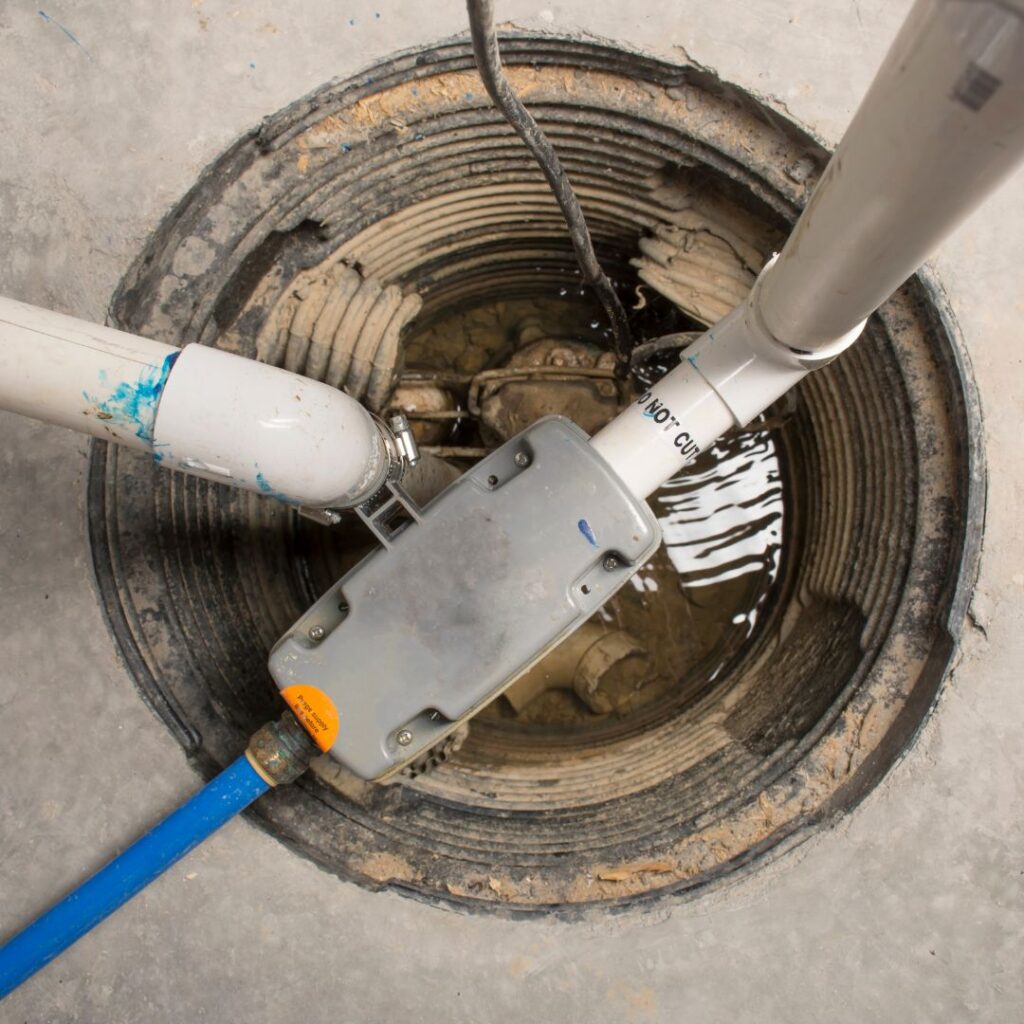
On a cold January morning in Lawrenceville, a homeowner in the Brookwood area woke up to the unmistakable smell of sewage drifting up from the guest bathroom. Overnight temperatures had dipped to 28°F, the kind of cold snap that Gwinnett County experiences a few times each winter. At first, the homeowner assumed it was a simple toilet clog. But when water began bubbling up through the tub drain, the reality became clear: a winter sewage backup.
A Lawrenceville Homeowner’s Guide to Winter Plumbing Risks
Table of Contents
What surprised her most was the timing. How could something so unpleasant happen during cold weather, when plumbing systems are supposed to be less active than during the rainy season? But this scenario is far more common than most residents realize. Cold weather, even mild cold spells like those in Lawrenceville, creates the perfect conditions for sewer line blockages, pipe contractions, and grease accumulation, all of which dramatically increase sewage backups.
In this comprehensive guide, we explore why cold weather causes more sewage backups, the warning signs, and how Lawrenceville homeowners can protect their properties.
Why Cold Weather Makes Sewage Backups More Common in Lawrenceville
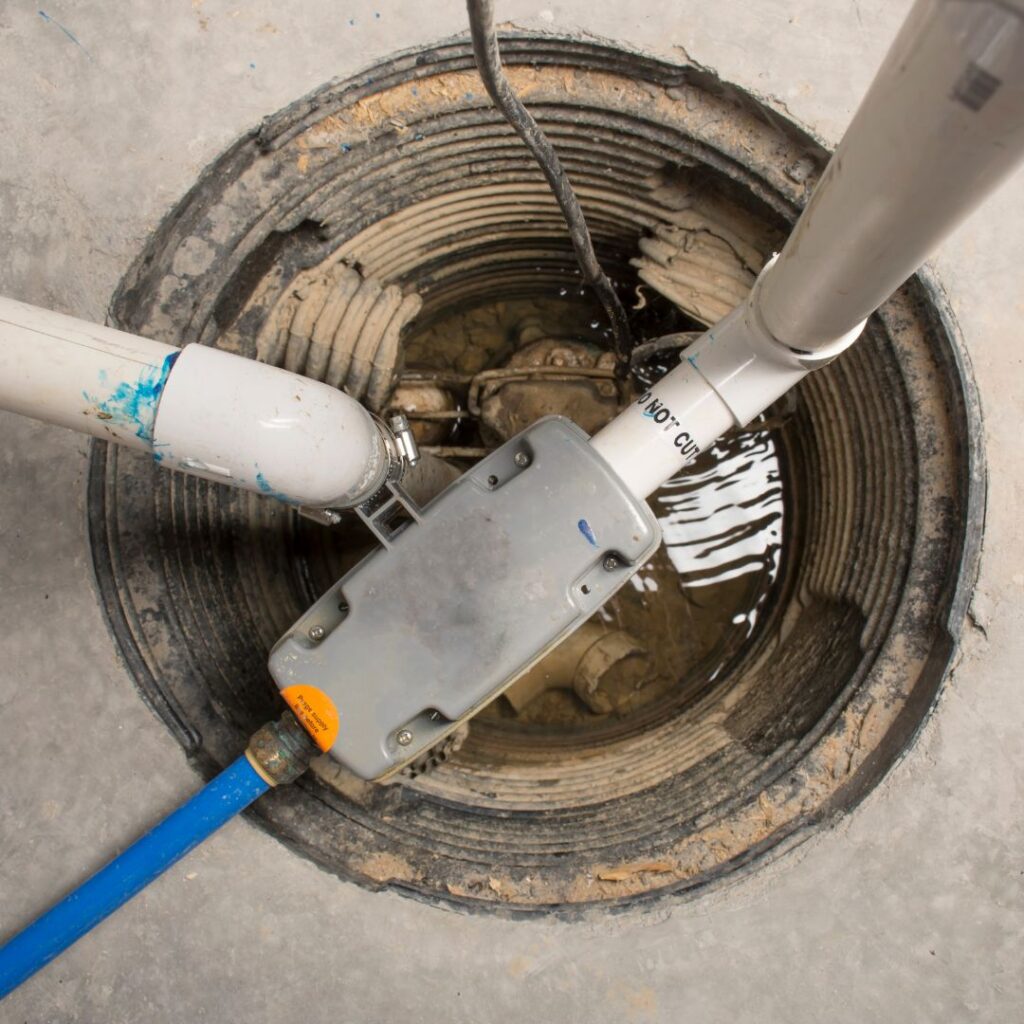
While many think sewage backups are a “summer or storm” problem, winter is actually one of the highest-risk seasons—especially in metro Atlanta suburbs like Lawrenceville, Duluth, Snellville, and Grayson. Gwinnett County’s infrastructure, mixed with modern household habits and seasonal temperature shifts, creates the perfect storm for blockages.
Here is why the risk skyrockets when temperatures drop:
Grease Solidifies Faster in Cold Weather, Especially After Holiday Cooking
During Thanksgiving, Christmas, and New Year celebrations, Lawrenceville households produce more cooking waste than any other time of the year. According to the EPA, grease is the leading cause of sewer blockages in residential neighborhoods—and winter makes it worse.
Even when poured down the drain with hot water, grease cools rapidly once it hits colder pipes underground. In January and February, ground temperatures in Lawrenceville average 40–42°F, low enough for grease to solidify into thick, wax-like layers. Over time, these layers build into stubborn blockages.
This is one of the major causes of backups in dense neighborhoods like Sugarloaf Parkway, Lawrenceville Highway, and Webb Gin House Road, where closely spaced homes share sewer pipelines that can quickly clog during peak cooking seasons.
Tree Roots Move Toward Warmth and Moisture in Winter
You may not see much plant activity above ground in winter, but below ground, tree roots are actively searching for moisture. Sewer pipes, which release warmth from flowing wastewater, become irresistible targets.
In older Lawrenceville communities like Scenic Highway, Old Norcross Road, and downtown Lawrenceville, many homes still rely on decades-old clay or cast-iron sewer lines. These pipes often have tiny cracks where roots easily slip inside. Once inside, roots expand and form dense webs—sometimes filling an entire pipe.
Winter root intrusion is one of the most common causes of sewage backups in Gwinnett County.
Cold Weather Puts Stress on Aging Municipal Sewer Lines
Gwinnett County operates one of the largest wastewater treatment systems in the Southeast. But even with modern improvements, winter stress affects the entire municipal network:
- Cold temperatures cause pipes to contract.
- Increased holiday water use adds extra pressure.
- Older sections of sewer mains in Lawrenceville struggle with winter demand.
When the city’s sewer system is overloaded, homes located downhill—or at lower elevations—are the first to experience backflow.
Residents near flood-prone areas like Paper Mill Road, Crooked Creek, and Cedars Road often see more winter backups for this reason.
Pipes Contract in Cold Weather, Causing Cracks and Restrictions
As temperatures fall, metal and PVC pipes contract, making them more brittle. Even a slight temperature shift can cause:
- Hairline cracks
- Joint separations
- Reduced diameter inside the pipe
This creates choke points where debris, grease, and waste accumulate. When enough pressure builds up, wastewater has nowhere to go except back into your home.
It’s one of the key reasons plumbers in Lawrenceville receive a spike in calls whenever temperatures dip below freezing.
Holiday Guests Mean Heavy Plumbing Usage
Lawrenceville is a family-oriented community, and winter gatherings often bring extended family into homes. More guests mean:
- More toilet flushes
- Longer showers
- More laundry
- More dishwashing
All of this increases the workload on your drainage system—just when it’s already stressed by the cold.
Even a minor clog can quickly turn into a complete backup when plumbing is used continuously over short periods.
Real-Life Example:
A Lawrenceville Family’s Unexpected Winter Backup
A family in the Grayson/New Hope Road area recently contacted PuroClean of Lawrenceville after sewage began seeping into their basement bathroom during the first freeze of the season.
A camera inspection revealed the cause: a combination of grease buildup from holiday frying and tree roots clogging the line just outside the home.
It was a classic winter scenario—multiple seasonal factors combining to cause a sudden and severe backup.
Stories like this happen throughout Lawrenceville every winter, and they highlight the importance of preventative maintenance and quick action.
Warning Signs of a Winter Sewage Backup
Winter backups often start small before escalating into a full emergency. Watch for these early indicators:
- Multiple drains slowing at the same time
- Gurgling noises in sinks or toilets
- Sewage smell coming from drains
- Water backing up in the tub when flushing
- Basement or lower-level toilets bubbling
- Unexplained wet spots near floor drains
Because cold temperatures can accelerate blockages, these signs often progress faster during winter than in warmer months.
How to Prevent Sewage Backups During Cold Weather
Practical steps every Lawrenceville homeowner should take
1. Dispose of Cooking Grease Properly
Pouring grease down the drain—even with hot water—is one of the biggest winter risks. Store grease in an empty can or jar and dispose of it in the trash.
2. Run Hot Water After Heavy Sink Use
This helps dissolve small bits of grease or soap before they solidify.
3. Schedule a Sewer Line Camera Inspection Before Winter
This is especially important for homes built before 1990, which are more likely to have aging sewer lines.
4. Install a Backwater Valve
This prevents sewage from flowing backward into your home if the city sewer line becomes overloaded.
5. Insulate Exposed Pipes
This reduces contraction and prevents cracks during cold snaps.
6. Limit What Goes Down Toilet and Drains
Avoid flushing wipes, paper towels, and hygiene products—these are notorious winter culprits.
What to Do If You Experience a Winter Sewage Backup
A sewage backup is a hazardous emergency. Wastewater contains bacteria, viruses, and harmful contaminants.
If you discover sewage inside your property:
- Keep children and pets away from the area.
- Do not attempt DIY cleanup.
- Turn off the water supply if possible.
- Avoid using sinks, toilets, or appliances.
- Call PuroClean of Lawrenceville immediately.
Fast action is critical. The longer sewage sits, the more damage it causes to flooring, drywall, and structural materials.
Why Lawrenceville Trusts PuroClean for Sewage Cleanup
Certified, Fast, and Compassionate Service
PuroClean of Lawrenceville provides:
- 24/7 emergency sewage cleanup
- Rapid extraction with commercial equipment
- Full sanitization with EPA-approved disinfectants
- Structural drying and odor removal
- Camera inspections and source identification
- Insurance documentation and support
Cold weather in Lawrenceville may not be extreme, but it’s powerful enough to cause major plumbing disruptions. From grease solidification to municipal sewer stress, winter brings a perfect mix of conditions that make sewage backups far more likely.
With the right prevention steps—and a trusted team on standby—homeowners can protect their property and avoid costly winter damage.
If you suspect a sewage backup or want a pre-winter inspection, contact PuroClean of Lawrenceville right away. Fast response makes all the difference