


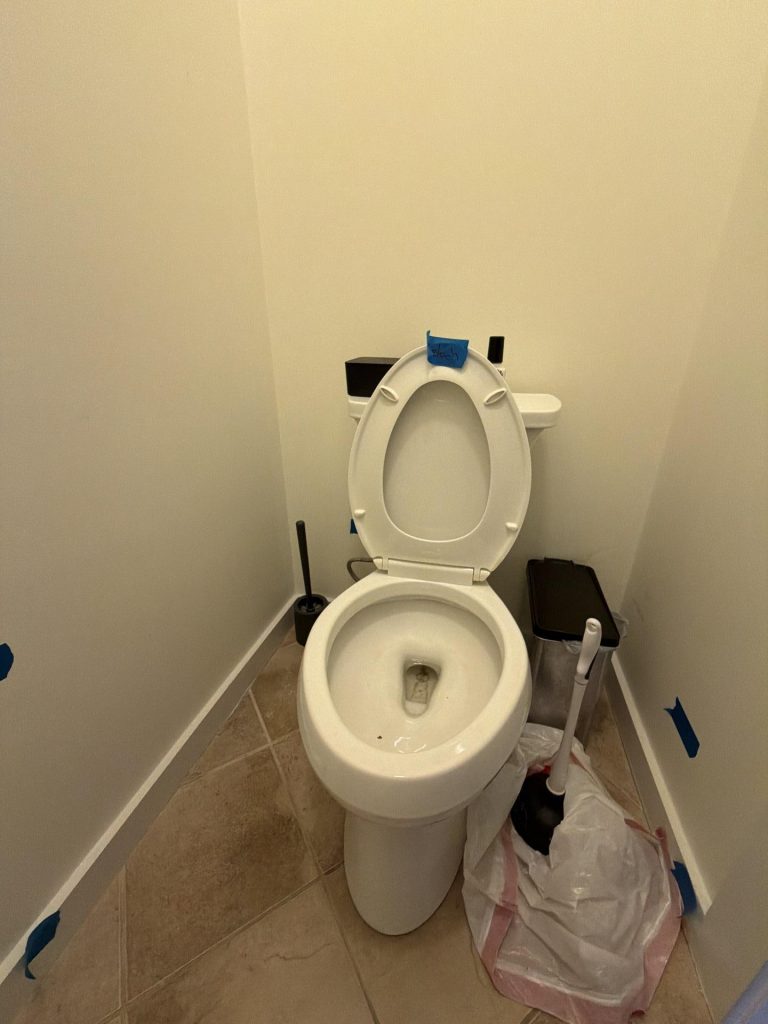
A sewer backup inside a commercial storeroom is not a maintenance issue. It is a Category 3 black water biohazard event with serious health, operational, and legal consequences.
For facilities in Lawrenceville, storerooms typically hold inventory, paper goods, packaging, tools, food products, maintenance supplies, or archived records. When sewage enters this environment, contamination spreads rapidly and invisibly—impacting far more than the wet floor you can see
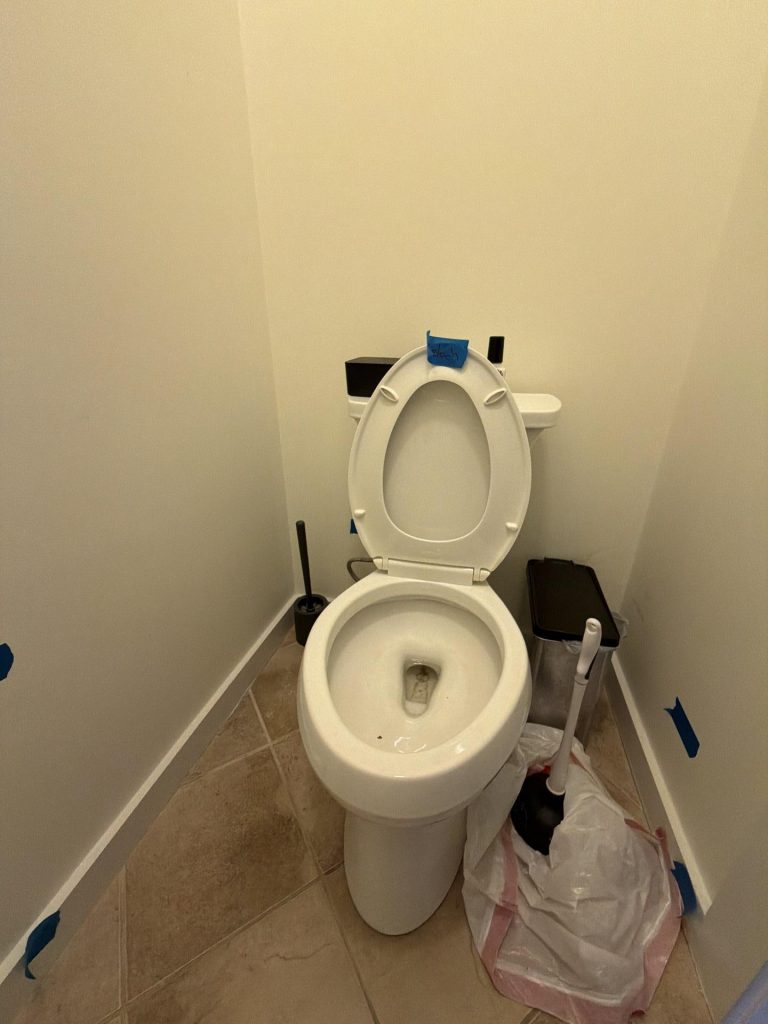
This scenario often results in inventory loss, temporary closure, regulatory scrutiny, and business interruption if not handled immediately and professionally.
Why a Storeroom Sewage Backup Is Especially Dangerous
Table of Contents
Sewage water contains bacteria, viruses, parasites, and organic waste. In a storage environment, this contamination:
- Wicks into cardboard packaging and labels
- Spreads under shelving, pallets, and racks
- Soaks into grout lines, concrete pores, and wall bases
- Becomes airborne through humidity and air circulation
- Triggers odor and microbial growth within 24–48 hours
Even items that never touched the water can be considered contaminated due to airborne exposure.
Common Causes in Lawrenceville Commercial Properties
Businesses in Lawrenceville frequently experience sewer backups due to:
- Heavy Georgia rain overwhelming municipal sewer systems
- Tree root intrusion into aging sewer lines
- Grease, wipes, and debris clogging main drains
- Collapsed or deteriorating underground pipes
- Backwater valve failures
- Septic or lift station malfunctions (for certain facilities)
When the main sewer line is blocked, wastewater reverses into the lowest drain point—often the storeroom floor drain.
Immediate Operational Consequences
A sewage backup in a storeroom can trigger:
- Health department or OSHA concerns
- Inventory write-offs
- Cross-contamination into production or sales areas
- Temporary closure for sanitation
- Insurance claims and documentation requirements
- Revenue loss due to downtime
This is why janitorial cleanup or in-house maintenance response is inappropriate and risky.
What Staff Should Do Immediately
- Restrict access to the storeroom
- Stop using plumbing throughout the building
- Prevent employees from touching affected items
- Document visible damage for insurance
- Call a professional sewage remediation company
Do not relocate inventory before professionals assess contamination spread.
The Professional Commercial Remediation Process
When responding to commercial biohazard losses, PuroClean of Lawrenceville follows strict protocols designed for safety, compliance, and rapid operational recovery.
1) Containment and Negative Air Setup
The affected area is isolated to prevent airborne contamination from spreading into active business spaces.
2) Assessment of Inventory and Materials
Porous items like cardboard, paper goods, fabrics, and certain stock are typically deemed non-salvageable.
3) Sewage Extraction
Industrial pumps remove all standing black water.
4) Removal of Contaminated Building Materials
Drywall sections, insulation, baseboards, and lower wall assemblies are often removed.
5) Hospital-Grade Cleaning and Disinfection
Antimicrobial agents sanitize all structural surfaces and storage infrastructure.
6) Structural Drying and Moisture Mapping
Concrete, wall cavities, and flooring are dried using commercial equipment and monitored with moisture meters.
7) HEPA Air Scrubbing and Odor Neutralization
Airborne pathogens and sewage gases are eliminated.
8) Documentation for Insurance and Regulatory Review
Photos, moisture logs, and remediation reports support claims and inspections.
Why Inventory Is Often a Total Loss
Sewage contamination is not always visible. Cardboard absorbs moisture and airborne pathogens. Labels, packaging, and porous materials cannot be safely disinfected to health standards.
This is critical for:
- Restaurants and food service storage
- Medical and dental supply rooms
- Retail backrooms
- Warehouses and distribution centers
- Property management storage spaces
Health, Liability, and Compliance Risks
Allowing employees to handle contaminated materials can lead to:
- Worker illness and liability claims
- OSHA violations
- Health department penalties
- Customer safety risks if contamination spreads
Professional remediation protects both occupants and the business legally.
Insurance, Documentation, and Business Interruption
Most commercial policies cover sewer backups under specific endorsements. Proper professional documentation is essential for:
- Inventory loss reimbursement
- Structural repair coverage
- Business interruption claims
- Compliance verification
How Long Does Commercial Sewage Cleanup Take?
Typical timelines:
- 1 day for containment, extraction, and removal
- 2–3 days for disinfection and structural drying
- Additional time for rebuild depending on material removal
Fast response significantly reduces downtime.
Preventing Future Sewer Backups in Commercial Facilities
- Schedule routine drain and sewer line inspections
- Install and maintain backwater valves
- Avoid grease and improper waste disposal
- Address tree root intrusion early
- Maintain lift stations or septic systems where applicable
Frequently Asked Questions
Can we continue operating during cleanup?
Yes, if proper containment prevents cross-contamination into operational areas.
Can metal shelving and racks be saved?
Often yes, after professional disinfection and drying.
Should staff move inventory to a safe area?
No. Movement can spread contamination and jeopardize insurance claims.
Will the odor go away on its own?
No. Professional air scrubbing and deodorization are required.
Is this considered a biohazard situation?
Yes. Category 3 black water requires biohazard remediation protocols.
Final Takeaway for Lawrenceville Businesses
A sewer backup in a storeroom is a serious biohazard emergency that affects inventory, operations, compliance, and revenue. Treating it as routine cleanup can multiply losses and expose the business to legal risk.
For rapid, compliant, and professional commercial sewage remediation in Lawrenceville, businesses trust PuroClean of Lawrenceville to restore safety and help operations resume quickly.