 PuroClean of Lawrenceville
Winter in Lawrenceville, GA may seem mild compared to northern states, but even a brief cold snap can cause serious problems for your home’s plumbing. One of the most common and costly winter issues is frozen pipes. When water inside pipes freezes, it expands, often leading to burst pipes, flooding, and costly structural damage.
The good news? Smart thermostats are more than just convenient—they can actively protect your home from winter water damage. By maintaining consistent temperatures, alerting homeowners to potential risks, and enabling remote control, they help prevent frozen pipes and the headaches that come with them.

In this guide, we’ll explore:
Why Frozen Pipes Are a Serious Risk in Lawrenceville
Even in Georgia, winter temperatures can occasionally drop below freezing, especially at night. When water freezes, it expands and can rupture your pipes, causing immediate flooding or long-term water damage.
High-Risk Areas for Frozen Pipes
- Basements and crawlspaces: Often poorly insulated and cooler than the rest of the house.
- Attics and exterior walls: Pipes near unheated or drafty areas are vulnerable.
- Kitchens, bathrooms, and laundry rooms: Pipes along exterior walls can freeze faster.
- Outdoor faucets and irrigation lines: Can freeze overnight if not properly winterized.
Potential Consequences of Frozen Pipes
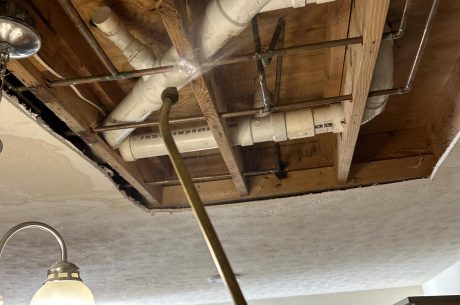
- Burst Pipes: Water pressure builds inside frozen pipes, eventually causing ruptures.
- Water Damage: Floors, ceilings, walls, cabinets, and insulation may be damaged.
- Mold Growth: Even minor leaks can lead to mold if moisture persists in hidden areas.
- Structural Weakening: Wood framing, subfloors, and drywall can deteriorate over time.
- Insurance Complications: Insurance claims may be denied if preventive measures weren’t in place.
Local Insight: Homes in Lawrenceville with older plumbing or slab foundations are especially prone to hidden damage because water can seep under floors or behind walls before it’s noticed.
Why Smart Thermostats Are Better Than Traditional Thermostats
Traditional thermostats maintain a temperature in your home but often fail to prevent fluctuations that risk frozen pipes. Smart thermostats, on the other hand, monitor and adjust your home’s temperature continuously, offering multiple advantages:
- Constant Temperature Monitoring: Keeps indoor temperature stable, even in extreme cold, preventing areas from dropping below freezing.
- Remote Access: Adjust settings from anywhere using your phone or tablet. Perfect if you’re traveling during a cold snap.
- Scheduling: Set minimum temperatures for certain times of day or for specific zones in your home.
- Integration With Sensors: Place sensors near vulnerable pipes; receive alerts when temperatures drop near freezing.
- Energy Efficiency: Save money on heating bills while protecting your pipes. Smart thermostats only heat where and when it’s necessary.
Example: A Lawrenceville homeowner who uses a smart thermostat to maintain a consistent 58°F in their crawlspace avoided a winter pipe freeze during a sudden cold spell, saving thousands in potential repairs.
Recommended Smart Thermostat Settings for Winter Pipe Protection
To maximize protection from frozen pipes, consider the following smart thermostat strategies:
- Maintain Minimum Temperatures:
Keep indoor temperatures at 55–60°F (12–15°C) at all times. This ensures water in pipes doesn’t freeze even in colder corners of your home. - Careful Use of “Away” Mode:
Many homeowners lower the temperature when away, but setting it too low can put pipes at risk. Instead, program your thermostat to maintain a safe minimum temperature. - Zoned Heating Prioritization:
If your system supports zones, focus heat on vulnerable areas such as basements, crawlspaces, attics, and rooms with exterior walls. - Nighttime Settings:
Avoid drastic nighttime temperature drops. Keep critical areas warm overnight to prevent freezing when everyone is asleep. - Temperature Sensors Near Pipes:
Place sensors near exposed or vulnerable pipes. Many smart thermostat systems will alert you if temperatures approach freezing, giving you time to take action before damage occurs.
Additional Measures to Protect Your Pipes
Smart thermostat settings work best when combined with physical preventive measures. Here’s what Lawrenceville homeowners can do:
- Insulate Exposed Pipes: Use foam pipe sleeves or heat tape in basements, crawlspaces, attics, and exterior walls.
- Seal Drafts: Check doors, windows, and wall openings to keep cold air away from pipes.
- Let Faucets Drip: A slow drip relieves pressure and prevents pipe freezing during extremely cold nights.
- Open Cabinet Doors: Allow warm air to circulate around plumbing under sinks.
- Maintain Drainage Systems: Ensure sump pumps, downspouts, and crawlspace drainage are functional.
- Winterize Outdoor Plumbing: Disconnect hoses, drain irrigation lines, and insulate outdoor faucets.
Pro Tip: Combining insulation and draft-proofing with smart thermostat monitoring covers nearly all risk factors for frozen pipes in Lawrenceville homes.
Energy-Saving Tips While Preventing Frozen Pipes
Maintaining warm temperatures in winter doesn’t have to be expensive. Smart thermostats allow homeowners to protect pipes and save energy simultaneously:
- Programmable Schedules: Lower the temperature safely in living areas during the day while keeping pipe-prone areas warm.
- Upgrade Insulation: Pair thermostat settings with attic, crawlspace, and wall insulation to reduce energy loss.
- Use Smart Alerts: Receive notifications if temperatures drop too low, preventing emergency heat spikes.
This approach ensures energy efficiency while safeguarding your home from winter water damage.
What to Do If Pipes Freeze Despite Precautions
Sometimes, even with the best settings and precautions, pipes may freeze due to extreme weather or equipment failure. If this happens:
- Locate the Frozen Pipe: Usually near exterior walls or unheated areas.
- Do Not Use Open Flames: Never attempt to thaw a pipe with a torch or stove—it’s a fire hazard.
- Use Safe Methods: Slowly warm the pipe using towels, a hair dryer, or a space heater.
- Turn Off Water Supply: Prevent further flooding if the pipe bursts.
- Call Professionals: If a pipe bursts, contact a licensed plumber and an emergency water damage restoration company like PuroClean of Lawrenceville. Quick action minimizes structural damage and prevents mold growth.
Local Tip: Lawrenceville homeowners often rely on emergency restoration services after burst pipes to restore basements, kitchens, and crawlspaces efficiently.
How Preventing Frozen Pipes Protects Home Value
Winter water damage can significantly reduce a home’s value in multiple ways:
- Structural Damage: Water-soaked drywall, floors, and subfloors require costly repairs.
- Mold Growth: Mold reduces property value and may require expensive remediation.
- Insurance Implications: Frequent claims can increase premiums or complicate coverage.
- Inspection Impact: Visible water damage lowers appraisal and resale value.
Example: A burst pipe in a Lawrenceville basement can lead to drywall replacement, floor repairs, and mold remediation—costing thousands. Preventing frozen pipes preserves your home’s safety, comfort, and market value.
Preventing frozen pipes is critical to protecting your home from winter water damage. Using smart thermostat settings, combined with insulation, draft-proofing, and regular monitoring, is the best way to avoid costly repairs and maintain your property’s value.
Lawrenceville homeowners who take these proactive steps can avoid structural damage, mold, and high repair costs, ensuring their home stays safe, dry, and valuable all winter long.
Lawrenceville Homeowners: Don’t wait for frozen pipes to ruin your home this winter. Contact PuroClean of Lawrenceville for emergency water damage prevention advice, pipe inspections, and professional restoration services. Our certified technicians are available 24/7 to protect your home and peace of mind.

 PuroClean of Lawrenceville