 PuroClean of Lawrenceville
When you start searching online for “drainage solutions near me,” it usually means one thing—your yard or home is dealing with flooding, pooling water, lawn damage, or moisture issues that aren’t going away on their own. Whether it’s water collecting after every rainfall or a soggy lawn that never fully dries, drainage problems can lead to serious damage if ignored.
From foundation issues to mosquito infestations, poor outdoor drainage affects both property value and your home’s long-term safety. The good news? There are highly effective drainage systems designed to fix these problems—most of which can be customized to your yard, slope, and soil conditions.
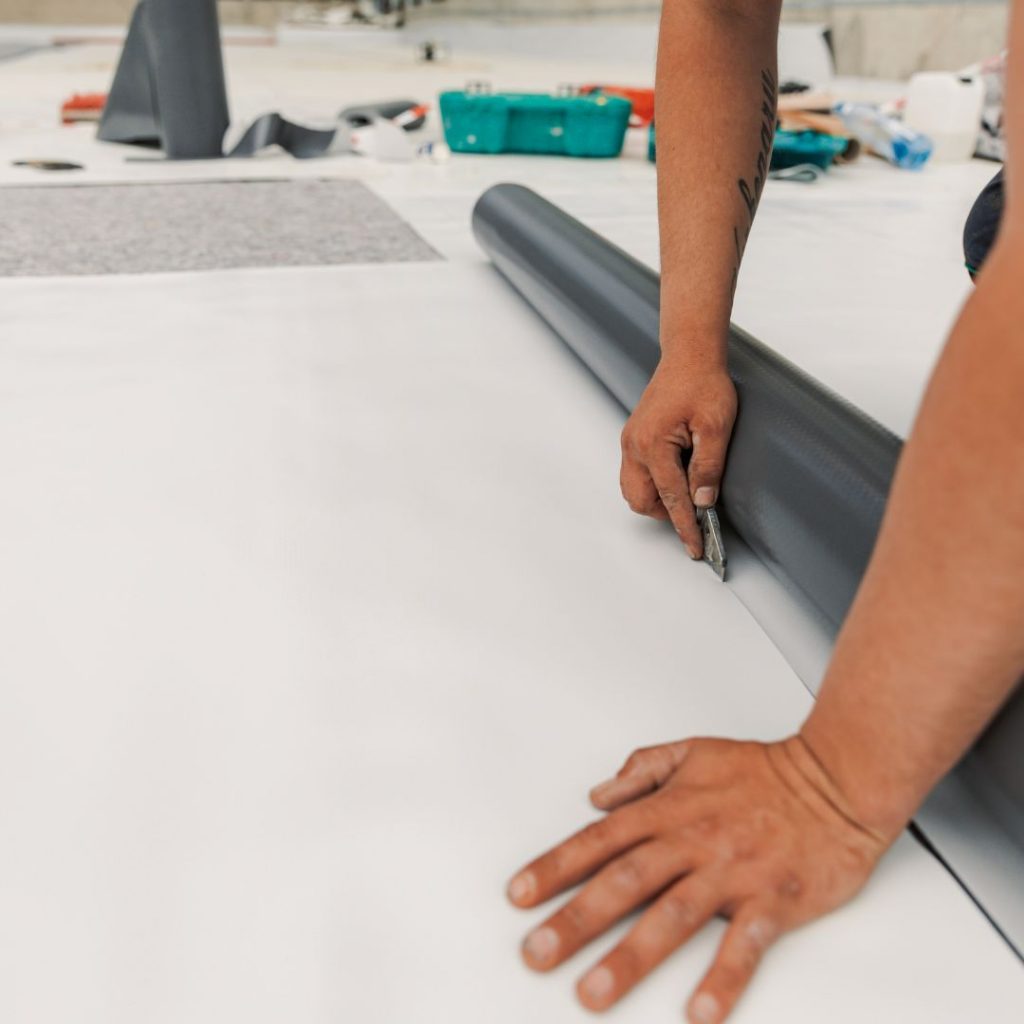
Below are the top ten drainage solutions that help homeowners eliminate standing water, protect their foundations, and prevent future water damage.
What Causes Standing Water and Poor Outdoor Drainage?
Table of Contents
Before choosing a drainage system, it’s important to understand why water is sitting on your property. The most common causes include:
1. Improper Grading (Yard Slopes the Wrong Way)
If your yard slopes toward your home instead of away from it, water naturally flows into low spots, crawlspaces, or basements.
2. Compact or Clay-Heavy Soil
Clay soil doesn’t absorb water easily, so rain sits on the surface and forms puddles.
3. Clogged Gutters and Downspouts
When gutters overflow, water spills directly around your foundation, leading to erosion and basement moisture.
4. Lack of Drainage Infrastructure
Many older homes simply weren’t built with modern drainage systems like French drains or channel drains.
5. High Water Table or Heavy Rain Seasons
Some areas experience rising groundwater or seasonal storms that overwhelm natural absorption.
If any of these issues sound familiar, it’s likely time to look into professional drainage solutions near me to prevent long-term damage.
Why Effective Drainage Matters for Homeowners
Proper drainage is more than a landscaping upgrade—it’s essential property protection:
- Prevents foundation cracks
- Reduces basement flooding
- Stops erosion and lawn damage
- Prevents mold, standing water, and mosquitoes
- Protects patios, driveways, and outdoor structures
- Keeps landscaping healthy
Ignoring drainage issues can turn a small puddle into a major structural problem. Now let’s look at the top solutions that can prevent that from happening.
Top 10 Drainage Solutions Near Me
These professional drainage systems are proven to eliminate standing water and redirect runoff safely away from your home.
1. French Drain Installation
A French drain is one of the most effective and popular drainage solutions available today.
How it works:
A trench is dug in the problem area, lined with gravel, and fitted with a perforated pipe. This pipe collects excess groundwater and redirects it away from your home.
Best for:
- Wet or soggy yards
- Water pooling along foundations
- Areas with poor absorption
- Sloping properties
Many homeowners find that searching “French drain near me” leads them to contractors who specialize in solving chronic moisture problems.
2. Surface Drains & Channel Drains
Surface drains work by pulling water off the top layer of the yard or driveway.
Ideal for:
- Patios
- Driveways
- Pool decks
- Areas that flood during storms
Channel drains are long, narrow surface drains that quickly capture water and send it to an underground pipe system. They’re often installed in concrete surfaces to prevent flooding.
3. Regrading (Correcting Yard Slope)
Sometimes, fixing drainage is as simple as reshaping the yard.
Purpose:
Improve the natural slope so water flows away from your home rather than toward it.
Benefits:
- Prevents basement leaks
- Reduces soil erosion
- Improves lawn health
Regrading is often recommended when homes consistently collect water near the structure.
4. Dry Creek Beds
A dry creek bed is a decorative drainage feature that looks like a natural rock stream.
Benefits:
- Guides water toward a safe runoff point
- Reduces erosion
- Enhances landscaping
- Handles heavy stormwater effectively
Dry creek beds are great for large yards or properties with recurring runoff issues.
5. Gutter Extensions & Downspout Modifications
If your gutters dump water too close to the home, you’ll almost always see foundation and drainage issues.
Fixes include:
- Adding gutter extensions that move water further into the yard
- Installing pop-up drains
- Repositioning or adding new downspouts
This is one of the simplest and most affordable drainage improvements.
6. Sump Pump Installation
A sump pump is commonly installed in basements or crawlspaces to mechanically remove water when flooding occurs.
Why it matters:
- Automatically pumps water away
- Protects basements during storms
- Reduces humidity and mold growth
Many homeowners combine sump pumps with French drains for maximum protection.
7. Catch Basins
Catch basins are underground boxes that collect water from low spots and redirect it through a pipe system.
Best for:
- Yards with “water pockets”
- Areas near driveways or walkways
- Homes with clay or compact soil
These systems capture water before it becomes a standing puddle.
8. Swales (Shallow Drainage Ditches)
A swale is a slightly lowered channel that uses gravity to carry water away.
Advantages:
- Natural and low-maintenance
- Perfect for large or sloped yards
- Helps manage heavy runoff
Swales can be lined with grass, stone, or gravel depending on the aesthetic you want.
9. Permeable Pavers
Permeable pavers look like regular driveway or patio stones but allow water to drain through instead of pooling on top.
Benefits:
- Reduces runoff
- Prevents driveway flooding
- Eco-friendly stormwater solution
These work especially well in areas that see frequent heavy rainfall.
10. Drainage + Waterproofing Combo System
For severe or recurring flooding issues, professionals often recommend combining multiple solutions.
This may include:
- French drain
- Sump pump
- Vapor barrier
- Yard regrading
- Downspout extensions
- Crawlspace or foundation waterproofing
These integrated solutions offer long-term protection for homes with chronic moisture issues.
How to Choose the Right Drainage Solution for Your Property
Before installing any system, consider:
- Soil type (clay, sand, loam)
- Slope and grading
- Size of your property
- Where water accumulates
- Rain patterns in your region
- Whether flooding is surface-level or underground
A professional inspection is the best way to identify the cause, not just the symptoms.
Signs You Need a Drainage Specialist Immediately
If you notice any of these signs, it’s time to look for drainage solutions near you right away:
- Water pooling for 24–48 hours after rain
- Soggy or mushy yard areas
- Foundation cracks or settling
- Basement moisture or musty odors
- Mold growth
- Erosion or bare patches in your lawn
- Gutter overflow and flooding near the home
Early intervention prevents costly repairs.
General Cost Overview for Drainage Solutions
While costs vary, pricing depends on:
- Depth of excavation
- Type of system installed
- Length of piping
- Materials needed
- Labor complexity
- Yard accessibility
French drains, grading, and channel drains usually fall into mid-range pricing, while combination systems cost more due to excavation and multi-step installation.
For exact pricing, a professional assessment is essential.
Take Control of Your Property’s Drainage Today
Poor drainage won’t fix itself, and the longer water sits around your home, the more damage it can cause. Whether it’s a soggy lawn, basement moisture, or standing water after every rainstorm, there are proven drainage solutions that can protect your property for years to come.
If you’re experiencing persistent water issues, now is the time to look for professional drainage solutions near me and get your yard or home back to a healthy, dry condition.
Need help choosing the right system? Reach out to a local drainage specialist for an inspection and personalized recommendation.
drainage solutions near me
drainage solutions near me

 PuroClean of Lawrenceville