


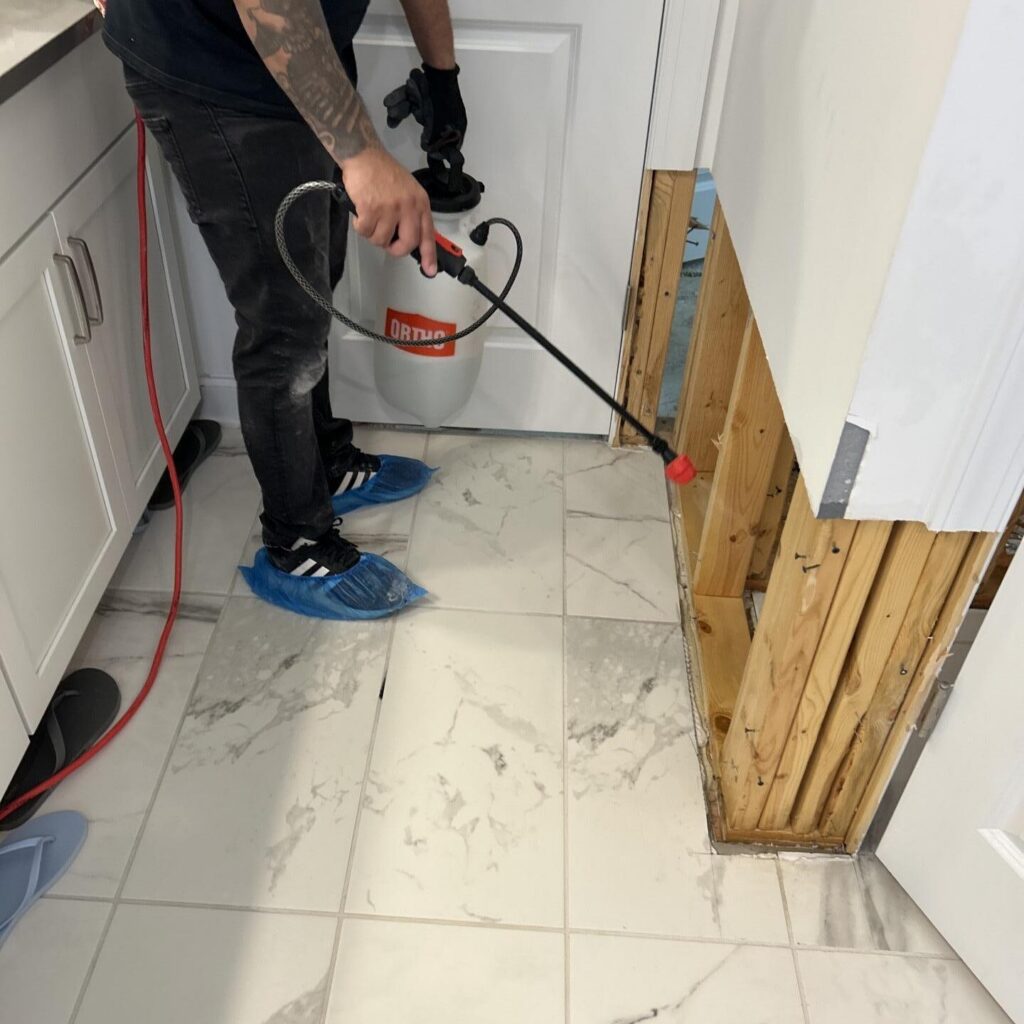
Every year, homeowners throughout Snellville deal with flooded basements, roof leaks, appliance failures, and moisture problems that require professional water damage cleanup and restoration. Summer in Snellville brings sunshine, family gatherings, and outdoor activities—but it also brings heavy thunderstorms, flash flooding, high humidity, and plumbing issues that can lead to costly water damage.
The good news is that many water damage incidents are preventable. By taking a few proactive steps, you can protect your home, avoid expensive repairs, and reduce the likelihood of needing emergency water damage restoration services.
Here are five important things every Snellville homeowner should do this summer to keep water out and protect their property.

1. Clean Gutters and Downspouts Before Summer Storms Arrive
One of the most common causes of water damage during the summer is clogged gutters. When gutters become blocked by leaves, twigs, and debris, rainwater cannot flow away from the home properly.
Instead, water may:
- Overflow onto siding
- Pool around the foundation
- Leak into basements and crawl spaces
- Cause roof edge damage
- Lead to mold and mildew growth
Summer thunderstorms in Snellville can produce significant rainfall in a short period, making proper drainage critical.
Water Damage Prevention Tips
- Clean gutters at least twice during the summer.
- Remove debris from downspouts.
- Check for sagging gutter sections.
- Ensure downspouts extend several feet away from the foundation.
- Repair cracks or leaks immediately.
Keeping your gutter system functioning properly is one of the easiest ways to prevent water intrusion and avoid costly water damage repair.
2. Inspect Your Roof for Signs of Damage
Your roof serves as the first line of defense against rain and severe weather. Even a small roofing issue can allow water to enter your home and spread into insulation, ceilings, walls, and flooring.
Unfortunately, many homeowners don’t notice roof leaks until significant damage has already occurred.
Signs Your Roof May Need Attention
- Missing shingles
- Curling or cracked shingles
- Damaged flashing
- Water stains on ceilings
- Dark spots in the attic
- Sagging roof areas
Summer storms and strong winds can worsen existing roof damage, increasing the risk of leaks.
Pro Tip
3. Check Plumbing Connections and Water-Using Appliances
Not all water damage comes from storms. In fact, many homeowners experience water damage due to plumbing failures and appliance leaks.
Common sources include:
- Washing machines
- Dishwashers
- Refrigerators with ice makers
- Water heaters
- Bathroom plumbing
- Under-sink pipes
A small leak can go unnoticed for weeks, causing extensive damage behind walls and under flooring.
Summer Plumbing Inspection Checklist
- Look for signs of corrosion.
- Check water supply lines for cracks.
- Replace aging hoses.
- Inspect around water heaters.
- Monitor water pressure.
- Repair dripping faucets immediately.
Preventive maintenance can save thousands of dollars in water damage cleanup and restoration costs.
4. Test Your Sump Pump Before Heavy Rainfall
For homes with basements or crawl spaces, a sump pump is one of the most important defenses against flooding.
A sump pump failure during a major storm can result in:
- Basement flooding
- Water-soaked belongings
- Structural damage
- Mold growth
- Electrical hazards
How to Test Your Sump Pump
- Pour water into the sump pit.
- Verify the pump activates properly.
- Ensure water is discharged outside.
- Clean debris from the pit.
- Check backup power systems.
Many homeowners don’t discover their sump pump isn’t working until it’s too late. A quick test can prevent a major disaster.
5. Control Indoor Humidity Levels
Snellville summers are known for high humidity. Even when there isn’t a leak present, excess moisture inside the home can create conditions for mold growth and material deterioration.
High humidity can affect:
- Drywall
- Wood flooring
- Furniture
- Insulation
- HVAC systems
Ways to Reduce Indoor Moisture
- Use dehumidifiers.
- Run exhaust fans in bathrooms and kitchens.
- Service your HVAC system regularly.
- Seal air leaks around windows and doors.
- Address condensation immediately.
Maintaining proper humidity levels helps protect your home and improve indoor air quality throughout the summer.
Warning Signs of Hidden Water Damage
Even diligent homeowners can miss early signs of water intrusion. Watch for these indicators:
Interior Signs
- Water stains on walls or ceilings
- Peeling paint
- Musty odors
- Warped flooring
- Soft drywall
- Visible mold growth
Exterior Signs
- Standing water near the foundation
- Damaged gutters
- Missing shingles
- Cracked siding
- Foundation cracks
Early detection can prevent minor issues from becoming major restoration projects.
What to Do If Water Damage Occurs
If your home experiences water damage, immediate action is essential.
Follow These Steps
- Stop the water source if possible.
- Shut off electricity to affected areas if safe.
- Move valuables away from standing water.
- Document damage for insurance purposes.
- Contact a professional water damage restoration company immediately.
The longer water remains in your home, the greater the risk of structural damage and mold growth.
Why Professional Water Damage Cleanup Is Important
Many homeowners attempt DIY cleanup after discovering water damage. However, moisture often spreads into hidden areas where household fans and shop vacuums cannot reach.
Professional restoration specialists use:
Advanced Water Extraction Equipment
Powerful pumps and extraction units remove standing water quickly.
Industrial Drying Systems
Commercial-grade air movers and dehumidifiers accelerate drying.
Moisture Detection Technology
Thermal imaging and moisture meters identify hidden water behind walls and beneath flooring.
Mold Prevention Treatments
Antimicrobial applications help reduce the risk of mold development.
A professional water damage restoration company can often save materials that might otherwise require replacement, reducing overall restoration costs.
Why Snellville Homeowners Trust PuroClean of Lawrenceville
When water damage strikes, fast response is critical. PuroClean of Lawrenceville provides professional emergency water damage restoration services for homeowners and businesses throughout Snellville and surrounding communities.
Our team is available 24 hours a day to respond to:
- Flood damage
- Burst pipes
- Storm-related water intrusion
- Appliance leaks
- Sewage backups
- Basement flooding
Using advanced drying equipment and proven restoration techniques, we help property owners minimize damage and return their homes to normal as quickly as possible.
Need Emergency Water Damage Restoration in Snellville?
Don’t wait for water damage to worsen. Contact PuroClean of Lawrenceville for expert water damage cleanup and restoration services. Our rapid-response team is ready to help protect your home, your belongings, and your peace of mind.
Frequently Asked Questions
How quickly should water damage be addressed?
Water damage should be addressed immediately. Mold can begin developing within 24–48 hours, and prolonged moisture can cause structural deterioration.
Can I clean up water damage myself?
Small spills may be manageable, but significant water intrusion often requires professional equipment to ensure complete drying and prevent hidden moisture problems.
Does homeowners insurance cover water damage?
Coverage depends on the source of the damage and your specific policy. Sudden and accidental water damage is often covered, while maintenance-related issues may not be.
How long does water damage restoration take?
Most drying projects take 3–5 days, though larger losses may require additional time for repairs and reconstruction.
What is the difference between water mitigation and water damage restoration?
Water mitigation focuses on preventing further damage by removing water and drying the property, while restoration includes repairing and rebuilding affected areas.