


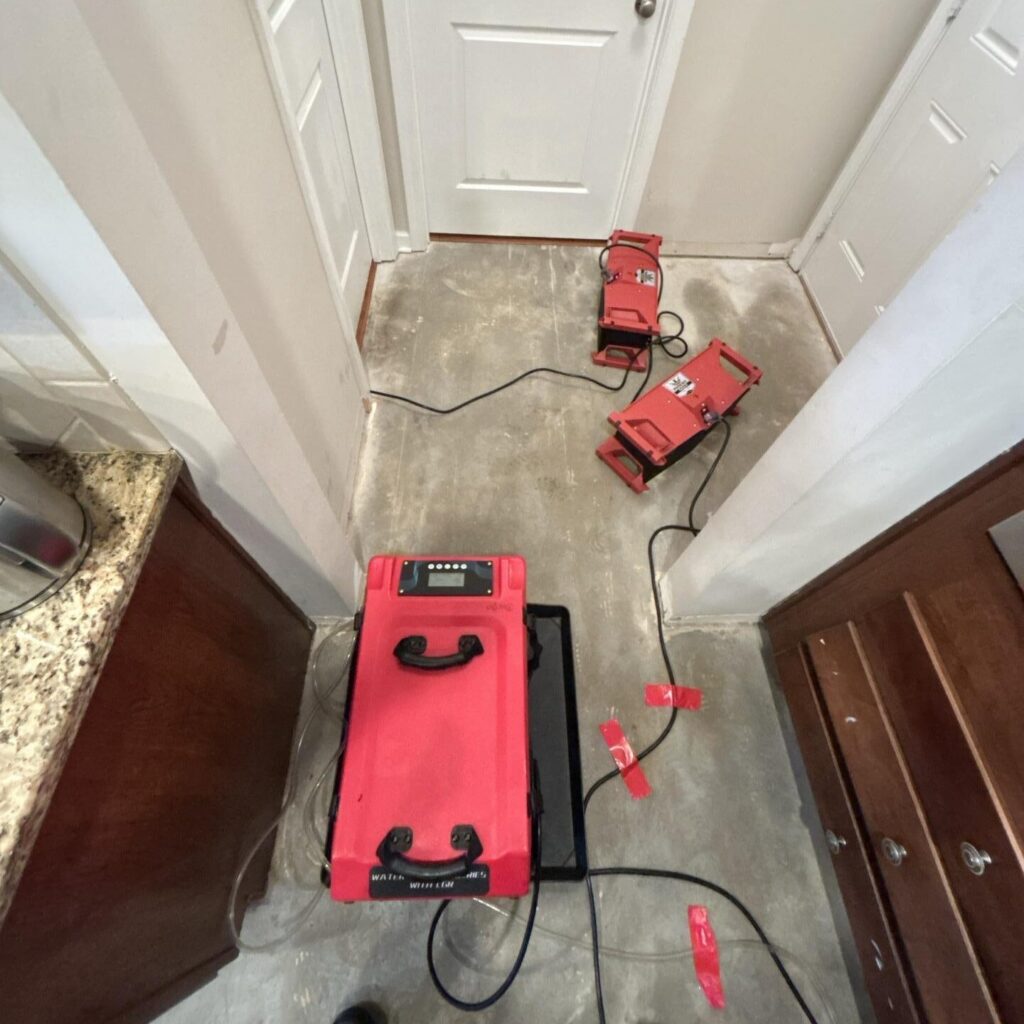
Severe thunderstorms are a fact of life in Lawrenceville, GA. From heavy rainfall and flash flooding to high winds and fallen trees, summer storms can cause significant damage needing water damage restoration throughout Gwinnett County. Whether you’re dealing with a flooded basement, roof leak, water intrusion, or storm-related property damage, acting quickly can help prevent costly repairs and long-term issues like mold growth.
If recent storms have caused water damage to your home or business, follow these seven critical steps to protect your property and begin the recovery process.
Why Fast Water Damage Restoration Matters
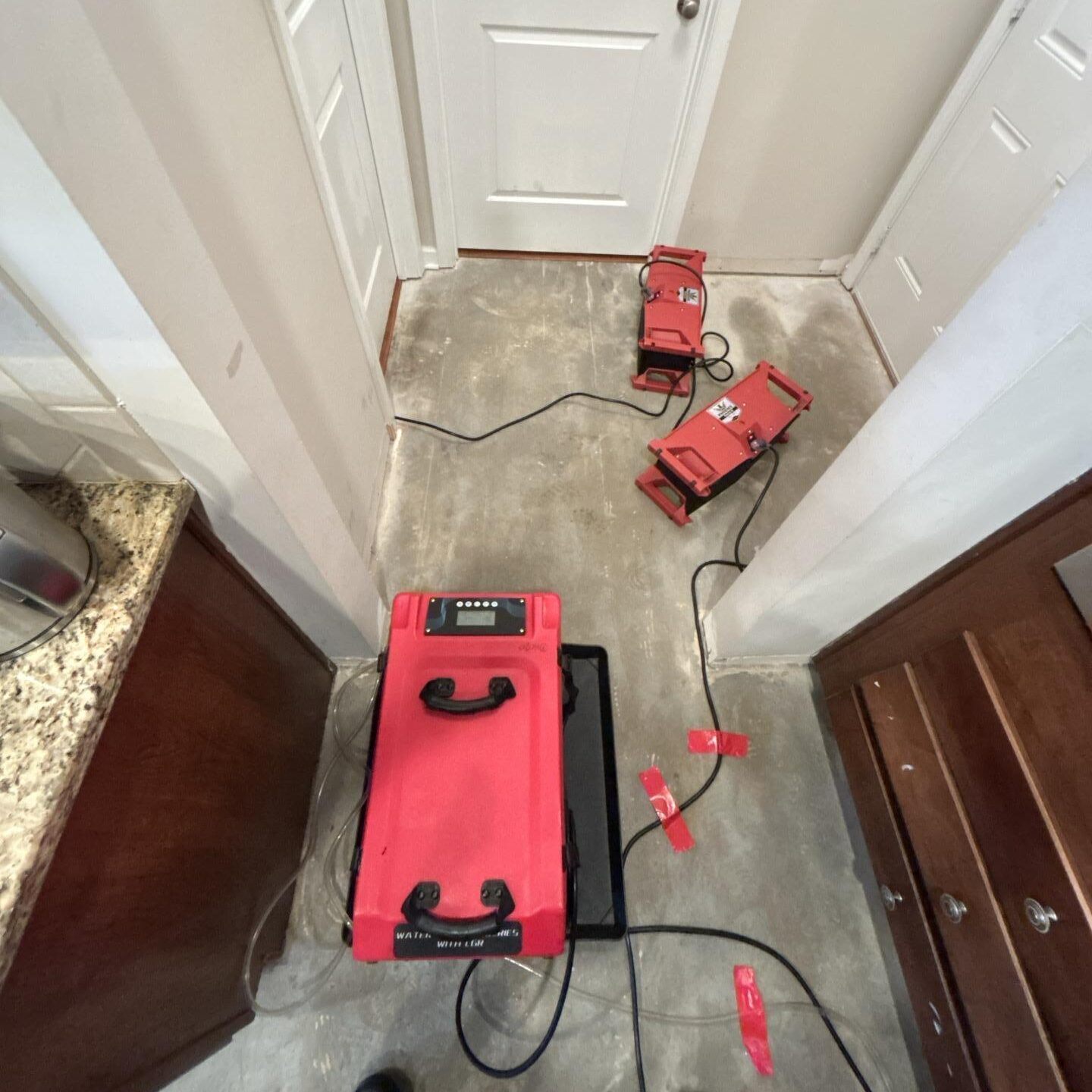
Water damage doesn’t stop when the rain ends. Water can quickly penetrate drywall, flooring, insulation, and structural materials. Within 24 to 48 hours, excess moisture can create ideal conditions for mold growth.
That’s why professional water damage restoration in Lawrenceville, GA begins with rapid response, emergency water removal, and thorough structural drying.
Homeowners throughout Lawrenceville, Duluth, Suwanee, Snellville, Grayson, Dacula, and Buford often experience storm-related water damage during Georgia’s severe weather season.
Common Causes of Storm Damage in Lawrenceville, GA
Strong thunderstorms can damage properties in many ways, including:
- Roof leaks caused by wind damage
- Missing shingles
- Flooded basements and crawl spaces
- Overflowing gutters and downspouts
- Foundation water intrusion
- Fallen trees and branches
- Sump pump failures
- Flash flooding
- Water entering through doors and windows
Understanding how water entered your property is the first step toward preventing additional damage.
Step 1: Prioritize Safety
Before entering flooded areas, ensure the property is safe.
Watch for:
- Electrical hazards
- Structural damage
- Contaminated floodwater
- Slippery surfaces
If electrical systems have been affected, avoid standing water and contact qualified professionals.
Step 2: Stop Additional Water Intrusion
If possible, take temporary steps to prevent more water from entering the property.
This may include:
- Placing tarps over roof damage
- Boarding broken windows
- Clearing clogged gutters
- Redirecting water away from the foundation
The sooner water intrusion is controlled, the less extensive the damage becomes.
Step 3: Document All Damage
Take detailed photos and videos before cleanup begins.
Document:
- Standing water
- Damaged flooring
- Wet drywall
- Furniture and personal belongings
- Exterior storm damage
Proper documentation helps support insurance claims and provides a clear record of the loss.
Step 4: Begin Emergency Water Removal
Standing water should be removed immediately.
Emergency water removal helps:
- Minimize structural damage
- Protect belongings
- Reduce restoration costs
- Prevent mold growth
For significant losses, professional water extraction services are often necessary to remove water quickly and thoroughly.
Step 5: Dry the Property Thoroughly
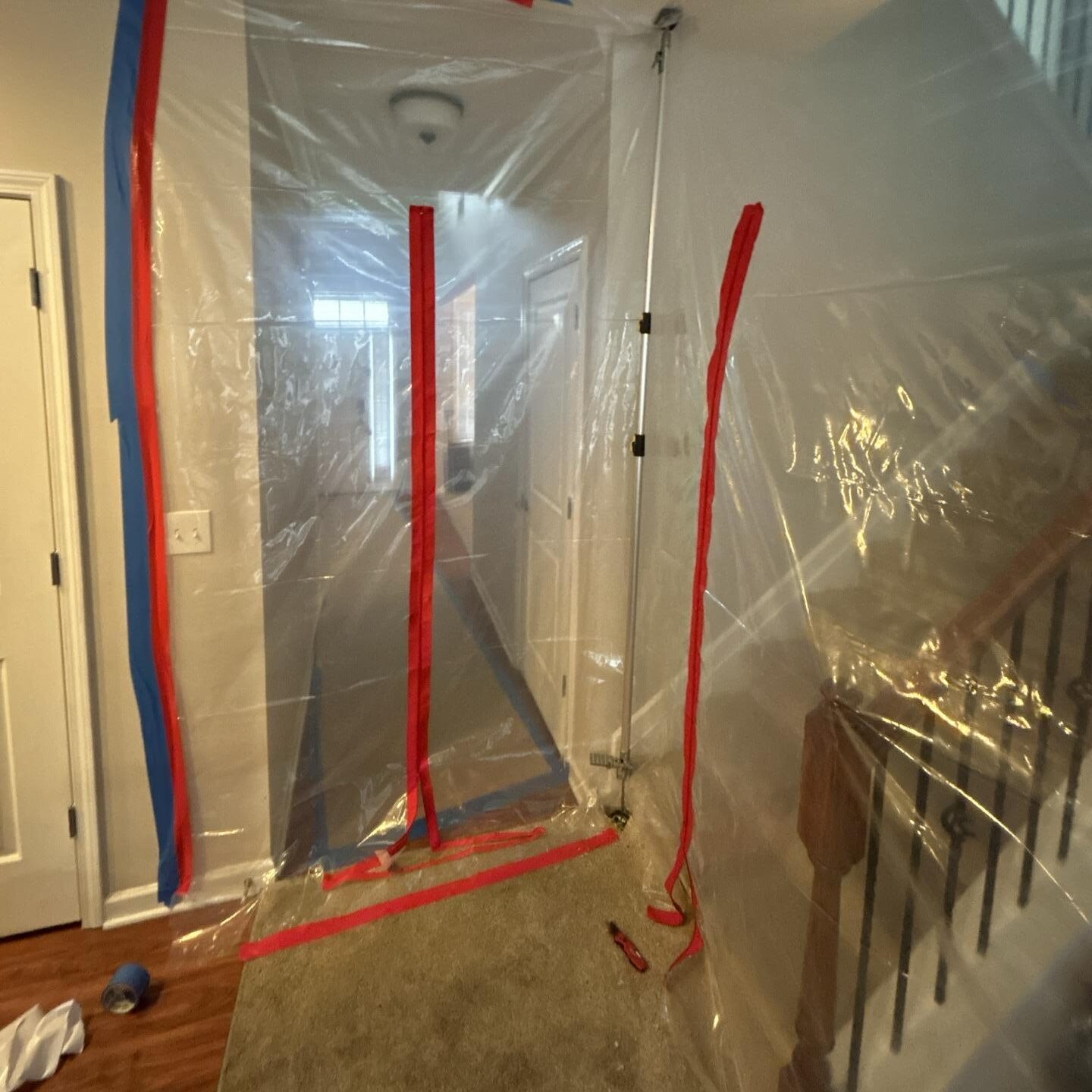
Even after visible water is removed, moisture often remains hidden behind walls and beneath flooring.
Professional drying equipment includes:
- Commercial dehumidifiers
- Industrial air movers
- Moisture meters
- Thermal imaging technology
Proper drying is essential for successful water mitigation and restoration.
Step 6: Watch for Mold Growth
Georgia’s warm, humid climate can accelerate mold growth after water damage.
Warning signs include:
- Musty odors
- Discoloration on walls and ceilings
- Warped materials
- Increased indoor humidity
Prompt drying and moisture monitoring can help prevent mold from becoming a larger problem.
Step 7: Contact a Professional Storm Damage Restoration Company
Professional storm damage restoration services help identify hidden moisture, prevent secondary damage, and restore affected areas efficiently.
Services may include:
- Emergency water removal
- Water extraction services
- Structural drying
- Flooded basement cleanup
- Storm damage restoration
- Mold prevention
- Reconstruction services
Frequently Asked Questions
How quickly should water damage be addressed?
Immediately. The first 24–48 hours are critical for preventing mold growth and minimizing structural damage.
Can thunderstorms cause mold?
Yes. Moisture trapped in walls, flooring, and insulation can create ideal conditions for mold growth.
What should I do if my basement floods?
Turn off power if safe to do so, document the damage, remove standing water, and contact a professional restoration company.
Does homeowners insurance cover storm damage?
Coverage depends on your policy and the cause of loss. Contact your insurance provider for details.
Water Damage Restoration Lawrenceville GA
If your home or business has been affected by recent storms, PuroClean of Lawrenceville provides 24/7 emergency water damage restoration, storm damage restoration, flooded basement cleanup, and water extraction services throughout Lawrenceville, Duluth, Suwanee, Grayson, Dacula, Buford, Snellville, and surrounding Gwinnett County communities.
When disaster strikes, our team is ready to respond quickly, mitigate damage, and help restore your property to pre-loss condition.