Wall insulation is an essential component of modern residential construction throughout Snellville, Lawrenceville, Grayson, and Gwinnett County.
Designed to maintain comfortable indoor temperatures, reduce monthly energy utility costs, and optimize overall thermal efficiency, insulation fills the wall cavities between wooden framing studs. However, while insulation excels at trapping stagnant air to regulate thermal transfer, it also excels at absorbing and holding onto liquid water.
Whether caused by a hidden plumbing pipe leak behind drywall, a burst water supply line, an overflowing upper-floor bathroom, or storm water seeping through exterior siding and window flashing, water entering wall cavities creates a silent, highly destructive crisis. Because wall cavities are tightly enclosed and lack natural airflow, trapped moisture cannot evaporate on its own. Understanding what happens to wet insulation, how it degrades your home’s structural integrity, and how professional restoration technicians salvage wall assemblies will help you take fast, decisive action to protect your property investment and family health.
How Different Insulation Types React to Water Intrusion
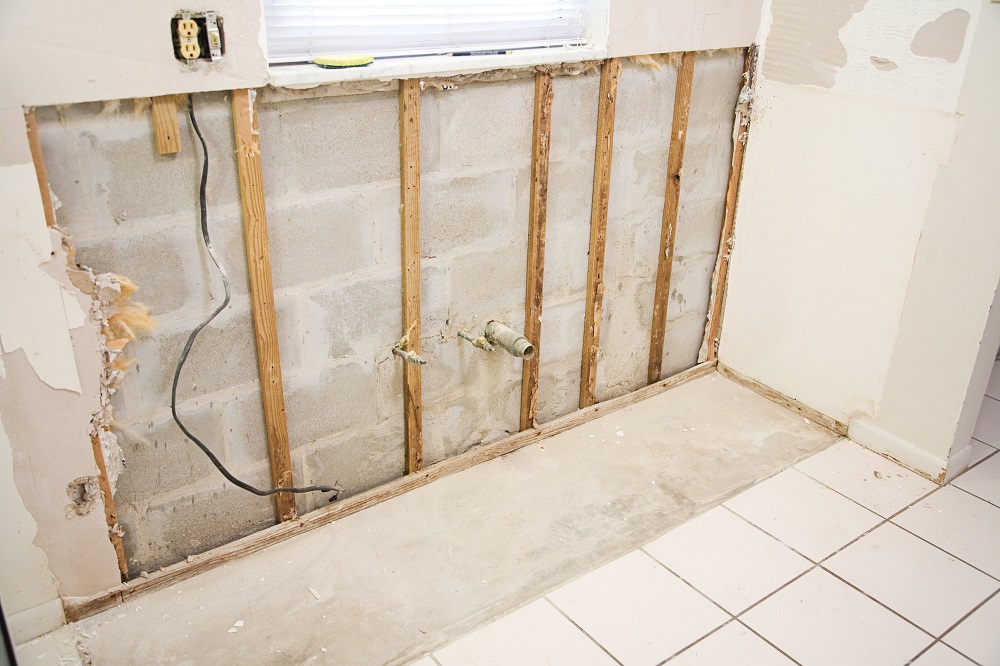
Homes in Snellville and Gwinnett County contain various insulation materials, each reacting differently when exposed to water loss events:
1. Fiberglass Batt and Blown Insulation: Fiberglass is the most common residential insulation material in North Georgia homes. While glass fibers themselves do not absorb liquid water, the microscopic air pockets between fibers trap water via capillary action. Saturated fiberglass mats sag, mat down, and lose structural loft, creating uninsulated air gaps at the top of wall cavities. Once wet, fiberglass paper backing becomes a prime breeding ground for toxic mold spores.
2. Cellulose Insulation: Made from recycled paper products treated with fire retardants, cellulose absorbs liquid water like a sponge. Saturated cellulose compacts tightly at the bottom of wall cavities, holds extreme moisture levels against wooden wall studs, and washes away fire-retardant chemicals. Wet cellulose is practically impossible to dry in place and must almost always be completely removed and replaced.
3. Mineral Wool (Roxul) Insulation: Mineral wool is naturally moisture-resistant and hydrophobic, meaning it repels liquid water rather than soaking it in. However, water can still pool around the material inside wall cavities, dampening adjacent drywall paper backing and wooden framing members.
4. Spray Foam Insulation (Open-Cell vs. Closed-Cell): Open-cell spray foam has a porous structure that absorbs moisture and traps water inside wall cavities. Closed-cell spray foam is impermeable to water and acts as a vapor barrier; however, water can still run behind the foam along wooden studs, making hidden leak detection challenging without specialized moisture equipment.
The 4 Hidden Consequences of Wet Wall Insulation
When water saturates wall insulation, a destructive chain reaction of structural and environmental hazards begins behind your drywall:
1. Permanent Loss of Thermal Resistance (R-Value Degradation): Insulation works by trapping stagnant air inside tiny pockets. When water replaces air in those pockets, thermal conductivity increases dramatically because water conducts heat 25 times faster than air. Saturated insulation loses up to 90% of its insulating R-value, causing heating and cooling energy bills to spike and HVAC systems to overwork constantly.
2. Rapid Mold Germination and Fungal Spore Spread: In Georgia’s warm, humid climate, mold spores trapped inside damp wall cavities germinate within 24 to 48 hours. Because wall cavities lack light and ventilation, fungal colonies thrive undisturbed, feeding on organic drywall paper backing and wooden studs while releasing microscopic spores into living areas.
3. Structural Framing Rot and Drywall Collapse: Wet insulation holds continuous moisture directly against wooden wall studs, sill plates, and drywall. Over time, wood framing absorbs moisture, leading to structural rot, warping, sagging, and termite attraction. Saturated drywall softens, sags, and can burst or collapse under the heavy weight of wet insulation.
4. Electrical Hazards and System Corrosion: Wall cavities contain electrical wiring, junction boxes, and outlets. Wet insulation contacting live electrical components creates short circuit risks, corrodes copper wiring, and presents severe electrical shock or fire hazards for occupants.
Wall Insulation Water Damage Assessment Matrix
Restoration professionals categorize wall insulation damage to determine whether cavity drying or material replacement is required:
| Insulation Type | Water Source & Category | Restoration Potential | Required Professional Action |
| Fiberglass Batts | Category 1 (Clean Water – Burst Pipe) | Moderate to High (Salvageable if dried within 24 hours). | Invasive cavity drying with active air injection, thermal imaging, LGR dehumidification. |
| Fiberglass Batts | Category 2 or 3 (Gray/Black Water or Storms) | None (Must be safely removed and discarded). | Flood cuts in drywall (12 to 24 inches above water mark), complete removal, HEPA sanitization. |
| Cellulose Insulation | Any Water Category (Clean, Gray, or Black) | Extremely Low (Compacts and traps moisture permanently). | Wall cavity opening, complete vacuum removal of compacted cellulose, stud sanitization. |
| Closed-Cell Spray Foam | Category 1 or 2 Water Intrusion | High (Foam itself does not absorb water). | Targeted drying of surrounding wood framing, moisture tracking along stud lines. |
How PuroClean Detects and Dries Hidden Moisture in Snellville Walls
Relying on touch or visual inspection alone is impossible when dealing with hidden wall moisture. PuroClean of Snellville & Lawrenceville utilizes advanced non-destructive technology and scientific structural drying techniques to rescue wet wall cavities:
Infrared Thermal Imaging Cameras: Thermal imaging identifies precise temperature differentials caused by evaporative cooling, allowing technicians to map the exact boundary of wet wall insulation behind intact drywall without tearing down walls needlessly.
Deep-Penetrating Digital Moisture Meters: Pinless and pin-type digital moisture meters accurately measure the moisture content (%) of drywall, insulation, and wooden studs inside the wall cavity.
Invasive Directional Wall Cavity Drying Systems: By removing baseboards and drilling tiny 3/4-inch holes near the floor line, technicians insert specialized wall drying injectors. High-pressure warm, dry air is pumped directly into the wall cavity, rapidly forcing moisture out of fiberglass insulation and framing studs without major drywall demolition.
Commercial LGR Dehumidification & HEPA Air Scrubbing: Industrial Low Grain Refrigerant dehumidifiers lower relative humidity inside the room below 40%, while HEPA air scrubbers continuously filter airborne mold spores released during cavity drying.
Filing Insurance Claims for Wet Wall Insulation in Gwinnett County
Standard homeowners insurance policies in Georgia generally cover wall water damage caused by sudden and accidental events, such as a burst supply line, failing water heater, or sudden appliance overflow. However, claims stemming from long-term unaddressed plumbing drips, deferred roof maintenance, or surface flooding are often excluded unless specialized flood insurance is carried.
PuroClean works directly with your insurance adjuster to document the cause of loss thoroughly. We provide thermal imaging scan reports, precise moisture mapping logs, and itemized Xactimate estimates to ensure your claim covers necessary drywall flood cuts, insulation replacement, and professional structural drying.
Frequently Asked Questions (FAQ)
Q: Can wet wall insulation dry out on its own inside the wall cavity?
No, wet wall insulation cannot dry on its own. Because wall cavities are enclosed spaces sandwiched tightly between drywall and exterior siding or brick, air circulation inside is near zero. Wet insulation will remain damp for weeks or months, creating an ideal environment for hidden black mold colonies and structural wood rot.
Q: What is a “flood cut” and why is it necessary during restoration?
A flood cut is a straight horizontal cut made in drywall usually 12 to 24 inches above the highest water line. Flood cuts allow technicians to pull out contaminated or unsalvageable wet insulation, inspect framing studs, treat wood with EPA-registered antimicrobials, and circulate dry air inside the wall cavity.
Q: How do I know if mold is growing inside my wall insulation?
Musty or earthy odors coming from electrical outlets or baseboard gaps are a primary indicator of hidden mold inside wall cavities. Other signs include discolored patches on drywall, peeling paint, bubbling wallpaper, or unexplained respiratory symptoms and allergy flare-ups when spending time in the room.
Q: Why choose PuroClean of Snellville & Lawrenceville for wall water damage?
Our local IICRC-certified team responds 24/7 across Snellville, Lawrenceville, Grayson, Lilburn, Dacula, and all of Gwinnett County. We utilize advanced thermal imaging, directional wall drying systems, and direct insurance billing to save your home’s walls and prevent costly structural rebuilds.
Water Inside Your Snellville Home’s Walls? Call PuroClean 24/7!
Don’t let hidden wall moisture destroy your insulation, structural framing, and family health. Contact the certified water damage and structural drying experts at PuroClean of Snellville & Lawrenceville immediately for rapid emergency response.
24/7 Emergency Hotline: (770) 810-5499
Serving Snellville, Lawrenceville, Grayson, Dacula, Suwanee & All of Gwinnett County
Thermal Moisture Mapping • Directional Wall Drying • Mold Remediation • Direct Insurance Billing