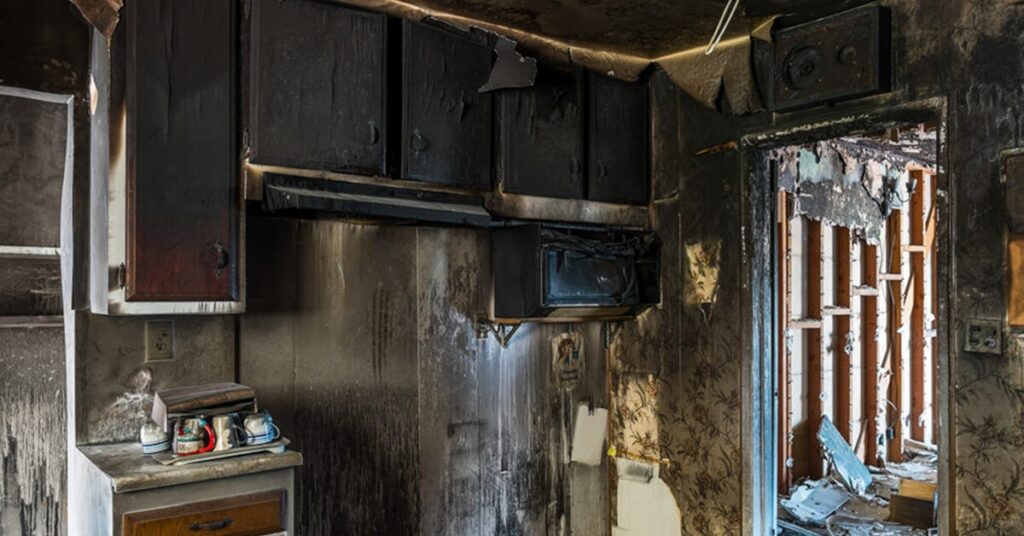
A house fire changes everything in a matter of minutes. When the local fire department finishes their work and leaves the scene, homeowners in Snellville and Lawrenceville are often left standing outside in shock, facing a damaged property filled with water, smoke, and debris. Navigating this situation requires a calm, organized approach to prevent further destruction and begin the recovery process safely.
Fire damage is uniquely complex because it involves three distinct types of property destruction working simultaneously:
- Direct Thermal Damage: Flames char structural elements, roofing, drywalls, furniture, and personal keepsakes.
- Acidic Soot & Smoke Penetration: High-temperature smoke and acidic soot particles drift into unburned rooms, penetrating porous drywall, carpet padding, upholstery, and central HVAC ductwork.
- Severe Water Damage: Thousands of gallons of water used by firefighters to extinguish the flames create immediate flooding risks, structural timber saturation, and rapid mold growth threats within 24 to 48 hours.
Knowing what steps to take—and what mistakes to avoid—is crucial during this vulnerable window.
Essential Safety Actions to Take Immediately After the Fire
Your health and personal safety must always remain the highest priority. Before thinking about cleanup or recovering personal possessions, ensure these initial safety steps are taken:
- Do Not Re-Enter Until Cleared by Officials: Never enter a fire-damaged building until the local fire marshal, fire department official, or building inspector explicitly declares the structure safe. Hidden structural damage, weakened floor joists, or compromised ceiling framing can cause sudden collapses.
- Seek Medical Attention for Inhalation or Injuries: Smoke inhalation poses serious health risks that may not be immediately obvious. Toxic gases like carbon monoxide and hydrogen cyanide are produced when modern synthetic building materials burn. If anyone experienced smoke exposure or minor burns, seek emergency medical evaluation right away.
- Secure Temporary Housing and Essentials: If your home is uninhabitable, contact local emergency relief organizations such as the American Red Cross or check with your homeowners insurance provider regarding Loss of Use (Additional Living Expenses) coverage, which funds emergency hotel stays, food, and clothing.
- Keep Pets Safe and Away from the Scene: Soot, sharp glass, nails, and chemical residues pose major dangers to pets. Keep animals contained in a safe, quiet location away from the damaged property.
Critical Immediate Steps: Securing Your Property and Insurance Claim
Once immediate safety is established, homeowners should take prompt administrative and protective actions to set up a successful restoration framework:
| Action Area | Primary Focus | Key Recommended Steps |
| Insurance Reporting | Initiating the Claims Process | Contact your insurance agent immediately to report the loss, request an advance for emergency living expenses, and obtain your official claim reference number. |
| Site Security | Preventing Secondary Damage & Vandalism | Arrange for emergency board-up of broken windows and doors, along with heavy-duty roof tarping to keep weather and unauthorized visitors out. |
| Property Documentation | Preserving Claim Evidence | Take extensive photos and videos of exterior and interior damage from safe perimeters before any cleanup or emergency mitigation begins. |
| Restoration Response | Mitigating Acidic Soot & Water | Call a certified fire restoration company like PuroClean of Snellville & Lawrenceville immediately to begin water extraction, corrosion control, and structural drying. |
Dangerous Mistakes to Avoid After a Fire
Well-meaning property owners often attempt to clean up or inspect their homes immediately after a fire, leading to costly mistakes or accidental health exposure. Avoid these common pitfalls:
- Do Not Attempt DIY Soot Removal: Wiping soot from walls, ceilings, or upholstery with domestic cleaning sprays often smears greasy combustion byproducts deeper into porous surfaces, causing permanent staining and locking in odors.
- Do Not Turn On Main Utilities or HVAC Systems: Never attempt to restore electrical, gas, or plumbing services yourself. Running central heating or air conditioning unit fan blowers will circulate acidic soot particulates throughout unburned zones of the home.
- Do Not Consume Exposed Food or Medicines: Discard any canned goods, boxed foods, medications, or cosmetics exposed to heat, smoke, or firefighting chemicals. Extreme heat can spoil sealed food, and toxic soot vapors easily compromise packaging.
- Do Not Walk Unnecessarily on Wet Carpets or Flooring: Walking across wet, soot-covered carpets grinds oily soot residues deep into carpet fibers and pad backing, making structural restoration far more difficult.
The Professional Fire and Smoke Restoration Process
Restoring a fire-damaged home requires highly specialized training, commercial equipment, and certified restoration techniques. At PuroClean of Snellville & Lawrenceville, our team guides homeowners through a comprehensive recovery framework designed to bring your home back to pre-loss condition:
1. Emergency Board-Up and Roof Tarping
We secure exposed building openings, damaged doors, broken windows, and compromised roof structures to protect your home against rain, wind, pests, and unauthorized entry.
2. Rapid Water Extraction and Structural Drying
Because water damage accompanies almost every major fire, we immediately deploy commercial water extractors, high-volume air movers, and LGR dehumidifiers to remove water and prevent secondary mold growth.
3. Soot Removal and Corrosion Control
Acidic soot corrodes metal fixtures, appliances, and delicate electronics within hours. We apply specialized pre-treatment sprays to neutralize corrosive residues, followed by HEPA vacuuming and chemical sponge cleaning.
4. Deep Thermal Deodorization and Air Purification
Smoke odors penetrate deep inside wall framing, insulation, and HVAC duct systems. We utilize advanced hydroxyl generators, thermal fogging, and ozone treatments to neutralize smoke odors at the molecular level rather than simply masking them.
5. Professional Pack-Out and Content Cleaning
Salvageable personal belongings, clothing, documents, and electronics are inventory-tracked, carefully packed, and transported to our climate-controlled facility for specialized cleaning, deodorization, and secure storage.
6. Complete Structural Reconstruction and Repair
From replacing charred drywall and subflooring to rebuilding structural framing and finishes, our team manages the full construction process to restore your property completely.
How PuroClean Simplifies Your Insurance Claims Experience
Navigating a homeowners insurance claim after a major fire can feel overwhelming. Adjusters require detailed documentation, itemized loss lists, structural moisture readings, and precise repair estimates. Working with an experienced restoration partner makes a significant difference.
PuroClean of Snellville & Lawrenceville works directly with all major national and regional insurance carriers throughout Georgia. We utilize industry-standard Xactimate pricing software, capture comprehensive photographic evidence, and submit detailed scope documentation straight to your claims adjuster. By managing communication directly with insurance representatives, we eliminate guesswork and accelerate approval times for necessary repairs.
Frequently Asked Questions (FAQ)
Q: How long does the fire damage restoration process usually take?
A: Timelines vary depending on the severity of structural damage. Minor smoke cleanup may take several days, whereas extensive fire and structural reconstruction can take several weeks or months. During our initial inspection, we provide a clear project schedule.
Q: Can smoke odor really be completely removed from a home?
A: Yes, when addressed using professional techniques. By combining HEPA air scrubbing, thermal fogging, and hydroxyl generator technology, we break down embedded smoke molecules in wood framing and drywall without damaging your home.
Q: What should I do with important documents and valuables found after a fire?
A: Collect essential personal items such as passports, birth certificates, medical records, financial documents, and family heirlooms as soon as officials allow safe entry. Place them in safe containers and inform your restoration coordinator so specialized content cleaning can be prioritized.
Q: Who pays for emergency board-up and water removal services?
A: Emergency mitigation services are typically covered under standard homeowners insurance policies to prevent secondary damage. PuroClean works directly with your carrier to bill these services straight to your insurance provider.
Q: Why should I choose PuroClean of Snellville & Lawrenceville for fire restoration?
A: Our local team brings rapid 24/7 emergency response, certified IICRC expertise, compassionate customer service, and full-service restoration capabilities. We handle everything from emergency board-up to final rebuilds under one trusted roof.
Facing Fire or Smoke Damage? Call PuroClean Immediately!
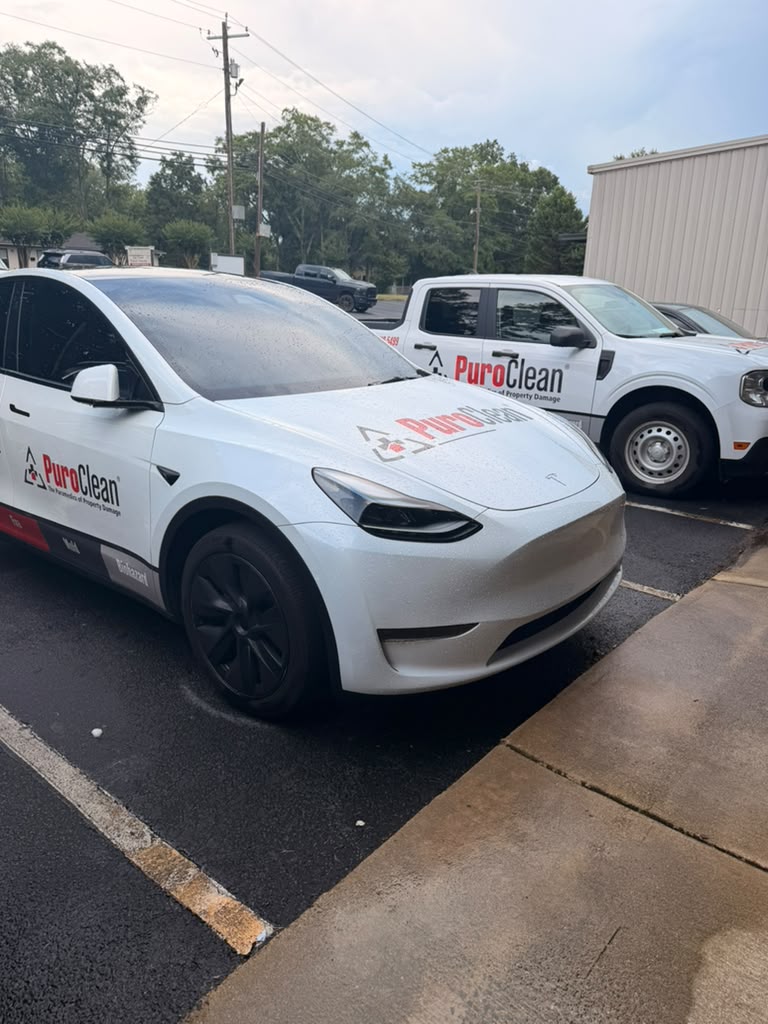
When disaster strikes, every minute counts. Protect your property, secure your home, and start your recovery with the trusted fire restoration specialists at PuroClean of Snellville & Lawrenceville.
24/7 Fire Emergency Hotline: (770) 810-5499
Serving Snellville, Lawrenceville, Grayson, Lilburn, Duluth & All of Gwinnett County
Rapid Emergency Board-Up • Soot & Smoke Removal • Water Extraction • Direct Insurance Billing