


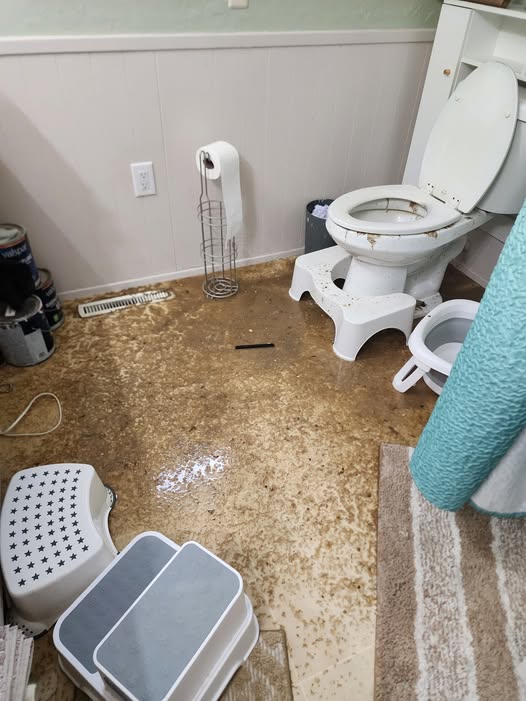
Few property disasters are as alarming, disruptive, and health-hazardous as a sewage spill or black water backup. Whether it originates from a backed-up toilet, a clogged municipal sewer main, tree root intrusion into lateral sewer pipes, or heavy storm flooding in Gwinnett County, sewage water entering your living area demands immediate, disciplined action.
Unlike clean water leaks from supply lines, sewage backups carry dangerous pathogens, bacteria, parasites, and industrial chemicals. For homeowners in Snellville and Lawrenceville, knowing how to react safely during the first 60 minutes of a backup can mean the difference between minor secondary damage and severe, long-term health and financial consequences.
At PuroClean of Lawrenceville, our emergency biohazard restoration teams are on standby 24/7/365 to contain sewage emergencies. Below is an essential safety field guide outlining what to do and what *never* to do when facing a sewage emergency.
Understanding Category 3 Water: What Makes Sewage So Dangerous?
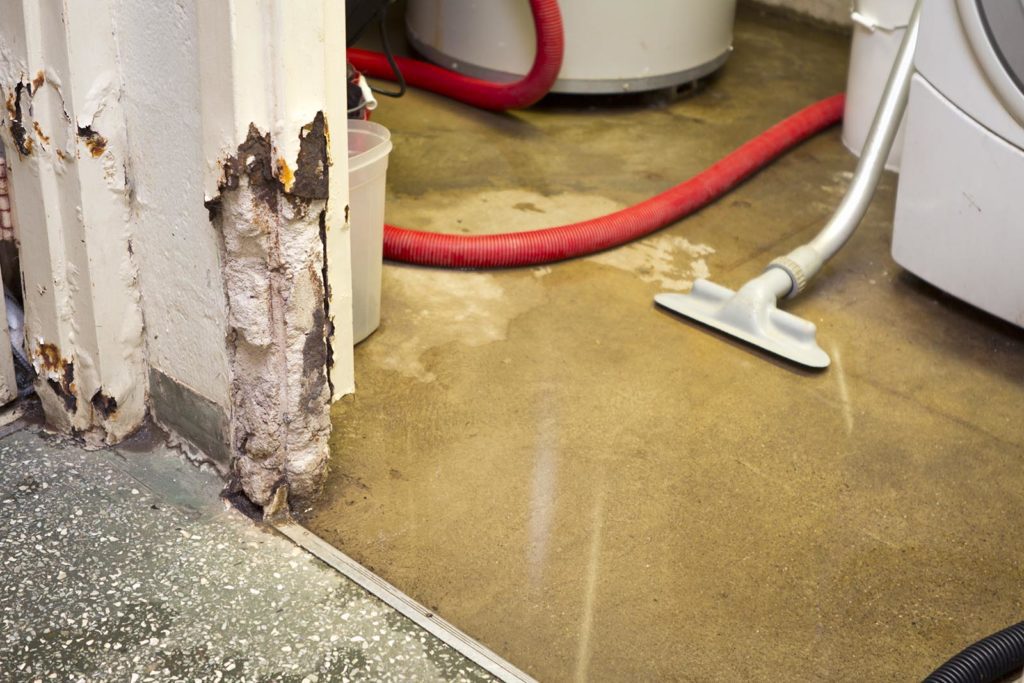
In the water damage restoration industry, water loss is categorized based on contamination levels according to IICRC (Institute of Inspection, Cleaning and Restoration Certification) standards. Sewage backups fall under **Category 3 Water**, commonly referred to as ‘Black Water.’
| Water Category | Source & Definition | Associated Health Risks |
| Category 1 (Clean) | Sanitary sources (broken supply pipes, clean sink overflows). | Low; minimal threat if addressed within 24–48 hours. |
| Category 2 (Gray) | Slightly contaminated water (washing machines, dishwashers, sump pump failures). | Moderate; contains chemical residues, micro-organisms, or organic matter. |
| Category 3 (Black Water) | Grossly contaminated water (sewage backups, toilet overflows with feces, seawater, surface floodwater). | Severe; highly toxic. Contains dangerous biological agents, bloodborne pathogens, and heavy metals. |
Black water contains a hazardous cocktail of biological agents, including **E. coli, Salmonella, Hepatitis A, Norovirus, Giardia, and Cryptosporidium**. Exposure occurs not only through direct skin contact or accidental ingestion but also through inhaling micro-droplets and airborne bio-aerosols suspended in the room.
Immediate Action Checklist: What to Do Right Away
If sewage begins backing up into your basement, bathroom, or crawl space, follow these immediate safety steps:
- 1. Evacuate the Immediate Area: Keep children, elderly relatives, and pets completely out of the affected space to prevent exposure and tracking contamination through the house.
- 2. Shut Off Main Water Supply: If the backup is originating from fixtures inside the home, shut off the main water valve to prevent further plumbing flow.
- 3. Turn Off Electrical Power to Affected Zones: If standing water reaches electrical outlets, baseboard heaters, or appliances, turn off the main circuit breaker from a dry location to eliminate electrocution hazards.
- 4. Avoid Skin & Respiratory Contact: Do not walk through raw sewage barefoot or in open shoes. If you must enter the perimeter briefly, wear rubber boots, heavy rubber gloves, and an N95 respirator mask.
- 5. Call Professional Restoration Experts Immediately: Contact PuroClean of Lawrenceville at (770) 810-5499 for emergency extraction and biohazard containment.
Critical Mistakes to Avoid During a Sewage Emergency
In a panic, well-intentioned homeowners often make errors that worsen contamination or endanger their health. Avoid these common mistakes:
- NEVER Run Central HVAC Systems: Running your furnace or air conditioner will draw airborne sewage pathogens into return vents and distribute bio-aerosols throughout your entire home.
- NEVER Attempt DIY Cleanup with Shop Vacs or Mops: Standard household shop vacs or mops will spread bacteria across floor surfaces and blow hazardous microscopic pathogens directly into the air through vacuum exhaust filters.
- NEVER Flush Toilets or Drain Sinks: Using any plumbing fixture in the home can force additional waste water backwards into lower-level drains, worsening the spill.
- NEVER Use Household Chemical Sprays or Bleach Alone: Pouring bleach over standing raw sewage causes dangerous chemical reactions, off-gassing, and fails to penetrate thick organic matter.
Common Causes of Sewage Backups in Snellville & Lawrenceville
Understanding why sewage backups happen helps Gwinnett County homeowners prevent future occurrences:
- Tree Root Intrusion: Mature oak and pine trees in Lawrenceville and Snellville routinely send roots deep into underground clay or PVC sewer lines, clogging waste lines and catching debris.
- Heavy Stormwater Runoff: Torrential Georgia summer downpours overload municipal sewer infrastructure, forcing municipal waste back up lateral lines into home basements.
- FOG (Fats, Oils, & Grease) Accumulation: Pouring cooking grease down kitchen drains coats sewer pipes over time, narrowing the line until waste cannot pass.
- Collapsed or Shifted Sewer Lines: Older homes with cast iron or terra cotta sewer lines may experience structural collapses due to soil shifting or age.
The PuroClean Biohazard Extraction & Cleanup Process
Restoring a sewage-contaminated home requires strict adherence to OSHA, EPA, and IICRC biohazard protocols. PuroClean of Lawrenceville executes a comprehensive 6-step restoration protocol:
- 1. Emergency Containment & PPE Protection: Our certified technicians deploy full Personal Protective Equipment (PPE) – including full-body suit containment, respirators, and heavy boot covers and establish negative pressure zones.
- 2. Sewage Water Extraction: Utilizing heavy-duty, truck-mounted extraction pumps, standing sewage and liquid waste are rapidly removed from the building.
- 3. Removal of Contaminated Porous Materials: Porous building materials contaminated by Category 3 water (carpet, padding, drywall, insulation, tack strips, subflooring) cannot be sanitized and are safely bagged, sealed, and disposed of per environmental biohazard regulations.
- 4. Deep Cleansing & Hospital-Grade Disinfection: Hard structural surfaces are scrubbed with industrial EPA-registered antimicrobial, bactericidal, and virucidal disinfectants to eradicate pathogens.
- 5. Structural Drying & Air Scrubbing: Commercial-grade HEPA air scrubbers, hydroxyl deodorizers, and high-velocity air movers are deployed to eliminate airborne particles and dry structural framing.
- 6. Reconstruction & Final Odor Elimination: Once testing confirms the space is 100% sanitized and dry, our team rebuilds drywall, flooring, and finishes to restore your home to pre-loss condition.
Frequently Asked Questions (FAQ)
Q: Does homeowners insurance cover sewage backup cleanup?
Standard homeowners insurance policies usually require a specific ‘Sewer & Drain Backup Rider’ or endorsement to cover sewage losses. PuroClean works directly with all major insurance carriers in Georgia to assist with documentation, photos, and claims handling.
Q: Can carpet contaminated with sewage be saved?
No. According to industry standards (IICRC S500), soft porous materials like carpet padding, woven carpet, and drywall exposed to Category 3 sewage water cannot be adequately disinfected and must be safely discarded.
Q: How long does it take to clean up a sewage backup?
Initial extraction and heavy containment usually occur within the first 12 to 24 hours. The entire process including structural drying, disinfection, and rebuild typically takes between 3 to 7 days depending on the severity.
Q: Is it safe to stay in the home during sewage restoration?
If the sewage backup is localized to one sealed bathroom, you may be able to remain in other areas. However, if the backup affects main living areas, basements, or central air systems, temporary evacuation is strongly recommended for health and safety.
Q: How can I prevent sewer line backups in the future?
Install a backwater valve (sewer check valve) on your main lateral drain line, schedule routine video camera inspections of sewer pipes, and avoid flushing non-flushable wipes, paper towels, or cooking grease.

| Fast, Certified Sewage Backup Response in Snellville & Lawrenceville When dealing with dangerous Category 3 sewage backups, don’t take risks with your family’s health or property. PuroClean of Lawrenceville brings emergency biohazard containment, hospital-grade sanitization, and full structural restoration 24 hours a day, 7 days a week. Call Our 24/7 Biohazard Emergency Line: (770) 810-5499 Location: 478 Northdale Rd., Suite 201, Lawrenceville, GA 30046 24/7 Sewage Cleanup, Water Extraction, Mold Remediation & Fire Damage Restoration |