Living in North Georgia means experiencing heavy seasonal rainfall, intense summer thunderstorms, and residual tropical weather systems.
While rainfall is essential for maintaining Gwinnett County’s lush landscapes, standing water pooling around your home’s foundation perimeter after a storm is a serious red flag that should never be ignored by homeowners.
Whether your property is located in Lawrenceville, Snellville, Grayson, Lilburn, Dacula, or Suwanee, the unique geological conditions of North Georgia, specifically dense red clay soil, play a major role in severe local drainage challenges. When rainwater accumulates around foundation footings, it exerts immense hydrostatic pressure against concrete masonry walls and floor slabs.
Over time, this trapped subterranean water seeps into basements, floods crawlspaces, causes structural wall cracking, and creates an ideal environment for toxic black mold. Here is an in-depth breakdown of why water pools around Gwinnett County foundations, the hidden dangers involved, and how professional restoration experts resolve subterranean water intrusion.
The Core Causes of Water Pooling Around Gwinnett Foundations

Several interconnected site, soil, and building drainage factors contribute to standing water pooling along your home’s foundation perimeter following heavy rainstorms:
1. Georgia Red Clay Soil Permeability: Gwinnett County soil is predominantly composed of dense red clay, which has an extremely slow percolation and absorption rate. Unlike sandy or loose loamy soils that allow rainwater to filter downward quickly, red clay acts almost like an impermeable waterproof barrier. Once the top layer becomes saturated during a rainstorm, additional surface runoff sits on top or pools heavily in low-lying pockets along your foundation walls.
2. Negative Yard Grading and Landscape Soil Settlement: Over time, the backfilled soil surrounding your home’s foundation naturalizes and settles, creating a lawn slope that angles inward toward your house rather than outward away from it (negative grading). Instead of shedding surface runoff safely away from foundation footings, rain flows directly toward the exterior walls, funneling massive water volume downward into foundation backfill zones.
3. Short or Clogged Gutter Downspout Extensions: Roof systems collect thousands of gallons of water during a typical North Georgia downpour. If downspouts dump water directly at the base of your home (less than 5 to 10 feet away) or if gutters overflow due to pine needles, oak tassels, and fallen leaves, concentrated torrents of water deposit directly along your foundation perimeter.
4. Hydrostatic Pressure and Subterranean Wall Seepage: As water accumulates in the heavy clay soil surrounding foundation walls, it creates hydrostatic pressure the physical force exerted by standing fluid. This heavy pressure forces water through microscopic concrete pores, mortar joints, tie-rod holes, and foundation cracks directly into basements, crawlspaces, and terrace-level living areas.
The 4 Major Consequences of Unaddressed Foundation Water Pooling
Ignoring standing water along your foundation perimeter leads to costly long-term structural, financial, and environmental home hazards:
1. Foundation Cracking and Structural Wall Bowing: Continuous hydrostatic pressure pushes inward against concrete block or poured wall foundations. Over time, this force leads to horizontal cracking, masonry wall displacement, and structural bowing that requires expensive wall anchors or steel helical piers to stabilize properly.
2. Basement and Crawlspace Inundation: Water that collects continuously outside inevitably finds a pathway inside. Subterranean seepage floods finished basements, ruins hardwood flooring, saturates carpet padding and drywall, and creates standing water pools across dirt crawlspace floors.
3. Toxic Mold Growth and Wood Member Rot: Persistent foundation moisture drastically elevates relative humidity levels inside crawlspaces, basements, and living areas. High humidity causes wooden floor joists, sill plates, and subflooring to rot while triggering black mold germination within 24 to 48 hours.
4. Pest Infestations and Soil Erosion: Damp, clay-rich soil around foundation footings attracts subterranean termites, carpenter ants, and mosquitoes. At the same time, pooling water washes away supporting soil beneath concrete driveways, patios, and front entry walkways.
Foundation Drainage Assessment & Solution Matrix
Identifying specific drainage symptoms helps homeowners and restoration specialists implement targeted corrective strategies:
| Drainage Indicator | Primary Root Cause | Immediate Homeowner Action | Long-Term Professional Solution |
| Water pooling within 3 feet of foundation walls | Short downspout discharges & negative soil grading | Clear gutters; attach 10-foot flexible downspout extenders | Regrade perimeter soil (1-inch drop per foot away); install underground pop-up drains. |
| Damp spots & white powder (efflorescence) on basement walls | Hydrostatic pressure forcing water through concrete pores | Move heavy garden beds away; clear perimeter landscape drains | Install interior perimeter French drain system & heavy-duty sump pump with battery backup. |
| Standing water flooding dirt crawlspace floor | High water table & clay soil water trapping | Run temporary sump pump; shut off standing water paths | Full crawlspace encapsulation with heavy vapor barrier, drainage matting, & commercial dehumidifier. |
| Water seeping under basement floor slab expansion joints | Saturated clay soil beneath foundation footings | Extract standing basement water immediately to protect finishes | Professional water extraction, exterior waterproofing membrane, & structural drying protocols. |
How PuroClean Restores Water-Damaged Basements and Crawlspaces
When foundation water leaks into your home’s lower levels, professional emergency mitigation is vital to prevent permanent mold growth and structural decay. PuroClean of Snellville & Lawrenceville provides comprehensive 24/7 water extraction and structural drying services:
Rapid Heavy-Duty Water Extraction: Industrial truck-mounted vacuum units quickly extract hundreds of gallons of standing water from flooded basement floors, carpets, and crawlspace pits to halt active saturation immediately.
Thermal Moisture Detection and Mapping: Infrared thermal imaging cameras identify hidden water migration routes traveling beneath basement subfloors and behind finished drywall assemblies without destructive tearing.
Commercial Structural Drying Systems: Industrial Low Grain Refrigerant (LGR) dehumidifiers and high-velocity air movers draw moisture out of saturated concrete slabs, wall studs, and subfloor joists to restore structural equilibrium.
EPA-Registered Antimicrobial Sanitization: Hospital-grade antimicrobial treatments disinfect affected concrete slabs, masonry walls, and wood surfaces to eliminate bacteria and suppress mold germination within the critical 24 to 48 hour window.
Does Homeowners Insurance Cover Foundation Water Intrusion in Georgia?
Navigating homeowners insurance coverage for foundation water damage in Georgia requires a clear understanding of policy terms and coverage limits:
Standard Homeowners Policies generally exclude ground surface water runoff, high water table seepage, and gradual foundation leaks resulting from maintenance issues or natural groundwater levels.
Flood Insurance (FEMA/NFIP) covers overland surface flooding events that impact multiple adjoining properties in a community.
Water Backup Endorsements cover water damage resulting from backed-up drains, clogged sewer lines, or sump pump mechanical failures during heavy rainstorms.
PuroClean works directly with your insurance adjuster to document the cause of loss thoroughly. We provide thermal imaging scan reports, precise moisture logs, and itemized Xactimate estimates for cleanups and structural drying to streamline your claim process.
Frequently Asked Questions (FAQ)
Q: How far should downspouts discharge water away from my home’s foundation?
Downspouts should discharge water at least 5 to 10 feet away from foundation walls. In Gwinnett County’s dense red clay soil, routing downspouts into underground PVC pipe extensions discharging toward natural slope drain points is highly recommended to prevent standing water pooling.
Q: What is efflorescence on my concrete basement walls?
Efflorescence is a white, powdery crystalline mineral deposit left on concrete or brick masonry walls as trapped moisture evaporates. It is a clear visual indicator that water is actively migrating through your foundation walls due to exterior hydrostatic pressure built up in the soil.
Q: How quickly does mold grow after basement flooding from rain?
In Georgia’s warm and humid subtropical climate, mold spores germinate on wet drywall paper, carpet padding, concrete, and wood framing within 24 to 48 hours. Immediate professional water extraction and structural drying are essential to prevent widespread mold infestation across lower levels.
Q: Why choose PuroClean of Snellville & Lawrenceville for water emergency response?
Our IICRC-certified technicians respond 24/7 throughout Lawrenceville, Snellville, Grayson, Lilburn, Dacula, Suwanee, and all of Gwinnett County. We arrive rapidly with industrial extraction equipment, thermal moisture mapping, and complete structural drying to safeguard your property value and family health.
Water Pooling Around Your Foundation or Flooding Your Basement?
Don’t let foundation water leaks destroy your home’s structural framing, basement finishes, and indoor air quality. Contact the certified water extraction and structural drying experts at PuroClean of Snellville & Lawrenceville immediately for 24/7 emergency response.
24/7 Emergency Hotline: (770) 810-5499
Serving Snellville, Lawrenceville, Grayson, Dacula, Suwanee & All of Gwinnett County
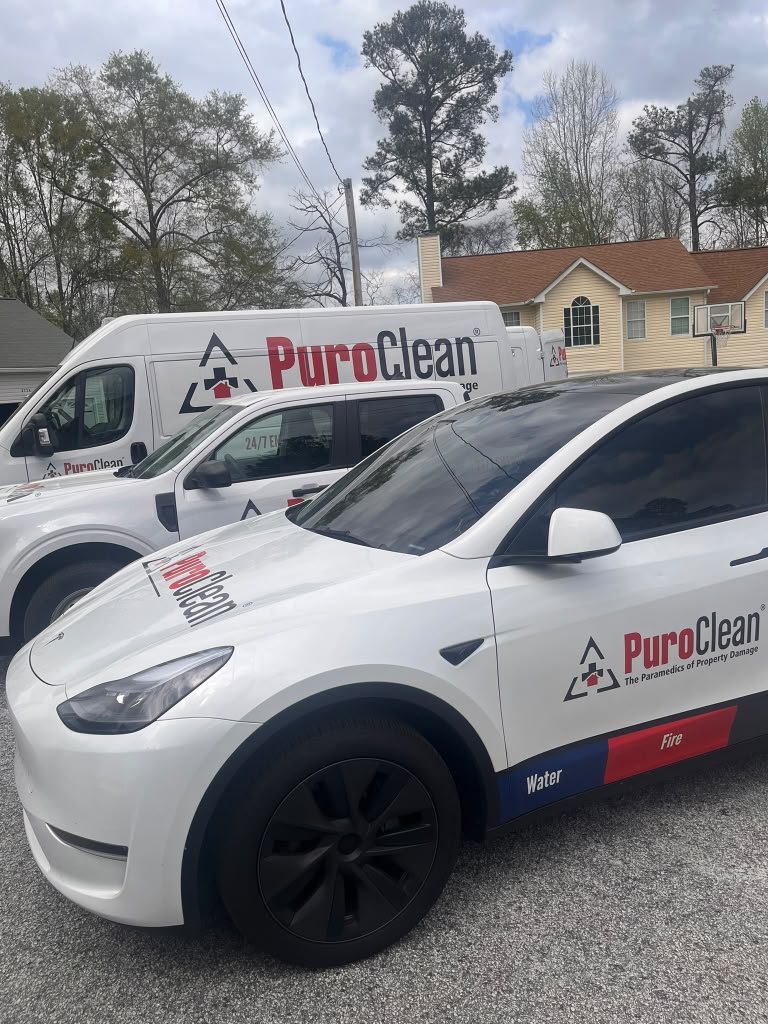
Rapid Water Extraction • Thermal Moisture Detection • Structural Drying • Direct Insurance Billing