


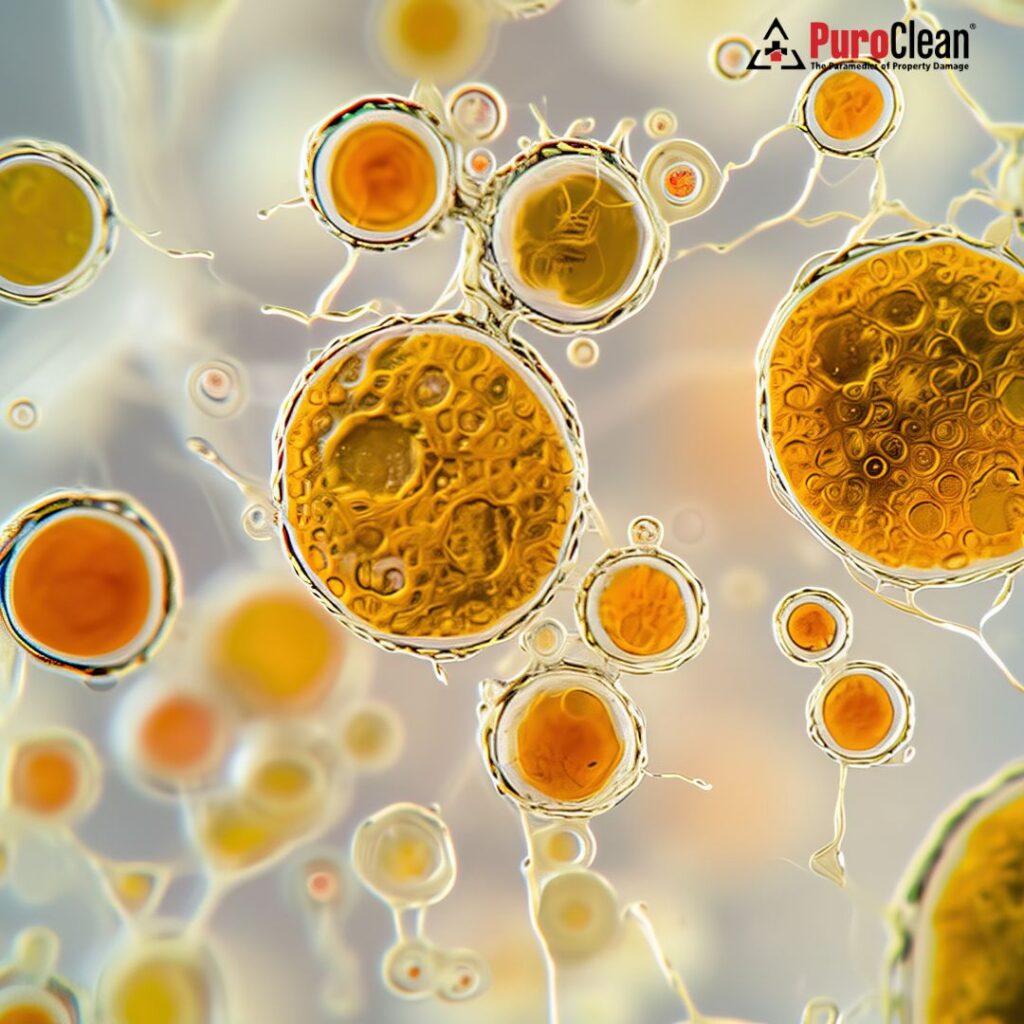
For homeowners in Lawrenceville, maintaining a healthy, clean indoor environment requires constant vigilance against mold.
Mold spores exist naturally everywhere in outdoor air, but when they enter a home with favorable moisture and temperature conditions, they settle, germinate, and spread rapidly. In Gwinnett County, property owners encounter structural and environmental pressures that make residential buildings particularly susceptible to fungal outbreaks.
Understanding why Lawrenceville homes attract mold is the first step toward effective prevention. From the oppressive relative humidity during long summer months to local architectural styles that trap warm air, the region creates an ideal climate for microscopic fungi. When moisture meets organic building materials like drywall, plywood, or carpet backing, a minor moisture issue can become a widespread microbial infestation in as little as 24 to 48 hours.
Key Environmental Factors Driving Mold Growth in Local Homes
Several regional climate characteristics come together in North Georgia to create a persistent mold hazard for local properties:
- High Relative Ambient Humidity: Throughout late spring, summer, and early autumn, relative humidity levels in Lawrenceville frequently exceed 70 to 80 percent outdoors. When outdoor air enters homes without adequate dehumidification, indoor humidity rises above the critical 60 percent threshold where mold thrives.
- Georgia Red Clay Soil Infiltration: The dense, clay-heavy soil surrounding foundation walls holds onto rainwater rather than allowing quick drainage. During heavy rainstorms, this saturated soil exerts pressure against basement and crawl space walls, forcing moisture into subfloor structural framing.
- Abundant Tree Canopies and Shade: Lawrenceville neighborhoods are famous for mature oak, pine, and hardwood trees. While beautiful, heavy tree cover blocks direct sunlight from roofs and exterior siding, preventing rainwater and morning dew from evaporating quickly.
- Sudden Rainstorms and Tropical Moisture: Intense downpours can deliver multiple inches of rain in a short timeframe. Overwhelmed gutters, downspouts, and site grading often allow water to pool around building perimeters, leading directly to subterranean moisture intrusion.
Primary Vulnerability Zones Inside Lawrenceville Properties
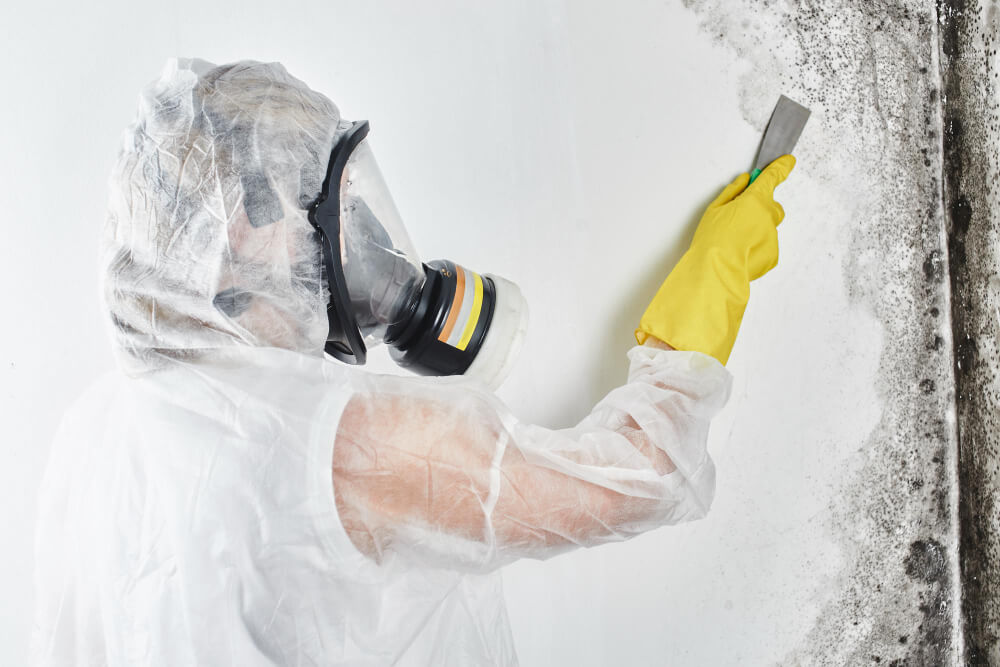
While mold can grow on almost any surface given enough water, certain areas within Lawrenceville residences are far more prone to infestation than others.
| Home Area | Primary Moisture Triggers | Common Mold Indicators |
| Crawl Spaces | Exposed soil floors, open exterior vents, ground water seepage, uninsulated duct condensation. | Musty odors in living spaces above, sagging floor joists, white powdery efflorescence or dark spots on wood framing. |
| Basements | Hydrostatic pressure through concrete walls, plumbing leaks, sump pump failures, foundation wall cracks. | Damp perimeter walls, peeling paint, visible staining on baseboards, warped wall paneling, lingering earthy smells. |
| Attics & Roof Systems | Roof shingle leaks, improperly vented bathroom exhaust fans, inadequate soffit ventilation, high attic heat. | Dark spots on roof sheathing, damp insulation, rusted roof fasteners, persistent upper-floor humidity. |
| HVAC Systems & Closets | Condensate drain line clogs, oversized AC units cycling too quickly, dirty coils, uninsulated air ducts. | Black speckling around supply registers, musty air when air conditioning turns on, visible growth inside unit closets. |
Health Risks and Structural Damage Associated with Inaction
Ignoring a mold problem in a residence can lead to serious consequences for both physical wellbeing and property valuation. Mold reproduces by releasing millions of microscopic spores and volatile organic compounds into indoor air. When occupants inhale these particles daily, various health symptoms can emerge.
Individuals with asthma, allergies, or compromised immune systems are particularly sensitive to indoor mold exposure. Common health reactions include chronic nasal congestion, throat irritation, persistent coughing, eye redness, skin rashes, and heightened asthma attacks. Long-term exposure to toxigenic mold species, such as Stachybotrys chartarum, can trigger more severe respiratory distress and chronic headaches.
From a structural standpoint, mold relies on organic materials like wood cellulose to grow. As fungal colonies feed on floor joists, wall studs, subflooring, and paper-faced drywall, they gradually weaken the structural integrity of these components. Over time, unchecked mold rot can cause floor framing to sag, drywall to collapse, and property values to plummet significantly.
Six Proactive Measures to Stop Mold Fast in Your Home
Preventing mold requires a combination of routine maintenance, moisture control, and rapid response when water leaks occur. Here are six essential steps every Lawrenceville homeowner should implement immediately:
1. Maintain Indoor Humidity Below 50 Percent
Run your central air conditioner continuously during hot months and invest in whole-home or portable dehumidifiers for subterranean areas. Use a digital hygrometer to monitor indoor relative humidity daily, keeping levels safely between 30 and 50 percent.
2. Fix Plumbing Leaks and Roof Failures Immediately
Even small pinhole pipe leaks or minor roof shingle gaps can deliver enough continuous moisture to foster hidden mold colonies behind drywall or inside ceiling cavities. Inspect under sinks, around water heaters, and along rooflines regularly.
3. Encapsulate or Vapor-Barrier Your Crawl Space
Unsealed crawl spaces in North Georgia allow ground moisture to evaporate directly into subfloor structural wood. Installing a thick, professional-grade polyethylene vapor barrier or fully encapsulating the crawl space with a dedicated dehumidifier eliminates this primary moisture source.
4. Ensure Proper Exterior Drainage Away from Foundations
Clean roof gutters every spring and autumn to prevent water overflow. Extend downspouts at least five to ten feet away from foundation walls, and ensure landscape grading slopes away from the home so rainwater drains away naturally.
5. Improve Ventilation in High-Moisture Rooms
Always operate exhaust fans in bathrooms, kitchens, and laundry areas during and after use. Ensure exhaust ducts vent directly outdoors rather than terminating inside attic spaces or soffits where warm moisture can condense.
6. Act Within 24 to 48 Hours After Water Incidents
Whether dealing with a burst washing machine hose, a hot water heater leak, or storm flash flooding, extract standing water and initiate aggressive structural drying immediately. Mold spores require only 24 to 48 hours to begin colonizing wet materials.
The Professional Mold Remediation Process by PuroClean
When mold growth covers an area larger than ten square feet, or when contamination involves hidden structural cavities, DIY cleaning methods like household bleach are insufficient. Bleach cleans surface stains on non-porous materials but fails to penetrate porous wood or drywall roots, often leaving active roots behind while introducing excess water.
At PuroClean of Snellville & Lawrenceville, our certified remediation technicians follow rigorous IICRC standards to contain, eliminate, and prevent mold contamination effectively:
- Comprehensive Moisture Inspection: We utilize advanced infrared thermal cameras and digital moisture meters to locate hidden water sources and pinpoint exact contamination boundaries behind walls and ceilings.
- Strict Physical Containment: We isolate affected work areas using negative air pressure machines fitted with HEPA filtration and plastic sheeting barriers. This prevents cross-contamination of mold spores into clean areas of the home.
- HEPA Air Scrubbing: High-efficiency air scrubbers run continuously to filter airborne mold spores, dust, and microscopic debris, restoring indoor air quality during the cleanup process.
- Safe Material Removal & Surface Cleaning: Unsalvageable porous materials like ruined drywall or carpet padding are safely removed under containment. Remaining structural surfaces are scrubbed using specialized HEPA vacuums and EPA-registered anti-microbial treatments.
- Controlled Structural Drying: We deploy heavy-duty air movers and commercial LGR dehumidifiers to dry remaining building materials back to normal dry standards, ensuring mold cannot return.
- Final Inspection & Protective Sealing: In critical areas such as crawl spaces or attics, we apply clear protective anti-fungal sealants to protect wood surfaces against future moisture intrusion.
Frequently Asked Questions (FAQ)
Q: Why is household bleach ineffective for removing mold on drywall or wood framing?
Bleach consists primarily of water. When applied to porous materials like wood or drywall, the chlorine stays on the surface while the water penetrates deep into the material. This feeds the subterranean mold root system, causing the mold to return stronger a short time later.
Q: How do I know if I have hidden mold inside my Lawrenceville home?
Key signs of hidden mold include persistent musty or earthy odors, unexplained allergic reactions that improve when you leave home, water stains on ceilings or walls, and sudden unexplainable increases in indoor humidity levels.
Q: Is mold remediation covered by standard homeowners insurance policies in Georgia?
Insurance coverage depends on the underlying cause of the mold. If mold results from a sudden and accidental covered peril, such as a burst plumbing pipe, remediation is often covered. Mold caused by poor maintenance, long-term leaks, or rising floodwaters typically requires specialized endorsements or flood policies.
Q: How long does professional mold remediation take to complete?
Most residential mold remediation projects take between three to five business days. The timeline depends on the size of the contaminated area, the extent of structural drying required, and whether material reconstruction is needed.
Q: Can I remain inside my home during the mold remediation process?
In many cases, homeowners can remain in their home while work is underway, provided the contaminated area is fully contained under negative pressure. If contamination is widespread throughout the primary living quarters or HVAC system, temporary relocation may be recommended for safety.
Suspect Mold in Your Lawrenceville Home? Act Now!
Don’t allow hidden moisture and mold spores to compromise your property’s value and your family’s health. Contact the certified microbial remediation experts at PuroClean of Snellville & Lawrenceville for fast, professional inspection and cleanup.
24/7 Mold Response & Consultation Line: (770) 810-5499

Serving Lawrenceville, Snellville, Grayson, Dacula, Suwanee & All of Gwinnett County
Certified Remediation • Advanced Moisture Detection • HEPA Containment • Insurance Claim Assistance