 PuroClean of Lawrenceville
On a cold morning last January, just after a surprise freeze swept across Gwinnett County, a homeowner in the Collins Hill area walked downstairs to find half an inch of water covering her basement floor. At first, she assumed it was a spill from the kids’ play area. But as she stepped closer, she realized the water wasn’t clean. It was seeping in from the baseboards, spreading slowly but steadily across the entire room.
Her situation was far from unique. Every winter, dozens of homeowners across Lawrenceville, Grayson, Snellville, Dacula, and Lilburn face basement floods triggered by sudden cold snaps, heavy rains, poorly insulated pipes, and overloaded drainage systems. Even though Georgia’s winters are short and generally mild, the combination of fluctuating temperatures and seasonal storms makes basement flooding a persistent cold-weather threat.
This extensive guide explores why winter basement flooding is more common than most Lawrenceville homeowners realize, how local geography and infrastructure influence risk, and what steps you should take immediately when flooding occurs.

Table of Contents
Why Winter Basement Flooding Happens in Lawrenceville
Basements in Lawrenceville face unique challenges because of the region’s weather patterns, soil composition, and community layout. While homeowners often associate flooding with summer storms, winter poses hidden risks—especially when temperatures drop below freezing overnight.
Here are the primary causes of winter basement flooding in and around Lawrenceville.
1. Burst or Frozen Pipes—A Leading Cause During Cold Snaps
Even though Lawrenceville does not experience long, harsh winters, we see quick temperature drops that fall below freezing, especially overnight in December, January, and February. These sudden cold snaps create perfect conditions for frozen pipes.
Why Lawrenceville Homes Are Vulnerable
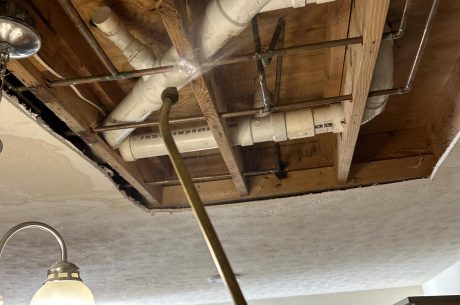
- Many homes built in the 80s and 90s have plumbing routed through garage walls, crawlspaces, and basement ceilings—areas that often lack proper insulation.
- Homes in the Lawrenceville Highway, Sugarloaf Parkway, and Old Norcross Road corridors have extensive outdoor plumbing connections subject to cold exposure.
- Basements with unfinished ceilings or open utility rooms leave pipes susceptible to cold airflow.
How Frozen Pipes Lead to Flooding
When water freezes inside a pipe:
- It expands.
- Pressure builds behind the ice blockage.
- The pipe cracks or bursts.
- Once temperatures rise again, water gushes out into the basement.
A single burst pipe can release hundreds of gallons in minutes, turning a small basement leak into a major flood.
2. Foundation Cracks Become Entry Points During Winter
Concrete naturally expands in the heat and contracts in the cold. Even hairline cracks that seem harmless can widen just enough during winter to allow moisture to seep through.
Why It’s Worse in Gwinnett County
Lawrenceville soils are primarily red clay, which holds water. During winter rains—a frequent occurrence—the soil around the home becomes oversaturated. With nowhere to drain, water pushes against foundation walls and squeezes through weak points.
Neighborhoods with sloped terrain—such as River Club, New Hope Road, and areas near the Alcovy River—experience this more often because water naturally flows downhill and collects near the lowest part of the property: the basement.
3. Frozen or Clogged Gutters and Downspouts
Winter rains and freezing nights often cause:
- Frozen downspouts
- Blocked gutters filled with leaves from late-falling Georgia trees
- Ice dams forming at the base of rooflines
When this happens, water cannot flow away from the home. Instead, it spills over the edges and pools around the foundation. Given enough pressure, moisture begins seeping through:
- Basement walls
- Window wells
- Floor seams
- Foundation cracks
Homes surrounded by trees—especially those in Steeplechase, Wynterberry, Bethesda, and Five Forks Trickum—experience this at higher rates.
4. Sump Pump Malfunctions Caused by Winter Weather
While not every Lawrenceville home has a sump pump, many properties built on lower elevations or near water channels do. Sump pumps can fail during the winter for several reasons:
The Most Common Winter Failures
- Frozen discharge lines prevent water from being pumped out.
- Power outages during winter storms disable the pump entirely.
- Increased groundwater levels overwhelm older or underpowered pumps.
- Pumps that haven’t been tested or serviced in years simply fail under pressure.
When a sump pump stops working—even for an hour—water can rise quickly and flood the basement.
5. Winter Sewer Backups
Cold weather places enormous stress on sewer systems across Lawrenceville and Gwinnett County.
Why They Happen More in Winter
- Holiday grease hardens inside pipes.
- Cold temperatures cause sewer lines to contract.
- Heavy water use during holiday gatherings overwhelms municipal lines.
- Tree roots invade warm sewer pipes during winter.
Homes near older sewer mains—such as Downtown Lawrenceville, Pike Street, or Mechanicsville—are especially at risk.
A sewer backup is one of the most dangerous types of winter flooding because the water contains biological contaminants.
Real Story From Lawrenceville:
A Basement Flood Caused by a Surprise Freeze
In early February, a family off New Hope Road woke up to a flooded basement after a cold night that dropped temperatures to 25°F. Their washing machine line—running along an uninsulated basement ceiling—froze and burst overnight.
Because the pipe thawed slowly, water leaked for hours before they discovered it.
By the time they called PuroClean, water had already:
- Soaked the drywall
- Saturated the carpets
- Damaged furniture
- Begun seeping into storage areas
The homeowners assumed winter was a “safe season” for water damage—but winter is actually one of the most deceptive times.
Early Warning Signs of Winter Basement Flooding
Catching the problem early can prevent thousands of dollars in damage. Look for:
- Sudden drop in water pressure
- Sump pump activating frequently
- Water stains on walls or floors
- Musty smells
- Cold spots on basement walls
- Bubbling paint
- Slow drains (a sign of sewer issues)
- Ice forming around exterior spigots
- Cracks appearing or expanding during cold snaps
If you notice these symptoms, action is required immediately.
How to Prevent Winter Basement Flooding in Lawrenceville
Here are practical, locally relevant steps every homeowner should implement before and during the winter season.
1. Insulate Exposed Pipes Properly
Use:
- Foam insulation sleeves
- Pipe wrap
- Heat tape for high-risk areas
High-risk locations include:
- Unfinished basement ceilings
- Garages
- Attics
- Crawlspaces
- Outdoor hose connections
2. Seal Existing Foundation Cracks
Do this before the winter season.
For larger cracks, professional injection sealing may be required.
Homes near slopes or water-runoff zones in Lawrenceville should check foundations at least once per year.
3. Keep Gutters Clean and Downspouts Extended
Make sure downspouts release water at least 6–10 feet away from your home.
If your property slopes toward the basement, consider installing:
- Downspout extensions
- Underground drainage
- French drains
4. Test and Maintain Your Sump Pump
Perform a routine test by pouring water into the pit.
Also ensure the discharge line is clear and insulated if it runs outside.
5. Let Faucets Drip During Freezes
Running water prevents freezing.
Focus on:
- Basement sinks
- Utility room taps
- Laundry room lines
- Exterior walls with plumbing
6. Improve Outdoor Drainage
Many Lawrenceville yards are clay-heavy and poorly graded.
You may need:
- Yard regrading
- A French drain
- Swale or channel drains
- A sump basin with exterior discharge
Homes in the Bethesda, Grayson, and Sweetwater Park areas often require upgraded drainage due to natural terrain.
7. Install a Backwater Valve
This small, inexpensive device prevents sewage from flowing back into your basement during winter sewer overloads.
What To Do Immediately After a Winter Basement Flood
Flooding is overwhelming, but the steps you take in the first hour will determine the total damage.
Step 1: Protect your safety first
Avoid the water if:
- Outlets or wiring may be submerged
- The furnace or water heater is affected
- You smell sewage or gas
Do not step into standing water until an expert confirms it is safe.
Step 2: Shut off the water supply if possible
If the source is a burst pipe, turning off the main valve can stop the flow.
Step 3: Document the damage
Insurance companies need proof.
Take pictures and video of:
- Flooded areas
- Damaged items
- Walls and flooring
- Standing water depth
Step 4: Call PuroClean of Lawrenceville Immediately
The cold weather slows evaporation.
That means building materials stay wet longer—leading to:
- Structural damage
- Foundation instability
- Rapid mold growth (within 24–48 hours)
- Electrical hazards
PuroClean’s team responds 24/7 and provides:
- Water extraction
- Structural drying
- Moisture mapping
- Dehumidification
- Sanitization
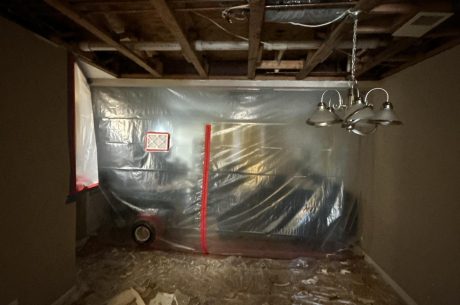
- Demolition (if required)
- Insurance coordination
Winter water damage must be addressed professionally for the sake of health and safety.
Why Winter Flooding Is More Dangerous Than Summer Flooding
Most homeowners assume summer storms cause the worst damage—but winter flooding can be more destructive.
Here’s why:
1. Cold slows evaporation
Moisture lingers longer, increasing mold risk.
2. Frozen materials crack more easily
Wet drywall, wood, and concrete expand and contract with temperature changes.
3. Winter humidity can still cause mold
Basements are enclosed and poorly ventilated. Even in winter, humidity can reach levels that encourage mold once water is present.
4. Electrical systems are more likely to be compromised
Frozen water around wiring is extremely dangerous.
Final Thoughts: Protect Your Home This Winter
Winter in Lawrenceville brings more than chilly mornings—it brings hidden water damage risks that can devastate basements if not addressed promptly.
Whether your home is in Collins Hill, Grayson, Bethesda, Five Forks, Dacula, or Downtown Lawrenceville, winter basement flooding is a real threat. Understanding the causes and taking preventative steps can save thousands in repairs and protect your home’s long-term value.
If your basement ever floods—day or night—PuroClean of Lawrenceville is ready to respond immediately.
Fast, expert action is the difference between a small inconvenience and a major restoration project.
 PuroClean of Lawrenceville