 PuroClean of Lawrenceville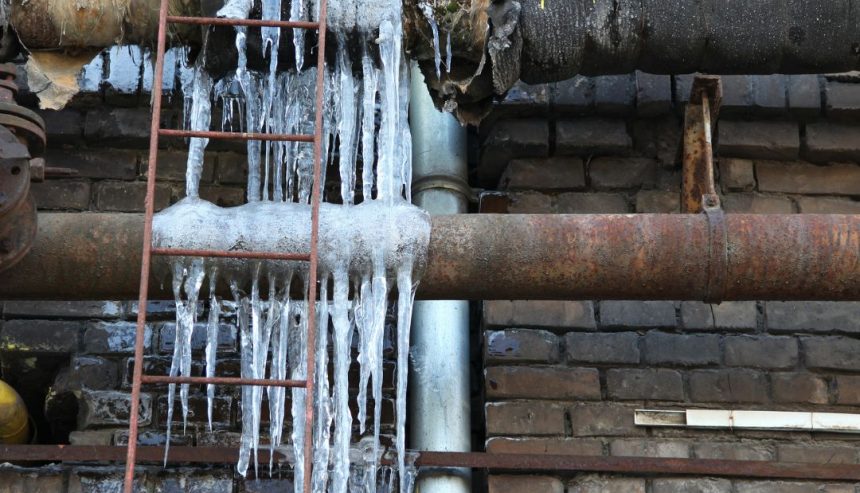
Even though winters in Lawrenceville, Georgia, are generally mild, homeowners know that one unexpected cold snap can cause serious trouble. When temperatures drop below freezing, unprotected pipes can freeze, expand, and burst, causing extensive winter water damage, flooding, and costly repairs.
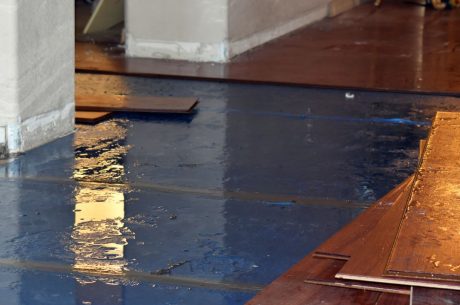
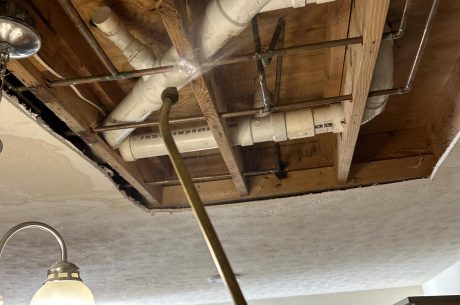
A single burst pipe can release up to 250 gallons of water per day, damaging drywall, floors, and even the foundation. The good news? With proper pipe insulation and winter maintenance, you can prevent this kind of disaster before it starts.
At PuroClean of Lawrenceville, we’ve helped countless homeowners recover from cold-weather water damage. In this guide, we’ll explain why pipes burst, how to prevent it, and what to do if the worst happens.
Why Pipes Burst in Cold Weather
Table of Contents
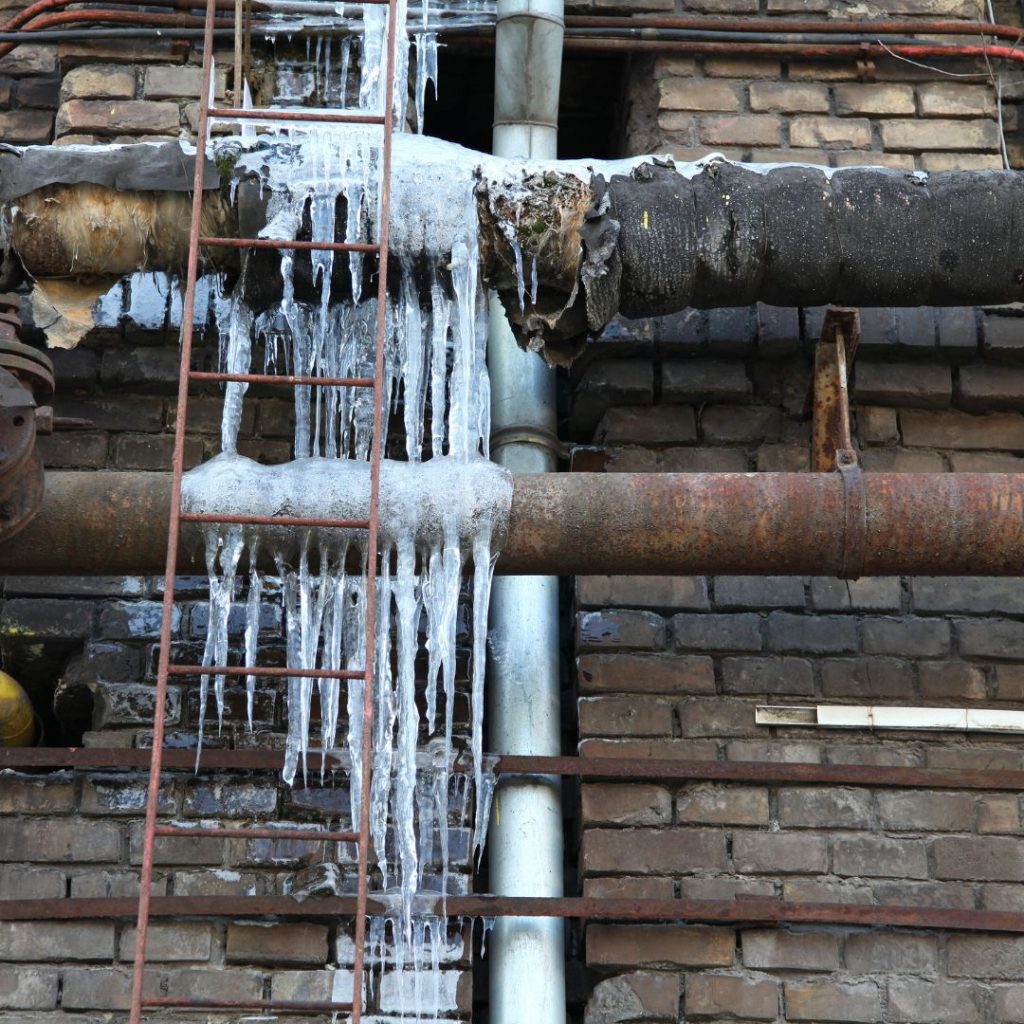
When water freezes inside your plumbing system, it expands and creates pressure between the frozen blockage and the faucet. That pressure buildup can eventually cause the pipe to rupture—especially in older or exposed plumbing.
In Lawrenceville, this usually happens during overnight freezes or when temperatures dip below 32°F for several hours. Pipes in unheated areas—like crawl spaces, garages, attics, or along exterior walls—are most vulnerable.
Older homes built before 1990 are particularly at risk, as they may lack proper insulation or have deteriorated seals that allow cold air to enter. Even newer homes can suffer if builders didn’t insulate plumbing adequately.The Hidden Cost of Ignoring Pipe Insulation
Skipping insulation may seem harmless until winter strikes. But here’s the reality:
- Water damage restoration after a burst pipe can cost anywhere from $3,000 to $10,000—or more if structural repairs are needed.
- Mold growth can begin within 24–48 hours of water exposure, adding to cleanup expenses.
- Insurance doesn’t always cover damage caused by neglect or poor maintenance.
In short, the cost of prevention, just a few dollars per pipe, is minimal compared to the potential thousands you could spend fixing water damage.
How Pipe Insulation Works
Pipe insulation creates a thermal barrier that slows heat transfer, helping water inside the pipe stay above freezing. It also reduces condensation, which can lead to rust and corrosion over time.
There are several types of insulation materials available:
- Foam sleeves: Easy to install and ideal for accessible pipes.
- Fiberglass wrap: Best for irregularly shaped pipes or high-temperature areas.
- Heat tape or cables: Provide active warming in extreme cold conditions.
Proper insulation also improves energy efficiency, reducing heat loss from hot water lines and lowering utility costs year-round.
Top Pipe Insulation Tips for Lawrenceville Homeowners
Protecting your home starts with knowing where and how to insulate effectively. Here are seven proven steps to help you avoid a winter water disaster:
1. Identify Vulnerable Pipes
Start by inspecting areas most exposed to cold air—like basements, crawlspaces, attics, and garages. Pipes running along exterior walls or near windows are prime candidates for freezing.
If you’re unsure where your pipes are located, a professional inspection from PuroClean of Lawrenceville can pinpoint hidden vulnerabilities before they turn into problems.
2. Use the Right Insulation Material
Not all insulation is created equal. Foam sleeves are great for easy, straight pipe runs. Fiberglass wrap handles high-heat areas like boiler lines. For pipes in unheated zones, heat tape or cables provide extra protection by generating warmth when temperatures drop.
Make sure insulation fits snugly with no gaps where cold air can sneak in.
3. Seal Air Leaks
Cold air entering your home can freeze pipes even if they’re insulated. Use caulk or expanding foam around holes and cracks where pipes pass through walls, floors, or foundations. Pay close attention to openings near vents, electrical wiring, or dryer ducts.
4. Keep a Consistent Indoor Temperature
Avoid setting your thermostat too low at night or when you’re away. Keeping the indoor temperature above 55°F helps maintain warmth inside walls and floors where pipes run.
If you leave town during winter, ask a neighbor to check your home or set your thermostat to maintain consistent heat.
5. Open Cabinet Doors During Freezes
During extreme cold, open kitchen and bathroom cabinets to allow warm air to circulate around plumbing fixtures. This simple step can prevent pipes under sinks from freezing.
6. Let Faucets Drip Overnight
Allowing a slow, steady drip keeps water moving through your pipes, reducing pressure buildup and preventing freezing. Focus on faucets connected to pipes that run along exterior walls.
7. Schedule a Professional Winterization Inspection
Even with DIY efforts, professional guidance is invaluable. PuroClean of Lawrenceville offers seasonal inspections to identify at-risk plumbing, assess insulation needs, and recommend the right materials for your home.
Our experts can also check for small leaks or hidden moisture that may lead to future damage.
What to Do If Your Pipes Freeze or Burst
If you suspect a frozen pipe, act fast:
- Shut off the main water supply to prevent flooding.
- Turn off electricity in affected areas if water has leaked near outlets or wiring.
- Avoid using open flames (like torches) to thaw pipes — use a hair dryer, space heater, or warm towels instead.
- Once water flow is restored, check for leaks.
- Call PuroClean of Lawrenceville immediately if a pipe has burst or if you see standing water.
Our certified technicians will respond 24/7 to extract water, dry your home, and sanitize affected areas, ensuring your property is safe and mold-free.
Long-Term Prevention & Maintenance
Pipe insulation is only part of a smart winter maintenance plan. To protect your Lawrenceville home year after year:
- Inspect insulation annually to ensure it hasn’t degraded.
- Install smart water sensors to detect leaks or temperature drops early.
- Disconnect outdoor hoses and drain sprinkler systems before freezing weather.
- Flush water heaters yearly to remove sediment and improve efficiency.
- Schedule preventive maintenance every fall with professionals like PuroClean of Lawrenceville to prepare for colder months.
Why Choose PuroClean of Lawrenceville
When water damage strikes, you need more than just cleanup—you need a team that restores your home completely and safely.
At PuroClean of Lawrenceville, we:
- Follow IICRC-certified restoration standards for all water damage services.
- Provide 24/7 emergency response for burst pipes, flooding, and winter water damage.
- Use advanced drying systems and HEPA air filtration to remove moisture and contaminants.
- Work with your insurance provider to simplify the claims process.
- Serve homeowners and businesses across Lawrenceville, Duluth, Lilburn, Snellville, Suwanee, and nearby Gwinnett County communities.
Whether you need preventive help or full restoration after a burst pipe, our team delivers the fast, compassionate, and professional service you deserve.
Conclusion
Frozen pipes are more than just a winter inconvenience—they can lead to thousands of dollars in damage and weeks of disruption. The best defense is preparation: insulate your pipes, maintain consistent warmth, and act fast when temperatures drop.
If you suspect frozen or burst pipes in your Lawrenceville home, don’t wait. Call the trusted experts at PuroClean of Lawrenceville for immediate assistance

 PuroClean of Lawrenceville