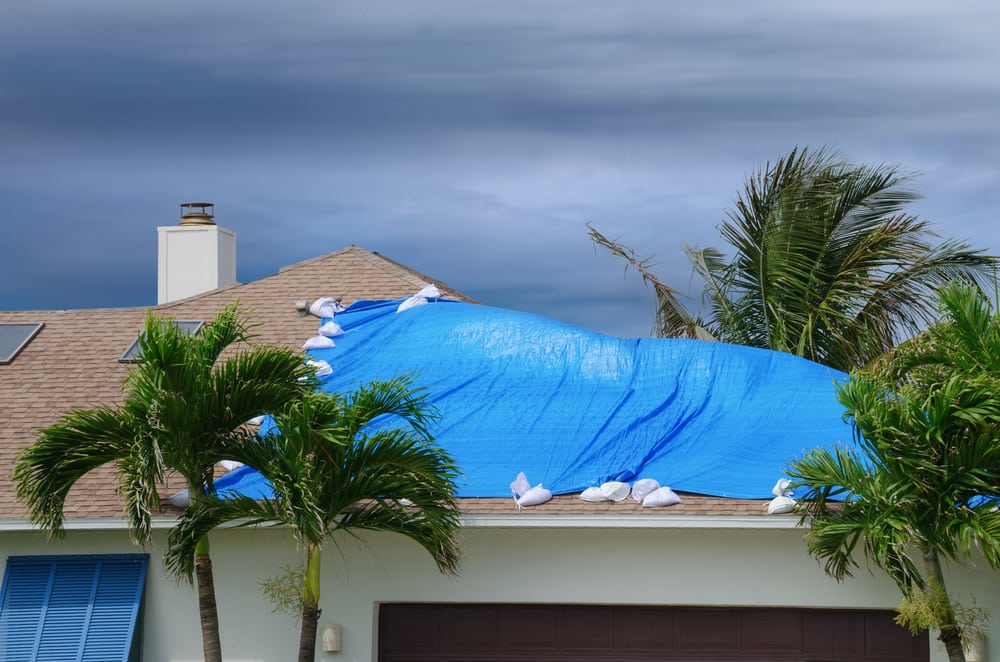

Hurricanes can cause devastating damage. NOAA estimated that Hurricane Irma caused about $50 billion in U.S. damage in 2017. While homes and properties are highly vulnerable to such disasters, the damages can be reduced by following a few key tips. Here’s how to minimize the impact of hurricanes on your home.
- Review your insurance. Regular homeowners policies don’t cover damage from flooding caused by natural disasters. So, before a hurricane strikes your area, make sure to get separate flood insurance. Visit https://www.floodsmart.gov/ for more info. Also keep an inventory with photos and videos of your belongings to help file the insurance claim.
- Secure your roof. Have a qualified roofer assess shingles, flashing, and any appropriate wind-resistance upgrades. Roof-to-wall connections and structural work require suitable professional design and installation.
- Maintain gutters and downspouts. Clean your gutters and downspouts regularly to prevent clogs. These could cause water damage to your home when rain starts to pour. Also ensure your gutters are strong and not sagging.
- Secure your windows. Strong winds can shatter your windows, leaving your home vulnerable. The best way to secure your windows is to install permanent storm shutters, which can be made of steel, aluminum, and other materials. Installing plywood is also a good defense for your windows. However, avoid taping as it doesn’t prevent glass from breaking.
- Caulk your home. Appropriate exterior sealant can reduce some rain intrusion but does not waterproof a home against flooding. Caulk around your windows and doors, the edges of your house, and around chimneys and other roof penetrations.
- Plan flood mitigation professionally. Ask qualified building professionals about measures suitable for your structure and flood risk. Foam insulation or plastic sheeting is not a reliable flood barrier.
- Reinforce your garage door. Ask a qualified installer about a rated door or manufacturer-approved reinforcement suitable for local wind requirements; improvised panels or braces may not perform as intended.
- Trim trees and shrubs. Loose branches in your yard (and neighborhood) could be struck by powerful winds during a storm, damaging your house. So cut those dead or loose branches to safeguard your property.
- Secure loose objects. Your yard may also host objects that could become projectiles in high winds. Tie down and secure anything that could be swept up by winds, such as potted plants, lawn furniture, and dog houses. When a storm is imminent, bring light objects inside.
- Protect appliances from power outages. Unplug appropriate devices before a storm arrives, when it is safe to do so; avoid handling electrical equipment during lightning or flooding. While planning ahead, it’s ideal to also purchase a surge protector. A suitable surge protector can reduce some surge risks, but it does not guarantee protection from lightning or every outage-related problem.
- Move valuables to a higher floor. As electronics and appliances are susceptible to water damage, move them to a higher floor. If you can’t, at least raise them off the floor on concrete blocks.
- Follow local flood guidance. Properly placed barriers may reduce limited water intrusion but cannot guarantee protection. Do not improvise water-filled garbage-bag barriers or delay evacuation to protect belongings.
When a hurricane arrives in your area, there’s no time to prepare. Don’t postpone – make the necessary preparations to protect your home against hurricanes now. For water removal services and mold cleaning services, contact your local PuroClean office.