 PuroClean of Matawan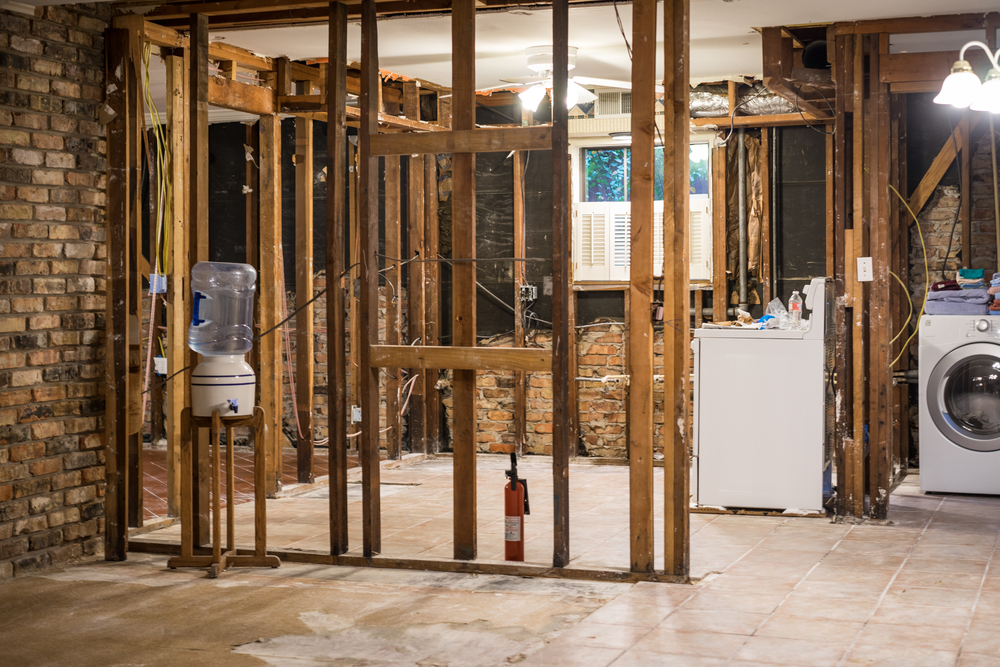
Flooded Basement Cleanup Cost: What to Expect and What Impacts Price
When it comes to flooded basement cleanup costs, the size, use, and design of the space, as well as the type of water and extent of the damage, all influence the total.
Jump to: Flooded Basement Cleanup Costs
We know how stressful it is to discover water damage in your basement, especially when you’re not sure what to do next or how much it’s going to cost. Our guide is here to help.
What this guide covers:
- Why New Jersey Basements Flood
- Flood Cleanup Process
- Key Factors Impacting Cleanup & Restoration Costs
- Flooded Basement Cleanup Costs in NJ
- Associated Repair Costs
- DIY vs. Professional Cleanup
- Homeowner’s Insurance
- Get Professional Flood Cleanup Help
Basement Flooding Is Common in Central NJ. Here’s Why
In towns like Matawan and Cranford, basement flooding is a frequent issue thanks to heavy rainfall, high water tables, aging infrastructure, clogged gutters and plumbing failures.
Most homes in this area have basements, and their styles vary widely. Typical basements in New Jersey homes range from 400 to over 2,500 sq ft, with configurations from utility-only to multi-room finished spaces or apartments.
Older homes often have unfinished basements used for storage or laundry, while newer or renovated properties may have fully finished spaces with bedrooms, bathrooms, or even kitchens.
The Basement Flood Cleanup Process
Cleaning up flooded basements involves several key steps: removing standing water, drying the area, and sanitizing the space to prevent mold and unpleasant odors.
How Long Does the Drying Take?
The drying process usually takes three days, but more severe flooding and weather conditions can extend that timeline to seven days or beyond.
To dry the area, professionals use specialized drying equipment like commercial dehumidifiers, air movers, and moisture meters to ensure every surface, including behind walls and under flooring, is thoroughly dried. Restoration may also take longer if there is a lot of content to sort through or if built-in walls or cabinets require specialized drying.
- Learn more about water restoration and drying.
Cleanup and Restoration Factors
Flooded basement cleanup costs vary based on the type of water, basement materials, size, extra features, and how quickly you act. Understanding these factors can help you make faster, more informed decisions.
1. Water Contamination Category
The type of water involved directly impacts both safety and price. Because contaminated water poses health risks, it requires more advanced cleanup methods, including additional personal protective equipment and specialized equipment for disinfection, thorough drying, and safe material removal.
| Water Contamination Categories and Cleanup Risk | |||
|---|---|---|---|
| Category 1: Clean Water | Burst pipes, appliance leaks | Low | Homeowners may handle small areas <100 sq ft if dried immediately |
| Category 2: Gray Water | Washing machines, dishwashers, and toilet water with no liquid or solid waste. | Moderate | Contains microbes or chemicals. Professional cleanup is recommended. Even small spills can become hazardous if not treated quickly. |
| Category 3: Black Water | Sewage backups, stormwater, floodwater | High | Always hazardous. Requires full professional remediation and disinfection—never DIY |
2. Basement Size and Finish
The larger the basement size, the higher the cleanup cost. A finished basement with drywall, carpeting, or wood flooring is more expensive to restore than an unfinished or partially finished space.
3. Extra Rooms or Features
Basements with bedrooms, bathrooms, laundry areas, or utility rooms require more time and materials to clean and restore, especially if fixtures or mechanical systems are affected.
4. How Quickly You Respond
Waiting even 24 hours increases the risk of mold growth, structural damage, and the need for mold remediation, all of which can drive up your repair costs. The sooner drying starts, the better.
5. Equipment and Labor Costs (depending on severity of damage and depth of water)
Professional cleanup may require multiple air movers, dehumidifiers, and other tools, especially in larger basements. These are often priced per day and add to the total cost based on the size of the area and the scale of the water damage. (Does the water just cover the basement floor, or is there a foot of water soaking into the drywall?)
Average Flooded Basement Cleanup Costs in NJ
Important Pricing Notes: These estimates are based on typical industry rates and local, New Jersey, vendor pricing. Pricing will also vary depending on the factors above.
- Average basement cleanup costs in New Jersey range between $3,000 and $10,000
- Average cost per square foot ranges from $4 to $9, depending on the extent of the water damage.
These costs compare to the national cleanup costs, which range from $2,000–$7,000, with a national average of $4,000, equating to a per-square-foot range: $3–$7 (Angi).
- Labor costs, the most expensive part of the cleanup process, can range between $65–$175 per hour, depending on expertise (for example, an IIRC-certified* Biohazard Technician, at the top end of the range)
Equipment fees typically cover drying machines, dehumidifiers, demolition, and disinfection, and are usually billed on a daily basis. Depending on the square footage and the job scope, these costs can add up.
Sample Flooded Basement Cleanup Project Cost
To give you a better idea of how costs break down, here’s a sample job from a typical finished basement cleanup in Union County, New Jersey.
This example is for a clean-water remediation of a basement of 800 square feet that suffered a sump pump failure. The space was partially finished, with a small gym area and a closet.
Scope of Work Included:
- Extract water from the tile floor
- Removed baseboards and 4″ of drywall and insulation along the basement perimeter
- Applied antimicrobial solution to affected surfaces
- Set up and operated drying equipment: 1 dehumidifier + 10 air movers for 3 days
- Final removal of debris and damaged materials
Total water removal cost: $3,700
(Restoration and repair not included)
Had this been a black water cleanup, the cleanup costs would have ranged from $7,000 to $8,000. Black water jobs are expensive because everything the water touches has to be removed.
Unlike clean or gray water, carpeting and most contents cannot be saved if contaminated by sewage. Also, to avoid health risks and cross-contaminating clean areas, crews must also work in full protective gear, including suits and full-face respirators, which incurs a higher hourly rate.
| Sample Basement Flood Damage Cleanup Pricing Scenarios | |||
| Size | Description | Type of damage | Price Range |
| Small 500 sq feet | Finished Half-bath | Minimal damage, black water (toilet overflow with solids) | $1500 |
| Medium 800 sq feet | One finished rec room with laundry area. | Medium damage, grey water (washing machine overflow) | $3-5K |
| Large 1250 sq feet | Finished bedroom, full bath and rec area. Unfinished storage | Medium damage, clean water (pipe break) | $5-9K |
| Extra Large 2000 sq feet | 2 bedrooms, full bath, kitchen, rec area. Finished storage. | Medium damage, Blackwater (floodwater) | $15K-20K |
Please Note: Prices may vary by region and provider. A reputable restoration company should offer a clear, upfront estimate or a detailed breakdown of time-and-materials to explain the charges.
Basement Flooding Repair Cost
Cleanup and drying are just part of the picture. Here are other potential expenses:
- HVAC or furnace repairs: $120-$1200 (replacement 5,000 to 12,000+)
- Electrical rewiring: Costs vary based on the extent of work
- Foundation or structural repairs: $50,000 to $100,000+ for structural damage, depending on extent. (On the high-end, for example, bowing walls with impending collapse.)
- Mold remediation: $750 to $25,000+
- Replacing personal belongings: $0 to $200,000, depending on what was damaged, for example, appliances or furniture.
- Additionally, if water seeped in from the outside, you may want to add waterproofing to prevent future flooding.
- You might like: What Should I Throw Out After a Flood
New Jersey-Specific Considerations & Additional Costs
In New Jersey, permit requirements, local building codes, and even the season can influence your cleanup timeline and budget. Structural or electrical repairs may require inspections, and high water tables in spring or freezing temperatures in winter can complicate drying and increase costs. Always check local regulations and work with a company familiar with your municipality’s requirements.
DIY vs. Professional Cleanup
DIY cleanup only makes sense in small, clean-water situations that are addressed within the first 24 hours. Anything involving sewage backups, overland flooding, or gray or black water should be handled by a professional.
- Pro Tip: You could save money in the long run by working with a professional damage restoration company. See: How to Save on Flood Cleanup.
Does Homeowners’ Insurance Cover a Flooded Basement?
Standard homeowner’s insurance does not cover flood damage from outside sources, such as flooding from a storm. However, sudden water damage from inside your home, like from broken pipes, a leaking water heater, or a broken appliance, may be covered.
Because every policy is different, check your coverage details or speak with your insurance company before filing an insurance claim. When starting the claims process, be sure to document all damage thoroughly and follow your insurer’s procedures to help ensure your claim is processed smoothly.
PuroClean, Your Professional Flood Cleanup Company
When your basement floods, fast action is key to avoiding mold, structural damage, and rising cleanup costs. Count on PuroClean for expert response and reliable results.
- IICRC-certified technicians trained in flood cleanup and water damage restoration.
- Clear, insurance-ready documentation to help streamline your claim.
- Compassionate, knowledgeable support from start to finish.
- Proudly serving Matawan, Cranford and surrounding NJ communities.
Call PuroClean in Matawan (732) 351-2442, or in Cranford (908) 577-9120
The sooner you act, the more you can protect your basement and your budget.
*IICRC is the Institute of Inspection Cleaning and Restoration Certification.



 PuroClean of Matawan