


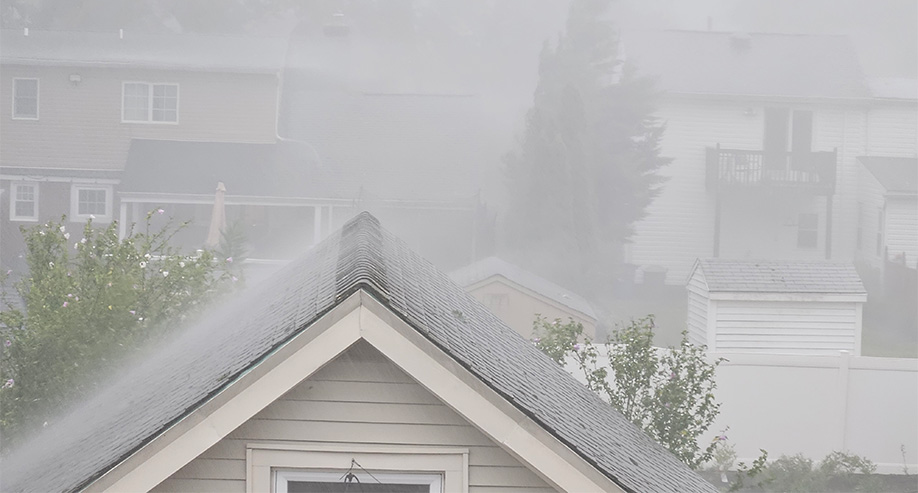
The fastest way to save on flood cleanup is to act quickly, handle safe tasks yourself, and leave hazardous or complex work to certified professionals. Delays or cutting corners almost always cost more in the long run.
Key Takeaways:
- Costs are driven by things like contamination level, labor and size of flood.
- DIY works in some cases, but professional help can ultimately save you money.
- Doing some of the work yourself is the best way to cut costs.
- Flood insurance covers flood cleanup, not homeowners’.
- Get Professional Cleanup Help
Jump to: What You Can Do to Save on Flood Cleanup
Key Cost Factors in Flood Cleanup
The water contamination category plays a major role in costs.
- Category 1 – Clean water from a burst pipe is the least expensive to handle. Be aware that “clean” water can degrade to category 2 or 3 depending on time, the environment and contaminants, thus making it unsuited for DIY (IICRC S500).
- Category 2 – Gray water contains moderate levels of contaminants, such as chemical, biological, or physical, that can pose health risks with exposure. This type of water often comes from appliances like washing machines or dishwashers, and may also include toilet water without solid waste.
- Category 3 – Black water (from flood water, sewage backups) is hazardous and always requires professional help, making it the most costly.
The size of the flooded area matters. Cleaning one room is far less expensive than tackling an entire basement or multiple rooms.
Timing is critical. The sooner remediation begins, the lower your chances of mold growth and structural damage, both of which can significantly raise costs. Even waiting a day can lead to additional mold remediation or repairs.
Labor and equipment fees include drying machines, dehumidifiers, demolition, and disinfecting. These are often priced daily, and depending on the square footage of the job, they can add up.
As of 2025, based on local rental rates and professional restoration pricing in the Cranford, NJ area, you can expect to pay between $30 and $65 per day for each air mover and $75 to $150 per day for each dehumidifier.
Note: The estimates above are based on a sampling of industry rates and local vendor pricing. Depending on the size and complexity of the job, total equipment costs can reach a few hundred dollars per day.
Be aware that amounts vary by region and company. Your restoration company should provide an estimate up front or a time and material sheet that explains the costs.

DIY vs. Pro Cleanup: When Each Makes Sense
Do-it-yourself water cleanup only makes sense with small, clean-water jobs tackled within 24 hours.
Do It Yourself
You may be able to tackle flood issues yourself if you are dealing with category one water, the area is small, and you respond the same day. The job may require rental equipment like air movers and dehumidifiers to help with drying.
Professional Remediation
If the water is from a sewage backup or flood, has been sitting for more than 24 hours, or has affected multiple rooms or structural materials, it’s time to call the pros.
Hybrid Option – Part Pro, Part DIY
A hybrid approach can also be cost-effective. Clean up personal property, contents and debris yourself, but leave the drying process, moisture monitoring and mold removal (if needed) to the professionals.
How Working with a Pro Can Save You Money
Hiring a professional damage remediation company for flood services may be a bigger upfront cost, but in many cases, it protects your budget in the long run. Here’s how:
- Safety First: Trained technicians use proper personal protective equipment (PPE) and follow safety protocols to handle contaminated water, especially in sewage or storm-related floods. These measures help prevent exposure to harmful bacteria and reduce safety risks for your household.
- Thorough Drying: Pros use moisture meters and drying logs to detect excess moisture behind walls, under flooring, and in building materials. Catching these areas early helps prevent costly mold growth and long-term damage that DIY methods often miss (CDC).
- Save on Repairs: The pro moisture meter also helps assess what can be saved and what material truly needs to be removed. This precision helps avoid unnecessary demolition. By preserving more of your structure, you can significantly reduce the costs tied to debris removal, structural repairs, and reconstruction.
- Proper Cleaning & Disinfection: Professional-grade products and specialized equipment help eliminate harmful microbes and odors. This reduces the possibility of recontamination and helps preserve materials that may otherwise need to be replaced.
- Insurance Help: Most insurance companies require thorough documentation, like photos, drying logs, and detailed estimates, to process a claim. A professional restoration company can supply everything you need for your adjuster.
- Avoid Costly Mistakes: In large or complex situations, mistakes can be expensive. Working with certified pros helps you avoid further damage like problems with structural integrity, mold issues, or failed insurance claims.
What You Can Do to Save on Flood Cleanup
You can cut costs immediately by handling safe, simple steps yourself. Before starting, check for hazards such as weakened structures, contaminated water, or electrical risks, and always wear proper protective gear.
- Remove water fast (Category 1 water only). Use wet vacs, buckets, and mops to remove as much water as you can. Call your insurance company immediately, but don’t wait for their adjuster to get started. More water damage and mold growth can occur while you wait.
- Move furniture and personal property. Move salvageable items into a staging area, away from the flood.
- Discard waterlogged furniture. Sofas and other upholstered items, particleboard furniture, and porous materials harbor mold and contaminants and need to be thrown out.
- Sort contents yourself: Decide what’s trash, what’s salvageable, and what might need professional cleaning.
Get details on what can be saved and should be thrown out after a flood.
- Clean salvageable items. Use a heavy-duty cleaning agent to clean plastic bins and other hard surfaces.
- Pull up and discard carpet/pad and area rugs. These trap moisture and are nearly impossible to get completely dry with a wet vac.
- Do safe demolition. If you’re confident, remove damaged drywall, trim, or baseboards in the flooded areas. (If you suspect that there could be lead paint or asbestos, this becomes a professional remediation.)
- Check Disposal Options. Always check your town’s website or call before calling a garbage hauler. For example, in past FEMA-declared disasters, the Cranford, NJ, local Public Works Department has offered free curbside flood debris pickup.
💡 Always document with photos and video before discarding anything for insurance claims.
Labor Is the Biggest Cost-Saving Opportunity
Much of the potential savings comes from reducing labor hours. Professional labor includes setup, monitoring, tear-out, cleaning, and documentation. If you can handle some of this safely and effectively, especially non-technical work, you may significantly reduce expenses.
| Potential Saving Example Small, Category 1 Water Job in Cranford Area | |
| Pro-only cleanup cost | $3,500 |
| Cleanup cost with some DIY labor (Remove carpeting and sort your own items) | $2,700 to $3,000 |
| Potential Savings: | $500 to $800 |
Does My Homeowners’ Insurance Cover Floods?
Homeowner’s Insurance does not cover overland water events (flooding). However, sudden water damage from inside your home may be covered.
Flood vs. Water Damage: What’s the Difference?
- Water Damage – Typically Covered:
Sudden damage from a burst pipe, leaking roof, or broken washing machines is often covered. Coverage usually includes cleanup, the drying process, and water damage restoration, as long as the issue wasn’t due to neglect or lack of maintenance. - Flood – Not Typically Covered:
Water that enters your home from outside, such as overland flooding, rising rivers, or storm surge, is considered flood damage and isn’t covered by most standard homeowners’ policies. For this, you’ll need separate flood insurance.
Water damage coverage varies by policy. What’s considered sudden and accidental can differ between insurers, so it’s important to review your policy details.
Flood Insurance Protection
To be protected against natural flood damage, you’ll need a policy through the National Flood Insurance Program (NFIP) or a private flood insurance provider (FEMA). These policies are especially important in high-risk flood zones, but they can benefit anyone, since floods can happen almost anywhere.
Tip: Don’t wait until after the damage to find out if you are covered. Always review your policy and ask your insurance agent to explain what is and isn’t covered. It’s the best way to avoid costly surprises when you need help most.
Why Choose PuroClean Flood Services
When dealing with water damage, flood remediation and reconstruction, in the Cranford, NJ area, count on PuroClean Restoration Services for a fast, dependable response.
- IICRC-certified technicians trained to industry standards
- Clear, insurance-ready documentation to help streamline your claim
- Compassionate, knowledgeable support from start to finish
- Proudly serving Cranford and surrounding communities.
👉 Call PuroClean at (908) 577-9120. Quick action now prevents bigger problems later.
Sources:
CDC: Guidelines for Cleaning Safely After a Disaster
CDC: Mold Clean Up Guidelines and Recommendations
FEMA: FloodSmart
FEMA: Repairing Your Flood Home (PDF)