


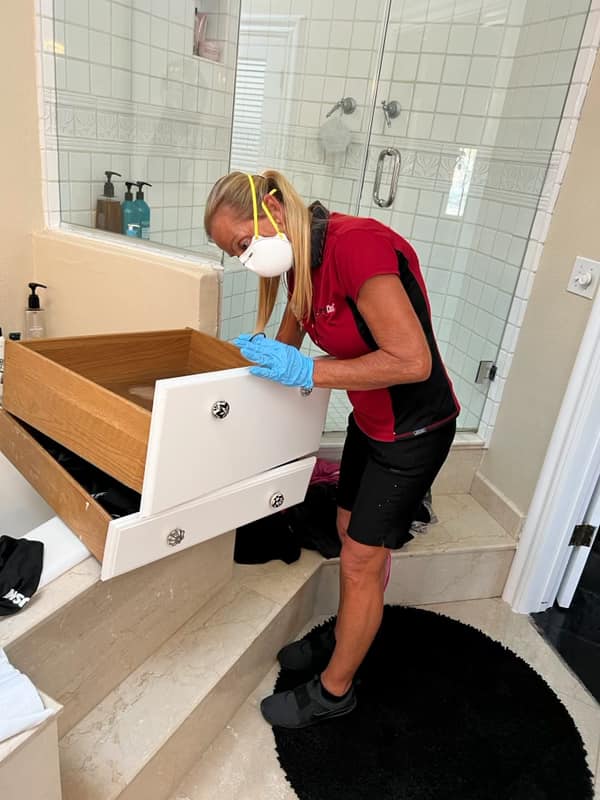
If you have water damage in your Melbourne, FL home right now, this is the one article you need to read before you do anything else. Not because it is alarming, but because understanding what is actually happening inside your walls, under your floors, and in your ceiling cavities in real time is the single most important factor in determining how much of your home can be saved and how much this is going to cost you.
Mold growth in Melbourne, Florida homes does not follow the national average timeline. It follows Florida’s timeline, which is compressed by year-round heat, relentless humidity, and the specific biology of the mold species that thrive in our subtropical climate. What gives a homeowner in Minnesota or Ohio 48 to 72 hours of reaction time before active mold colonization begins gives a Melbourne homeowner closer to 24 hours, and in peak summer conditions, potentially less.
This guide delivers the real facts about mold growth speed in Melbourne homes, explains the biological and environmental reasons why our climate accelerates that timeline, and makes the case in plain terms for why rapid professional response from PuroClean of Melbourne is not just helpful but genuinely critical when water damage occurs anywhere in Brevard County.
Melbourne’s Climate: The Perfect Mold Incubator
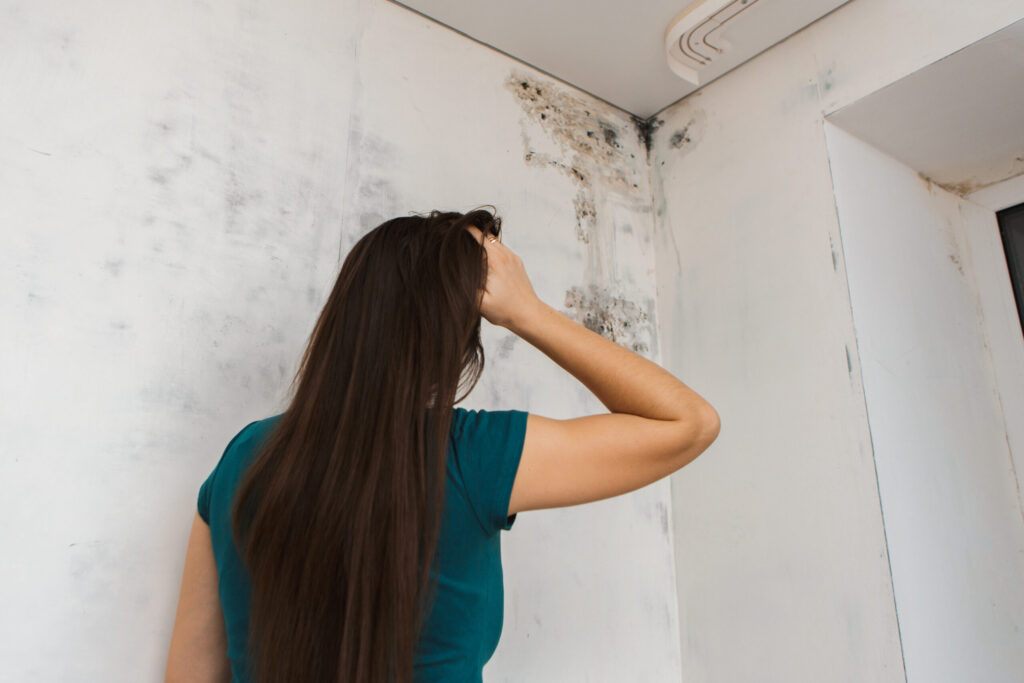
To understand why mold grows so aggressively and so fast in Melbourne homes, you need to understand the three environmental conditions that drive mold growth and how dramatically Melbourne checks every single box.
Condition One: Persistent, Extreme Humidity
Mold requires moisture to germinate and grow. In most parts of the United States, outdoor humidity varies significantly with the seasons, and dry periods interrupt the moisture conditions mold needs to sustain growth. Melbourne has no dry season. Average relative humidity in Brevard County stays between 70 and 80 percent year-round, rising above 90 percent during summer afternoons and storm events. This means the air inside a Melbourne home is always carrying significant moisture load, and any wet surface in an inadequately conditioned space is surrounded by humidity that sustains rather than evaporates its moisture.
Condition Two: Year-Round High Temperatures
Most mold species grow optimally between 60 and 80 degrees Fahrenheit, though many aggressive species colonize effectively up to 95 degrees. Melbourne’s average temperatures fall within that growth range for every single month of the year. There is no winter dormancy period for mold in Central Florida. A moisture event in January creates the same mold risk conditions as one in August, which means Melbourne homeowners have zero seasonal buffer in their response window the way homeowners in colder climates do.
Condition Three: Abundant Food Sources in Building Materials
Mold does not need food in the conventional sense. It feeds on the organic components of standard building materials: the paper facing on drywall, wood framing and subfloor, carpet backing and padding, insulation binders, and even the organic dust that settles on surfaces over time. A Melbourne home contains thousands of square feet of mold-compatible material. The moment moisture arrives, every wet organic surface becomes a potential growth site.
The Florida Acceleration Factor: Research on mold germination rates in humid subtropical climates consistently shows that the 24 to 48 hour growth window cited in national guidelines reflects temperate climate conditions. In Melbourne’s summer environment, peak conditions for rapid germination can be met in under 12 hours on highly susceptible materials like wet drywall paper. This is not a worst-case scenario. It is a realistic baseline for Brevard County homeowners.
The Real Hour-by-Hour Mold Timeline in a Melbourne Home
Here is what is actually happening inside your home after a water intrusion event, in real time, under typical Melbourne summer conditions.
0 to 30 Minutes Water Spreads Rapidly Through Porous Materials
Water does not stay where it appears. Within minutes of a water intrusion event, moisture is wicking into drywall paper and gypsum, absorbing into carpet and padding, migrating along wood grain in subfloor and framing, and being drawn by capillary action into every gap and cavity it can reach. The spread is three-dimensional, moving across surfaces and simultaneously downward and laterally through building assemblies. The wet area you can see is almost always a fraction of the total affected zone.
30 Minutes to 2 Hours Structural Materials Begin Reaching Critical Moisture Levels
Within the first two hours, moisture content in drywall, wood framing, and flooring materials is climbing toward the thresholds at which mold germination becomes possible. Wall cavities are beginning to accumulate humidity as evaporation from wet surfaces is trapped in enclosed spaces. Subfloor materials beneath wet carpet are absorbing moisture from above. At this stage the damage is still primarily a water damage problem, and professional extraction and drying begun now offers the best possible outcome.
2 to 8 Hours Mold Spore Activation Window Opens
In Melbourne’s summer climate, mold spores landing on wet organic surfaces between two and eight hours after a water intrusion event begin encountering the moisture and temperature conditions needed for germination. Spores are present in virtually every indoor environment at all times, including your home right now. They are dormant until conditions activate them. On highly susceptible materials like wet drywall paper in a warm, humid space, those conditions can be met within this window. Germination is not yet visible, but the biological process is underway.
8 to 24 Hours Active Germination and Early Colony Establishment
By the eight to twenty-four hour mark, mold spores on moisture-saturated organic materials in a Melbourne home have very likely begun actively germinating. Germinating spores send microscopic hyphae filaments into the surface material, anchoring the colony and beginning to digest organic content for food. The colony is establishing its root structure. This is the last window in which professional water extraction and drying can realistically prevent active mold colonization. Every hour past this point that moisture remains in building materials increases the scale and depth of mold development.
24 to 48 Hours First Visible Mold May Appear
At the 24 to 48 hour mark, colonies that began germinating in the previous phase may have grown sufficiently to produce the first visible signs of mold growth. On wet drywall paper and wood surfaces this often appears as faint discoloration, subtle spotting, or a barely perceptible fuzzy texture. Many Melbourne homeowners miss early mold growth at this stage because it does not yet look dramatic. That early growth represents an established colony with a developing root structure that surface cleaning cannot address. The problem now exists below the visible surface.
48 Hours to 5 Days Colony Expansion and Spore Production
From day two through day five, established mold colonies expand aggressively. Multiple colonies merge. Spore production accelerates as colonies mature, releasing new spores into the air and carrying contamination beyond the original water damage area. Musty odors become detectable as active colonies produce microbial volatile organic compounds. Materials that were salvageable with early professional intervention begin crossing the threshold into needing removal and replacement. The cost trajectory of the restoration is rising with each passing day.
5 to 14 Days Widespread Contamination and Escalating Health Risk
By the one to two week mark without professional intervention, mold has typically colonized well beyond the original water damage footprint, spread to adjacent wall cavities, and may have entered the HVAC system and been distributed through ductwork throughout the home. Indoor air spore counts are elevated significantly above baseline. Structural materials including drywall, wood framing, and insulation that could have been dried and saved with rapid response now require full removal and replacement. Health risks from elevated indoor spore counts are becoming a serious concern, particularly for children, elderly residents, and anyone with respiratory conditions or a compromised immune system.
Beyond 2 Weeks Structural and Health Emergency
Mold growth unchecked beyond two weeks in a Melbourne home represents a serious structural and health emergency. Extensive material replacement is required. Independent air quality testing is typically needed to establish the full scope of contamination. Remediation costs that might have been a few thousand dollars with an immediate professional response have multiplied several times over. This is the scenario that proper rapid response prevents, and it is the scenario that occurs with disappointing frequency when homeowners delay calling a professional or attempt inadequate DIY drying.
Why DIY Drying Does Not Stop the Clock in Melbourne
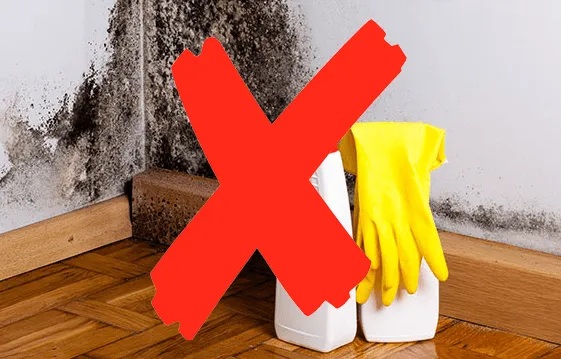
One of the most common mistakes Melbourne homeowners make after water damage is attempting to manage the drying themselves with household fans, shop vacuums, and consumer dehumidifiers before deciding whether to call a professional. This approach feels productive and cost-conscious. In reality, it almost always makes the outcome worse.
Consumer Equipment Cannot Match Professional Drying Capacity
The difference between professional water damage drying equipment and consumer alternatives is not a matter of degree. It is categorical. A commercial LGR dehumidifier removes moisture from air at a rate that is ten to twenty times greater than a hardware store unit. Industrial air movers create the precise airflow patterns required for structural drying of wall cavities and subfloor materials. Truck-mounted extraction units remove water volume from carpet and padding that a wet-dry vac simply cannot reach.
Read Also: How Quickly Can Mold Grow in Florida Humidity? A Melbourne Homeowner’s Guide
Running household fans in a water-damaged room in Melbourne’s climate does not dry the structure. It moves warm, humid air around a warm, humid space, doing almost nothing to reduce moisture content in building materials while the clock on mold germination continues running.
Without Moisture Mapping You Cannot Know What Needs Drying
Water migrates through building materials in ways that are invisible to the naked eye. A Melbourne home with visible water damage in one room routinely has moisture in adjacent wall cavities, under flooring in surrounding rooms, and in ceiling assemblies below bathrooms. Without thermal imaging cameras and calibrated moisture meters, it is impossible to know the full extent of the affected area. DIY drying that addresses only the visible wet area leaves concealed moisture to develop mold undetected.
Running Your HVAC System Spreads Contamination
A common instinct is to turn up the air conditioning in a water-damaged Melbourne home to help dry things out. This is one of the most damaging things you can do. Running the HVAC system pulls air from the moisture-laden, potentially mold-affected areas through the ductwork and distributes it throughout the entire home. If mold has already begun developing, this spreads spores to rooms that were previously unaffected. It is a problem that significantly expands the scope and cost of the eventual professional remediation.
What Happens When You Call PuroClean of Melbourne Immediately
Here is what changes when you call PuroClean of Melbourne the moment water damage is discovered in your Melbourne or Brevard County home, rather than waiting or attempting DIY response first.
The Clock Stops Working Against You
The moment PuroClean of Melbourne’s certified team arrives with professional extraction equipment, industrial air movers, commercial dehumidifiers, and moisture detection tools, the conditions that are driving mold development begin to be actively reversed. Water is extracted at volumes no consumer equipment can match. Structural drying begins immediately. The moisture that was feeding the mold germination clock is being removed rather than simply redistributed.
This is not a subtle difference. Every hour that passes between water damage discovery and professional mitigation increases the probability and scale of mold development. Every hour that passes after professional equipment is deployed decreases it. The timing of your call to PuroClean of Melbourne is one of the most consequential decisions you make in the entire restoration process.
Hidden Moisture Is Found Before It Becomes Mold
Our thermal imaging cameras and calibrated moisture meters map the full extent of moisture intrusion in your Melbourne home, including every wall cavity, subfloor area, ceiling assembly, and HVAC component that has been affected. This comprehensive mapping means our drying plan addresses the entire affected zone, not just what is visibly wet. Hidden moisture that would have fed mold development for weeks undetected is identified on day one and treated as part of the standard mitigation process.
Drying Is Monitored Daily Until Complete
PuroClean of Melbourne monitors moisture levels in your home daily throughout the drying process using calibrated instruments, adjusting equipment placement and capacity as drying progresses. Drying is not considered complete until all affected materials have reached acceptable moisture content levels as defined by IICRC S500 standards. You receive updates on drying progress throughout the process, and no equipment is removed until the moisture data confirms completion.
Antimicrobial Treatment Is Applied as Standard Practice
As part of every water damage mitigation response, PuroClean of Melbourne applies EPA-registered antimicrobial treatment to all affected surfaces. In Melbourne’s climate, this is not an optional add-on. It is a standard protective measure that addresses any germinating spores before they can establish visible colonies and that prevents new colonization from occurring during the drying period.
Your Insurance Claim Is Handled From Day One
PuroClean of Melbourne documents every aspect of the water damage and mitigation process with the precision that insurance adjusters require. We communicate directly with your carrier, support your claim with thorough photographic and written documentation, and work to ensure your claim reflects the complete scope of the damage. You deal with the stress of the water damage itself. We handle the paperwork.
The Real Cost Difference Between Calling Immediately and Waiting
Melbourne homeowners sometimes hesitate to call a professional restoration company immediately after water damage because they are worried about cost. This is an understandable concern. Here is the reality of how the cost calculus actually works.
Professional mitigation called within 24 hours: Structural drying of affected materials, moisture mapping, antimicrobial treatment, material removal limited to what is truly unsalvageable. Average scope is contained and total cost is minimized.
Mitigation delayed 48 to 72 hours: Active mold development requires antimicrobial treatment beyond standard mitigation scope. More material removal required as additional surfaces cross salvageable thresholds. Total cost meaningfully higher.
Response delayed beyond one week: Significant mold remediation required in addition to water damage restoration. Material replacement substantially expanded. Independent air quality testing may be needed. Total cost often three to five times higher than immediate professional response would have been.
Response delayed beyond two weeks: Potential for extensive structural remediation, HVAC cleaning, and whole-room reconstruction. Total cost can be ten times or more what immediate response would have represented.
The insurance dimension compounds this further. Most standard homeowner’s insurance policies cover water damage from sudden and accidental events and include coverage for professional mitigation and restoration. They do not cover mold damage that results from a homeowner’s failure to take reasonable steps to mitigate water damage promptly. Delayed response that leads to mold development can shift significant costs from your insurance claim to your out-of-pocket liability.
Read Also: How to Hire a Restoration Company: A Step-by-Step Guide for Melbourne, FL Homeowners
The Bottom Line on Cost: The call to PuroClean of Melbourne at (321) 378-2400 the moment water damage is discovered is almost always the least expensive decision you will make in the entire restoration process. The cost of immediate professional response is consistently a fraction of the cost of delayed response that allows mold to develop.
The Mold Species Melbourne Homeowners Face
Not all mold is the same, and understanding which species are most common in water-damaged Melbourne homes helps homeowners appreciate the specific risks of delayed response.
Cladosporium and Penicillium / Aspergillus
These are the most commonly found species in water-damaged Brevard County homes. They grow rapidly on wet building materials, produce musty odors, and trigger allergic reactions and respiratory symptoms in sensitive individuals. They establish themselves quickly in Florida’s climate and are among the first species to colonize after a water damage event.
Chaetomium
Frequently found growing on wet drywall in Melbourne homes, Chaetomium produces a musty odor and has been associated with nail and skin infections as well as neurological effects in cases of heavy exposure. It is aggressive on high-cellulose materials and one of the more common findings in homes where water damage has gone unaddressed for more than a few days.
Stachybotrys Chartarum
Commonly called black mold, Stachybotrys requires sustained high moisture over multiple days to establish, making it the species most directly linked to delayed water damage response. It produces potent mycotoxins associated with serious health effects and grows on high-cellulose materials including drywall paper and wood framing. Black mold development is not inevitable after water damage. It is what happens when water damage is not professionally addressed within the critical early window.
Warning Signs That Mold Is Already Growing After Water Damage
If water damage in your Melbourne home was not professionally addressed within 24 to 48 hours, watch for these signs that mold development is already underway.
- A musty or earthy odor in or near the water-damaged area, even a faint one. Odor is detectable before visible growth in most cases.
- Faint discoloration, spotting, or a slightly fuzzy appearance on drywall, wood surfaces, grout, or ceiling tiles in the affected area
- Discomfort or respiratory symptoms such as coughing, sneezing, or eye irritation that worsen when you are in the affected area of the home
- Paint or wallpaper that is beginning to bubble, peel, or discolor near the water-damaged area
- A soft or spongy feel to drywall surfaces that have been wet
If any of these signs are present, do not delay. Call PuroClean of Melbourne at (321) 378-2400 immediately. The sooner professional assessment and remediation begins, the more contained and manageable the situation will be.
Why PuroClean of Melbourne Is the Right Call for Brevard County Homeowners
When mold is racing against the clock in your Melbourne home, you need a response that is faster than the biology working against you. PuroClean of Melbourne delivers that response with a team that is certified, equipped, and available every hour of every day.
✔ IICRC-Certified Team: Active certifications in Water Damage Restoration, Applied Structural Drying, and Mold Remediation
✔ 24/7 Local Emergency Response: Real local dispatch, no call centers, no delays. We answer at 2 a.m. and we respond fast
✔ Professional-Grade Equipment: Commercial extraction, LGR dehumidifiers, thermal imaging, calibrated moisture meters
✔ Daily Moisture Monitoring: We track drying progress daily and adjust until all materials reach IICRC-standard moisture levels
✔ Antimicrobial Treatment Standard: Applied to all affected surfaces on every job as a standard mold prevention measure
✔ Insurance Coordination: We handle adjuster communication and documentation so you can focus on your family
✔ Full Restoration Capability: From emergency extraction through complete structural reconstruction, one team, one call
Mold does not wait. Neither should you. The gap between a manageable water damage restoration and a costly mold remediation disaster is measured in hours in a Melbourne, FL home. When water damage happens anywhere in Brevard County, the single most valuable thing you can do for your home, your budget, and your family’s health is call PuroClean of Melbourne immediately.
Water Damage in Melbourne? Call PuroClean Before Mold Does the Rest.
Every hour matters. PuroClean of Melbourne responds to water damage emergencies throughout Brevard County 24 hours a day, 7 days a week. Call us now.
PuroClean of Melbourne
739 North Dr, Melbourne, FL 32934
Phone: (321) 378-2400
Email: [email protected]
Open 24 Hours | 7 Days a Week | Emergency Response Available
PuroClean of Melbourne proudly serves Melbourne, Palm Bay, Viera, Rockledge, Cocoa, Titusville, Satellite Beach, Indialantic, Indian Harbour Beach, and all of Brevard County, Florida.
Connect With Us on Social Media!
Instagram | Facebook | Direction | Check Reviews | Yelp | Linkedin | Youtube | Twitter | BBB