

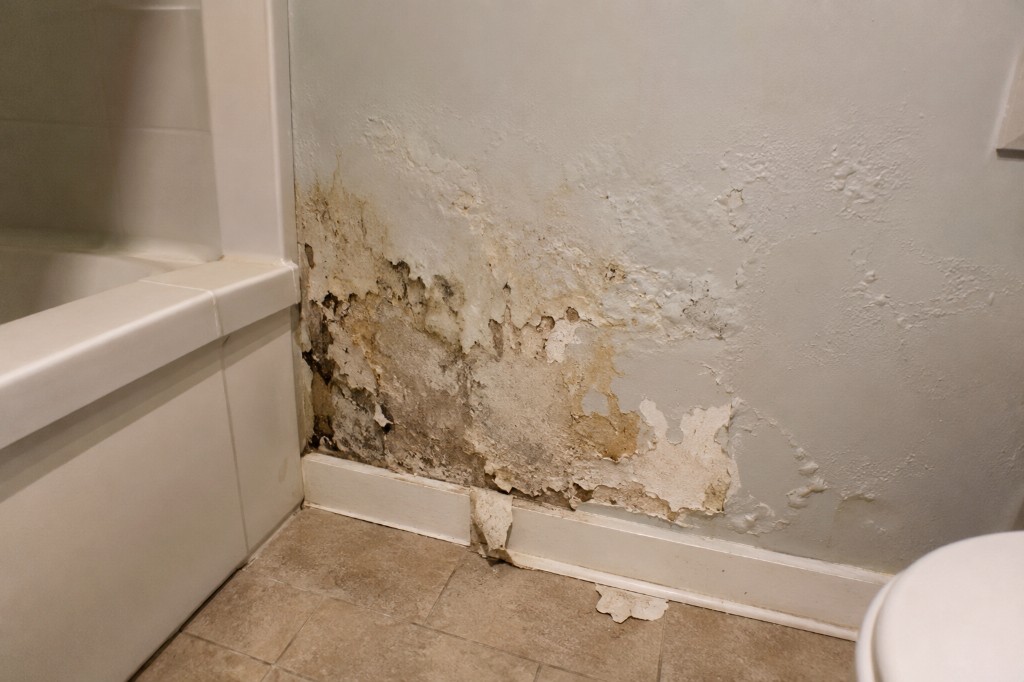
Bathroom drywall damage can happen quickly after a leaking pipe, overflowing toilet, damaged shower, or plumbing problem. What may look like a small stain on the wall can sometimes indicate moisture trapped behind the drywall.
If your Coral Gables home has wet, swollen, stained, or deteriorating drywall after a water leak, PuroClean of Coral Gables provides professional water damage restoration, water extraction, moisture assessment, and structural drying services to help address the problem. Call (305) 894-4343 for 24/7 assistance.
The most important thing is to act quickly. When moisture remains inside drywall or surrounding building materials, the damage can spread and create conditions that may encourage mold growth. Professional restoration can help identify the source, assess the affected area, and determine the right way to restore your bathroom.
Professional Bathroom Drywall Damage Restoration in Coral Gables
Bathroom drywall can absorb water quickly. Once moisture gets into the material, wiping the surface or placing a household fan nearby may not be enough.
PuroClean of Coral Gables can assess the affected area and look for signs of moisture that may not be visible from the surface. Depending on the situation, professional drying equipment can be used to help remove moisture from affected materials.
Whether your problem started with a bathroom leak, plumbing failure, toilet overflow, shower issue, or another source of water intrusion, getting professional help early can help reduce the risk of further property damage.
Need restoration help now? Call PuroClean of Coral Gables at (305) 894-4343.

What Causes Bathroom Drywall Damage?
Several different problems can introduce moisture into bathroom walls and ceilings.
Plumbing Leaks
A leaking supply line, drainpipe, faucet connection, or pipe inside a wall can release water into areas that are difficult to see.
Because some plumbing leaks remain hidden, homeowners may notice staining or soft drywall before they discover the actual source of the problem.
Shower and Bathtub Leaks
Damaged caulking, deteriorated grout, failed seals, or problems around a shower enclosure can allow water to reach surrounding walls.
Repeated exposure can eventually cause discoloration, swelling, soft spots, peeling paint, and other signs of water damage.
Toilet Leaks and Overflow
A leaking toilet connection or overflowing toilet can send water across the bathroom floor and into nearby walls.
Even after visible water has been removed, moisture may remain in drywall, flooring, cabinets, or other porous materials.
Sink and Vanity Leaks
A slow leak underneath a bathroom sink can remain unnoticed for days or weeks.
Over time, water can affect cabinets, flooring, baseboards, and nearby drywall. Checking underneath bathroom sinks regularly can help identify small leaks before they become larger problems.
Excess Bathroom Humidity
Not every moisture problem is caused by a plumbing leak.
Hot showers produce considerable water vapor. If the bathroom doesn’t have adequate ventilation, humidity can accumulate on walls, ceilings, and other surfaces.
The U.S. Environmental Protection Agency recommends controlling indoor moisture and using exhaust fans in bathrooms to help reduce humidity.
Water Intrusion
Water can also enter through roofing, exterior walls, windows, or other openings.
If a bathroom wall develops unexplained staining after heavy rain, the moisture source may be outside the bathroom itself.
For Coral Gables homeowners, investigating unexplained moisture is particularly important because South Florida experiences periods of heavy rainfall and high humidity.

Signs You May Need Bathroom Drywall Damage Restoration
Recognizing early warning signs can help you respond before a small problem becomes a larger restoration project.
1. Brown or Yellow Water Stains
Brown, yellow, or dark discoloration on a bathroom wall or ceiling may indicate previous or ongoing water exposure.
If a stain grows, becomes darker, or keeps returning after cleaning and painting, don’t assume it is simply a cosmetic issue.
2. Soft or Spongy Walls
Healthy drywall should feel firm.
If a section of the wall feels unusually soft, swollen, or spongy, water may have penetrated the material.
Avoid repeatedly pressing or poking the affected area because water-damaged drywall can become fragile.
3. Bubbling or Peeling Paint
Moisture trapped behind paint can cause bubbling, blistering, cracking, or peeling.
Painting over the affected area may make the wall look better temporarily, but it won’t solve the moisture problem underneath.
The EPA recommends addressing the underlying moisture source rather than simply painting over wet or moldy surfaces.
4. Cracked Drywall Tape
Water can affect drywall joints and tape, causing cracks, separation, or visible deterioration.
If these changes appear after a leak, the surrounding wall should be assessed for moisture.
5. Musty Odors
A persistent musty smell may indicate that moisture remains somewhere in the bathroom.
This can be particularly important when visible damage is limited but the room continues to smell damp.
6. Visible Mold
Mold requires moisture to grow.
If you notice mold alongside water-damaged drywall, simply cleaning the surface may not solve the problem. The moisture source should be identified and addressed.
7. Damage That Keeps Returning
If you’ve repaired the same stain several times and it keeps coming back, there may be an unresolved water or moisture problem.
Repeated cosmetic repairs won’t permanently solve an active leak.
Why You Shouldn’t Ignore Wet Bathroom Drywall
It can be tempting to wait and see whether a wet wall dries on its own.
However, drywall is porous and can absorb water. Depending on the amount of water involved and how long the material remains wet, surrounding areas may also become affected.
Moisture can move beyond the visibly damaged section and potentially affect insulation, flooring, trim, cabinets, and other building materials.
The EPA recommends drying wet or damp materials promptly, ideally within 24 to 48 hours when possible, to help reduce the opportunity for mold growth.
That’s why early professional restoration can make a significant difference.
Professional Drywall Drying After a Bathroom Leak
One of the most important parts of water damage restoration is removing moisture from affected materials.
A wall may look dry on the outside while moisture remains inside the drywall or behind it.
Professional restoration technicians can use moisture detection equipment to evaluate affected areas and determine whether additional drying is necessary.
Depending on the situation, air movers, dehumidification equipment, and other specialized drying equipment may be used to help remove moisture.
This process is commonly referred to as structural drying.
The goal isn’t simply to make the wall feel dry. Proper drying focuses on reducing moisture in affected areas and helping prevent additional damage.
Our Bathroom Drywall Damage Restoration Process
When you contact PuroClean of Coral Gables, the restoration process starts with understanding what happened and determining how far the moisture may have traveled.
1. Property Assessment
The affected bathroom is assessed for visible signs of water damage and moisture.
Nearby walls, floors, cabinets, ceilings, and other areas may also need to be checked because water doesn’t always remain where it first appeared.
2. Identify the Water Source
The source of the water needs to be identified and stopped before restoration can be completed.
The cause could be a leaking pipe, toilet, shower, bathtub, sink, or another source.
If plumbing repairs are needed, a qualified plumber may be required to correct the underlying issue.
3. Moisture Assessment
Moisture detection can help identify areas that aren’t visibly wet.
This is especially useful when water has entered behind drywall or into other concealed spaces.
4. Water Removal
If standing water is present, it should be removed as quickly as possible.
Professional water extraction can help reduce the amount of moisture affecting the property.
5. Professional Drying
Specialized drying equipment may be used to help dry affected areas.
The equipment and drying strategy depend on the extent and type of water damage.
6. Damaged Material Evaluation
Not every wet piece of drywall automatically needs to be replaced.
However, drywall that has become severely damaged, deteriorated, or unsuitable for restoration may need to be removed.
7. Final Restoration
Once the moisture issue has been addressed and affected areas have been properly dried, necessary restoration work can move forward.
The objective is to return the bathroom to a clean, functional, and comfortable condition.
Bathroom Water Damage in Coral Gables
Coral Gables homeowners deal with a climate where humidity and rainfall can create additional moisture challenges.
Bathrooms already produce considerable moisture through everyday activities such as showering and bathing.
When this is combined with South Florida’s warm and humid conditions, proper ventilation and moisture control become especially important.
The EPA recommends keeping indoor humidity below 60%, with an ideal range between 30% and 50%.
Homeowners should pay attention to bathrooms that remain damp for long periods, develop recurring stains, or have persistent musty odors.
If you notice unusual moisture after heavy rain, a plumbing leak, or a bathroom overflow, addressing the issue quickly can help limit the extent of the damage.
How to Prevent Bathroom Drywall Damage
While not every water problem can be prevented, several simple steps can help reduce the risk.
Use Your Exhaust Fan
Run the bathroom exhaust fan during showers and for a while afterward.
This helps remove humid air from the room and can reduce condensation.
Check Caulking Regularly
Inspect the areas around tubs, showers, sinks, and other fixtures.
Damaged or deteriorated caulking should be addressed to help prevent water from reaching surrounding materials.
Look Under Sinks
Check underneath bathroom sinks for dampness, staining, dripping connections, or other signs of a leak.
A small plumbing problem can eventually cause significant damage if it goes unnoticed.
Inspect Around Toilets
Look for moisture around the base of the toilet and nearby flooring.
A recurring damp area should be investigated rather than ignored.
Don’t Ignore Small Stains
A small water stain can be an early warning sign.
Finding and addressing the source early may help prevent more extensive damage.
Respond Quickly to Leaks
If your bathroom experiences a plumbing leak or overflow, don’t wait several days before addressing the moisture.
Quick action can help limit water damage and reduce the potential for secondary problems.
Can You Repair Bathroom Drywall Yourself?
Minor drywall repairs may be manageable once the underlying moisture problem has been completely resolved.
However, water-damaged drywall is different from an ordinary hole or cosmetic imperfection.
If the wall is soft, swollen, heavily stained, repeatedly wet, or affected by mold, it is important to determine the extent of the moisture before repairing the surface.
Applying joint compound and paint may hide the visible damage without solving the underlying problem.
If you’re unsure how far the water has traveled, professional restoration can help determine the appropriate next step.
Why Choose PuroClean of Coral Gables?
When water affects your bathroom, you need more than someone to repaint the wall.
You need to know whether moisture has reached areas you cannot see and whether additional drying or restoration is necessary.
PuroClean of Coral Gables provides professional property restoration services designed to address water-related damage and help homeowners move toward recovery.
Our services can include:
- Water damage assessment
- Water extraction
- Moisture detection
- Structural drying
- Professional drying equipment
- Water damage cleanup
- Bathroom leak response
- Property restoration
Whether the problem involves one section of drywall or extends into surrounding areas, getting professional help early can make the restoration process easier.
Need restoration help in Coral Gables? Call (305) 894-4343.
Frequently Asked Questions – Bathroom Drywall Damage
How do I know if my bathroom drywall has water damage?
Look for stains, bubbling paint, peeling surfaces, soft or swollen drywall, cracked drywall tape, musty odors, or visible mold. Recurring damage can also indicate an unresolved moisture problem.
Can bathroom drywall dry on its own?
It may dry naturally under certain circumstances, but you shouldn’t assume that the entire affected area has dried simply because the surface feels dry. Moisture can remain behind walls or in surrounding materials.
How quickly should wet drywall be dried?
As quickly as possible. The EPA recommends drying wet or damp areas within 24 to 48 hours when possible to help reduce the opportunity for mold growth.
Should I paint over a bathroom water stain?
No. Painting can temporarily hide the stain, but it doesn’t resolve the source of the moisture. The water problem should be identified and addressed first.
Can a bathroom leak cause mold behind drywall?
Yes. If moisture remains inside or behind drywall, it can create conditions that support mold growth. Prompt moisture removal is important.
Does a bathroom exhaust fan prevent water damage?
An exhaust fan can help control humidity and condensation, but it won’t prevent plumbing leaks, pipe failures, toilet overflows, or other sources of water intrusion.
Do I need to replace drywall after a bathroom leak?
Not necessarily. The decision depends on the extent of the damage, the condition of the drywall, the type of water involved, and how long the material remained wet.
What is structural drying?
Structural drying is the process of removing excess moisture from affected building materials and the surrounding environment using appropriate drying methods and equipment.
Can hidden moisture exist behind a bathroom wall?
Yes. A plumbing leak can release water inside a wall cavity without creating obvious standing water. Moisture detection equipment can help identify affected areas.
Who provides bathroom drywall damage restoration in Coral Gables?
PuroClean of Coral Gables provides professional water damage restoration and drying services for homeowners dealing with bathroom leaks and related property damage. Call (305) 894-4343 for 24/7 assistance.
Get 24/7 Bathroom Drywall Damage Restoration in Coral Gables
Bathroom drywall damage shouldn’t be ignored, especially when it follows a leak, overflow, or other water event.
The visible stain may only be the beginning. Moisture can move behind walls, affect surrounding materials, and create conditions that contribute to further property damage.
The best response is to identify the source, assess the affected area, remove excess water, dry the structure properly, and restore damaged materials when necessary.
If you have a bathroom leak or need professional bathroom drywall damage restoration in Coral Gables, PuroClean of Coral Gables is ready to help.
Call (305) 894-4343 for 24/7 professional restoration assistance.
Summary
Don’t wait for wet drywall to become a bigger problem. Professional assessment, water extraction, moisture detection, and structural drying can help protect your Coral Gables property and get your bathroom back to normal.