


Table of Contents

A fire emergency can be a terrifying and chaotic experience. While the safety of yourself and your loved ones should always be the top priority, protecting your belongings can also be an important consideration. By being prepared and acting quickly, you can minimize damage and safeguard essential items. Here are five quick tips to help you protect your belongings during a fire emergency.
5 Quick Tips for Protecting Your Belongings
1. Prepare an Emergency Kit in Advance
Being proactive is crucial when dealing with fire emergencies. Assemble an emergency kit that includes essential items such as:
- Important documents like birth certificates, passports, and insurance policies.
- A USB drive or external hard drive with digital backups of your files.
- Cash, credit cards, and spare keys.
- Basic first aid supplies and medications.
- A list of emergency contacts.
Store this kit in an easily accessible location, preferably near an exit, so you can grab it quickly during an evacuation. Consider reviewing and updating your kit periodically to ensure everything is current and functional.
2. Prioritize Irreplaceable Items
When time is limited, focus on saving belongings that are sentimental or difficult to replace. These may include:
- Family photos or heirlooms.
- Jewelry with sentimental value.
- Important work equipment, like laptops or tools essential for your livelihood.
Consider using fireproof safes or storage boxes for these items to add an extra layer of protection. Additionally, digital backups of photographs and documents stored in the cloud can act as a safeguard against loss.
3. Utilize Fire-Resistant Storage Solutions
Investing in fire-resistant materials can significantly reduce the risk of losing valuable belongings during Fire emergency. Examples include:
- Fireproof document bags or safes for vital records.
- Flame-resistant storage bins for storing precious items.
- A fireproof filing cabinet for legal and financial paperwork.
These solutions can help keep your belongings safe during fire emergency even if the fire reaches the area where they are stored. Place these containers in low-risk areas of your home, such as a basement or room with minimal fire hazards.
4. Create a Home Inventory
A detailed inventory of your belongings can help you recover faster after a fire emergency. Use the following methods to document your items:
- Take photos or videos of each room in your home, focusing on high-value items.
- Record serial numbers and receipts for electronics and appliances.
- Keep a digital copy of the inventory stored in the cloud or on an external drive.
This inventory will be invaluable when filing insurance claims and assessing losses. Share a copy of the inventory with a trusted family member or friend to ensure access even if your devices are damaged.
5. Practice a Fire Escape Plan
Your ability to protect belongings during a fire emergency is limited by the time available. Practicing a fire escape plan ensures everyone in your household knows how to exit quickly and safely during fire emergency. Include these steps in your plan:
- Identify at least two exits from each room.
- Assign roles for grabbing specific items, such as the emergency kit or family pet.
- Conduct regular fire drills to familiarize everyone with the procedure.
By having a clear plan in place, you’ll reduce confusion and increase the chances of saving essential belongings without compromising safety. Teach children and elderly family members what to do, and ensure mobility aids are accessible if needed.
Additional Tips for Fire Emergency Preparedness
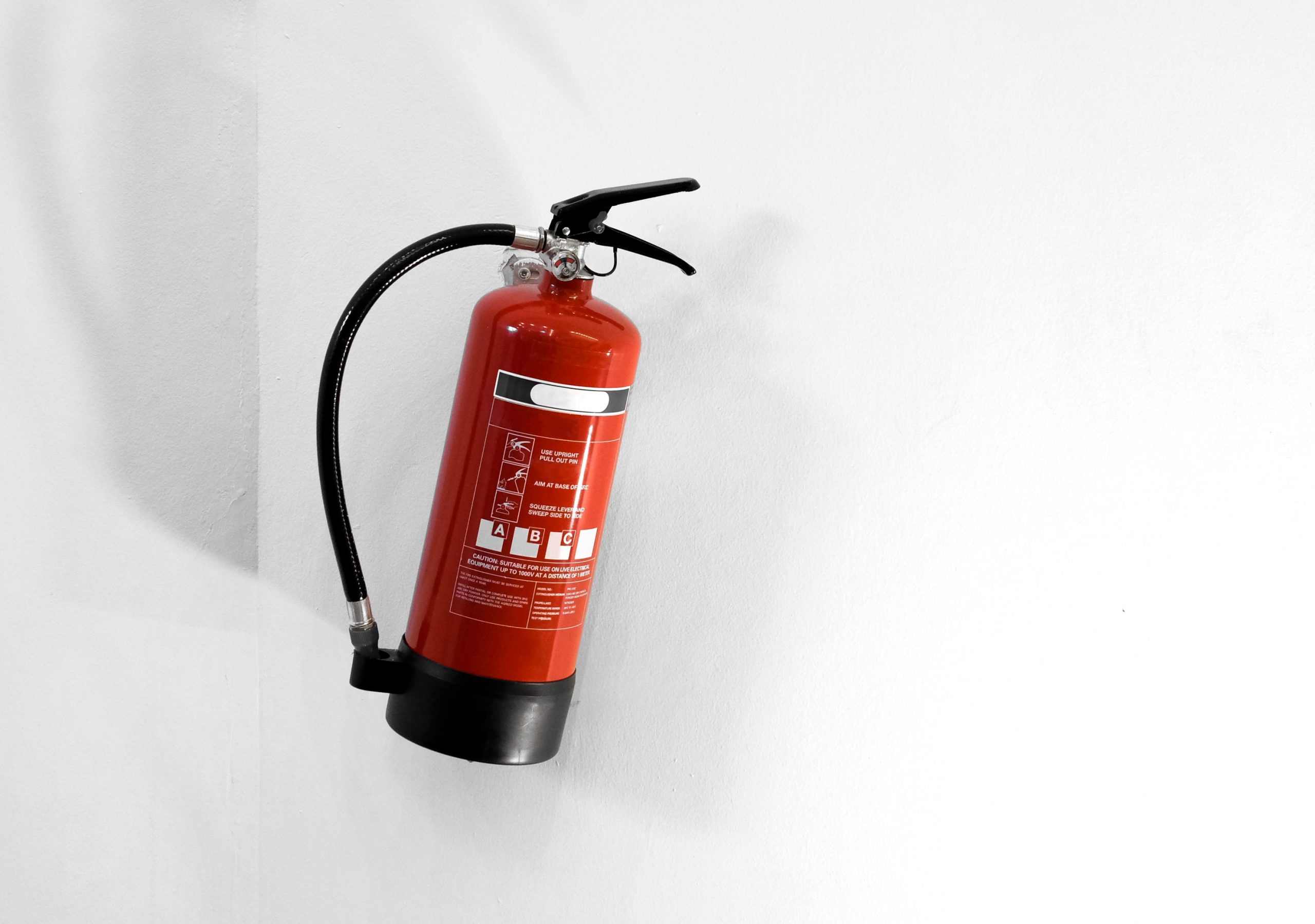
In addition to these five tips, consider these additional steps to enhance your preparedness:
- Install Smoke Detectors: Ensure that smoke detectors are installed in every room and test them regularly. Replace batteries at least twice a year.
- Create a Fireproof Safe Zone: If possible, designate a room in your home with fire-resistant materials and keep essential items there.
- Learn Fire Extinguisher Use: Make sure every household member knows how to use a fire extinguisher and has access to one in key areas like the kitchen and garage to aid fire emergency.
- Communicate with Neighbors: Establish a neighborhood emergency contact system to alert one another in case of fire.
- Know Your Insurance Details: Familiarize yourself with your homeowner’s insurance policy to understand what fire damage is covered and ensure it’s up to date.
Fire Damage Restoration in Coral Gables & Miami – Call (305) 894-4343
If fire damage does occur, don’t hesitate to reach out to our fire damage restoration company. Our team of experts is here to help you recover quickly and restore your property to its former condition. Contact us today to learn more about our services and how we can assist you in your time of need.
Stay proactive, stay safe, and ensure you’re prepared for the unexpected. With these measures in place, you’ll have peace of mind knowing you’ve taken steps to protect your family and belongings.
Conclusion
Fire emergencies are unpredictable, but with the right preparations, you can protect not only your loved ones but also your valuable belongings. Remember, your safety comes first, so never put yourself at risk to save possessions. By preparing an emergency kit, prioritizing irreplaceable items, using fire-resistant storage, creating a home inventory, and practicing a fire escape plan, you’ll be better equipped to handle a fire emergency and recover more effectively afterward.