

Heavy rain in Coral Gables can turn from an ordinary South Florida downpour into a serious home emergency surprisingly quickly. If water gets inside your house, the priority is simple: keep everyone safe, stop the source if you can do so safely, document the damage, remove standing water, and get the affected areas thoroughly dried as soon as possible.
For homeowners in Coral Gables, flooding is a real concern because the city is close to sea level, surrounded by waterways, and can experience drainage challenges during major rain events. The City of Coral Gables specifically notes that major rain events can cause flooding in low-lying areas.
If your home has already taken on water, PuroClean of Coral Gables can help with professional water damage restoration, including water removal, drying, and cleanup. Call (305) 894-4343 when you need help getting your home back under control.
Why Heavy Rain in Coral Gables Can Flood a Home
A flooded home is not always the result of a hurricane or major storm.
In Coral Gables, intense thunderstorms can dump large amounts of rain in a short period. When rainfall overwhelms drainage systems, water can collect around foundations, enter through doors or windows, back up through drains, or find its way through damaged roofs.
Miami-Dade County recommends clearing gutters, downspouts and nearby storm drains before major rainfall. It also points out that unobstructed swales are important because they help move water away from homes.
Recent National Weather Service advisories have also specifically included Coral Gables among Miami-Dade communities affected by excessive rainfall, with flooding possible in low-lying and poorly drained areas.
That means even homeowners who have never experienced flooding before should know what to do when water suddenly appears inside.
What to Do When Water Gets Inside Your Home
The first few decisions can make a major difference. Here are seven practical steps to follow.
1. Put Safety Before Property
Your first instinct may be to grab towels, move furniture or start vacuuming water.
Don’t rush.
If water has reached electrical outlets, appliances, extension cords or electrical panels, stay away from the affected area. Do not walk through standing water if you do not know whether electricity is present.
Floodwater can also contain bacteria, chemicals and other contaminants. The EPA recommends taking precautions during flood cleanup and avoiding unnecessary exposure to contaminated water.
If the flooding is severe, leave the affected area and wait for professionals or emergency personnel to determine when it is safe to return.
And never drive through flooded roads simply because the water looks shallow. The National Weather Service emphasizes: turn around, don’t drown.
2. Stop the Water Source If It Is Safe
If rainwater is entering through a damaged roof, broken window, door or another opening, try to limit additional water intrusion only if you can do so without putting yourself at risk.
For example, a temporary barrier may help stop more water from entering beneath a door.
If the problem involves a plumbing leak rather than stormwater, shut off the appropriate water supply if you know where it is and can safely reach it.
However, don’t climb onto a wet roof during a storm or enter an unsafe area simply to stop the leak.
Your safety comes first.
3. Take Photos Before Cleaning
Once the situation is safe, document what happened.
Take photos and videos of:
- Standing water
- Wet walls and ceilings
- Damaged flooring
- Furniture and personal belongings
- Appliances
- Doors and windows
- Exterior areas where water entered
- Visible stains or mold
- Damaged drywall or insulation
Try to photograph the same room from different angles.
This documentation can be useful when communicating with your insurance company and restoration professionals. FEMA also recommends photographing damage before beginning cleanup and keeping repair receipts.
Don’t throw away valuable damaged items before documenting them unless they pose an immediate health or safety risk.
4. Remove Standing Water Quickly
Once the area is safe, standing water needs to be addressed.
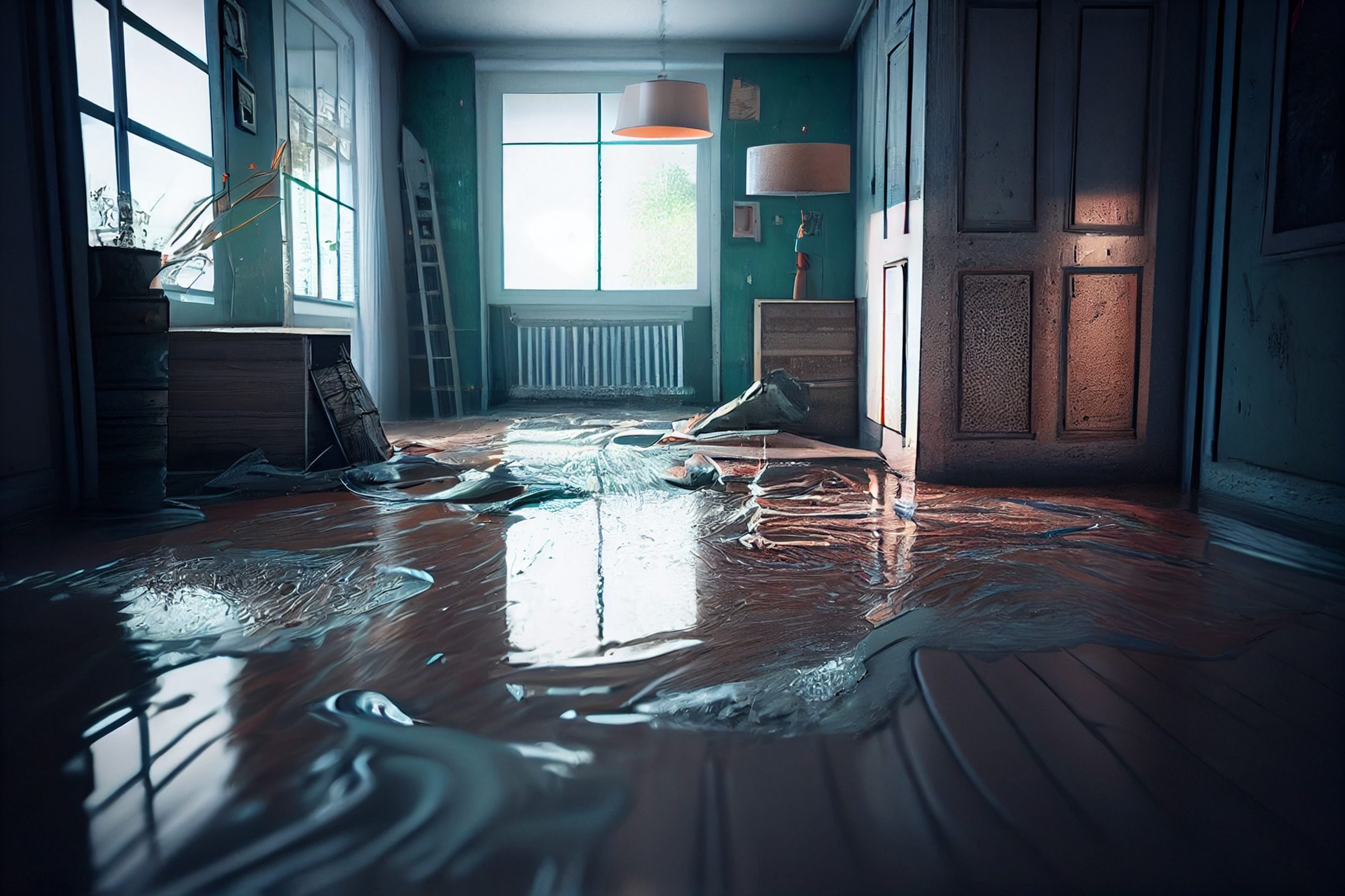
The longer water remains inside, the more opportunity it has to soak into flooring, drywall, cabinets, baseboards and furniture.
Carpet can hold a surprising amount of moisture. Water can also travel underneath flooring and into areas you cannot see.
This is why simply mopping the visible water may not solve the problem.
Professional water damage restoration typically involves assessing the affected areas, extracting water, identifying hidden moisture and thoroughly drying the structure.
A proper moisture assessment is particularly important after storm damage because water may have moved behind walls or underneath flooring.
5. Don’t Ignore Wet Materials
One of the biggest mistakes homeowners make is assuming that something will “dry out on its own.”
Maybe it will.
But maybe it won’t.
Wet drywall, insulation, carpet, wood and other porous materials can retain moisture long after the surface looks dry.
The EPA warns that mold can grow on materials such as wood, drywall, carpet and furniture when they remain wet for more than 24 hours.
That is why drying should begin as soon as conditions are safe.
Depending on the situation, professional restoration may involve air movers, dehumidifiers, moisture monitoring and specialized extraction equipment.
The goal isn’t simply to make the floor feel dry.
The goal is to reduce moisture throughout the affected structure.
6. Watch for Mold and Musty Odors
In South Florida’s warm, humid environment, moisture problems deserve immediate attention.
You may notice a musty smell before you see visible mold.
Other warning signs include:
- Dark spots on walls or ceilings
- Discoloration around baseboards
- Peeling paint
- Swollen wood
- Damp carpet
- Warped flooring
- Persistent humidity
- Musty odors inside closets or cabinets
Mold isn’t always visible. Moisture hidden behind drywall, under flooring or inside cabinets can create conditions where microbial growth develops.
The EPA advises that larger mold problems or situations involving significant water damage may require professional assistance.
Don’t simply paint over a moldy or water-damaged surface. The underlying moisture problem needs to be addressed first.
7. Call a Water Damage Restoration Professional
If water has entered multiple rooms, soaked flooring or drywall, affected your HVAC system, or remained inside for an extended period, professional help can save you time and prevent the problem from becoming more expensive.
A restoration team can assess how far the water traveled, identify hidden moisture and develop a drying plan.
This is especially valuable when the visible damage doesn’t tell the whole story.
For example, a small wet spot on the wall could indicate moisture behind the drywall. A carpet that looks almost dry could still have moisture underneath the padding.
Professional restoration is about finding those hidden problems before they become bigger ones.
What About Your HVAC System?
Your air conditioning system deserves special attention after flooding.
If water has reached HVAC equipment, vents or ductwork, don’t automatically switch the system back on.
Water and electrical components can create safety concerns, while contaminated water entering HVAC components can potentially spread contaminants through the home.
Have the system assessed if it has been affected by floodwater.
For Coral Gables homeowners, this is particularly important because air conditioning runs frequently throughout the year. Keeping indoor humidity under control is also an important part of preventing ongoing moisture problems.
What Should You Throw Away After a Flood?
Not everything that gets wet needs to go straight into the trash.
Nonporous items can often be cleaned and dried. Some fabrics and other belongings may also be salvageable depending on what kind of water affected them.
However, materials that absorb significant amounts of contaminated water and cannot be adequately cleaned and dried may need to be discarded.
The EPA recommends sorting affected belongings and removing materials that cannot be properly cleaned and dried.
If you’re unsure about a valuable item, ask a restoration professional before throwing it away.
How Coral Gables Homeowners Can Prepare Before the Next Storm
The best time to think about flooding is before the next downpour.
Miami-Dade County recommends several practical measures, including clearing gutters, downspouts and storm drains and keeping drainage swales unobstructed. Homeowners can also move important documents and valuable belongings to higher locations when severe weather is approaching.
You can also:
- Check your roof for damaged shingles or tiles.
- Inspect doors and windows for gaps.
- Clean gutters regularly.
- Keep storm drains near your property clear of debris.
- Know where your main water shutoff is.
- Keep important documents in waterproof storage.
- Review your homeowners and flood insurance coverage.
- Have towels, plastic sheeting and basic cleanup supplies available.
- Know who to call for emergency water damage restoration.
A few minutes of preparation can make a stressful storm much easier to manage.
When Should You Call PuroClean of Coral Gables?
You don’t need to wait until your home looks completely flooded before calling for help.
Contact a restoration professional when:
- Water has entered multiple rooms.
- Carpet or flooring is saturated.
- Drywall or ceilings are wet.
- Water has entered cabinets or walls.
- You notice a musty odor.
- Standing water remains after the storm.
- Your belongings have significant water damage.
- You suspect hidden moisture.
- You are unsure whether the property is completely dry.
PuroClean of Coral Gables provides professional water damage restoration designed to help homeowners respond quickly after water intrusion.
The broader PuroClean network provides emergency water damage remediation, water removal and drying services, with 24/7 emergency response.
For a homeowner dealing with a flooded room, the biggest advantage is having experienced professionals assess the situation instead of guessing where the water has gone.
Call PuroClean of Coral Gables at (305) 894-4343 for water damage restoration assistance.
Frequently Asked Questions
Can heavy rain really flood homes in Coral Gables?
Yes. Coral Gables can experience flooding during major rain events, particularly in low-lying areas and locations where drainage becomes overwhelmed. The City of Coral Gables notes that its geography and proximity to waterways can contribute to flooding during major rain events.
How quickly can mold grow after water damage?
Mold can begin growing on wet materials in as little as 24 hours under favorable conditions. The EPA recommends removing moisture and drying affected materials as quickly as possible.
Should I use fans after my home floods?
Fans can help with drying in appropriate circumstances, but don’t use them indiscriminately if contaminated water or visible mold is involved. The EPA recommends taking care when using fans and dehumidifiers during cleanup and addressing contamination appropriately first.
Can I clean up a flooded room myself?
Small, clean-water incidents may be manageable for homeowners. However, extensive flooding, contaminated water, hidden moisture, significant structural damage or widespread mold can require professional assistance.
The EPA recommends professional help for larger mold problems and significant water damage situations.
Should I contact my insurance company after a flood?
If your home or belongings have been damaged, contact your insurance provider promptly and document the damage. Take photos and videos before major cleanup whenever it is safe to do so, and keep receipts related to emergency repairs and restoration. FEMA specifically recommends documenting damage and retaining repair receipts.
How do I report flooding in Coral Gables?
For city-related flooding or drainage problems, the City of Coral Gables provides a flood and drainage reporting service. The city lists 305-460-5000 for flood or drainage complaints during its stated service hours.
What should I do immediately after Heavy Rain in Coral Gables causes flooding?
If Heavy Rain in Coral Gables causes water to enter your home, prioritize safety first. Stay away from standing water near electrical outlets or appliances, stop the water source if it is safe, document the damage, and contact a water damage restoration professional as soon as possible.
Why does Heavy Rain in Coral Gables cause water to enter homes?
Heavy Rain in Coral Gables can overwhelm local drainage systems, especially during intense storms that produce large amounts of rainfall in a short period. Water may enter through doors, windows, roofs, plumbing systems, or areas around the foundation.
Can Heavy Rain in Coral Gables cause hidden water damage?
Yes. Heavy Rain in Coral Gables can cause water to travel underneath flooring, behind walls, beneath cabinets, and into other areas that are not immediately visible. This is why a professional moisture inspection can be important after significant flooding.
How long does it take to dry a home after Heavy Rain in Coral Gables?
The drying time depends on how much water entered the property, which materials were affected, indoor humidity, ventilation, and how quickly restoration begins. Professional water damage restoration companies use air movers, dehumidifiers and moisture monitoring equipment to help speed up the drying process.
Can Heavy Rain in Coral Gables lead to mold?
Yes. Heavy Rain in Coral Gables can create ideal conditions for mold when water remains in carpets, drywall, wood, insulation or other porous materials. Prompt water extraction and thorough drying can help reduce the risk of mold growth.
Does homeowners insurance cover damage from Heavy Rain in Coral Gables?
Coverage depends on your individual insurance policy and the source of the water. Standard homeowners insurance and flood insurance can cover different types of water-related damage. Contact your insurance provider to understand your specific coverage.
Should I wait until the rain stops before calling a water damage restoration company?
Not necessarily. If water has already entered your home and it is safe to do so, contacting a restoration professional early can help you understand what needs to be done. However, restoration work may need to wait until dangerous weather conditions have passed.
What areas of a Coral Gables home are most vulnerable during Heavy Rain in Coral Gables?
Low-lying areas, ground-level rooms, garages, crawl spaces, basements where present, doors, windows, roofs and areas around poor drainage can be particularly vulnerable. Homes near waterways or areas with drainage issues may also require additional preparation.
How can I prepare my Coral Gables home for Heavy Rain in Coral Gables?
Before a major storm, clean gutters and downspouts, keep drainage areas clear, inspect the roof, check doors and windows for leaks, secure outdoor items, and move important belongings to higher areas. Having the contact information for a water damage restoration company available can also save valuable time after an emergency.
Can PuroClean of Coral Gables help after Heavy Rain in Coral Gables?
Yes. PuroClean of Coral Gables provides professional water damage restoration services for homes affected by storm-related water intrusion and other water emergencies. The team can assess affected areas, remove standing water and help dry the property.
If your home has been affected by Heavy Rain in Coral Gables, call (305) 894-4343 for assistance.
When should I call PuroClean of Coral Gables after Heavy Rain in Coral Gables?
Call as soon as it is safe if you have standing water, soaked flooring, wet drywall, water-damaged belongings, persistent moisture or signs of hidden water damage. Acting quickly after Heavy Rain in Coral Gables can help limit the extent of damage and reduce the risk of secondary problems such as mold.
Can professional water damage restoration prevent further damage after Heavy Rain in Coral Gables?
Professional restoration can help reduce additional damage by removing standing water, identifying moisture in affected materials and drying the property properly. The sooner the affected areas are assessed and dried, the better the chance of limiting prolonged moisture problems.
Is a musty smell after Heavy Rain in Coral Gables a sign of water damage?
It can be. A musty odor may indicate that moisture remains in carpeting, drywall, wood, cabinets or other areas. If the smell continues after your home appears dry, have the affected areas inspected for hidden moisture.
What should I do if my ceiling starts leaking during Heavy Rain in Coral Gables?
Move people and valuables away from the affected area and place a container under the leak if it is safe. Avoid electrical fixtures or outlets near the water. Once conditions are safe, have the source of the leak and any resulting water damage professionally assessed.
Why is quick action important after Heavy Rain in Coral Gables?
Quick action can help limit how deeply water penetrates building materials and reduce the time those materials remain wet. Prompt extraction and drying can also help reduce the risk of mold and additional structural or property damage.
What is the difference between storm damage cleanup and water damage restoration?
Storm damage cleanup can involve removing debris and addressing visible damage after a weather event. Water damage restoration goes further by extracting water, drying affected materials, identifying hidden moisture and restoring areas affected by water intrusion.
Can carpet be saved after Heavy Rain in Coral Gables?
Sometimes. Whether carpet can be salvaged depends on the amount and type of water involved, how long it remained wet, and how quickly it can be cleaned and dried. Carpet affected by contaminated floodwater may require different treatment than carpet affected by a clean water leak.
What should I avoid doing after Heavy Rain in Coral Gables floods my home?
Avoid walking through potentially contaminated or electrically charged standing water, using electrical equipment in wet areas, delaying cleanup unnecessarily, or covering wet materials with paint. Also avoid assuming that visible drying means the entire affected area is dry.
How can I reduce the risk of flooding during future Heavy Rain in Coral Gables events?
Regular property maintenance can help. Keep gutters and drainage paths clear, maintain your roof and exterior seals, inspect doors and windows, keep valuable belongings elevated when severe weather is expected, and stay informed about local weather and flood alerts.
Who should I call for water damage after Heavy Rain in Coral Gables?
For professional water damage restoration in the Coral Gables area, contact PuroClean of Coral Gables at (305) 894-4343. A professional assessment can help determine the extent of the damage and the appropriate steps for water removal and structural drying.
Final Thoughts: Act Quickly When Water Gets Inside
Heavy rain in Coral Gables doesn’t have to become a long-term disaster, but what you do after the water enters your home matters.
Stay safe first. Document the damage. Remove standing water when it is safe. Don’t overlook wet walls, flooring or hidden moisture, and don’t assume that a room is dry simply because the surface looks dry.
Most importantly, don’t wait days to deal with water damage.
A fast, professional response can help limit additional damage, reduce the risk of mold and get your home closer to normal sooner.
If your Coral Gables home has been affected by storm water or another water emergency, PuroClean of Coral Gables is ready to help.
Call (305) 894-4343 for professional water damage restoration assistance.