 PuroClean of Coral Gables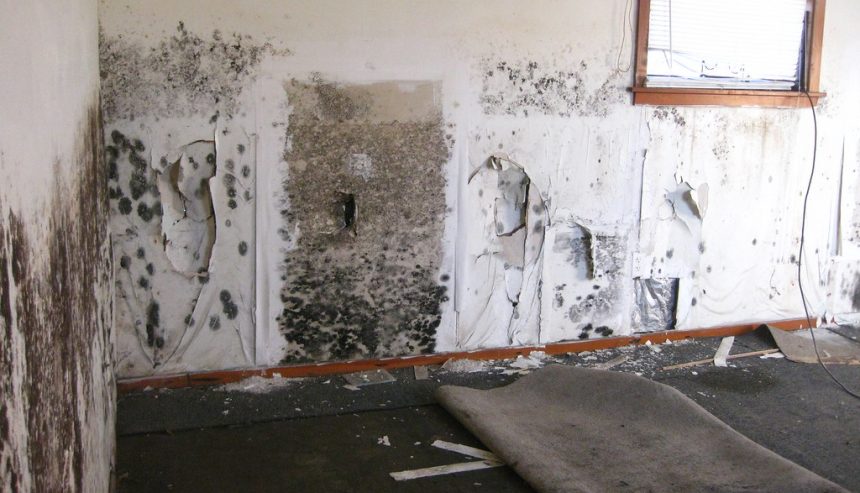
Yes, mold from water damage is dangerous. It affects your health, damages your home’s structure, lowers property value, and spreads quickly. If left untreated, it can lead to chronic respiratory issues, expensive repairs, and even insurance complications. Acting fast is critical—and professional cleanup is the safest option.
Table of Contents
What Is Mold from Water Damage?
Mold from water damage is a toxic consequence of untreated or lingering moisture in your property. It often develops within 24–48 hours after flooding, plumbing leaks, roof drips, or any consistent dampness. Mold spores thrive in dark, warm, and humid environments and once they begin spreading, they’re tough to contain.
This kind of mold can hide behind walls, under carpets, and inside air ducts, making it a hidden danger for both health and home integrity.
1. It’s Harmful to Your Health
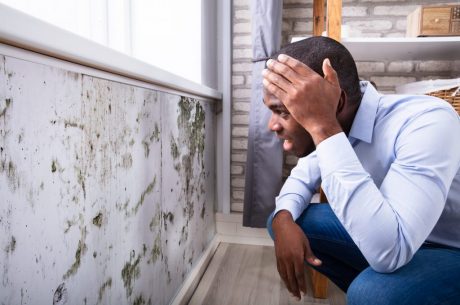
One of the biggest dangers of mold from water damage is its effect on your health. Exposure to mold spores can trigger:
- Allergies (sneezing, itchy eyes, skin rashes)
- Asthma attacks
- Chronic sinus congestion
- Wheezing and coughing
- Headaches and fatigue
According to the Centers for Disease Control and Prevention (CDC), mold exposure can be particularly harmful to children, the elderly, and people with weakened immune systems.
Even if symptoms are mild at first, prolonged exposure can lead to serious long-term respiratory issues.
2. It Damages Your Home’s Structure
Mold from water damage feeds on organic materials like:
- Drywall
- Wood framing
- Insulation
- Ceiling tiles
- Carpet backing
Over time, this weakens your home’s structural integrity. Mold causes rot, warping, and deterioration of support beams, subflooring, and wall interiors, leading to very expensive repairs.
In some extreme cases, mold has rendered parts of a home completely unlivable or forced full tear-downs.
3. It Spreads Fast—and Often Invisibly
Once mold spores are airborne, they can settle and multiply in multiple hidden places. That’s why mold from water damage isn’t always obvious. It may be growing:
- Behind furniture
- Inside HVAC systems
- Under tile flooring
- In attic insulation
By the time you smell it or see it, it has often already spread far beyond the original source.
According to FEMA, mold can begin growing in as little as 24 hours after moisture exposure. That’s why time is your enemy when dealing with water damage.
4. Your Insurance Coverage Could Be Denied
Most homeowners don’t realize that mold from water damage can impact your insurance claim. If your insurance company believes you waited too long to act or failed to maintain your property (e.g., a slow leak or humidity issue), they may deny coverage for remediation.
Acting fast and documenting the damage is essential for protecting your financial interests.
PuroClean of Coral Gables works with many insurers and provides accurate documentation to help support your claim.
5. It Causes Persistent Odors and Stains
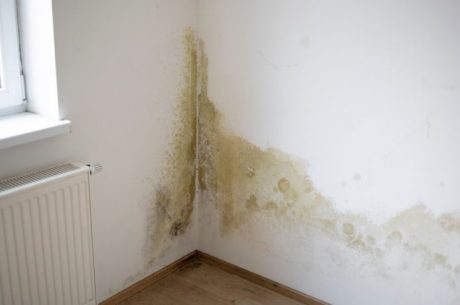
Musty smells and visible stains are telltale signs of mold. Mold from water damage often leaves:
- Black, green, or white patches on walls or ceilings
- Yellowish discoloration on carpets or drywall
- A musty, earthy odor that’s hard to eliminate
These are not just cosmetic issues. They point to deeper contamination—and without full remediation, the damage will return.
6. It Reduces Property Value
Would you buy a home with a history of mold? Most buyers wouldn’t.
Mold reports (especially if public or listed in seller disclosures) can decrease a home’s value by up to 10%, according to Realtor.com.
Whether you’re selling now or later, ignoring mold from water damage will cost you more than you think.
7. DIY Fixes Aren’t Enough
Cleaning mold from water damage with bleach or vinegar may seem effective—but it rarely solves the root of the problem.
Why?
Because:
- Mold grows inside porous materials, not just on the surface
- Airborne spores spread during cleaning
- Moisture sources remain untreated
Proper mold remediation requires moisture detection, containment, HEPA filtration, and full material replacement—things only trained professionals like PuroClean of Coral Gables provide.
How to Prevent Mold from Water Damage
Here’s what you can do to reduce risk:
- Fix plumbing leaks within 24–48 hours
- Use dehumidifiers to keep humidity between 30–50%
- Install proper ventilation in kitchens and bathrooms
- Regularly inspect basements and attics
- Use mold-resistant drywall or paint in high-risk areas
Want a quick visual guide? Watch this!
Frequently Asked Questions (FAQs)
How fast can mold grow after water damage?
Mold can begin forming within 24 to 48 hours of exposure to moisture. That’s why early action is critical.
Is mold from water damage toxic?
Some species, like black mold (Stachybotrys), produce mycotoxins that may cause more severe reactions. Regardless of type, all mold growth indoors is unhealthy and should be removed.
Will mold come back after cleaning?
Yes, if the source of moisture isn’t resolved, mold will regrow. That’s why professional remediation is essential.
Can mold from water damage affect pets?
Yes. Pets can experience respiratory distress or skin irritation when exposed to mold.
Final Thoughts: Is Mold from Water Damage Dangerous?
Yes, it absolutely is.
From health issues to structural damage, insurance nightmares to property devaluation, mold from water damage is a threat you shouldn’t ignore.
But there’s good news: it’s entirely preventable and fixable with the right help.
Trust PuroClean of Coral Gables for Fast, Professional Mold Cleanup
We specialize in:
- Water extraction and drying
- Advanced mold detection
- Certified mold remediation
- Full property restoration
- Insurance coordination
Call PuroClean of Coral Gables today at (305) 894-4343 for assessment. Let our team restore your home and your peace of mind.


 PuroClean of Coral Gables