

When homeowners discover mold in their property, one of the first questions they ask is about Mold Remediation vs Mold Removal. While these two terms are often used interchangeably, they have different meanings in the restoration industry. Understanding the difference can help you make informed decisions, protect your property, and choose the right professionals for the job.
Here is the short answer. Mold removal cleans up what you can see. Mold remediation finds out why the mold grew, removes it properly, and stops it from returning. In humid South Florida, that difference decides whether your home stays mold free or becomes a repeat headache every rainy season.
In this guide, we’ll explain mold remediation vs mold removal, how each process works, why remediation is usually the recommended solution, and when you should call in a professional.
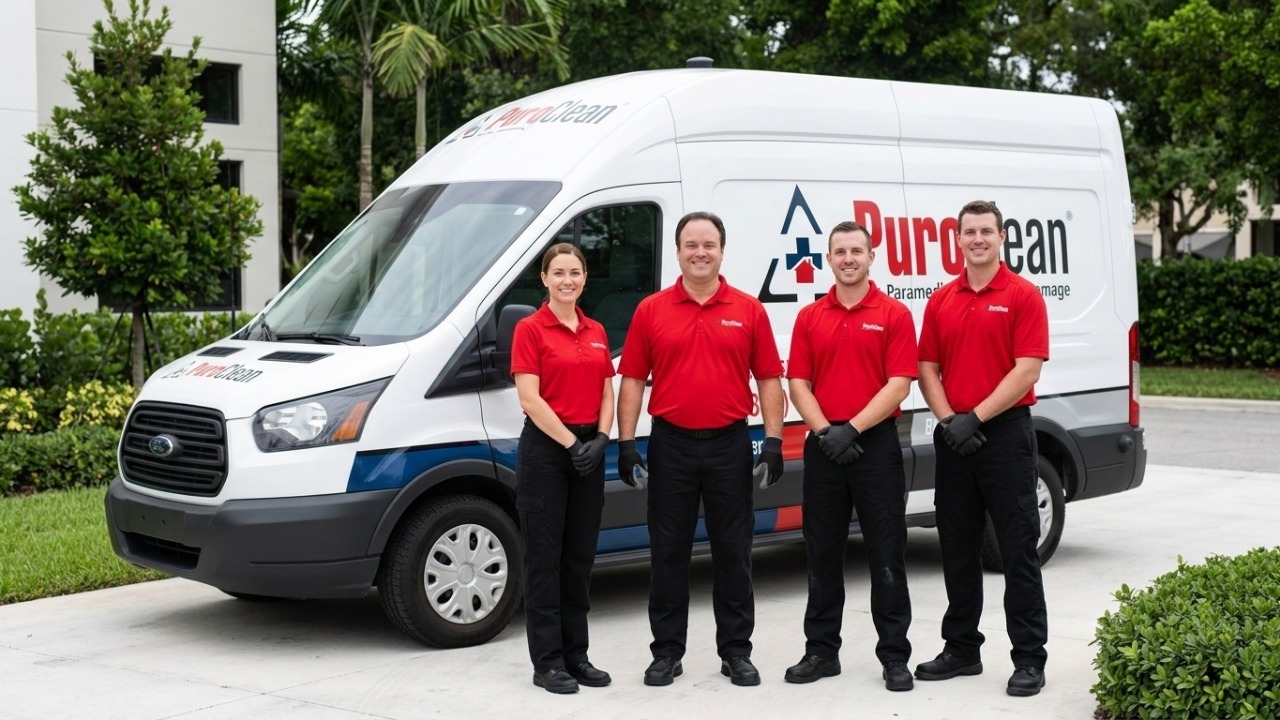
PuroClean of Coral Gables handles both, but our team almost always recommends remediation, because a quick wipe down rarely solves a Florida mold problem for long. Let’s break down exactly why.
What Is Mold Removal
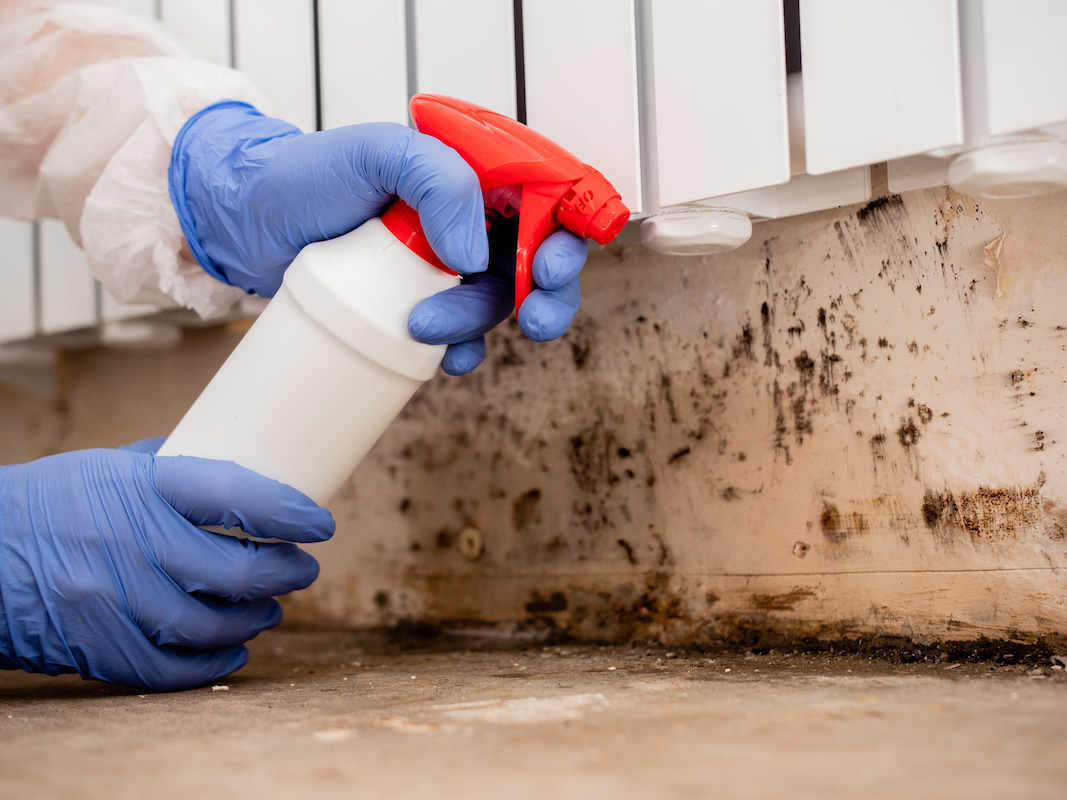
Mold removal is exactly what it sounds like. It is the physical act of getting rid of visible mold. Scrubbing a moldy tile. Wiping down a windowsill. Tossing a moldy shower curtain.
It is simple, fast, and sometimes all you need for a tiny spot. The EPA notes that if the moldy area is smaller than about 10 square feet, a homeowner can often handle it without bringing in a contractor. Source: EPA.gov
But here is the catch. Removal only treats what is visible. It does nothing about the moisture source feeding the mold in the first place.

What Is Mold Remediation
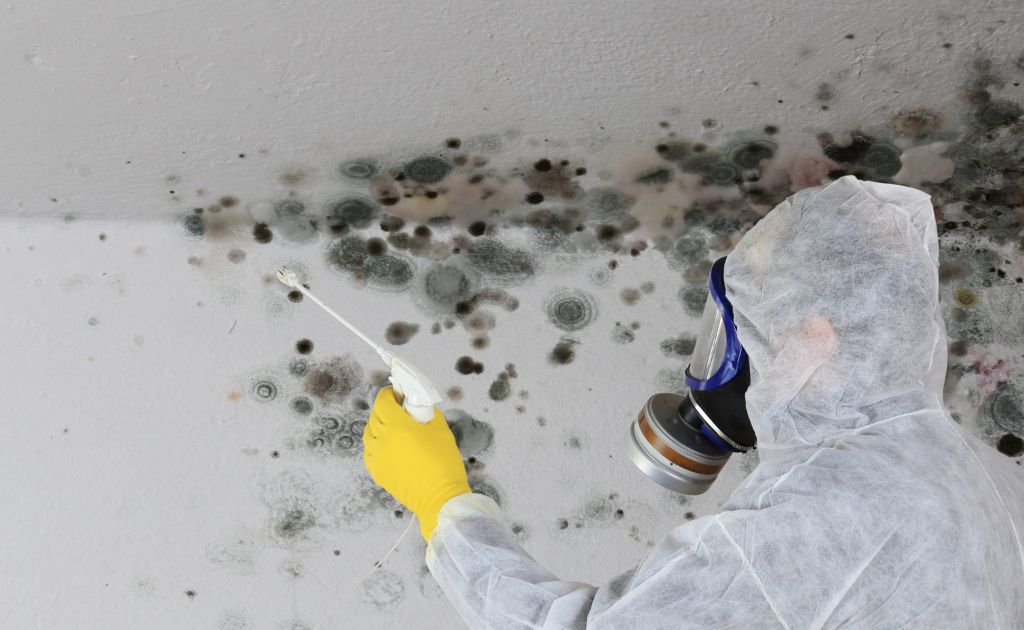
Mold remediation is a complete, structured process. It does not just clean mold, it identifies the cause, contains the problem area, removes contaminated materials, and fixes the conditions that let mold grow.
The federal government agrees with this framing too. The EPA puts it plainly: the key to mold control is moisture control, and its guidance recommends scrubbing mold off hard surfaces while fixing plumbing leaks and water problems as soon as possible. Source: EPA.gov
That single idea is the entire reason mold remediation exists as its own service. You cannot scrub your way out of a moisture problem permanently. You have to fix the source.
A real mold remediation Coral Gables process usually includes:
- Full inspection to pinpoint the moisture source
- Containment to stop spores from spreading room to room
- Safe removal of mold from porous materials like drywall and insulation
- HEPA air filtration to clear airborne spores
- Structural drying and dehumidifying
- A final inspection confirming the job is done right
Mold Remediation vs Mold Removal: The Real Difference Explained
Mold remediation vs mold removal: What’s the Difference?
Think of it this way. Removal treats the symptom. Remediation treats the disease.
If your home has a small, isolated, easily reachable spot of mold and zero history of leaks or flooding, simple removal might be fine. But the moment mold covers a larger area, keeps returning, or you cannot find where it is coming from, you are no longer in removal territory. You need remediation.
This is not just marketing language either. Industry standards back it up. Many restoration companies note that mold spores exist almost everywhere indoors and outdoors, which means total elimination is never realistically possible. The honest, achievable goal is bringing mold levels back down to safe, normal levels and keeping them there. That is the entire purpose of remediation.
Why Coral Gables Homes Are Especially Vulnerable
South Florida is basically mold’s favorite climate. Year round humidity. Heavy rainy seasons. Hurricane risk that brings flooding and water intrusion. Add in Coral Gables’ mix of older, charming homes with aging plumbing and roofing, and you have a near perfect storm for recurring mold.
A few local realities make remediation even more important here:
Hurricane season moisture. Storm damage often pushes water into walls and under flooring where it sits unnoticed for weeks. That hidden moisture is exactly the kind of source removal alone cannot fix.
AC systems working overtime. Coral Gables homes run air conditioning almost year round. A poorly maintained or leaking AC unit is one of the most common hidden mold triggers in South Florida homes.
Older housing stock. Many Coral Gables properties have decades old plumbing and original construction materials, which means hidden leaks are more common than newer builds.
This is why a cookie cutter mold removal job often fails here in a way it might not in a drier climate. The underlying conditions that caused the mold rarely go away on their own in Miami Dade County.
When Do You Need Remediation Instead of Just Removal
When comparing mold remediation vs mold removal, remediation provides long-term protection. You almost certainly need full mold remediation, not just removal, if:
- The mold covers more than 10 square feet
- You smell a musty odor but cannot locate the source
- Mold keeps coming back after cleaning
- Your home has had recent flooding, a roof leak, or storm damage
- Mold is suspected inside walls, under flooring, or in your AC ductwork
- A household member has allergies, asthma, or respiratory issues
If none of those apply and the spot is small and isolated, removal alone may be reasonable. Anything beyond that calls for a professional inspection, not a guess.
What Happens If You Choose the Wrong Option
This is where homeowners get burned. Picking removal when you actually need remediation means paying for a service that buys you a few weeks of peace before the mold reappears, often worse than before.
It also risks your health. Mold exposure is linked to allergic reactions, respiratory irritation, and worsened asthma symptoms, especially with prolonged exposure in a humid home that never gets the moisture problem solved.
And there is a financial cost too. Untreated moisture problems do not just feed mold, they slowly damage drywall, flooring, and structural wood. What starts as a $300 cleaning job can turn into a multi thousand dollar repair if the source is never addressed.
How PuroClean of Coral Gables Handles It Right
At PuroClean of Coral Gables, we do not guess which service you need. We inspect first, then recommend the right path, whether that is straightforward removal for a minor isolated spot or full mold remediation for a deeper, structural moisture issue.
Our remediation process follows the same source first philosophy the EPA recommends. We locate the moisture, contain the affected area, remove contaminated materials safely, dry the space completely, and confirm with a final inspection that your home is actually safe, not just visibly clean.
We know Coral Gables homes. We know what hurricane season does to older roofs and what humidity does to AC systems that have not been serviced in years. That local knowledge means we are not just removing mold, we are solving the actual problem causing it.
Frequently Asked Questions About Mold Remediation vs Mold Removal
Is mold remediation more expensive than mold removal?
When comparing Mold Remediation vs Mold Removal, mold remediation generally costs more because it is a more comprehensive process. It addresses not only the visible mold but also the underlying moisture problem, helping prevent mold from returning. While the upfront cost may be higher, remediation is often a smarter long-term investment that reduces the risk of recurring damage and expensive future repairs.
Can I clean mold myself instead of choosing mold remediation?
If you’re deciding between Mold Remediation vs Mold Removal, it’s important to know that household bleach can only remove surface mold from hard, non-porous materials. It cannot penetrate porous materials like drywall, wood, or insulation, nor can it eliminate the moisture source causing mold growth. For anything beyond a very small affected area, professional mold remediation is the safest and most effective solution.
How long does mold remediation take?
The timeline for Mold Remediation vs Mold Removal depends on the extent of the mold growth and moisture damage. Most residential mold remediation projects take between one and five days. Larger properties or severe water damage may require additional time to ensure the affected areas are thoroughly dried, cleaned, and restored.
Will homeowners insurance cover mold remediation?
Insurance coverage for Mold Remediation vs Mold Removal depends on what caused the mold. If mold results from a sudden and covered event—such as a burst pipe or accidental water damage—your homeowners insurance may cover remediation costs. However, mold caused by long-term leaks, poor maintenance, or excessive humidity is typically excluded. Always review your insurance policy or speak with your insurance provider for specific coverage details.
How do I know if mold remediation was successful?
A professional Mold Remediation vs Mold Removal service should conclude with a final inspection to verify that moisture levels have returned to normal and all visible mold has been safely remediated. Reputable restoration companies, including PuroClean of Coral Gables, will explain the completed work, confirm that the source of moisture has been addressed, and ensure your property is safe before the project is considered complete.
The Bottom Line
Understanding Mold Remediation vs Mold Removal can save you time, money, and unnecessary frustration. While mold removal focuses on cleaning visible mold, remediation is a complete solution that addresses both the mold and the moisture source responsible for its growth.
Mold removal cleans up a symptom. Mold remediation solves the actual problem. For Coral Gables homeowners dealing with relentless humidity, hurricane season, and older housing stock, remediation is almost always the smarter long term choice.
If you’ve noticed mold, musty odors, or signs of water damage, don’t wait. Early professional intervention can help protect your home, improve indoor air quality, and prevent costly repairs down the road.
If you are not sure which one your home needs, do not guess and do not wait. A professional inspection can tell you exactly what is happening behind your walls and what it will actually take to fix it for good.
Worried about mold in your Coral Gables home? PuroClean offers fast, professional mold inspections to identify the real problem before it spreads. Contact PuroClean of Coral Gables today for a free assessment.