

Table of Contents
Mold with vinegar is one of the most searched DIY solutions for homeowners dealing with small mold problems and for good reason. Vinegar is natural, affordable, and easy to use. But here is the honest answer upfront: vinegar can kill some types of mold on non-porous surfaces, but it is not a complete solution for all mold problems especially hidden or severe infestations.
In this guide, you will learn exactly what types of mold vinegar can handle, where it works best, where it fails, and when it is time to call professionals.
What Is Mold and Why It Matters
Before diving deeper into mold with vinegar, it helps to understand what mold actually is. Mold is a type of fungus that thrives in damp, humid environments. It spreads through microscopic spores that travel through the air and settle on surfaces.
Common places mold grows:
- Bathrooms and showers
- Kitchens and under sinks
- Air vents and HVAC systems
- Drywall and ceilings after leaks
- Carpets and upholstery
Some mold is harmless in small amounts, but others can trigger allergies, respiratory issues, and structural damage to your home.
How Vinegar Works on Mold
Vinegar contains acetic acid, which gives it mild antifungal and antibacterial properties. When applied correctly, vinegar can penetrate the surface of mold and kill a large percentage of spores.
Studies show vinegar can kill up to 80 percent of mold species, making it more effective than many people think.
However, effectiveness depends on:
- The type of mold
- The surface it is growing on
- How deep the mold has spread
Types of Mold Vinegar Can Kill
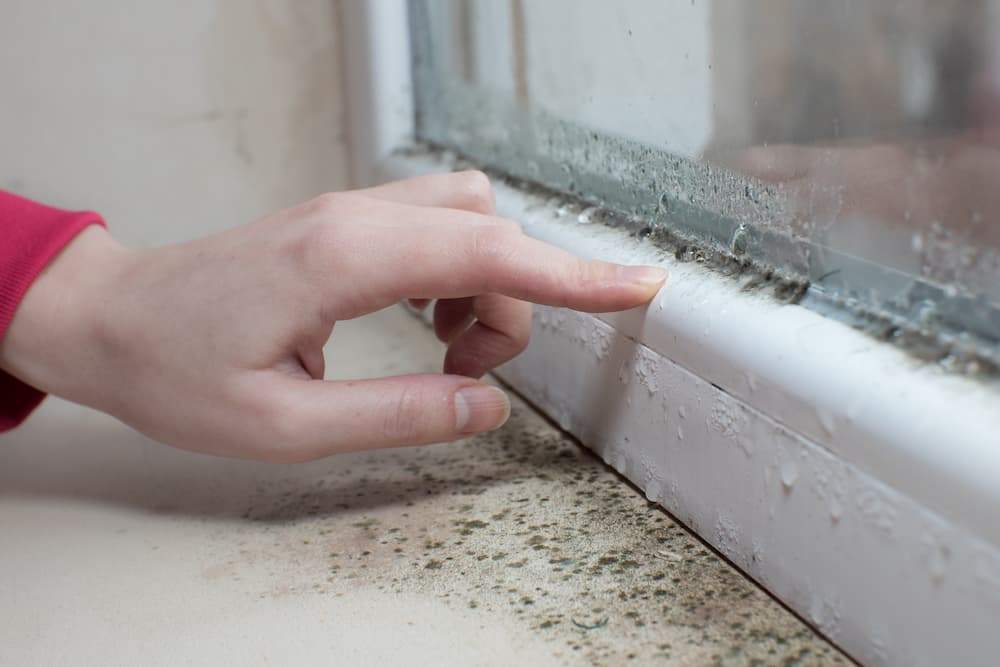
1. Common Household Mold (Surface Mold)
This is the most basic type that mold with vinegar can handle effectively.
Examples include:
- Mold on bathroom tiles
- Mold on glass and mirrors
- Mold on sealed countertops
These molds sit on the surface, making them easier for vinegar to reach and eliminate.
2. Aspergillus (Some Strains)
Aspergillus is a very common indoor mold found in damp environments. Vinegar can kill certain strains of this mold when it is still on the surface.
You might find it:
- On walls
- Around windows
- On damp fabrics
However, once it spreads deeper into materials, vinegar becomes less effective.
3. Penicillium (Early Stage)
Penicillium is another mold commonly found in water-damaged homes. In early stages, Mold with vinegar can help reduce or eliminate it on hard surfaces.
It often appears:
- On wallpaper
- In insulation
- On carpets
Important note: porous materials make removal much harder.
4. Cladosporium (Limited Effectiveness)
Cladosporium can grow in both warm and cool environments. Vinegar may kill it when it is on non-porous surfaces like metal or tile.
But on fabrics or wood, the results are limited.
Types of Mold Vinegar Struggles to Kill
1. Black Mold (Stachybotrys)
This is the most concerning type of mold. While vinegar may kill some surface spores, it does not fully eliminate black mold, especially when it has penetrated drywall or wood.
This type requires professional mold remediation.

2. Mold on Porous Materials
Vinegar struggles with mold growing on:
- Drywall
- Wood
- Carpets
- Upholstery
Why? Because mold roots grow deep inside these materials, beyond the reach of vinegar.
3. Large Scale Infestations
If mold covers an area larger than about 10 square feet, DIY methods like mold with vinegar are not enough. The problem is likely deeper than what you can see.
How to Use Vinegar for Mold Removal
If you are dealing with a small surface issue, here is how to use vinegar properly:
- Pour white vinegar into a spray bottle (do not dilute)
- Spray directly onto the moldy area
- Let it sit for at least 1 hour
- Scrub with a brush
- Wipe clean and allow to dry
Optional: Repeat the process if needed.
Vinegar vs Bleach: Which Is Better?
Many homeowners think bleach is stronger, but that is not always true.
- Bleach removes mold stains but does not kill roots on porous surfaces
- Vinegar penetrates deeper and kills more types of mold
Still, neither is a complete solution for serious mold problems.
When Vinegar Is Enough and When It Is Not
Vinegar Is Enough When:
- Mold is small and localized
- It is on non-porous surfaces
- There is no strong musty smell
- The issue has just started
Vinegar Is NOT Enough When:
- Mold keeps coming back
- There is water damage
- You notice health symptoms
- Mold is inside walls or ceilings
Hidden Risks of DIY Mold Removal
Using mold with vinegar may seem simple, but there are risks:
- You may spread spores while cleaning
- You might miss hidden mold
- The problem may return worse
- Structural damage could go unnoticed
This is why many homeowners think they solved the issue, only for it to come back weeks later.
FAQs About Mold with Vinegar
Does vinegar kill all types of mold?
No. Vinegar can kill many common household molds but not all, especially aggressive or deeply embedded types.
Is vinegar better than bleach for mold?
Yes in many cases. Vinegar kills more mold types, while bleach mainly removes stains.
Can vinegar remove mold permanently?
Only for small surface mold. Larger or hidden mold will return without professional treatment.
How long should vinegar sit on mold?
At least one hour for best results.
Is vinegar safe to use around children and pets?
Yes, but ensure proper ventilation due to the strong smell.
Why Mold Keeps Coming Back After Using Vinegar
This is one of the biggest frustrations homeowners face.
Even after using mold with vinegar, mold can return because:
- Moisture issues were not fixed
- Mold roots remained in porous materials
- Spores spread to other areas
Mold is not just a surface issue, it is often a moisture problem.
Professional Mold Removal vs DIY
DIY solutions like vinegar are great for minor issues, but professional services go deeper.
Professionals:
- Identify hidden mold
- Use advanced equipment
- Remove mold at the root
- Prevent future growth
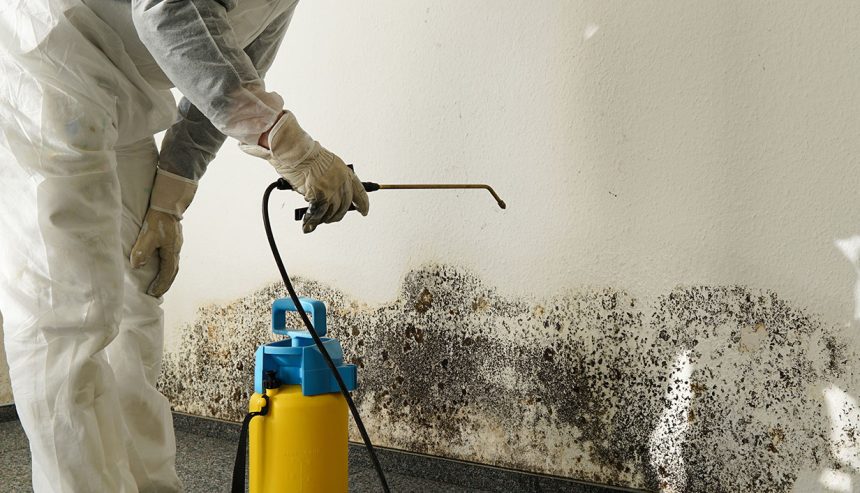
Need Expert Help? PuroClean of Coral Gables Has You Covered
If you have tried mold with vinegar and the problem keeps coming back, it is time to bring in experts.
At PuroClean of Coral Gables, we specialize in:
- Mold inspection and detection
- Safe and thorough mold removal
- Moisture control solutions
- Full property restoration
We do not just clean mold, we eliminate it and help prevent it from returning.
Final Thoughts: What Mold with Vinegar Can Really Do
Let’s bring it all together.
Mold with vinegar can effectively kill many common household molds on non-porous surfaces like tiles and glass. It is a great first step for small, visible problems.
But it has clear limitations.
It cannot fully eliminate:
- Deep rooted mold
- Mold in porous materials
- Large infestations
- Toxic black mold
If your mold problem goes beyond a small surface spot, the safest and most effective solution is professional mold remediation.
Bottom line: Vinegar is helpful but not a complete fix. Knowing when to step up to professional help can save your home and your health.