

Water intrusion after heavy rain can turn an ordinary afternoon storm into an unexpected home repair problem. In Coral Gables, where heavy downpours, tropical weather, humidity, and strong storms are part of life, water can find its way through roofs, windows, doors, walls, and other vulnerable areas surprisingly quickly.
The good news is that homeowners can reduce the risk by knowing what to look for and acting quickly when water gets inside. If your Coral Gables home has already experienced water damage, PuroClean of Coral Gables can help assess the situation, remove standing water, dry affected areas, and restore your property.
Call (305) 894-4343 when you need professional water damage restoration assistance.

What Should You Do After Heavy Rain?
If rain has entered your home, don’t simply wipe up the visible water and move on. The immediate priority is to identify where the water came from, stop the source if it is safe to do so, remove standing water, and begin drying affected materials as quickly as possible.
Even water that appears minor can move beneath flooring, behind drywall, or into insulation where it may remain hidden.
The EPA recommends drying wet or damp materials within 24 to 48 hours to help reduce the possibility of mold growth.
For Coral Gables homeowners, the takeaway is simple: don’t wait for visible damage to become a major problem.
1. Know Where Water Can Enter Your Coral Gables Home
Heavy rain doesn’t need a major opening to cause trouble. Water can enter through small weaknesses that may go unnoticed during normal weather.
Some of the most common entry points include:
- Damaged or aging roofing materials
- Cracked or deteriorated flashing
- Gaps around windows and exterior doors
- Damaged seals and caulking
- Blocked gutters and downspouts
- Roof penetrations around vents and equipment
- Cracks in exterior walls
- Poor drainage around the property
- Garage doors and low entry points
- Plumbing problems that happen during or after storms
In South Florida, a combination of heavy rainfall and strong winds can make an existing weakness worse. A damaged roof, for example, may allow water into the attic before you notice a stain on the ceiling.
That is why a post-storm inspection is worth doing even when everything inside your home appears normal.
2. Check Your Roof and Ceiling for Warning Signs
Your roof is your home’s first major defense against rain. When it is compromised, water can travel into the attic, insulation, ceilings, and walls.
After a significant storm, look for:
- Brown or yellow ceiling stains
- Bubbling or peeling paint
- Damp drywall
- Sagging ceiling materials
- Water around light fixtures
- Musty odors
- Damp insulation in the attic
- Visible roof damage
Don’t assume that the location of a ceiling stain tells you exactly where the leak is. Water can travel along roofing materials, framing, and other surfaces before appearing inside.
If water is near electrical fixtures, don’t touch the fixture or attempt repairs yourself. Turn off electricity to the affected area only if you can do so safely and contact an appropriate professional.
3. Don’t Ignore Windows, Doors, and Exterior Walls
Roof leaks aren’t the only source of storm-related moisture.
Windows and exterior doors can become entry points when seals deteriorate or water is driven against the building by wind. Even a small gap can allow moisture to enter during a prolonged downpour.
Check around window frames and doors for:
- Dampness
- Discoloration
- Peeling paint
- Soft drywall
- Swollen trim
- Water pooling near the interior
- Musty smells
Pay particular attention to areas that repeatedly become damp during storms. Recurring moisture usually means there is an underlying problem that needs to be identified rather than repeatedly cleaned.
4. Keep Gutters, Downspouts, and Drainage Clear
One of the simplest ways to reduce storm-related water problems is to give rainwater somewhere to go.
Miami-Dade County recommends clearing debris from gutters, downspouts, and nearby storm drains before heavy rain. The county also advises homeowners to make sure drainage pathways around the property are not obstructed.
This is particularly important in Coral Gables, where intense rainfall can produce large volumes of runoff in a short period.
Before the next storm:
- Remove leaves and debris from gutters
- Check that downspouts are flowing properly
- Make sure water is directed away from the home
- Keep nearby drains clear
- Look for areas where water repeatedly pools
- Check that landscaping isn’t blocking natural drainage
A little maintenance before a storm can help prevent a much bigger cleanup afterward.
5. Watch for Hidden Water Damage
One of the biggest problems with water intrusion after heavy rain is that you may not see all of it.
Water can move underneath carpet, behind baseboards, beneath flooring, inside walls, and into insulation. By the time visible staining appears, moisture may already have affected materials beyond the original area.
Common signs of hidden moisture include:
1. A persistent musty smell: An unusual odor can indicate damp materials that aren’t drying properly.
2. Warped flooring: Wood, laminate, and other flooring materials can change shape after absorbing moisture.
3. Soft drywall: Walls that feel unusually soft or swollen may have absorbed water.
4. Peeling paint: Paint can bubble or peel when moisture becomes trapped underneath.
5. Unexpected humidity: A room that suddenly feels damp after a storm may have a moisture problem.
The EPA emphasizes that controlling moisture is central to preventing mold growth and recommends addressing water problems promptly.
6. Act Quickly to Reduce the Risk of Mold
Water damage and mold often go hand in hand because mold needs moisture to grow.
This doesn’t mean every wet area will automatically develop mold. However, leaving materials damp for too long increases the risk.
The EPA recommends drying wet materials within 24 to 48 hours whenever possible. It also recommends fixing the underlying water problem rather than simply cleaning visible mold.
For homeowners, that means drying the affected area is only part of the solution.
You also need to determine:
- Where did the water come from?
- How far did the moisture travel?
- Which materials became wet?
- Are any areas still damp?
- Has the source of the water been corrected?
If a large portion of the property has been affected, professional water damage restoration can help identify moisture that isn’t obvious to the eye and speed up the drying process.
7. Know When to Call a Water Damage Restoration Professional
Not every small spill requires professional restoration. A small amount of clean water that is quickly cleaned and completely dried may be manageable by a homeowner.
Storm-related water intrusion is different when the affected area is extensive, water has entered walls or flooring, the source is unknown, or materials remain wet.
You should consider professional help when:
- Water has spread across multiple rooms
- Carpet or flooring is saturated
- Drywall or insulation is wet
- Water has entered the ceiling or walls
- There is standing water
- The source of the water hasn’t been identified
- A musty smell develops
- Mold is visible
- Water has affected electrical areas
- Your property has experienced significant storm damage
A professional restoration team can assess the affected areas, extract standing water, use professional drying equipment, monitor moisture levels, and help restore the property.
How to Prevent Water Intrusion Before the Next Storm
The best time to think about storm-related water damage is before the rain starts.
Create a simple pre-storm checklist for your Coral Gables home.
1. Inspect the roof
Look for visible damage, missing materials, deteriorated flashing, and other areas that could allow rain to enter.
2. Clean the gutters
Remove leaves and other debris so rainwater can flow freely.
3. Check downspouts
Make sure water is being directed away from the home’s foundation and isn’t pooling near exterior walls.
4. Inspect windows and doors
Look for cracked caulking, damaged weatherstripping, or gaps around frames.
5. Check the yard
Make sure landscaping, debris, or other objects aren’t blocking drainage routes.
6. Protect valuable belongings
During a severe weather event, move important documents, electronics, and valuable belongings away from areas vulnerable to water.
Miami-Dade County specifically recommends keeping drainage paths clear and moving valuable items to higher locations when heavy rain is expected.
What About Water Damage After a Storm?
Sometimes the problem isn’t obvious until several hours after the rain stops.
You may notice a stain on the ceiling later that evening. A section of flooring may begin to swell the following day. Or you may notice a musty smell coming from a room that appeared completely dry.
These are reasons not to dismiss post-storm changes in your home.
Water damage can affect more than the surface. Depending on how much water entered and how long materials remained wet, moisture may affect drywall, flooring, insulation, cabinetry, furniture, and other parts of the property.
The sooner the situation is evaluated, the better your chances of limiting the spread of damage.
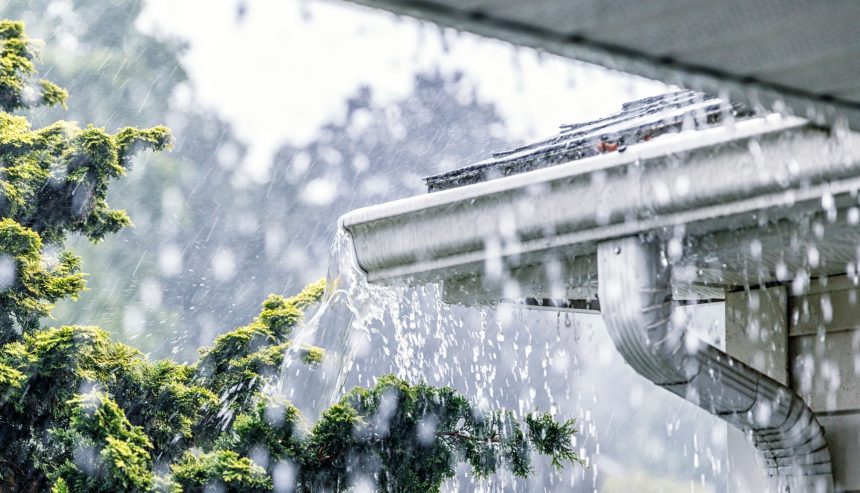
Water Intrusion After Heavy Rain in Coral Gables: Why Local Conditions Matter
Coral Gables homeowners deal with a unique combination of intense rainfall, humidity, tropical weather, and occasional storm activity.
Miami-Dade County identifies heavy rain as a significant flooding concern and notes that intense rainfall can quickly overwhelm drainage systems.
That means homeowners shouldn’t only think about water coming directly through the roof.
Rainwater can also collect around the property, enter through vulnerable openings, overwhelm drainage systems, or find its way into low areas of a home.
Regular maintenance is therefore important, but so is knowing what to do when prevention isn’t enough.
How We Can Help with Water Intrusion After Heavy Rain
When your property has experienced storm-related water damage, you don’t want to spend days wondering whether everything is actually dry.
PuroClean of Coral Gables provides professional water damage restoration services to help homeowners respond to water emergencies.
Depending on the situation, the restoration process may include:
- Inspecting the affected property
- Identifying the source and extent of water damage
- Removing standing water
- Drying affected areas
- Using professional air movers and dehumidification equipment
- Monitoring moisture levels
- Addressing affected materials
- Helping prevent secondary damage
- Supporting the restoration process from start to finish
The goal isn’t simply to make the visible water disappear. It’s to address the moisture problem properly and help return your property to a safe, dry, and livable condition.
If your Coral Gables home has been affected by storm water, roof leaks, or another water emergency, don’t wait for the damage to become more extensive.
Call PuroClean of Coral Gables at (305) 894-4343 for professional water damage restoration assistance.
FAQs About Water Intrusion After Heavy Rain
What are the first signs of water intrusion after heavy rain?
Common signs include ceiling stains, peeling paint, wet drywall, musty odors, warped flooring, damp carpet, and water around windows or doors. Some moisture can remain hidden, so unusual odors or changes in materials should not be ignored.
Can heavy rain cause water damage even if there is no flooding?
Yes. A home doesn’t need to flood for water damage to occur. Rain can enter through damaged roofing, windows, doors, exterior walls, and other openings. Water can also accumulate around a property and find its way into vulnerable areas.
How quickly should I dry water-damaged areas?
The EPA recommends drying wet or damp areas and materials within 24 to 48 hours whenever possible to help reduce the risk of mold growth from water intrusion after heavy rain.
Can water damage lead to mold?
Yes. Mold requires moisture to grow. If water-damaged materials remain damp, the risk of mold increases. The EPA recommends controlling moisture and addressing the underlying water problem promptly.
Should I paint over a water stain on my ceiling?
Not before identifying and fixing the source. Painting over a stain may hide the visible mark temporarily, but it doesn’t remove moisture that could still be present inside the ceiling or surrounding materials.
When should I call a water damage restoration company?
Call a professional when water has spread extensively, entered walls or flooring, caused standing water, affected insulation or drywall, or cannot be dried quickly. Professional equipment can help locate and remove moisture that isn’t visible.
How can Coral Gables homeowners prepare for heavy rain?
Keep gutters, downspouts, and drainage areas clear; inspect the roof; check window and door seals; make sure water is directed away from the property; and move valuable belongings away from areas vulnerable to flooding. Miami-Dade County recommends maintaining clear drainage paths before heavy rain.
What causes Water Intrusion After Heavy Rain in Coral Gables?
Water Intrusion After Heavy Rain can occur when rainwater enters through damaged roofs, clogged gutters, poorly sealed windows and doors, exterior wall cracks, or areas with poor drainage. In Coral Gables, intense rainfall can quickly expose weaknesses around a property.
How can I prevent Water Intrusion After Heavy Rain?
Regular maintenance can help prevent Water Intrusion After Heavy Rain. Keep gutters and downspouts clear, inspect your roof for damage, check window and door seals, and make sure water drains away from your home. Addressing small leaks before storm season can also help reduce the risk of water damage.
How do I know if Water Intrusion After Heavy Rain is serious?
Signs that Water Intrusion After Heavy Rain may be more serious include standing water, wet drywall, ceiling stains, warped flooring, peeling paint, damp insulation, or a persistent musty smell. If water has entered walls, ceilings, or flooring, professional assessment may be necessary to identify hidden moisture.
Can Water Intrusion After Heavy Rain cause mold?
Yes. Water Intrusion After Heavy Rain can increase the risk of mold when wet materials are not dried promptly. Moisture can remain hidden behind walls, beneath flooring, or inside insulation. Drying affected areas quickly and addressing the source of the water can help reduce the risk of mold growth.
How does PuroClean handle Water Intrusion After Heavy Rain?
PuroClean of Coral Gables can help homeowners respond to Water Intrusion After Heavy Rain by assessing affected areas, extracting standing water, drying moisture-affected materials, and using professional drying equipment when needed. If your Coral Gables property has suffered water damage, call (305) 894-4343 for professional assistance.
The Bottom Line
Water intrusion after heavy rain doesn’t always look dramatic at first. Sometimes it starts with a small ceiling stain, damp carpet, a musty smell, or water around a window. But the longer moisture remains, the greater the opportunity for materials to deteriorate and mold to develop.
For Coral Gables homeowners, prevention starts with regular roof and drainage maintenance. After a major storm, inspect your property carefully and take action at the first sign of moisture.
And if water has already entered your home, don’t wait and hope it dries on its own.
PuroClean of Coral Gables is ready to help with professional water damage restoration when you need it. Call (305) 894-4343 to get help after a storm, leak, or other water emergency.