 PuroClean of Conroe
 Is white mold dangerous? (Quick answer)
Yes, white mold can affect indoor air quality and cause allergy or respiratory symptoms
It is not defined by color, and some white molds can still be harmful
It should be removed quickly and the moisture source fixed
Large or hidden mold problems require professional remediation
White mold is a general term for several mold species that appear white or light-colored and grow in damp environments. It commonly develops on materials such as wood, drywall, insulation, and carpets when moisture is present.
While white mold may look harmless, it can damage building materials and trigger allergies, respiratory irritation, and other health symptoms. Because mold spreads through airborne spores, it should be removed quickly and the moisture source fixed to prevent it from returning.
What is White Mold?
White mold is not a single species of mold. Instead, the term describes multiple fungi that appear white or pale during certain stages of growth.
Common household molds that may appear white include:
- Aspergillus
- Cladosporium
- Penicillium
These molds thrive in moist environments with organic materials such as wood, drywall, dust, and fabrics. Some molds may start white and later change color as they mature and produce spores. This is why mold color alone is not a reliable way to identify the species.
Some molds may start white and later change color as they mature and produce spores, which is why mold color alone is not a reliable way to identify the species—an issue also discussed when explaining what green mold is and whether it is dangerous.
What White Mold Looks Like
White mold often appears:
- Powdery or fuzzy
- Chalky or cotton-like
- Light gray or pale in color
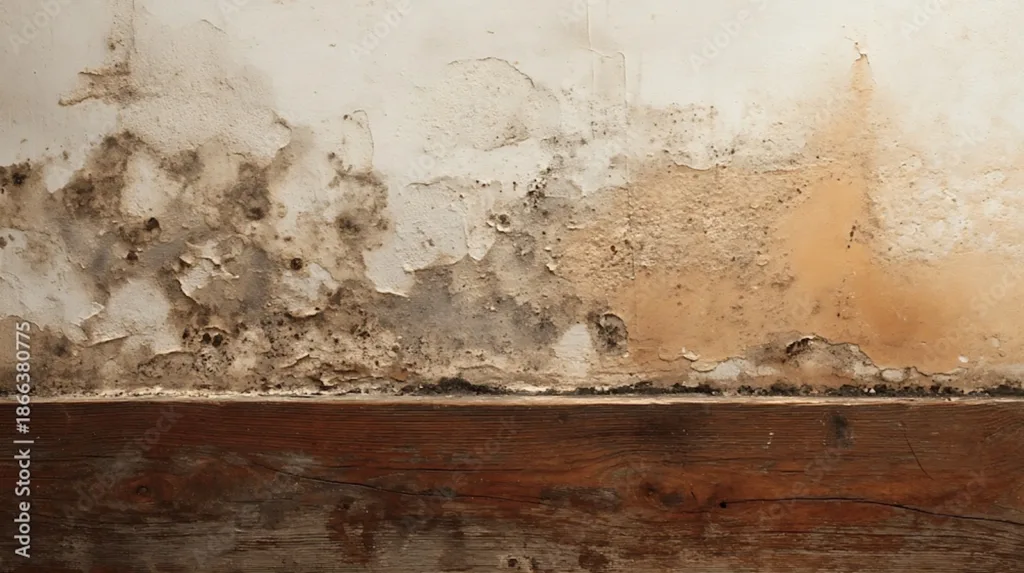
Because of its pale color, white mold can blend into surfaces like drywall, wood, or insulation, making it harder to detect than darker molds.
White Mold vs Black Mold (Important Difference)
White mold and black mold are often compared, but color alone does not determine how dangerous mold is.
Key differences:
- Color does not equal toxicity
Mold appearance varies by growth stage and environment - Both can be harmful
White and black mold can affect indoor air quality and cause similar symptoms - White mold may appear earlier
Some molds start white before darkening as they mature - Black mold (Stachybotrys)
Often associated with mycotoxins, but not all black mold is toxic, and not all harmful mold is black
The takeaway is simple. Any mold growth indoors should be taken seriously, regardless of color.
White Mold vs. Mildew vs. Efflorescence
White substances on surfaces are not always mold. Two common look-alikes are mildew and efflorescence, which can appear similar but behave very differently.
| Feature | White Mold | Mildew | Efflorescence |
| Type | Fungus | Surface fungus | Salt deposit |
| Where it grows | Wood, drywall, fabrics | Damp surfaces | Concrete, brick |
| Texture | Fuzzy or powdery | Flat and dusty | Crystalline powder |
| Health risk | Can affect indoor air quality | Usually mild | None |
| Growth | Spreads through spores | Surface growth | Does not grow |
Mildew tends to remain on the surface, while mold penetrates porous materials like wood or drywall. Understanding the difference between mold and mildew helps homeowners identify potential problems more accurately.
Is White Mold Dangerous?
Yes, white mold can pose health risks, especially when it develops indoors and exposure occurs over time in enclosed environments.
Mold releases microscopic spores into the air, which can affect indoor air quality and irritate the respiratory system. While darker molds are often perceived as more harmful, white mold can cause similar issues, particularly for individuals with allergies, asthma, or weakened immune systems.
While many people associate mold hazards with darker varieties, lighter-colored mold can still affect indoor air quality in ways similar to black mold and other toxic mold types.
Possible Health Effects
Exposure to mold may cause:
- Sneezing and nasal congestion
- Coughing or throat irritation
- Eye irritation
- Skin rashes
- Headaches or fatigue
More detailed medical information about symptoms of mold exposure explains how different individuals may react depending on sensitivity and exposure levels.
Because mold spores spread easily through indoor air, any visible mold growth should be addressed promptly to reduce potential health risks and prevent further contamination.Because mold spores travel easily through indoor air, any visible mold growth should be addressed quickly.
How to Tell If White Mold Is Active or Dangerous
Not all mold growth looks severe at first. These signs can help determine if the problem is active or getting worse:
- It is spreading or returning: Mold that grows over time or comes back after cleaning indicates ongoing moisture
- Musty odor: A persistent earthy smell often signals hidden mold
- Recurring moisture: Leaks, humidity, or condensation feed continued growth
- Location matters: Mold in HVAC systems, inside walls, or under flooring can spread more easily and impact air quality
If mold is hidden or keeps returning, the issue is usually deeper than surface-level contamination.
Where White Mold Commonly Grows
White mold grows in areas where moisture and organic materials combine.
Common locations inside homes include:
- Basements
- Crawl spaces
- Attics
- Bathrooms
- HVAC systems
- Carpets and upholstery
- Wooden framing or structural materials
Mold can begin developing within 24–48 hours after water exposure, according to industry standards from the Institute of Inspection Cleaning and Restoration Certification (IICRC).
Water leaks, flooding, condensation, or high humidity often trigger mold growth.
How to Remove White Mold
Small areas of white mold may sometimes be cleaned carefully, but improper removal can spread spores and worsen contamination.
Step-by-Step White Mold Removal
1. Wear protective equipment
Use protective gear to reduce exposure:
- Gloves
- Eye protection
- N95 mask or respirator
2. Isolate the affected area
Limit airflow to prevent spores from spreading to other rooms.
3. Dampen the mold
Lightly mist moldy surfaces with water before cleaning to reduce airborne spores.
4. Clean non-porous surfaces
Scrub surfaces such as tile, metal, or plastic with:
- Water and detergent
- Mold cleaning products
Rinse and dry the surface thoroughly.
5. Remove contaminated porous materials
Items like drywall, carpeting, insulation, or upholstery may need to be discarded if mold growth is extensive.
6. Dry the area completely
Use ventilation or dehumidifiers to remove excess moisture.
Because mold remediation can be complex, it’s important to understand why DIY mold removal may not always be effective when dealing with larger infestations.
How to Prevent White Mold
Preventing mold growth requires controlling indoor moisture and improving ventilation.
Key Mold Prevention Practices
- Keep indoor humidity below 50%
- Fix plumbing leaks quickly
- Use exhaust fans in bathrooms and kitchens
- Dry wet materials within 24–48 hours
- Improve airflow in basements and crawl spaces
- Inspect moisture-prone areas regularly
Eliminating excess moisture is the most effective way to prevent mold from returning.
Professional White Mold Removal Services
If white mold appears after water damage, leaks, or flooding, professional remediation may be necessary to remove contamination safely and restore indoor air quality.
PuroClean’s certified restoration professionals use advanced moisture detection equipment and specialized remediation techniques to identify hidden moisture, contain mold growth, and clean affected materials.
To find professional help near you, contact your local team through the PuroClean office locator for a property assessment and remediation plan.
FAQs
What causes white mold in homes?
White mold grows when spores land on damp surfaces containing organic materials such as wood, drywall, or dust. Moisture from leaks, humidity, or water damage typically triggers mold growth.
Is white mold worse than black mold?
Not necessarily. Mold color does not determine toxicity. Both white and black mold can affect indoor air quality and cause allergic or respiratory symptoms.
Can I remove white mold myself?
Small patches on non-porous surfaces can sometimes be cleaned with disinfectants. However, large infestations or mold inside structural materials usually require professional remediation.
What does white mold smell like?
White mold often produces a musty or earthy odor, which is one of the earliest signs of hidden mold growth.
How fast does white mold grow?
Mold can begin growing within 24–48 hours after moisture exposure, particularly in warm and humid conditions.

 PuroClean of Conroe