Table of Contents
- Why Sloatsburg Needs Professional Water Damage Restoration
- Common Water Damage Causes in Sloatsburg
- Seasonal Water Damage: Winter Through Summer
- Historic Mill Town Water Damage Challenges
- Professional Water Damage Restoration Process
- Water Damage Restoration Costs in Sloatsburg
- Why Choose Professional Services
- Prevention Tips for Sloatsburg Homes
- Frequently Asked Questions
Key Takeaways: Sloatsburg Water Damage Restoration
- 24/7 emergency response is critical: Water damage restoration in Sloatsburg requires immediate professional attention due to Ramapo River flooding, winter freeze-thaw cycles, and historic housing vulnerability.
- Seasonal patterns drive water damage: Winter brings frozen pipes and ice dams, spring brings snowmelt flooding, summer brings severe storms and humidity, and fall requires preparation for the cycle to repeat.
- Time is everything: Water damage spreads rapidly—within 24 hours, mold begins growing; within 48 hours, structural damage accelerates; within a week, restoration costs can triple.
- Historic homes face unique risks: Properties dating from the 1700s-1800s built before modern building codes require specialized water extraction and structural drying approaches.
- Costs vary by response time: Immediate water extraction may cost $500-$3,000, while delayed response requiring structural repairs can reach $10,000-$50,000.
- Insurance coverage is time-sensitive: Most policies cover sudden water damage (burst pipes, storm damage, appliance failures) but require prompt reporting and professional documentation.
Why Sloatsburg Needs Professional Water Damage Restoration
Sloatsburg’s unique position along the Ramapo River brings both scenic beauty and significant water damage challenges for property owners year-round. This historic mill village, which flourished from the late 1700s through the early 1900s as an industrial center, experiences water damage from multiple sources: winter frozen pipes and ice dams, spring snowmelt and river flooding, summer severe storms and humidity, and fall preparation failures. The village’s diverse architecture—from 18th-century stone houses to mill worker cottages and mid-century homes—combined with its floodplain location creates conditions where water damage emergencies can occur in any season. Professional water damage restoration isn’t just recommended here—it’s essential for property protection.
Geographic and Historic Factors Driving Mold Remediation Demand
Local conditions mean our mold remediation specialists regularly encounter:
- Ramapo River flooding: Historic flooding events including the catastrophic Great Flood of 1903 and more recent July 2023 flooding demonstrate ongoing vulnerability
- Floodplain location: Properties near the river face persistent groundwater and surface water intrusion challenges
- Historic mill district: Former industrial areas along the river feature aging infrastructure and moisture-prone basements
- Orange Turnpike corridor: Properties along Route 17 face drainage challenges from road runoff and seasonal flooding
- Nor’easters and severe storms: Heavy rainfall overwhelms historic drainage systems and causes flash flooding
- Aging housing stock: Homes from the 1700s-1900s lack modern moisture barriers and vapor protection
- Proximity to Harriman State Park: Natural watershed runoff impacts village properties during heavy rain events
Sloatsburg’s Historic Housing Stock and Building Code Requirements
Sloatsburg features diverse architectural styles presenting distinct mold remediation challenges:
- Sloat House (1730s-1810s): Stone and frame construction typical of early settlement-era homes with limited moisture protection
- Harmony Hall / Jacob Sloat House (1848): Greek Revival mansion exemplifying mid-19th century construction on knoll overlooking former mill sites
- Mill worker cottages (1800s-early 1900s): Small frame houses built near the river for cotton mill and iron forge workers, highly susceptible to flooding
- Sloat’s Dam area properties (1792): Homes near the original dam and millrace face persistent groundwater and humidity issues
- Former industrial buildings: Structures converted to residential use retain moisture issues from their manufacturing past
- Erie Railroad corridor homes (1840s+): Properties built after railroad arrival feature varying construction quality and drainage challenges
- Mid-century residential developments: Post-WWII homes through 1970s construction with improved but still aging moisture systems
Homes in Sloatsburg, NY, are not inherently “limited” in moisture protection; rather, building codes in Sloatsburg (which follow New York State codes) require specific measures for moisture and vapor protection in new construction and renovations. These requirements are designed to prevent moisture accumulation, which can lead to mold, foundation damage, and costly repairs.
However, older properties built before modern building codes often lack these protective measures, making professional mold remediation services critical throughout Sloatsburg’s historic village center and riverside areas. Newer construction and properly renovated homes benefit from code-compliant moisture barriers, proper ventilation systems, and adequate drainage—features that significantly reduce mold risk when properly maintained.
Common Water Damage Causes in Sloatsburg
Understanding water damage sources is essential for Sloatsburg homeowners. Water damage can strike suddenly or develop gradually, but all sources require immediate professional attention to prevent escalating costs and secondary damage like mold growth. Our restoration team responds to these water emergencies 24/7:
Ramapo River Flooding and Storm-Related Water Damage
River proximity creates the most urgent water damage and subsequent mold cases in Sloatsburg:
- Historic flooding pattern: The Great Flood of 1903 destroyed most riverside factories; modern homes face similar flood risks during extreme weather
- 100-year floodplain properties: Many Sloatsburg homes sit within designated flood zones experiencing periodic inundation
- Flash flooding from intense rainfall: July 2023 flooding across Rockland County demonstrated rapid water accumulation in the Ramapo Valley
- Spring snowmelt and river overflow: Seasonal high water levels cause basement flooding and foundation water intrusion
- Nor’easters and hurricanes: Coastal storms push extraordinary rainfall through the valley, overwhelming drainage systems
- Dam and millrace area flooding: Properties near Sloat’s original 1792 dam face unique water management challenges
- Low-lying areas near Stony Brook: Tributary flooding compounds Ramapo River water issues
- Power outages and sump pump failures: Storm-related outages lead to basement flooding when backup systems aren’t available
Foundation and Basement Water Intrusion
Historic foundations and aging infrastructure create persistent water damage issues:
- Stone foundation water seepage: 18th and 19th-century stone foundations with lime mortar allow groundwater infiltration
- High water table near the river: Groundwater rises during wet seasons, forcing water through foundation walls and floor joints
- Foundation settlement in older homes: Properties dating to the 1700s-1800s experience natural settlement creating water entry points
- Inadequate drainage from historic mill sites: Former industrial areas lack modern drainage, causing water to pool against foundations
- Crawl space moisture in mill-era cottages: Small worker houses feature dirt-floor crawl spaces accumulating moisture
- Basement flooding from street runoff: Route 17 (Orange Turnpike) drainage overwhelms properties during heavy rain
- Historic millrace seepage: Remnants of old water channels create underground moisture pathways
Plumbing System Water Damage
Aging plumbing infrastructure creates frequent water damage emergencies:
- Burst pipes in winter: Older homes with inadequate insulation experience frozen pipe failures during cold snaps
- Galvanized pipe deterioration: Original iron pipes in pre-1960 homes corrode internally, causing slow leaks behind walls
- Water heater failures in basements: Aging units flood when tanks rupture, often going unnoticed until significant damage occurs
- Well system issues: Some Sloatsburg properties on well water experience pump failures and pressure tank leaks
- Toilet and bathroom leaks: Second-floor bathroom failures in multi-story homes cause extensive damage to ceilings and walls below
- Appliance supply line failures: Washing machine, dishwasher, and refrigerator line breaks create rapid flooding
- Cast iron drain failures: Original drainage systems in historic homes corrode and leak within wall cavities
Roof and Attic Water Damage
Diverse roofing systems across Sloatsburg’s housing stock create varied water intrusion issues:
- Asphalt shingle deterioration: Wind-driven rain from storms damages aging shingle systems
- Flashing failures around chimneys: Many older homes feature original masonry chimneys with degraded flashing
- Ice dam formation: Inadequate attic insulation creates ice dams forcing water under roofing materials
- Gutter system failures: Undersized or clogged gutters direct water against foundations and into basements
- Roof valley deterioration: Complex rooflines on Victorian and Greek Revival homes create valleys where water accumulates
- Attic ventilation issues: Poor ventilation traps moisture and heat, promoting mold growth in insulation
HVAC and Ventilation Moisture Issues
Modern climate control in historic properties creates unique moisture challenges:
- Condensation from air conditioning: AC systems added to older homes create condensation original structures weren’t designed to handle
- Poor basement ventilation: Mill-era cottages and older homes lack proper air circulation in below-grade spaces
- Bathroom exhaust failures: Many historic homes lack proper exhaust systems, creating chronic humidity
- Ductwork condensation: Temperature differentials in uninsulated duct systems create water droplets promoting mold
- Dehumidifier drainage issues: Basement dehumidifiers can overflow or drain improperly, creating localized flooding
Seasonal Water Damage: Winter Through Summer in Sloatsburg
Sloatsburg experiences distinct seasonal water damage patterns throughout the year. Understanding these seasonal threats helps property owners prepare and respond quickly to minimize damage and restoration costs.
Winter Water Damage (December – February)
Winter brings the most severe and costly water damage risks to Sloatsburg properties. Cold temperatures, snow accumulation, and freeze-thaw cycles create multiple failure points in aging homes:
Frozen and Burst Pipes
The leading cause of winter water damage claims in Sloatsburg:
- Uninsulated pipe vulnerabilities: Historic homes often have pipes in exterior walls, unheated crawl spaces, and uninsulated attics that freeze when temperatures drop below 20°F
- Overnight freezing: Pipes freeze during frigid overnight hours (typically 2-6 AM) and burst when temperatures rise and water begins flowing
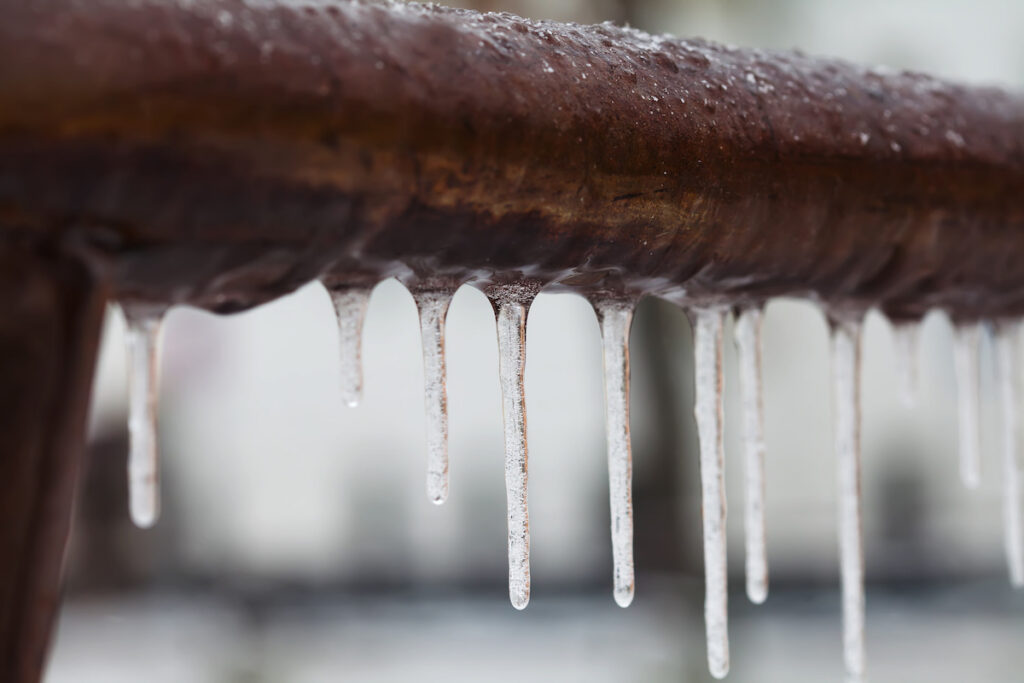
- Catastrophic flooding: A single burst pipe can release 400+ gallons per hour, flooding basements, walls, and multiple floors before discovery
- Supply line failures: Washing machine, dishwasher, and refrigerator supply lines are particularly vulnerable in unheated areas
- Well system freeze-ups: Properties on well water experience pump and pressure tank failures during extreme cold
- Hose bib and exterior faucet bursts: Failure to drain and shut off exterior water sources causes pipe bursts inside wall cavities
- Heating system failures: When heating systems fail during cold snaps, entire plumbing systems can freeze within hours
Ice Dams and Roof Leaks
Snow accumulation and poor attic insulation create damaging ice formations:
- Ice dam formation process: Heat escaping through poorly insulated attics melts snow on the roof; water runs down and refreezes at cold eaves, creating ice dams
- Water backup under shingles: Trapped water backs up under roofing materials and leaks into attics, insulation, and wall cavities
- Ceiling and wall water damage: Ice dam leaks cause staining, drywall deterioration, and insulation saturation that’s often hidden until spring
- Gutter system damage: Ice-filled gutters pull away from fascia boards, allowing water to pour directly onto foundations
- Icicle formation hazards: Large icicles indicate ongoing ice dam issues and roof drainage problems
- Historic home vulnerabilities: Older Sloatsburg homes with inadequate attic insulation and ventilation experience severe ice dam problems
Basement Flooding from Frozen Ground
Frozen soil creates unique winter water intrusion challenges:
- Impermeable frozen ground: When soil freezes, water cannot percolate down, forcing it horizontally against foundations
- Snowmelt during warm spells: Brief temperature increases melt surface snow but water cannot drain through frozen ground
- Foundation crack exploitation: Water pressure forces moisture through any foundation cracks or mortar joints
- Sump pump failures: Discharge lines freeze, causing pumps to cycle continuously or burn out, leading to basement flooding
- Window well flooding: Snow-filled window wells trap water against below-grade windows when temperatures rise
Heating System Water Damage
Winter heating equipment can cause significant water damage:
- Furnace humidifier leaks: Whole-house humidifiers develop leaks that go unnoticed until significant floor damage occurs
- Boiler leaks and failures: High-pressure hot water systems in older homes can leak or catastrophically fail
- Condensate line freezing: High-efficiency furnace condensate lines freeze, causing water backup into the unit and surrounding areas
- Hot water heater failures: Increased demand during winter accelerates aging water heater deterioration
Winter Storm and Power Outage Impacts
Severe winter weather compounds water damage risks:
- Extended power outages: Loss of heating causes pipes to freeze; loss of sump pump power causes basement flooding
- Nor’easter damage: Heavy wet snow damages roofs; wind-driven rain penetrates siding and windows
- Tree damage to homes: Ice-laden branches break and damage roofs, allowing water intrusion
- Generator exhaust moisture: Improperly vented backup generators can introduce moisture and carbon monoxide
Spring Water Damage (March – May)
Spring brings the highest volume of water damage claims in Sloatsburg due to accumulated snow, rain, and aging infrastructure failures:
Snowmelt and Ramapo River Flooding
- Rapid snowmelt flooding: Warm temperatures and rain-on-snow events cause rapid runoff overwhelming drainage systems
- River level rises: Ramapo River reaches peak levels during March-April snowmelt, flooding low-lying properties
- Saturated ground: Frozen ground thaws but remains saturated, preventing water absorption and increasing surface flooding
- Historic millrace overflow: Remnant water channels reactivate during high water periods
- Street flooding and drainage backup: Storm drains overwhelmed by snowmelt cause street flooding that backs up into properties
Spring Storm Damage
- Heavy rainfall events: April and May bring intense rainstorms that overwhelm gutters and drainage systems
- Roof leak discovery: Winter damage becomes apparent as rain finds entry points created by ice dams
- Foundation water intrusion: Saturated soil increases hydrostatic pressure against foundations
- Crawl space flooding: Water tables rise seasonally, flooding crawl spaces in low-lying mill-era cottages
Plumbing Failures After Winter Stress
- Delayed burst pipe discovery: Slow leaks from winter freezing become apparent as water usage increases
- Sump pump system overload: Pumps work overtime during spring and fail from excessive cycling
- Water service line breaks: Freeze-thaw cycles cause underground service line failures
- Septic system backup: Saturated ground prevents proper septic drainage, causing backups
Summer Water Damage (June – August)
Summer brings severe weather events and humidity-related water damage:
Severe Thunderstorms and Flash Flooding
- Intense rainfall: Summer thunderstorms can drop 2-4 inches of rain in hours, causing flash flooding
- Ramapo River flash floods: Upstream rainfall rapidly raises river levels, flooding riverside properties
- Lightning-caused damage: Lightning strikes damage roofs and siding, creating water entry points
- Hail damage: Large hail punctures roofing materials, allowing immediate water intrusion
- Wind-driven rain: Severe storms force water through ventilation systems, windows, and siding
Humidity and HVAC-Related Water Damage
- Air conditioning condensate overflow: Clogged drain lines cause water damage to ceilings, walls, and floors
- Ductwork condensation: Cold ductwork in hot, humid attics sweats, dripping water onto insulation and ceilings
- Dehumidifier failures: Basement dehumidifier drain issues cause localized flooding
- Excessive indoor humidity: Humidity promotes mold growth on any water-damaged materials not properly dried
Appliance and Plumbing Failures
- Water heater failures: Aging units fail during summer’s reduced demand period
- Washing machine supply line bursts: Increased summer laundry use stresses aging supply lines
- Refrigerator water line leaks: Higher use of ice makers causes connection failures
- Dishwasher leaks: Door seals degrade and hoses crack, causing kitchen flooding
Fall Water Damage (September – November)
Fall brings preparation challenges and transitional weather water damage:
Gutter and Drainage System Failures
- Leaf-clogged gutters: Autumn leaves block gutters and downspouts, causing overflow onto foundations
- Fall rainfall events: September and October can bring heavy rains while gutters are still clogged
- Downspout disconnection: Summer ground shifting disconnects downspout extensions
Hurricane and Tropical Storm Remnants
- Late-season tropical systems: Remnant hurricanes bring extreme rainfall to the Ramapo Valley
- Nor’easter season begins: Late November brings first nor’easters with heavy rain and potential flooding
- Wind damage before winter: Fall storms damage roofs before snow season begins
Pre-Winter Preparation Failures
- Failure to winterize: Not draining exterior faucets and sprinkler systems sets up winter pipe bursts
- Inadequate heating preparation: Furnace failures discovered when first cold snap hits
- Sump pump neglect: Not testing systems before winter leads to failure during first snowmelt
Year-Round Water Damage Risks
Some water damage sources affect Sloatsburg properties regardless of season:
- Sewer backups: Main line blockages or municipal system overflows can occur anytime
- Foundation deterioration: Ongoing settlement and cracking allows water intrusion
- Toilet overflow and sewage backup: Plumbing failures happen without seasonal pattern
- Water main breaks: Aging municipal infrastructure fails year-round
- Vandalism or accidental damage: Property damage can cause water intrusion any time
Historic Mill Town Water Damage Challenges in Sloatsburg
Sloatsburg’s heritage as an industrial mill village creates unique water damage and mold remediation considerations:
Former Industrial Site Challenges
- Proximity to former mill sites: Properties near razed mill buildings (1955 fire, 1977 demolition) often sit on ground with altered drainage patterns
- Historic millrace remnants: Underground water channels from 1792 dam system create hidden moisture pathways
- Industrial fill and soil contamination: Former manufacturing areas may have soil composition affecting drainage and moisture absorption
- Converted industrial buildings: Structures adapted from commercial to residential use retain moisture issues from manufacturing past
- Proximity to railroad right-of-way: Drainage along Erie Railroad/Metro-North corridor affects adjacent properties
Historic Home-Specific Issues
- Stone construction water penetration: 1700s-1800s stone houses allow moisture through mortar joints
- Limited crawl space access: Mill-era cottages often have low ceilings and restricted entry points for remediation
- Original hand-hewn timber framing: Post-and-beam construction requires careful assessment when water-damaged
- Historic plaster deterioration: Horsehair plaster crumbles when exposed to water and mold
- Preservation considerations: Properties like Harmony Hall and Sloat House require specialized treatment to protect historic fabric
Floodplain and River Corridor Issues
- FEMA flood zone designations: Many properties carry flood insurance requirements and face strict remediation standards
- Repetitive loss properties: Some Sloatsburg homes have experienced multiple flood events requiring ongoing vigilance
- River gauge monitoring: USGS monitoring station readings help predict flooding but property owners must act quickly
- Dam influence on water levels: Sloat’s Dam affects upstream and downstream water flow patterns
Critical Impacts of Delayed Water Damage Response
Time is the enemy when water damage occurs. Every hour of delay increases damage severity, health risks, and restoration costs. Our Sloatsburg water damage restoration team emphasizes immediate response because we’ve seen how quickly situations deteriorate:
The 24-48-Hour Window
Water damage progression follows a predictable and devastating timeline:
- First 24 Hours: Water spreads through porous materials (drywall, insulation, wood), furniture begins absorbing moisture, mold spores begin germinating, metal surfaces start corroding, photographs and documents swell and stick together
- 24-48 Hours: Mold growth becomes visible, wood begins swelling and warping, drywall softens and begins crumbling, metal corrosion accelerates, distinct musty odors develop
- 48-72 Hours: Mold spreads rapidly, serious structural damage begins, wood rot initiates, sewage contamination (if present) creates biohazard conditions
- One Week+: Extensive mold colonization, structural integrity compromised, restoration costs triple or quadruple, some materials become unsalvageable, health risks significantly increase
Health Impacts from Water Damage
Water-damaged properties create immediate and long-term health hazards:
- Mold and mildew exposure: Respiratory irritation, allergic reactions, asthma attacks, sinus infections develop within days of water exposure
- Bacteria and pathogen growth: Standing water becomes breeding ground for harmful bacteria, especially in basement floods and sewage backups
- Contaminated water categories: Category 1 (clean water from pipes) becomes Category 2 (gray water with contaminants) within 48 hours, then Category 3 (black water with sewage/chemicals) creating serious health hazards
- Indoor air quality degradation: Water-damaged materials release volatile organic compounds (VOCs) and support mold growth
- Vulnerable populations at risk: Children, elderly, pregnant women, and immunocompromised individuals face elevated health risks from water-damaged environments
Structural and Property Damage
Water damage to Sloatsburg’s diverse housing stock creates serious structural concerns:
- Historic timber frame deterioration: Post-and-beam construction in 1700s-1800s homes degrades rapidly when saturated
- Stone foundation damage: Freeze-thaw cycles in water-saturated stone cause spalling and structural failure
- Floor system collapse risk: Water-saturated floor joists lose load-bearing capacity
- Electrical system hazards: Water intrusion creates electrocution and fire risks from damaged wiring
- Insulation destruction: Wet insulation loses R-value and promotes mold growth
- Plaster and drywall failure: Water-damaged walls crumble and require replacement
- Hardwood flooring cupping and buckling: Moisture causes irreversible wood floor damage
Financial Impact of Delayed Response
Cost escalation from delayed water damage restoration:
- Immediate response ($500-$3,000): Emergency water extraction, initial drying, minor repairs
- 24-48 hour delay ($3,000-$10,000): Mold remediation added, drywall replacement, flooring damage, extensive drying
- Week+ delay ($10,000-$50,000+): Structural repairs, mold abatement, HVAC system cleaning, extensive reconstruction, temporary housing costs
- Insurance complications: Delays can result in claim denials for “lack of timely mitigation”
- Property value loss: Undisclosed or improperly restored water damage significantly reduces resale value
⚠️ CRITICAL: Call for emergency water extraction immediately upon discovering water damage. Every hour matters. Professional response within the first 24 hours can reduce restoration costs by 50-70% compared to delayed response.
Professional Sloatsburg Water Damage Restoration Process
Our comprehensive restoration process follows IICRC (Institute of Inspection, Cleaning and Restoration Certification) standards and incorporates specialized techniques for flood damage, frozen pipe bursts, and historic property protection:
Phase 1: Emergency Contact and Response (0-60 Minutes)
- 24/7 emergency hotline: Immediate contact with certified water damage restoration specialists
- Rapid dispatch: Technicians mobilized within 60 minutes of call for Sloatsburg properties
- Initial phone guidance: Instructions to stop water source if safe, shut off electricity to affected areas, and document damage
- Equipment mobilization: Industrial water extractors, dehumidifiers, air movers, and moisture detection tools loaded and en route
Phase 2: Inspection and Water Damage Assessment (Arrival)
- Safety assessment: Evaluate structural stability, electrical hazards, and contamination levels
- Water category determination: Identify as Category 1 (clean), Category 2 (gray water), or Category 3 (black water) to determine proper protocols
- Moisture mapping: Use thermal imaging cameras, moisture meters, and hygrometers to identify all affected areas including hidden water damage
- Scope documentation: Photograph and video document extent of water damage for insurance claims
- Restoration plan development: Create detailed plan for water extraction, structural drying, and restoration
Phase 3: Water Extraction (Hours 1-4)
- Emergency water removal: Use submersible pumps (up to 3,000 gallons per hour) for standing water from floods, burst pipes, or basement flooding
- Truck-mounted extraction: Industrial wet vacuums extract water from carpets, padding, and porous materials
- Rapid response extraction: Remove bulk water within first 4 hours to prevent maximum secondary damage
- Contents extraction: Remove salvageable furniture, documents, and belongings to dry areas
- Disposal of unsalvageable materials: Remove water-saturated insulation, padding, drywall below flood line
Phase 4: Structural Drying and Dehumidification (Days 1-7)
- Industrial dehumidifier placement: High-capacity dehumidifiers (removing 50-150 pints per day) extract moisture from air and materials
- Air mover positioning: Strategic placement of high-velocity air movers accelerates evaporation from floors, walls, and contents
- Continuous moisture monitoring: Daily moisture readings ensure materials reach dry standard (typically 12-15% moisture content)
- Temperature control: Maintain optimal drying temperature (70-90°F) to maximize evaporation rates
- Cavity drying: Drill small holes to introduce airflow into wall and ceiling cavities for hidden moisture
- Wood floor drying: Specialized drying mats for hardwood floors to prevent buckling and cupping
- Extended drying for historic structures: Stone foundations and solid timber require 7-14 days for complete drying
Phase 5: Cleaning and Sanitizing
- Antimicrobial treatment: Apply EPA-registered antimicrobial solutions to prevent mold growth
- Content cleaning: Clean and sanitize salvageable furniture, textiles, and personal items
- HVAC system cleaning: Clean ductwork and air handlers if affected by water damage
- Odor removal: Use hydroxyl generators or thermal fogging to eliminate water damage odors
- Air scrubbing: HEPA air scrubbers remove airborne particles and potential mold spores
Phase 6: Restoration and Reconstruction
- Minor repairs: Replace drywall sections, paint, install new carpet or flooring
- Major reconstruction: Rebuild walls, repair structural elements, replace flooring systems
- Historic preservation work: Restore period-appropriate materials and finishes in historic Sloatsburg homes
- Plumbing repairs: Replace burst pipes, repair water heaters, fix failed appliances
- Electrical system restoration: Repair or replace water-damaged wiring, outlets, and fixtures
- Final moisture verification: Confirm all materials are at acceptable moisture levels
- Clearance documentation: Provide certificate of completion and moisture readings for insurance
Phase 7: Prevention and Mitigation Recommendations
- Identify root cause: Determine what caused water damage to prevent recurrence
- Upgrade recommendations: Suggest sump pumps, backwater valves, improved drainage, pipe insulation
- Seasonal preparation guidance: Provide winter prep checklist, spring flood readiness, storm preparation
- Insurance documentation: Complete detailed reports for insurance claims with photos, moisture readings, and timeline
📞 Call PuroClean of Nanuet at (845) 623-6285 for immediate Sloatsburg water damage restoration—available 24/7/365 for all water emergencies.
Sloatsburg Water Damage Restoration Costs and Pricing
The cost of Sloatsburg water damage restoration depends on water source, damage extent, response time, seasonal factors, and property type. Immediate response dramatically reduces costs compared to delayed restoration:
Small Projects
- Inspection & Testing: $250–$600
- Small Areas (<10 sq ft): $500–$1,500
- Sample Analysis: $150–$300 per sample
- Minor water extraction: $200–$500
- Bathroom surface mold: $500–$1,000
Moderate Projects
- Bathroom/Basement Water Damage & Mold: $2,000–$7,500
- HVAC Systems: $3,000–$10,000
- Multiple Rooms: $5,000–$15,000
- Crawl space remediation: $1,500–$4,000
- Foundation water intrusion repair: $3,000–$10,000
- Attic mold removal: $1,500–$6,000
Large-Scale Projects
- Whole-Home Remediation: $10,000–$30,000
- Historic Property Restoration: $15,000–$50,000+ (depending on preservation requirements)
- Flood-Damaged Basement: $8,000–$25,000
- Structural Water Damage Repair: $10,000–$40,000
- Emergency Flood Response: Premium rates for urgent needs
Additional Water Damage and Flood Services
- Emergency water extraction: $500–$3,000
- Structural drying (3-7 days): $1,500–$5,000
- Sump pump installation: $600–$2,500
- Backwater valve installation: $1,000–$3,000
- French drain installation: $2,000–$8,000
- Foundation waterproofing: $4,500–$15,000
- Flood damage restoration: $5,000–$20,000+
💡 Insurance typically covers mold remediation and water damage restoration resulting from sudden, accidental incidents (e.g., burst pipes, appliance failures, storm damage). Flood damage may require separate flood insurance. Long-term moisture issues from poor maintenance or gradual deterioration are usually excluded.
Why Choose Professional Sloatsburg Mold Remediation
Professional water damage restoration and mold remediation offers critical advantages over DIY efforts:
Legal Compliance
- New York requires licensed contractors for mold remediation jobs over 10 sq. ft.
- Unlicensed work can cause inspection failures, legal violations, and insurance claim denials
- Proper documentation and certification for historic property work
- FEMA compliance for flood zone properties
- Compliance with local building codes and floodplain regulations
Health Protection
- Containment systems prevent water-damaged, mold-contaminated materials from spreading spores
- HEPA-grade equipment ensures clean, safe air during remediation
- Protective gear eliminates exposure risks for technicians and occupants
- Proper disposal of contaminated materials according to regulations
Water Damage and Flood Expertise
- Rapid water extraction prevents secondary damage and mold growth
- Advanced moisture detection identifies hidden water in stone foundations and timber frames
- Structural drying techniques appropriate for diverse construction types
- Experience with flood damage restoration and Ramapo River flooding patterns
- Knowledge of local flood zones and mitigation strategies
- Experience working with flood insurance adjusters
Historic Preservation Knowledge
- Understanding of 18th and 19th-century construction methods and materials
- Techniques that preserve historic elements where possible
- Knowledge of period-appropriate restoration materials and methods
- Experience with National Register properties when required
Insurance Support
- Moisture readings and water damage reports strengthen claims
- Progress photos document water extraction and remediation work
- Clearance certificates confirm successful mold remediation
- Detailed invoicing for water damage restoration and mold services
- Flood insurance claim documentation and support
Complete Restoration
- Water-damaged materials replaced with quality, appropriate repairs
- Antimicrobial treatments prevent future mold growth
- Structural fixes ensure long-term protection from water intrusion
- Flood mitigation improvements to prevent recurrence
- Drainage and waterproofing upgrades
⚡ PuroClean’s Sloatsburg water damage and mold remediation team offers 24/7 emergency response to stop damage before it escalates. Noticed signs of flooding, water damage, or mold? Give our emergency restoration team a call—we can help you prevent further damage from the first drop to complete recovery.
Prevention: Avoiding Future Water Damage and Mold Problems
The best way to prevent mold remediation emergencies is proactive water damage prevention and moisture management:
Flood Prevention and Drainage Protection
- Install and maintain sump pumps with battery backup—essential for flood-prone Sloatsburg properties
- Consider backwater valves to prevent sewer backup during flooding
- Install flood sensors and water leak detection systems
- Elevate critical utilities (HVAC, water heater, electrical panel) above potential flood levels
- Keep emergency water extraction equipment on hand (wet/dry vacuum, portable pump)
- Maintain flood insurance—required for properties in FEMA flood zones
- Document pre-flood condition of property for insurance purposes
- Create flood emergency plan with evacuation routes and important document storage
Foundation and Drainage Improvements
- Install and maintain proper gutters and downspouts—extend at least 6 feet from foundation
- Ensure proper grading directs water away from foundations, especially near river
- Seal foundation cracks promptly to block water intrusion
- Consider French drain installation for properties with persistent groundwater issues
- Inspect and repoint stone foundation mortar annually in historic homes
- Install window well covers on below-grade windows
- Monitor millrace and historic water channel areas for drainage issues
Plumbing System Maintenance
- Replace galvanized pipes in historic homes before failure occurs
- Insulate pipes in unheated areas to prevent winter freezing and bursting
- Install water leak detection sensors near water heaters, washing machines, and under sinks
- Inspect supply lines to appliances annually and replace every 5-7 years
- Know the location of your main water shutoff and test it periodically
- Schedule professional plumbing inspections for homes over 50 years old
- Consider whole-house water shutoff system for extended absences
Roof and Gutter Maintenance
- Inspect roofs annually for damage, especially after severe storms
- Clean gutters and downspouts at least twice yearly (spring and fall)
- Check flashing around chimneys, dormers, and valleys
- Ensure adequate attic ventilation to prevent ice dams
- Install ice and water shield in valleys and along eaves during roof replacement
- Trim tree branches away from roofline to prevent damage during storms
Humidity and Ventilation Control
- Maintain indoor humidity between 30–50% using dehumidifiers
- Run dehumidifiers in basements year-round, especially during humid summer months
- Install and use bathroom exhaust fans—run for 20+ minutes after showers
- Ensure clothes dryers vent properly to the exterior
- Service HVAC systems annually to prevent condensation issues
- Use HEPA air purifiers to reduce mold spore levels
- Improve ventilation in crawl spaces with vents or encapsulation
Storm and Flood Preparation
- Monitor Ramapo River gauge levels during heavy rain (USGS station data available online)
- Test sump pumps monthly and before storm season
- Have generator or battery backup for sump pumps during power outages
- Clear storm drains near property to prevent street flooding backup
- Move valuable items to upper floors before predicted flooding
- Keep sandbags or flood barriers available for properties in flood-prone areas
- Sign up for local flood warning alerts from Rockland County Emergency Services
Historic Home-Specific Maintenance
- Inspect stone foundation mortar and repoint deteriorated areas
- Ensure crawl spaces have proper vapor barriers
- Monitor wood timbers for water damage and early decay
- Address plaster cracks promptly—they can indicate water damage
- Maintain proper drainage around historic stone foundations
- Document historic features before renovations for insurance purposes
Record Keeping and Monitoring
- Maintain detailed inspection and repair records for insurance purposes
- Keep invoices and clearance test results from previous water damage incidents
- Photograph all remediation and restoration work
- Document flood history and elevation certificates for FEMA compliance
- Monitor basement and crawl space conditions monthly for early warning signs
- Track humidity levels in problem areas
Frequently Asked Questions: Sloatsburg Mold Remediation
Can I perform Sloatsburg mold remediation myself?
New York law requires licensed contractors for mold remediation projects larger than 10 square feet. DIY attempts not only risk spreading contamination but may also violate state regulations and jeopardize insurance claims. For historic homes or flood-damaged properties, improper techniques can cause additional damage. For safety, compliance, and thorough remediation, professional service is strongly recommended.
How much does Sloatsburg mold remediation cost?
Costs vary widely depending on water damage extent, contamination size, flood damage severity, and any historic preservation requirements. Small projects may start around $500–$1,500, while moderate jobs like water-damaged basements or bathrooms range from $2,000–$7,500. Whole-home remediation, flood restoration, or historic property work can exceed $10,000–$50,000. Emergency water extraction and structural drying add $1,500–$5,000. Professional inspections provide the most accurate estimate.
Does insurance cover water damage and mold remediation in Sloatsburg?
Standard homeowners insurance typically covers mold and water damage caused by sudden, accidental events (like burst pipes, appliance leaks, storm damage, or roof failures). However, flood damage requires separate flood insurance, which is often required for properties in FEMA-designated flood zones. Long-term issues from poor ventilation, gradual leaks, or deferred maintenance are usually excluded. Document damage immediately and contact your insurer. Documentation from a licensed contractor improves claim approval.
What health problems are linked to mold exposure?
Mold can cause or worsen respiratory problems, sinus infections, coughing, asthma attacks, allergic reactions, and skin irritation. Vulnerable groups—including children, seniors, and immunocompromised individuals—are at higher risk of serious complications. Black mold (Stachybotrys) is particularly concerning. Historic homes and flood-damaged properties with persistent moisture often have higher mold spore concentrations.
How long does the mold remediation process take?
The timeline depends on water damage severity, project size, and flood damage extent. Small jobs may be completed in 1–2 days, while larger projects requiring water extraction, containment, structural drying, and reconstruction may last 1–3 weeks. Flood-damaged properties often require extended drying times (3-7 days minimum) before mold remediation can begin. Stone foundations and solid timber construction may need longer drying periods. Clearance testing is performed before restoration is considered complete.
What causes water damage and mold in Sloatsburg homes?
Local factors driving water damage and mold growth include:
- Ramapo River flooding during heavy rain, snowmelt, and storm events
- Floodplain location and high water table near the river
- Storm damage from nor’easters, hurricanes, and intense rainfall
- Basement flooding from sump pump failures during power outages
- Stone foundation water seepage in 1700s-1800s historic homes
- Burst pipes from inadequate insulation in older homes
- Aging plumbing systems (galvanized pipes, cast iron drains)
- Poor drainage around foundations, especially in former mill areas
- Proximity to historic millrace and underground water channels
- HVAC condensation and inadequate ventilation
- Crawl space moisture in mill-era worker cottages
Is my Sloatsburg property in a flood zone?
Many Sloatsburg properties near the Ramapo River are in FEMA-designated flood zones. You can check your property’s flood zone designation using FEMA’s Flood Map Service Center online or by contacting the Village of Sloatsburg. Properties in Special Flood Hazard Areas (zones starting with “A” or “V”) typically require flood insurance if you have a mortgage. Even properties outside designated zones can experience flooding, as demonstrated by the Great Flood of 1903 and recent events. Consider flood insurance regardless of zone designation.
Why is professional testing important before and after remediation?
Initial testing confirms the type, extent, and cause of mold contamination, plus identifies hidden water damage in walls, foundations, and floor systems. Post-remediation clearance testing verifies the cleanup was successful, ensures complete structural drying, and provides required documentation under New York Article 32. This protects property value, ensures health risks are resolved, and supports insurance claims. For historic homes and flood-damaged properties, testing helps preserve materials and document conditions for insurance purposes.
What happens if I delay water damage and mold remediation?
Delays allow water to penetrate deeper into foundations, wooden structures, and walls, while mold spreads into HVAC systems, insulation, and structural cavities. What could have been a $2,000 water extraction and cleanup may escalate into a $20,000+ restoration if structural drying is delayed. In flood-prone properties, repeated water exposure causes cumulative damage—rotted timber, crumbling foundations, and destroyed finishes are far more expensive to repair than immediate water removal. Health risks increase as mold colonies establish and spread. For properties in flood zones, delayed action can also affect future insurance coverage.
How can I prevent flooding and mold in my Sloatsburg home?
- Install sump pumps with battery backup—critical for Sloatsburg properties
- Maintain flood insurance coverage
- Keep indoor humidity between 30–50% with dehumidifiers
- Monitor Ramapo River levels during heavy rain
- Ensure proper drainage directs water away from foundation
- Maintain and test sump pumps monthly
- Install backwater valves to prevent sewer backup
- Service HVAC systems annually
- Replace aging plumbing before failure
- Inspect and clean gutters regularly
- Seal foundation cracks promptly
- Monitor for early signs of water damage
Why choose PuroClean of Nanuet for Sloatsburg water damage and mold remediation?
Our team is IICRC-certified, New York licensed, and EPA registered. We provide 24/7 emergency response for water damage and flooding, follow strict containment and removal protocols, and supply full insurance documentation. We understand Sloatsburg’s unique challenges—Ramapo River flooding risks, historic mill town housing requiring specialized techniques, flood zone regulations, and diverse construction types from 1700s stone houses to mid-century homes. We deliver tailored solutions that protect both your health and your property’s integrity, from emergency flood response through complete restoration.
What should I do immediately after discovering water damage or flooding?
If safe to do so:
- Ensure personal safety—avoid flooded areas with electrical hazards
- Stop the water source if possible (shut off main water valve for plumbing failures)
- Turn off electricity to affected areas if there’s standing water
- Call PuroClean of Nanuet immediately at (845) 623-6285 for emergency water extraction
- Remove valuable items from water-damaged areas if safely accessible
- Document damage with photos and videos for insurance claims
- Contact your insurance company immediately to report the water damage or flood
- Do NOT attempt to dry out the property yourself—this often spreads mold spores
- For flood events, follow local emergency management guidance
Every hour of delay increases water damage severity and mold growth risk. Professional emergency response within the first 24-48 hours dramatically reduces total restoration costs. For flood events, immediate action is critical.
Conclusion: Professional Sloatsburg Water Damage and Mold Remediation Solutions
Water damage and mold thrive in Sloatsburg’s riverside location and historic housing stock. From 18th-century stone houses to mill-era worker cottages, these properties require specialized care when water intrusion occurs. Ramapo River flooding, persistent groundwater issues, and aging infrastructure create ongoing challenges that demand professional expertise. Professional remediation protects health, ensures compliance, preserves property integrity, and prevents costly long-term damage.
Mold is rarely the root problem—it’s almost always the result of water damage. In Sloatsburg homes and businesses, mold typically develops after flooding, burst pipes, basement water intrusion, storm damage, or foundation seepage. Our comprehensive approach addresses both the immediate water emergency and the resulting mold contamination. Whether you’re dealing with Ramapo River flooding, burst pipes in a historic home, basement water in a mill-era cottage, or storm damage to any Sloatsburg property, we have the expertise and equipment to restore your property safely and completely.
Our team also handles fire damage restoration (where water used to extinguish flames often causes more damage than the fire itself) and sensitive biohazard cleanup situations, ensuring every property is restored safely and fully.
📞 Call (845) 623-6285 today for immediate Sloatsburg water damage and mold remediation services. Small delays can lead to catastrophic costs—our experts are ready to help 24/7. We understand flood-prone properties, historic homes, and deliver solutions that preserve both your family’s health and your property’s value.
Click here for driving directions from Sloatsburg to PuroClean of Nanuet.