Key Takeaways
- Winter water damage in Tappan is often caused by slow leaks, not dramatic pipe bursts.
- Freeze–thaw cycles weaken plumbing, heating systems, and roof edges long before visible damage appears.
- Water spreads differently in winter, leading to hidden saturation behind walls, under flooring, and into lower levels.
- Professional water extraction and drying are critical—even when materials may eventually be removed.
- Water damage doesn’t stop with winter. Leaks discovered now often trace back to year-round vulnerabilities, making professional assessment essential in every season.
Why Winter Water Damage in Tappan Often Goes Unnoticed
Many homeowners expect winter water damage to announce itself with a burst pipe or visible flooding. In reality, most winter losses in Tappan begin quietly.
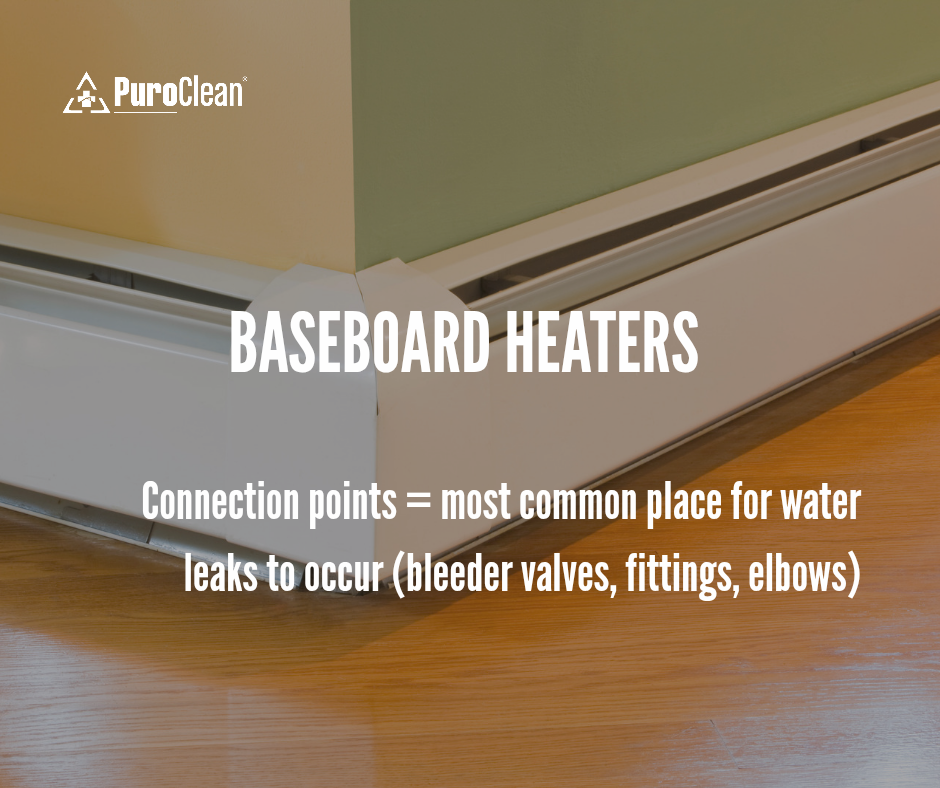
Small plumbing failures, loose baseboard heater connections, or hairline pipe cracks can freeze just enough to slow a leak—then thaw and release water gradually. Because evaporation is reduced in cold months, moisture lingers longer and spreads farther before being detected.
By the time staining, odors, or material warping appear, water may already be embedded in wall cavities, subfloors, or ceilings below.
In many winter losses, homeowners first notice a problem after a power outage, a cold snap, or a heating system failure. When electricity is lost, sump pumps stop working, frozen pipes are more likely to crack, and leaks may go undetected until power is restored and temperatures rise. This delay often allows water to spread farther into walls, floors, and ceilings before anyone realizes there’s an issue.
Common Winter Water Damage Scenarios in Tappan Homes
Tappan’s mix of older residential construction and modern renovations creates several repeat winter damage patterns:
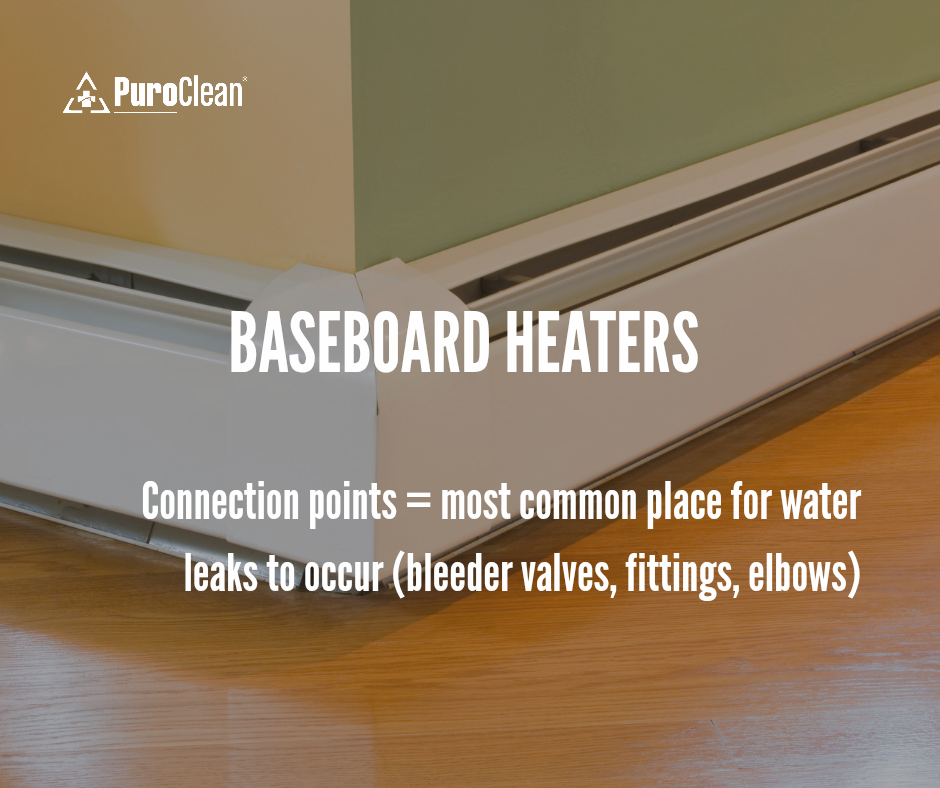
- Baseboard heater and radiator leaks at connection points
- Frozen pipes in exterior walls, especially in split-level and cape-style homes
- Upper-floor leaks migrating into lower living spaces
- Carpet and padding saturation without visible surface pooling
- Ice dam–related moisture intrusion affecting ceilings and wall assemblies
One of the most overlooked issues is wicking—water traveling through carpet, padding, and drywall far beyond the original source. Furniture, beds, and built-ins often mask the true extent of saturation. Understanding why pipes freeze and how to prevent it can help Tappan homeowners prepare before temperatures drop.
Why Winter Leaks Cause More Damage Than Summer Leaks
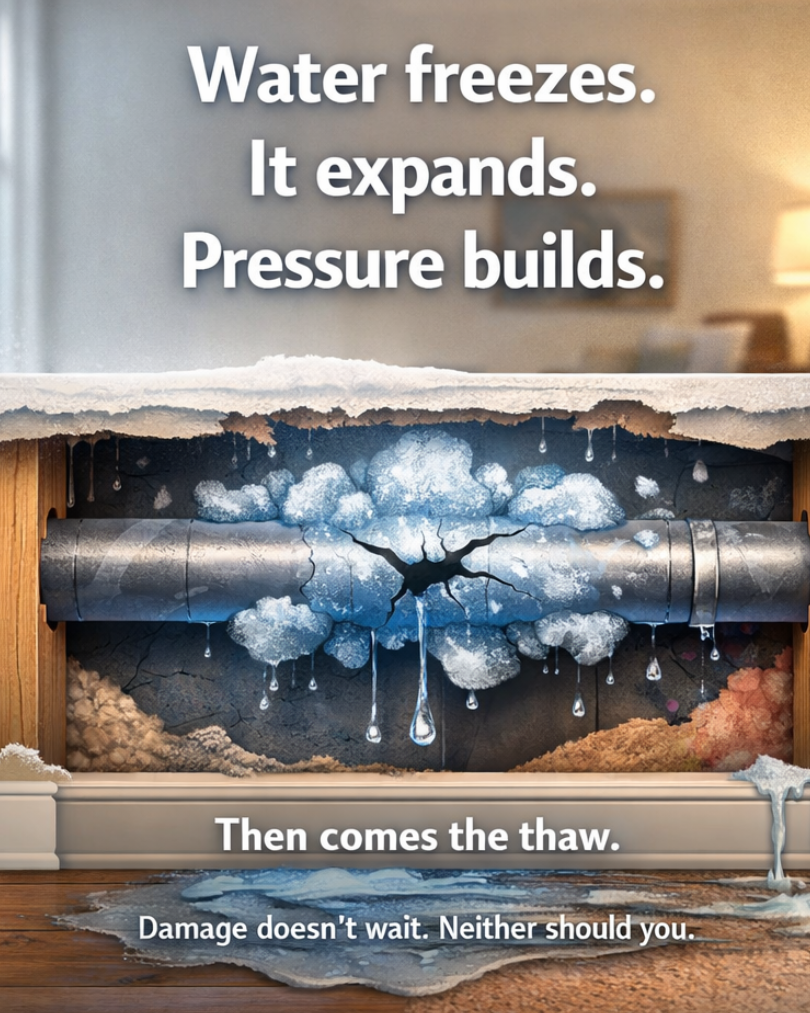
Winter changes how moisture behaves inside a structure. Cold air slows evaporation, heating systems push moisture deeper into materials, saturated materials stay wet longer, and damage spreads laterally instead of pooling visibly. According to the Insurance Information Institute, frozen pipe failures cause an average of $5,000 per incident in water damage claims. This is why winter water damage frequently looks “minor” at first—but results in more extensive repairs once temperatures rise and materials begin to shift or mold activates.
Why Professional Water Extraction Comes First — Even If Materials May Be Removed
Homeowners often ask why water is extracted from carpets or flooring if removal may still be necessary later.
Professional extraction is critical because it:
- Reduces moisture load immediately
- Slows microbial growth
- Prevents water from spreading into unaffected areas
- Improves safety during removal
- Preserves salvage options when possible
This methodical approach protects both the structure and the insurance claim process by documenting conditions accurately from the start.
If a pipe has burst or is actively leaking, the first step is always stopping the flow of water. In many cases, this means shutting off the main water supply and having a plumber repair or cap the damaged pipe before mitigation can begin. Once the source is controlled, professional restoration can safely and effectively start the drying and remediation process.
Winter Water Damage Isn’t the Only Risk
While winter reveals many vulnerabilities, water damage is not a seasonal problem.
Leaks discovered in winter often trace back to:
- Aging plumbing systems
- Long-term moisture issues
- Drainage or grading problems
- Previous unaddressed water events
For this reason, professional water damage restoration in Tappan is just as important outside of winter months, when storms, appliance failures, and humidity introduce new risks. Addressing the root cause—not just the visible damage—helps prevent repeat losses year-round.
When Water Damage Leads to Mold or Fire-Related Loss
Water damage rarely exists in isolation.
- Delayed drying can allow mold to develop once conditions become favorable
- Fire suppression efforts often result in secondary water damage that behaves similarly to winter losses
- Hidden moisture after smoke or fire events can compromise structural materials
Professional assessment ensures that secondary damage is identified early and handled correctly. If you notice musty odors, discoloration, or persistent dampness after a water event, professional mold remediation services may be necessary to protect your indoor air quality and structural integrity.
What Tappan Homeowners Should Watch for This Winter
Early detection makes a measurable difference.
Warning signs include:
- Musty or unexplained odors
- Cold or damp wall sections
- Carpet rippling, stiffness, or discoloration
- Ceiling stains or sagging
- Increased indoor humidity or condensation
If any of these appear, professional evaluation is recommended—even if the source seems minor. Beyond monitoring for active damage, following emergency preparedness guidelines from organizations like the American Red Cross can help prevent winter water damage before it starts. Simple steps like knowing where your main water shutoff is located, keeping cabinet doors open during extreme cold, and maintaining adequate heat throughout your home can make the difference between a minor inconvenience and a major loss.
How PuroClean of Nanuet Supports Tappan Property Owners
PuroClean of Nanuet provides professional property damage restoration services for Tappan homeowners, landlords, and property managers facing both seasonal and year-round losses.
Services include:
- Water extraction and structural drying
- Moisture mapping and documentation
- Mold remediation when necessary
- Fire-related water damage recovery
- Rebuild coordination when materials require replacement
The goal is not just drying what’s visible—but protecting the entire structure from long-term damage.
Serving Tappan, Sparkill, Palisades, and Rockland County with 24/7 emergency response.
Need Help With Winter Water Damage in Tappan?
PuroClean of Nanuet responds 24/7 to emergency water damage throughout Rockland County.
Whether you’re dealing with frozen pipes, hidden leaks, or moisture concerns, our certified restoration specialists provide:
✓ Immediate water extraction and drying
✓ Complete moisture mapping and documentation
✓ Insurance claim support
✓ Mold prevention and remediation
✓ Structural repair coordination
Contact PuroClean of Nanuet for fast, professional water damage restoration in Tappan, NY.
Call (845) 570-5060 | Available 24/7/365
Frequently Asked Questions About Winter Water Damage in Tappan, NY
What should I do first if a pipe bursts in the winter?
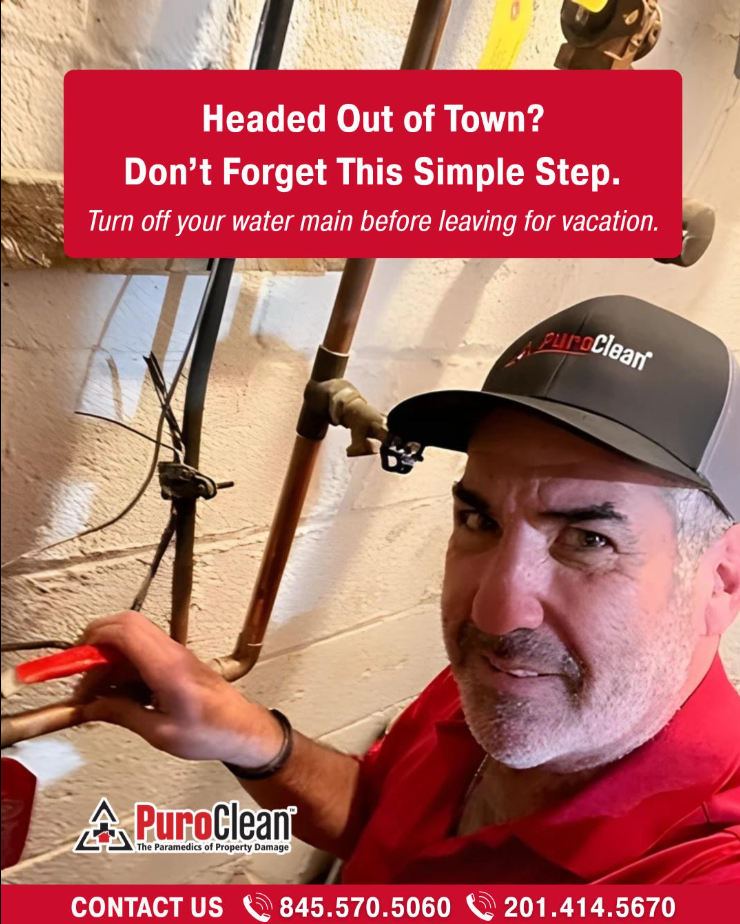
The most important first step is to stop the water. Shut off your main water supply immediately. In most cases, a licensed plumber needs to repair or cap the pipe before water damage mitigation can begin. Once the leak is controlled, professional restoration can safely address the damage left behind.
Do I call a plumber or a water damage company first?
If water is still actively flowing, call a plumber first to stop the source. If the water has already stopped—or once the plumber has completed repairs—contact a water damage restoration professional to assess, extract, dry, and document the damage.
Both roles are important, but they serve different purposes.
What happens if we lose power during a winter water damage event?
Power outages can make winter water damage worse. Without electricity:
- Sump pumps stop working
- Heating systems shut down
- Frozen pipes are more likely to crack
- Drying equipment cannot operate
Once power is restored, moisture that has been sitting can quickly spread or begin causing secondary damage. Professional assessment helps determine what occurred during the outage and what needs attention.
Can water damage get worse even after the leak stops?
Yes. Even after the source is repaired, moisture can remain trapped in building materials. In winter, slower evaporation allows water to stay hidden longer, which can lead to structural damage or mold once temperatures rise.
I don’t see standing water — do I still need help?
Visible water is not required for damage to exist. Wicking under flooring, behind walls, and into lower levels is common in winter leaks. A professional moisture inspection can identify hidden saturation early.
Will insurance cover winter water damage?
Coverage depends on the cause of the loss and how quickly it was addressed. Prompt documentation, moisture mapping, and professional mitigation help support the claim and prevent disputes.
Should I wait until spring to deal with winter water damage?
No. Waiting allows damage to worsen and increases the likelihood of mold growth once temperatures rise. Early intervention almost always reduces repair costs and disruption.
Call (845) 570-5060 today for immediate Tappan fire damage, water damage and mold remediation services. Small delays can lead to catastrophic costs—our experts are ready to help 24/7. We understand historic properties and deliver solutions that preserve both your family’s health and your home’s architectural heritage.
Click here for driving directions from Tappan to PuroClean of Nanuet.