24/7 Emergency Services For Water, Fire, Mold and Biohazard in Naperville
We Provide Home Restoration Throughout Illinois
When your home is damaged, you need a restoration company you can trust to help you through the process. You’re looking for a company that understands the difficult time you’re in, who will offer guidance and compassion, as well as the highest quality of expert restoration solutions. PuroClean of Naperville is a professional Illinois company that provides restoration for both your property and for you. We fulfill our mission to care for the people in our community through our fully certified and educated restoration services.
Owned & Operated by Keegan Trudgen / Tim Lohse
600 Industrial Drive, Unit 202, Naperville, IL, 60563
(630) 474-7876
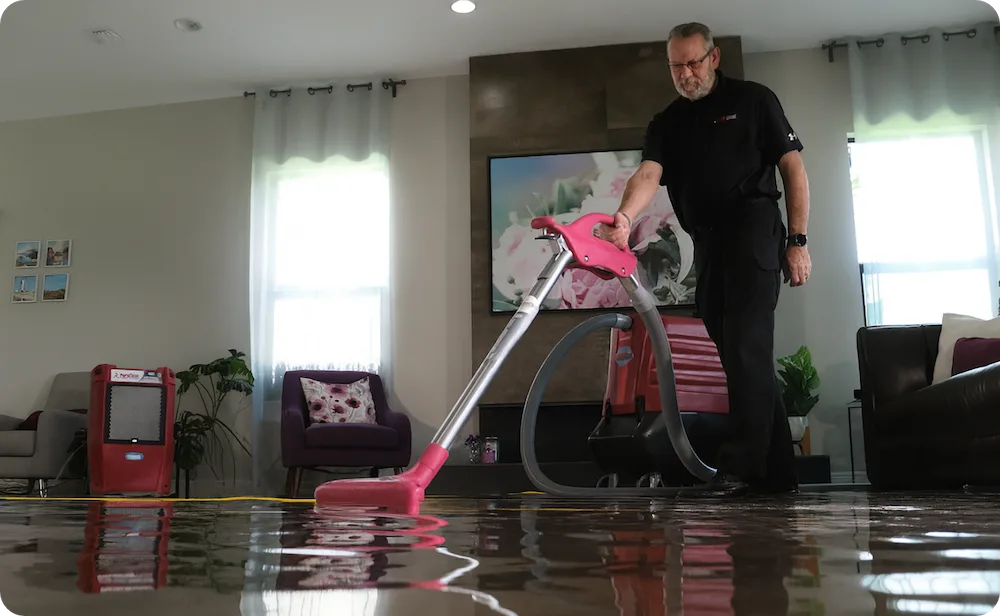
Water damage can result from unexpected leaks, flooding from storms, plumbing failures, or appliance malfunctions. Our certified teams focus on rapid water removal, drying, and stabilization to help prevent further damage and mold growth.
 Explore Our Water Damage Mitigation Services
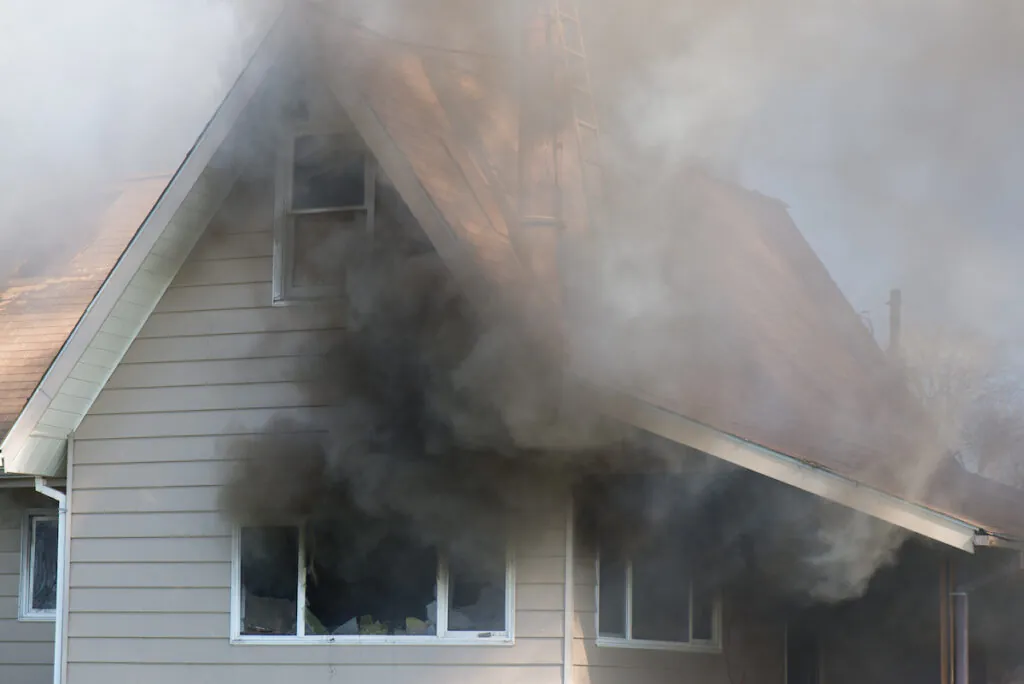
Even after a fire is extinguished, smoke, soot, and odor can continue to affect your home. Fire damage restoration services address visible damage while also helping reduce lingering effects that impact indoor air quality and surfaces.
Explore Our Fire and Smoke Damage Restoration Services
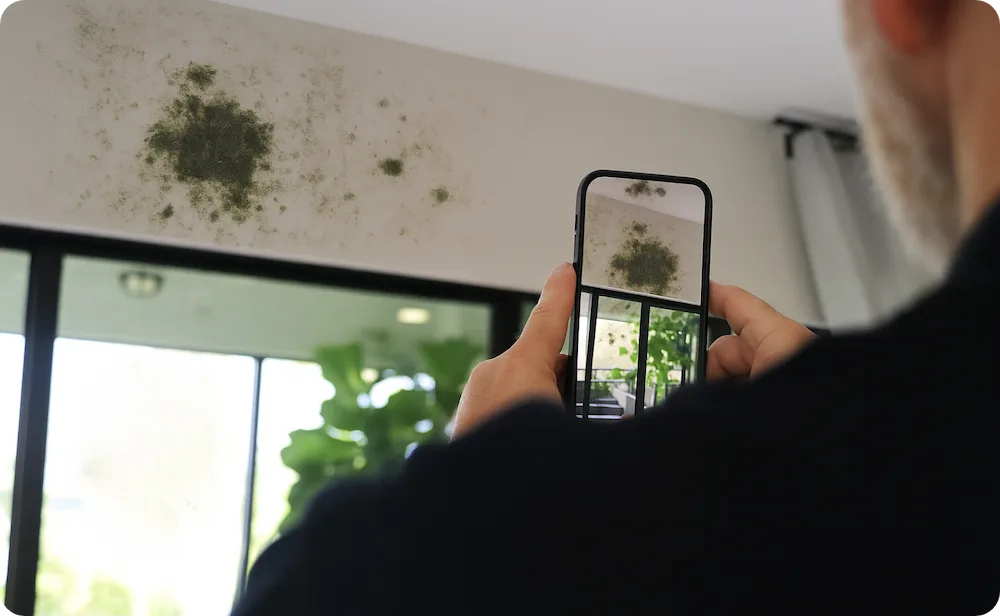
Mold often develops as a result of unresolved moisture or hidden water damage. Professional mold remediation helps identify affected areas, contain growth, and restore healthy indoor conditions.
Explore Our Mold Removal and Remediation Services
Biohazard situations, including crime scene cleanup and virus decontamination, require specialized cleaning and handling to protect health and safety. Biohazard cleanup services address contamination using proper protocols and professional care.
Explore Our Biohazard Cleanup Services
In some cases, property damage requires repairs beyond cleanup and mitigation. Reconstruction services help restore damaged areas of the home after water, fire, or other incidents, supporting a smoother transition from damage to recovery.
Explore Our Reconstruction Services Services
For property managers and commercial landlords, a biohazard event is both a safety issue and a brand-and-tenant issue. When an incident is visible to customers, tenants, or passers-by, the cost escalates quickly—lost revenue, lease friction, HR and safety exposure, and avoidable reputational damage.
Explore Our Commercial Biohazard Cleanup Services
After a commercial fire, the fastest path back to use is rarely “clean and reopen.” Smoke residue, soot, suppression water, and damaged building materials can trigger permit requirements and current-code compliance on rebuilt portions of the space. For risk, compliance, and facilities stakeholders, the goal is to control liability and cost by setting a well-documented, inspection-aware scope of work—then restoring in phases that support safe re-entry.
Explore Our Commercial Fire Damage Restoration Services
For an Operations Director or property manager, mold is rarely a “one-room problem.” It becomes an access problem (which areas must close), a people problem (employee/tenant concerns), and a documentation problem (what you can show ownership, risk teams, and insurers).
Explore Our Commercial Mold Remediation Services
For a property manager, a commercial water event can trigger immediate decisions: who gets notified, what areas must be closed, how to protect adjacent suites, and what documentation is needed for ownership and insurance. The faster extraction starts, the shorter—and more controllable—the drying window tends to be. Just as important, the project has to produce a defensible record of what was wet, what was done, and what verified dry before spaces return to use.
Explore Our Commercial Water Damage Restoration Services
Water damage can result from unexpected leaks, flooding from storms, plumbing failures, or appliance malfunctions. Our certified teams focus on rapid water removal, drying, and stabilization to help prevent further damage and mold growth.
Explore Our Water Damage Mitigation Services
Find answers to common questions about our services
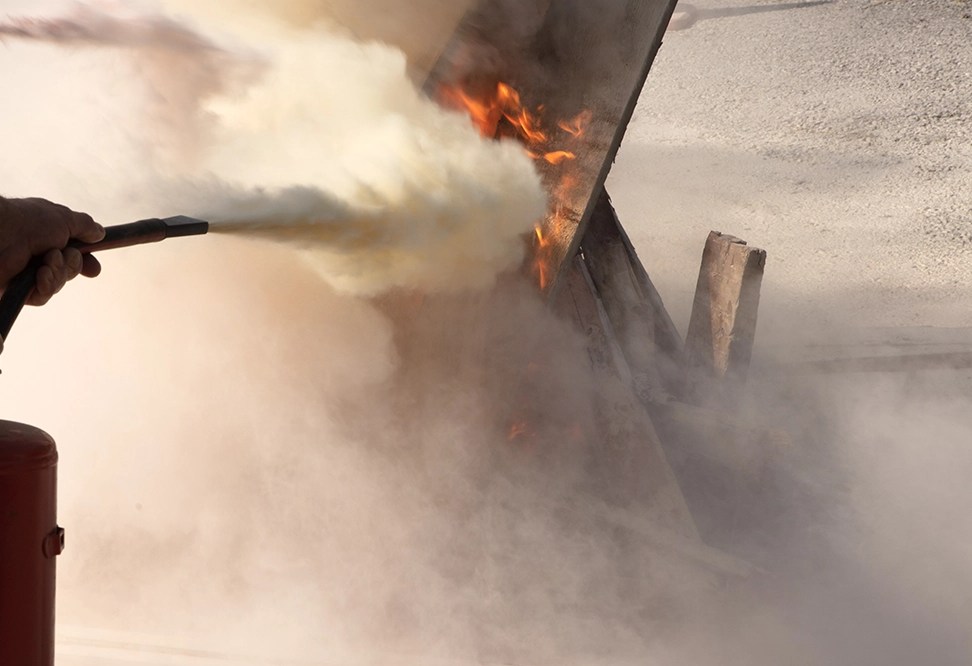
The powder inside most portable fire extinguishers is known as a dry chemical extinguishing agent. Its purpose is to interrupt the chemical reaction that allows a fire to continue burning while separating the fuel source from oxygen.
The exact chemical composition depends on the type of fire extinguisher.
ABC Fire Extinguishers
The most common fire extinguishers found in homes, schools, offices, and commercial buildings are ABC dry chemical extinguishers.
Their primary extinguishing agent is:
Monoammonium phosphate
This yellow powder is highly effective because it can suppress multiple classes of fires.
ABC extinguishers are designed for:
Class A Fires – Wood, paper, cardboard, cloth, and other ordinary combustibles.
Class B Fires – Gasoline, oil, grease, paint, and other flammable liquids.
Class C Fires – Energized electrical equipment.
Because they are versatile, ABC extinguishers are recommended for most residential and commercial environments.
BC Fire Extinguishers
Some extinguishers are specifically designed for flammable liquids and electrical fires.
These typically contain:
Sodium bicarbonate
Potassium bicarbonate
BC extinguishers are commonly used in:
Commercial kitchens
Garages
Mechanical rooms
Fuel storage areas
Unlike ABC extinguishers, they are not intended for ordinary combustible materials such as paper or wood.
Other Fire Extinguisher Types
Not every extinguisher contains powder.
Other common extinguishing agents include:
Carbon dioxide (CO₂)
Clean agent extinguishers
Water
Water mist
Wet chemical solutions
These extinguishers typically leave little or no residue after use.
Is Fire Extinguisher Powder Dangerous?
The dry chemical used in most portable extinguishers is generally considered low in toxicity when used as directed. However, exposure can still cause temporary irritation.
Possible effects include:
Eye irritation
Skin irritation
Coughing
Sore throat
Nasal irritation
Respiratory discomfort
People with asthma, allergies, or other respiratory conditions may be more sensitive to airborne particles.
If a large amount of powder has been discharged indoors, ventilate the area and avoid unnecessary exposure until cleanup has been completed.
Why Fire Extinguisher Residue Should Be Removed Quickly
Although the powder helps stop a fire, it should not remain on surfaces for an extended period.
Dry chemical residue may:
Become corrosive
Damage electronics
Stain surfaces
Contaminate HVAC systems
Affect indoor air quality
Corrode metal components
Prompt cleanup helps minimize secondary property damage.
Can Fire Extinguisher Powder Damage Electronics?
Yes.
The extremely fine particles can infiltrate:
Computers
Televisions
Security systems
Electrical panels
Appliances
HVAC equipment
Networking equipment
If left untreated, the residue may attract moisture and contribute to corrosion, potentially leading to equipment failure.
For this reason, electronics exposed to fire extinguisher residue should be evaluated before being returned to service.
How Professionals Remove Fire Extinguisher Powder
Professional fire damage restoration companies use specialized equipment and procedures to safely remove residue without spreading contamination.
The restoration process generally includes:
1. Inspection
Technicians assess:
Fire damage
Smoke damage
Residue distribution
Type of extinguisher used
Sensitive equipment exposure
2. HEPA Vacuuming
Industrial HEPA-filtered vacuums remove loose powder while preventing particles from becoming airborne.
3. Surface Cleaning
Residue is carefully removed from:
Walls
Floors
Cabinets
Countertops
Furniture
Fixtures
Cleaning agents are selected based on the affected materials to minimize the risk of damage.
4. Electronics Evaluation
Sensitive electronics often require specialized cleaning to remove fine particles without damaging internal components.
5. Smoke Odor Removal
If a fire occurred, technicians may also perform:
Smoke residue removal
Soot cleanup
Thermal fogging
Hydroxyl or ozone treatments (where appropriate)
Air purification
Common Cleanup Mistakes
Property owners should avoid:
Sweeping the powder with a broom
Using compressed air
Washing residue into electrical equipment
Applying excessive water
Ignoring hidden residue in vents or HVAC systems
Improper cleanup can spread contamination and increase restoration costs.
When Should You Call a Professional?
Professional cleanup is recommended when:
A fire extinguisher has discharged indoors.
Smoke damage is present.
Electronics have been exposed.
Large areas are contaminated.
HVAC systems may contain residue.
Commercial properties are affected.
There is uncertainty about hidden contamination.
Professional restoration helps reduce the risk of corrosion, protects valuable equipment, and restores a clean and safe environment.
Why Choose PuroClean of Naperville?
PuroClean of Naperville provides comprehensive fire damage restoration services for homeowners and businesses throughout Naperville and the surrounding communities. Our certified restoration professionals use advanced equipment and industry-recognized restoration techniques to remove fire extinguisher residue, clean smoke and soot damage, eliminate odors, and restore your property efficiently. Whether the fire involved a small kitchen incident or a larger structural event, our team is prepared to respond quickly and help return your property to its pre-loss condition.
If mold is growing inside your home or business, there is a strong possibility that you are being exposed to airborne mold spores. Mold naturally reproduces by releasing microscopic spores into the air. When mold colonies are disturbed—or even as they continue to grow—these spores can circulate throughout your indoor environment and be inhaled by occupants.
In Naperville, IL, homes can experience mold growth following water damage, plumbing leaks, basement flooding, roof leaks, or elevated indoor humidity. Understanding how mold exposure occurs and addressing the source of moisture promptly are essential steps in protecting both your property and indoor air quality.
How Does Mold Exposure Occur?
Mold spores are naturally present in outdoor and indoor environments. Under normal conditions, they exist in low concentrations and generally do not cause problems. However, when moisture is introduced into a building, mold can begin growing on organic materials such as drywall, wood, insulation, carpet, and ceiling tiles.
As mold colonies develop, they release additional spores into the air.
Exposure commonly occurs when:
Mold is growing behind walls
Water damage is left untreated
Wet building materials remain damp
HVAC systems circulate mold spores
Mold-contaminated materials are disturbed during cleaning or renovation
Because mold spores are microscopic, they cannot be seen without magnification and may spread throughout the property unnoticed.
Common Causes of Mold Growth in Naperville Homes
Mold requires moisture to grow. Common conditions that contribute to mold growth include:
Burst or leaking water pipes
Basement flooding
Roof leaks
Appliance leaks
Foundation seepage
High indoor humidity
Poor ventilation
Condensation around windows or HVAC systems
Water damage that was not properly dried
Prompt water mitigation and structural drying significantly reduce the risk of mold development.
Can Mold Affect Indoor Air Quality?
Yes. Active mold growth can negatively affect indoor air quality by increasing the concentration of airborne spores inside the building.
As spores circulate through the home, they may settle on furniture, clothing, air ducts, and other surfaces. HVAC systems can also distribute spores to multiple rooms if mold is present within the system or nearby building materials.
Professional mold remediation includes containment measures and air filtration designed to minimize the spread of spores during the cleanup process.
Potential Health Effects of Mold Exposure
Exposure to mold affects individuals differently. Some people experience no noticeable symptoms, while others may be more sensitive to airborne mold spores.
Potential symptoms associated with mold exposure may include:
Sneezing
Nasal congestion
Coughing
Sore throat
Eye irritation
Skin irritation
Wheezing
Headaches
Increased asthma symptoms in susceptible individuals
Young children, older adults, and individuals with allergies, asthma, or weakened immune systems may be more sensitive to mold-contaminated environments.
If you experience persistent health symptoms, consult a qualified healthcare provider for medical evaluation.
Signs Mold May Be Present in Your Home
Visible mold is not always the first indication of a problem.
Common warning signs include:
Musty odors
Visible discoloration on walls or ceilings
Water stains
Peeling paint
Bubbling drywall
Persistent moisture
Condensation issues
Recent flooding or plumbing leaks
Increased allergy-like symptoms indoors
Even if mold is hidden behind walls or beneath flooring, these warning signs should not be ignored.
Why DIY Mold Removal Can Be Risky
Attempting to remove mold without proper equipment may actually increase exposure.
Disturbing mold colonies can release large quantities of spores into the air, allowing contamination to spread to previously unaffected areas.
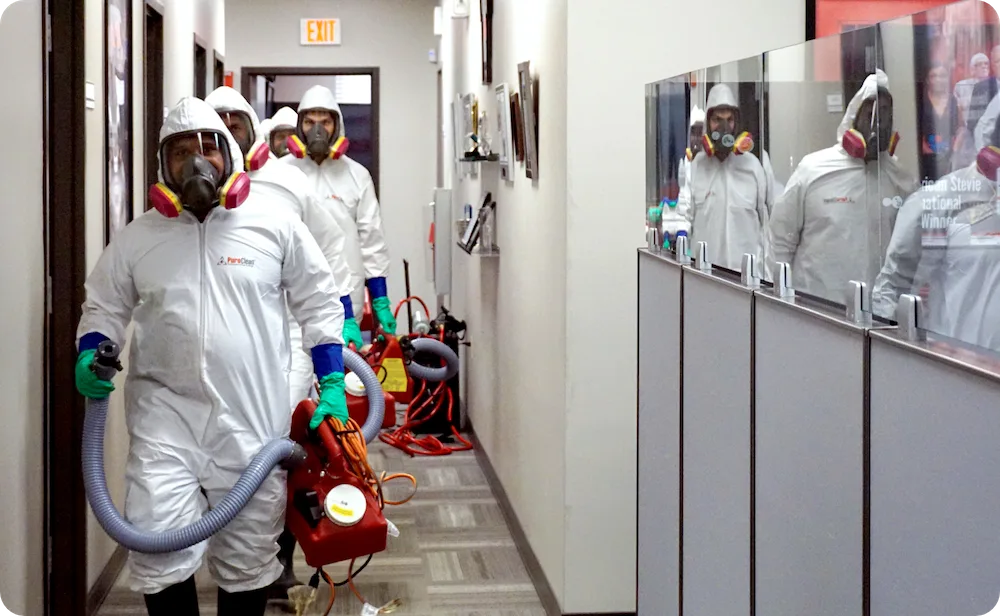
Professional mold remediation companies use specialized procedures that include:
Containment barriers
Negative air pressure systems
HEPA air filtration
Safe removal of contaminated materials
Antimicrobial treatments when appropriate
Moisture source identification and correction
These methods help limit cross-contamination and support a more effective remediation process.
Preventing Mold Exposure
Reducing moisture is the most effective way to prevent mold growth.
Homeowners can help minimize mold risk by:
Repairing plumbing leaks promptly
Addressing roof leaks
Drying water-damaged materials within 24 to 48 hours
Maintaining indoor humidity below 60%
Using exhaust fans in kitchens and bathrooms
Improving ventilation
Inspecting basements and crawl spaces regularly
Maintaining gutters and downspouts
Routine inspections and prompt repairs help prevent small moisture issues from becoming larger mold problems.
Why Professional Mold Remediation Matters
Effective mold remediation involves more than simply removing visible mold. A complete remediation process includes identifying the moisture source, containing affected areas, removing contaminated materials when necessary, cleaning remaining surfaces, and verifying that the affected area has been properly dried.
Professional remediation helps:
Improve indoor air quality
Prevent further mold growth
Reduce the spread of airborne spores
Protect structural materials
Restore a healthier indoor environment
Trust PuroClean of Naperville for Professional Mold Remediation
If you suspect mold growth in your home or business, PuroClean of Naperville provides professional mold remediation services designed to safely identify, contain, and remove mold contamination. Our trained technicians use advanced moisture detection equipment, HEPA filtration systems, and industry-recognized remediation procedures to address mold at its source while helping restore your property’s indoor environment. Whether mold developed after water damage, flooding, or hidden plumbing leaks, our team is prepared to respond quickly and professionally.
Frequently Asked Questions
Can I be exposed to mold if I cannot see it?
Yes. Mold often grows behind drywall, beneath flooring, inside insulation, or within crawl spaces. Even hidden mold can release airborne spores that affect indoor air quality.
How does mold spread inside a home?
Mold reproduces by releasing microscopic spores into the air. These spores can travel through the HVAC system, air currents, and on clothing or personal belongings.
Can mold grow after water damage?
Yes. Mold can begin growing within 24 to 48 hours when moisture remains on building materials under favorable conditions.
Is mold exposure dangerous?
Mold exposure may contribute to allergy-like symptoms, respiratory irritation, and other health concerns in sensitive individuals. Anyone experiencing ongoing symptoms should seek medical advice from a qualified healthcare provider.
How can I reduce my risk of mold exposure?
The best way to reduce mold exposure is to eliminate excess moisture, repair leaks promptly, maintain proper indoor humidity, and have suspected mold professionally remediated when necessary.
Internal Linking Opportunities
Strengthen SEO and improve user navigation by linking to related pages, including:
Mold Remediation Services
Water Damage Restoration
Emergency Water Extraction
Flood Damage Cleanup
Biohazard Cleanup
Service Areas
Insurance Claims Assistance
Contact PuroClean of Naperville
Recommended Image Alt Tags
Mold growing behind drywall in Naperville home
Professional mold remediation in Naperville IL
Technician inspecting mold damage
HEPA air filtration during mold removal
Water damage causing mold growth
Black mold on basement wall
Indoor mold inspection in Naperville
Moisture meter detecting hidden water damage
Conclusion
If mold is growing inside your home, you may be exposed to airborne spores every day—even if the mold is hidden from view. Because mold is commonly associated with water damage, leaks, and elevated humidity, addressing moisture problems quickly is essential to protecting your property and maintaining good indoor air quality. Professional mold remediation helps identify the source of the problem, safely remove mold contamination, and reduce the risk of future growth. If you suspect mold in your Naperville, IL home or business, PuroClean of Naperville has the expertise and equipment to restore your property safely and effectively.
PuroClean of Naperville offers a full suite of commercial restoration services, including water, fire, mold, biohazard, and storm damage recovery. We also provide emergency board-up, structural drying, and reconstruction services.
Our teams are equipped to manage both local and large-loss commercial projects with consistent quality, safety, and communication.
PuroClean of Naperville regularly collaborates with insurance carriers, TPAs, and risk management teams to manage commercial property restoration claims. We provide detailed drying logs, scope documentation, and photo/video reporting for every project in Naperville.
Our Certified Priority Response (CPR) Program ensures fast contact, on-site inspection within hours, and rapid reporting, meeting the timelines insurers and clients expect for large-scale commercial losses.
PuroClean of Naperville handles nearly every commercial loss scenario, including commercial water damage restoration, fire and smoke damage, mold remediation, sewage cleanup, chemical spills, and biohazard decontamination.
We can also manage full reconstruction when structural repair is needed. Our national network allows us to scale from localized events to large-loss recovery, maintaining consistent quality and communication across every project.
What Our Customers Say:
When you need water damage restoration services near you, call the experts at PuroClean. We are here day or night, 24/7, to help remove any standing water quickly and begin your water restoration service. We monitor the drying process so you can rest assured that your property is dried thoroughly. We offer commercial water restoration services for businesses and residential water damage restoration for homeowners.

PuroClean of Naperville
(630) 474-7876
600 Industrial Drive, Unit 202, Naperville, IL 60563


© 2026 PuroClean. All Rights Reserved.