Professional fire and smoke damage restoration services to help restore your home after unexpected fire-related damage.
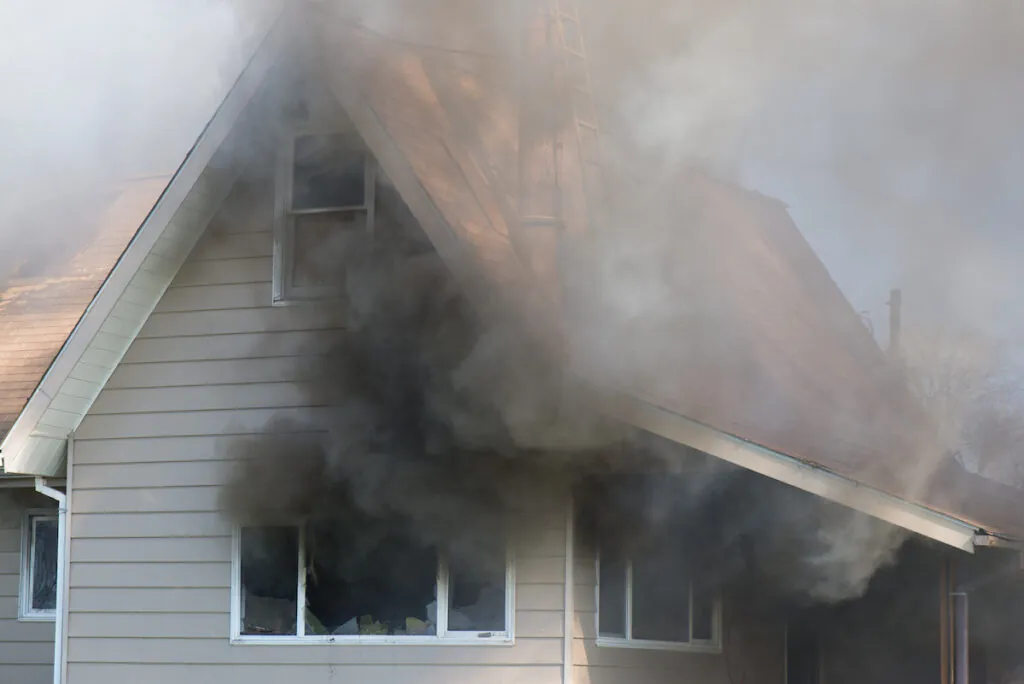
After a fire, damage can continue even after the flames are extinguished. Smoke and soot can spread far beyond the immediate fire area, odors can penetrate porous materials, and water used during firefighting can create additional damage throughout the property.
PuroClean of North Albany provides 24/7 fire damage restoration in Saratoga County and surrounding areas, including fire and smoke cleanup, soot removal, professional deodorization, contents cleaning, water mitigation, and reconstruction when needed.
Our first priority is helping determine what areas are safe to access and what requires immediate stabilization. From there, we assess fire, smoke, soot, odor, and water damage throughout the property and develop a restoration plan focused on safely cleaning and preserving what can be restored.
Fire damage restoration begins with understanding how the fire affected the structure and surrounding materials. Heat, smoke, soot, firefighting water, and damaged building materials can create different restoration needs throughout the property. We assess the affected areas, identify materials that can be cleaned and restored, remove unsalvageable debris when necessary, and develop a plan for cleanup and repairs.
Smoke and soot can travel well beyond the room where a fire occurred, settling on walls, ceilings, cabinets, furniture, contents, and other surfaces. Different types of soot and smoke residue require different cleaning methods. Our team evaluates the residue and affected materials before selecting appropriate cleaning techniques to help remove contamination without causing unnecessary damage.
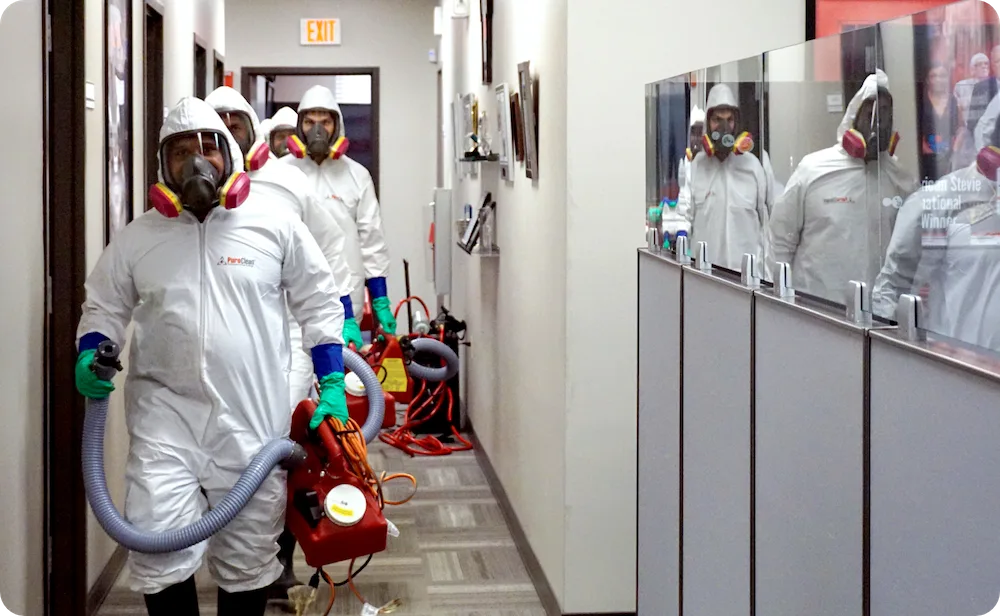
Smoke odor can remain even after visible soot has been cleaned because odor-causing residues can penetrate porous materials and spread through adjoining rooms. Professional smoke odor removal addresses the source rather than simply covering the smell. Depending on the conditions of the loss, restoration may include detailed surface cleaning, air filtration, specialized deodorization treatments, and treatment of affected materials and contents.
Furniture, clothing, household items, electronics, and other belongings may be affected by smoke, soot, or odor even when they were not directly exposed to flames. We evaluate contents individually to determine what can reasonably be cleaned and restored. When needed, belongings can be inventoried and moved from the affected area so cleaning and structural restoration can proceed safely and efficiently.
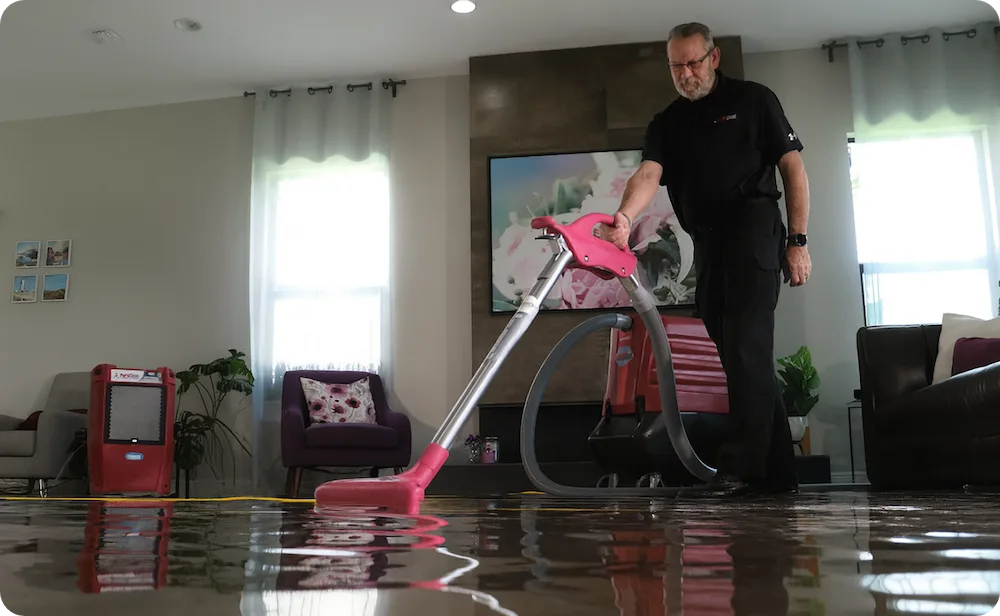
Water used by firefighters and sprinkler systems can create a second type of property damage after a fire. Flooring, drywall, insulation, cabinets, and other materials may need water extraction and structural drying in addition to fire and smoke cleanup. Our team evaluates both fire-related and water-related damage so the entire loss can be addressed as part of one coordinated restoration plan.
1. Wait for clearance before re-entering
Follow the fire department’s instructions and do not enter the property until officials confirm that it is safe.
2. Avoid damaged or unstable areas
Even after you are allowed inside, watch for weakened ceilings, damaged flooring, exposed wiring, broken glass, and other hazards. Keep children and pets away from affected areas.
3. Do not operate utilities or HVAC equipment
Avoid using electrical fixtures, appliances, heating equipment, or the HVAC system until they have been evaluated. Smoke and soot can spread through mechanical systems.
4. Do not wipe or wash soot-covered surfaces
Improper cleaning can smear soot, drive residue deeper into materials, or permanently damage finishes. Leave detailed cleaning until the type of residue and affected surface can be evaluated.
5. Document the damage
When it is safe to do so, photograph affected rooms and major belongings before moving or discarding items.
6. Secure openings in the property
Damaged windows, doors, or roofing may require temporary protection to reduce weather exposure and unauthorized access.
7. Call a professional restoration company
Call PuroClean of North Albany at (518) 830-0070 for a fire and smoke damage assessment and a plan for stabilization, cleanup, deodorization, contents, and restoration.
A furnace or boiler puff-back can release soot and oily residue throughout a home, sometimes affecting multiple rooms through air movement and the HVAC system. The residue may settle on ceilings, walls, furniture, fabrics, and contents and can be difficult to remove with ordinary household cleaning.
PuroClean provides professional puff-back cleanup, including evaluation of affected surfaces, soot removal, contents cleaning, and odor control. Because improper cleaning can smear oily residue or permanently stain surfaces, it is important to identify the type and extent of contamination before cleanup begins.
A fire loss can involve structural damage, smoke and soot contamination, damaged belongings, water from firefighting efforts, temporary protection, cleanup, and repairs. Keeping clear records throughout the process can make a complex insurance claim easier to manage.
Our team documents affected areas, restoration activities, damaged materials, contents, and the work performed throughout the project. We can communicate with your insurance company and provide restoration documentation while keeping you informed about the work taking place in your property. Coverage decisions remain with your insurance carrier.
Fire and smoke damage in a commercial property can affect operations far beyond the immediate fire area. Smoke may travel through shared spaces and ventilation systems, while soot, odor, water damage, and damaged contents can interfere with reopening the building.
PuroClean provides commercial fire and smoke damage restoration for offices, retail properties, restaurants, multifamily buildings, hospitality properties, and other businesses throughout Saratoga County. We help document affected areas, coordinate cleanup and restoration, and develop a plan focused on reducing disruption while the property moves toward recovery.
We assess occupancy safety first—checking for compromised framing, charred load-bearing members, unstable ceilings, and electrical hazards. We also identify soot conditions, odor pathways, and any areas that must be restricted or contained.
What Our Customers Say:
Waiting to address post-fire hazards can turn a “small” incident into a much larger recovery. Soot is acidic and can etch metals, haze finishes, and permanently stain porous materials if it sits—especially when humidity rises and residue bonds more tightly to surfaces. In upstate New York, we often see older homes where wall cavities and chases allow smoke to travel farther than expected; the odor source may be behind finishes even when one room looks like the only area affected. We also treat roof and ceiling stability as a first-order concern—after a fire, a compromised roof deck can be vulnerable under seasonal snow loading, so reentry planning must account for structural safety, not just cleanliness.
If you’re filing a claim, keep a simple record from day one: wide and close-up photos of each room, major items, and any openings in the roof/windows/doors. Avoid discarding damaged materials or contents until they’re documented and you’ve been advised it’s appropriate. PuroClean of North Albany can provide the inspection notes, drying/cleaning documentation, and itemized findings typically requested by adjusters, and we can coordinate inspection timing so decisions (like pack-out vs. on-site cleaning) are supported by clear documentation.
If you’re unsure whether it’s safe to go back inside, start with a safety-first assessment. PuroClean of North Albany will help control hazards, prevent smoke/soot from spreading further, and map out the next steps for cleanup, contents, and repairs. Call (518) 830-0070 to schedule an inspection and get clear guidance on safe reentry.
Find answers to common questions about our services
Only re-enter after the fire department (or authority having jurisdiction) says it’s allowed. Even then, “allowed to enter” doesn’t always mean “safe to occupy,” because hidden structural damage, electrical hazards, and soot contamination can remain. A professional assessment helps confirm which areas are usable, which must be restricted, and what needs stabilization first.
Common hazards include weakened framing or roof structures, compromised ceilings, damaged wiring, sharp debris, and soot particles that spread through air movement. Smoke can also move into wall cavities and HVAC pathways, continuing to affect indoor air and odor. A safety-first inspection is designed to identify these risks before cleanup or repairs begin.
If doors, windows, or the roof are open to weather or unauthorized entry, securing the structure is a priority. If you can’t do it safely, wait—improper tarping or entry into unstable areas can cause injury or additional damage. A restoration team can coordinate safe board-up/tarping and containment so soot doesn’t spread further.
Yes, but it depends on where odor has traveled and what materials absorbed it. Odor control typically includes residue removal first, then targeted deodorization and air filtration; porous contents may require specialty cleaning or off-site treatment. Timelines range from days to longer for heavier loss conditions or when smoke has entered HVAC and wall cavities.
Many policies cover fire, smoke, and suppression-water damage, but coverage varies by policy and cause of loss. Helpful items include basic photos, a list of affected rooms/contents, and any receipts for emergency expenses (like temporary lodging). We can provide documentation and itemized findings commonly used to support the claim.
Many items can be restored depending on material type, soot condition, and heat exposure—textiles, some electronics, and keepsakes are often candidates for specialty cleaning. Pack-out is typically recommended when on-site cleaning would spread soot, when the home isn’t safe to occupy, or when faster, controlled processing is needed. We’ll help sort, document, and determine what’s realistically salvageable after inspection.
Our fire and smoke damage restoration team is trained, certified, and experienced in responding to residential fire-related damage. We follow industry standards and proven restoration practices to support safe, effective recovery.
Fire damage can be overwhelming. Our team works with insurance providers to help document damage and support the claims process, keeping homeowners informed throughout each stage of restoration.
Fire and smoke damage often require immediate attention. Our team is available 24/7 to respond when fire-related emergencies occur, and timely restoration is needed.
Water damage can result from unexpected leaks, flooding from storms, plumbing failures, or appliance malfunctions. Our certified teams focus on rapid water removal, drying, and stabilization to help prevent further damage and mold growth.
 Explore Our Water Damage Mitigation Services
Even after a fire is extinguished, smoke, soot, and odor can continue to affect your home. Fire damage restoration services address visible damage while also helping reduce lingering effects that impact indoor air quality and surfaces.
Explore Our Fire and Smoke Damage Restoration Services
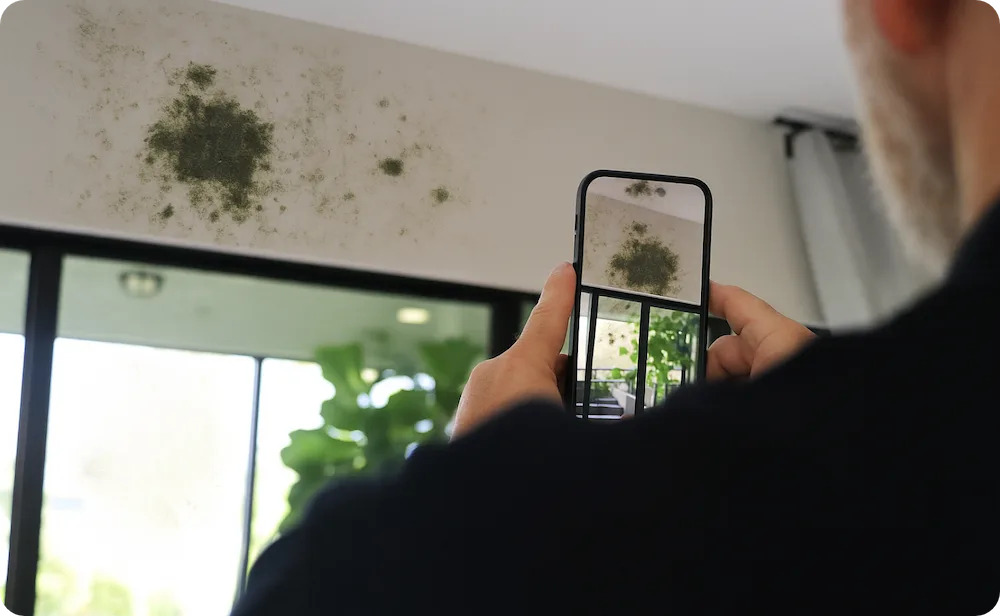
Mold often develops as a result of unresolved moisture or hidden water damage. Professional mold remediation helps identify affected areas, contain growth, and restore healthy indoor conditions.
Explore Our Mold Removal & Remediation Services
Biohazard situations, including crime scene cleanup and virus decontamination, require specialized cleaning and handling to protect health and safety. Biohazard cleanup services address contamination using proper protocols and professional care.
Explore Our Biohazard Cleanup Services
In some cases, property damage requires repairs beyond cleanup and mitigation. Reconstruction services help restore damaged areas of the home after water, fire, or other incidents, supporting a smoother transition from damage to recovery.
Explore Our Reconstruction Services Services
Water damage can quickly interrupt business operations, damage valuable equipment, and create unsafe conditions for employees, tenants, and customers. PuroClean of North Albany provides commercial water damage restoration throughout Saratoga County and New York’s Capital Region. Our team is available 24/7 to respond to water-related emergencies and help businesses begin recovering as quickly as possible.
Explore Our Commercial Water Damage Restoration Services
Commercial Fire and Smoke Damage Restoration in Saratoga County, NY A fire can interrupt business operations and leave behind widespread damage from flames, smoke, soot, odors, and firefighting water. PuroClean of North Albany provides commercial fire and smoke damage restoration throughout Saratoga County and New York’s Capital Region.
Explore Our Commercial Fire Damage Restoration Services
Mold inside a commercial property can affect building materials, indoor conditions, tenant confidence, and daily operations. PuroClean of North Albany provides commercial mold remediation throughout Saratoga County and New York’s Capital Region. Our trained professionals evaluate affected areas, establish containment when appropriate, remove materials that cannot be restored, and clean remaining surfaces using professional remediation procedures.
Explore Our Commercial Mold Remediation Services
Biohazard incidents require careful handling, specialized cleaning procedures, and discretion. PuroClean of North Albany provides commercial biohazard cleanup throughout Saratoga County and New York’s Capital Region. Our trained professionals respond to potentially contaminated environments and work to clean, sanitize, and deodorize affected areas based on the conditions found at the property.
Explore Our Commercial Biohazard Cleanup Services
Water damage can result from unexpected leaks, flooding from storms, plumbing failures, or appliance malfunctions. Our certified teams focus on rapid water removal, drying, and stabilization to help prevent further damage and mold growth.
Explore Our Water Damage Mitigation Services

PuroClean of North Albany
(518) 830-0070
30 Wood Road, #3, Round Lake, NY 12151


© 2026 PuroClean. All Rights Reserved.