Professional reconstruction services to help restore your home after property damage, from initial repairs through completion.
Reconstruction puts your home back together after mitigation—repairing structural elements and finishes like drywall, trim, flooring, and cabinetry, and coordinating any required trades. It starts with an on-site assessment to define a clear scope, sequence the work, and complete a final walkthrough so the home is safe, functional, and finished.
After mitigation is done and the immediate damage is under control, most homeowners hit the same frustrating point: the house is partially taken apart (drywall removed, cabinets detached, floors opened up), but it’s unclear what gets rebuilt, when it happens, and who coordinates the trades. Reconstruction is the phase that puts your home back together safely and correctly—using a defined scope of repairs, clear milestones, and a plan for protecting unaffected areas while work is underway. PuroClean of North Albany provides residential reconstruction following water, fire, smoke, or mold losses. Typical projects range from “put-back” work after drying or demo to larger repairs that involve framing, insulation, drywall, trim, paint, flooring, and coordination with licensed trades when needed (electrical, plumbing, HVAC). Homeowners we help in upstate New York often want two things throughout the rebuild: steady communication and fewer surprises. That’s why we focus on scoping the work precisely up front, confirming pre-repair conditions, and walking you through decisions that affect timeline—like material selections, access, and inspections. If you’re not sure whether you need a small repair or a full rebuild plan, an on-site assessment can clarify the path forward.
Before reconstruction begins, keep the property stable and avoid work that can create re-dos. Secure the home (locks/temporary barriers as needed), keep any drying or dehumidification running if it was part of mitigation, and don’t close up walls or ceilings until you’re confident the affected materials are truly dry. Take clear photos of all affected areas and any removed materials, and keep samples of specialty finishes (paint chips, flooring planks, trim profiles) if you have them—matching can drive both cost and timeline. Make a quick list of what you need to use daily (kitchen, bathroom, bedrooms) so the rebuild plan can prioritize livability. If you have seasonal or intermittently used areas, note any long periods the home may sit closed up so the schedule can account for ventilation and protection during the work.
We inspect affected rooms, measure, and confirm conditions left after mitigation (dryness readings where applicable, remaining damaged materials, and what must stay open). We also identify any safety issues and how to isolate work zones.
What Our Customers Say:
The biggest reconstruction risk isn’t just waiting—it’s rebuilding from a scope that doesn’t fully match what the loss required. When “put-back” items are missed (cabinet detach/reset, paint continuity, flooring transitions, insulation replacement), homeowners can end up with out-of-pocket gaps, rework, or delays while approvals are revisited. In upstate New York, we frequently see rebuild scopes complicated by below-grade areas and older assemblies where opening a wall reveals layered materials and multiple finish transitions. A common turning point is the moment cabinets, vanity tops, or flooring need to be reset: if measurements and sequencing aren’t decided early, the project can stall while parts are reordered and trades rescheduled. Getting the scope and sequence right first is what keeps the rebuild predictable.
If reconstruction follows an insured loss, the most important goal is scope alignment: the repair plan should match what was removed or damaged, the sequence required to rebuild, and any code-driven items that legitimately apply. We can provide a detailed estimate with line items (materials, labor, and trade coordination) and supporting photos so your adjuster can see exactly what’s being repaired and why. If additional damage is discovered after walls, floors, or cabinetry are opened, we document it and write a change order (also called a supplement) before proceeding, so you’re not surprised at the end. Keep copies of mitigation reports, moisture logs (if applicable), and any “pre-demo” photos—those often help resolve questions about what was necessary. If your policy involves ACV/RCV, depreciation, or holdbacks, we’ll help you understand what paperwork is typically needed to release the final portion once work is complete.
If you’re stuck between “mitigation is done” and “the home is whole again,” start with a reconstruction assessment. PuroClean of North Albany will clarify the repair scope, sequencing, and expected milestones so you can make informed decisions before work begins. Call (518) 830-0070 to schedule an inspection and get a clear rebuild plan.
Find answers to common questions about our services
Scope gaps often happen when the visible damage is documented, but the “put-back” steps aren’t fully captured (detaching/resetting cabinets, repainting adjacent walls for a uniform finish, flooring transitions, or inspections needed before closing up). A reconstruction assessment should connect what was removed during mitigation to the exact work required to restore function and finish continuity. When there’s a disagreement, detailed photos, measurements, and a written line-item scope usually resolve it.
It’s common to find hidden issues once materials are opened—especially around kitchens, baths, and exterior walls. The right approach is to stop, document the newly discovered conditions, and write a change order (supplement) before continuing. That keeps costs, approvals, and expectations clear.
Permits depend on what’s being rebuilt—structural changes, electrical/plumbing work, and certain exterior repairs often require permits or inspections. We’ll identify likely permit triggers during scoping and coordinate the process as part of the project plan when required. This helps prevent delays that occur when work is completed but cannot be closed up or approved.
Timelines depend on scope, material lead times, and inspection scheduling. Smaller “put-back” projects can move quickly once scope and selections are set, while larger rebuilds take longer because multiple trades and inspections must happen in sequence. The most reliable way to shorten the timeline is to finalize scope and selections early and avoid midstream changes.
Often yes, depending on which rooms are affected and whether utilities must be shut down for periods of time. We plan work zones to reduce dust migration and protect unaffected areas, but noise and limited access to kitchens/baths are common. During the assessment, we’ll discuss safety, access, and whether temporary relocation is recommended for part of the project.
This page focuses on residential reconstruction and how homeowners move from mitigation to a completed rebuild. In some cases we can evaluate non-residential projects as well, but the approach, scheduling, and requirements can differ. An on-site assessment is the best way to confirm fit and scope.
Our reconstruction team is experienced in restoring homes following property damage. We work closely with restoration teams to ensure repairs align with prior mitigation efforts and industry standards.
Reconstruction can feel overwhelming without clear guidance. Our team provides consistent communication throughout the repair process, helping homeowners understand next steps and timelines.
We work with insurance providers to help document repairs and support the reconstruction portion of the claims process, reducing confusion and administrative burden for homeowners.
Water damage can result from unexpected leaks, flooding from storms, plumbing failures, or appliance malfunctions. Our certified teams focus on rapid water removal, drying, and stabilization to help prevent further damage and mold growth.
 Explore Our Water Damage Mitigation Services
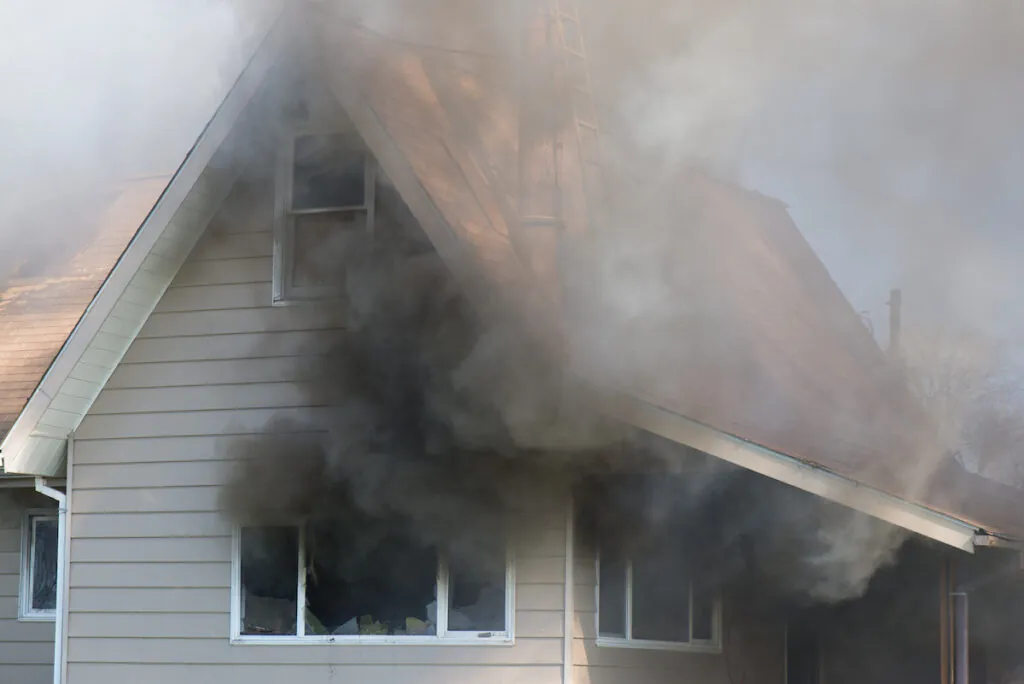
Even after a fire is extinguished, smoke, soot, and odor can continue to affect your home. Fire damage restoration services address visible damage while also helping reduce lingering effects that impact indoor air quality and surfaces.
Explore Our Fire and Smoke Damage Restoration Services
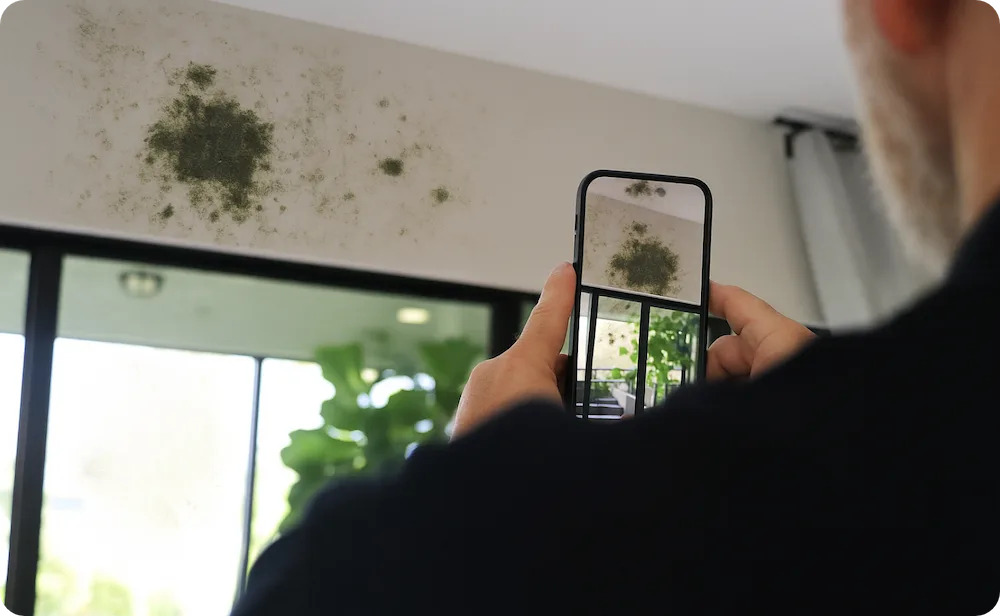
Mold often develops as a result of unresolved moisture or hidden water damage. Professional mold remediation helps identify affected areas, contain growth, and restore healthy indoor conditions.
Explore Our Mold Removal & Remediation Services
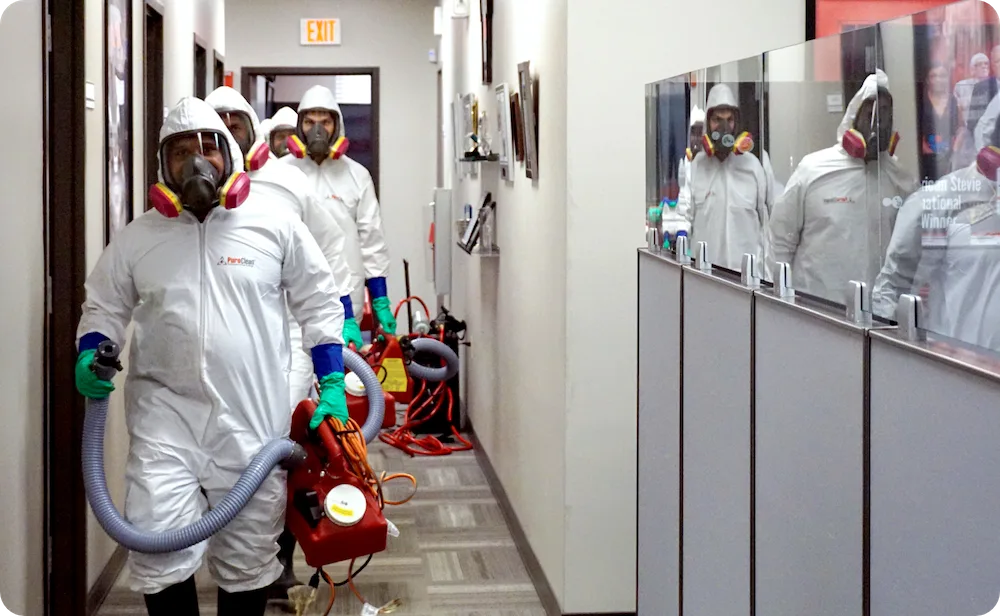
Biohazard situations, including crime scene cleanup and virus decontamination, require specialized cleaning and handling to protect health and safety. Biohazard cleanup services address contamination using proper protocols and professional care.
Explore Our Biohazard Cleanup Services
In some cases, property damage requires repairs beyond cleanup and mitigation. Reconstruction services help restore damaged areas of the home after water, fire, or other incidents, supporting a smoother transition from damage to recovery.
Explore Our Reconstruction Services Services
Water damage can quickly interrupt business operations, damage valuable equipment, and create unsafe conditions for employees, tenants, and customers. PuroClean of North Albany provides commercial water damage restoration throughout Saratoga County and New York’s Capital Region. Our team is available 24/7 to respond to water-related emergencies and help businesses begin recovering as quickly as possible.
Explore Our Commercial Water Damage Restoration Services
Commercial Fire and Smoke Damage Restoration in Saratoga County, NY A fire can interrupt business operations and leave behind widespread damage from flames, smoke, soot, odors, and firefighting water. PuroClean of North Albany provides commercial fire and smoke damage restoration throughout Saratoga County and New York’s Capital Region.
Explore Our Commercial Fire Damage Restoration Services
Mold inside a commercial property can affect building materials, indoor conditions, tenant confidence, and daily operations. PuroClean of North Albany provides commercial mold remediation throughout Saratoga County and New York’s Capital Region. Our trained professionals evaluate affected areas, establish containment when appropriate, remove materials that cannot be restored, and clean remaining surfaces using professional remediation procedures.
Explore Our Commercial Mold Remediation Services
Biohazard incidents require careful handling, specialized cleaning procedures, and discretion. PuroClean of North Albany provides commercial biohazard cleanup throughout Saratoga County and New York’s Capital Region. Our trained professionals respond to potentially contaminated environments and work to clean, sanitize, and deodorize affected areas based on the conditions found at the property.
Explore Our Commercial Biohazard Cleanup Services
Water damage can result from unexpected leaks, flooding from storms, plumbing failures, or appliance malfunctions. Our certified teams focus on rapid water removal, drying, and stabilization to help prevent further damage and mold growth.
Explore Our Water Damage Mitigation Services

PuroClean of North Albany
(518) 830-0070
30 Wood Road, #3, Round Lake, NY 12151


© 2026 PuroClean. All Rights Reserved.