 PuroClean Disaster Mitigation
Experiencing a fire in your home or business can be devastating, and dealing with the aftermath is often overwhelming. The emotional toll it takes is compounded by the practical challenges of restoring your space to its former condition. One of the most pressing issues you may face is smoke damage, which can linger long after the flames have been extinguished. Understanding the costs associated with repairing smoke damage can help you plan your next steps effectively.
In this article, we will explore the various factors that influence the cost of smoke damage repair, what the restoration process entails, and how you can make informed decisions to restore your property. With the right information, you can approach the situation with a clearer perspective and more confidence.
Factors Affecting Smoke Damage Repair Costs
Several factors influence the cost of repairing smoke damage. Here are the primary considerations:
1. Extent of the Damage
The severity of the smoke damage significantly impacts the repair costs. Minor smoke damage might involve simple cleaning and deodorizing, while severe cases may require extensive restoration work, including structural repairs and replacements. In cases of extensive damage, professionals might need to employ specialized equipment and techniques, which can increase costs.
It’s important to conduct a thorough assessment to determine the true extent of the damage. Hidden damage, such as that within walls or ventilation systems, can escalate the cost if not addressed promptly. Professionals can provide a detailed evaluation that covers all potential problem areas, ensuring no aspect of the damage is overlooked. This thorough approach helps prevent further issues down the line and optimizes the restoration process.
2. Size of the Affected Area
The size of the area impacted by smoke plays a crucial role in determining the cost. Larger areas naturally require more resources, labor, and time to restore, increasing the overall expense. This is because more extensive areas might require additional materials and more labor hours, leading to higher costs.
In some cases, the layout of the affected area can impact the restoration approach. For example, open-plan spaces might allow smoke to spread more easily, affecting a wider area, while more compartmentalized spaces might concentrate damage in specific rooms. Understanding the layout and size of the affected area can help in planning the restoration process more effectively, ensuring that resources are allocated efficiently.
3. Type of Fire
Different types of fires produce different types of smoke, which can vary in terms of damage severity. For example, a grease fire in the kitchen may leave a more challenging residue to clean than a fire caused by electrical issues. The composition of the smoke can determine the difficulty of the cleaning process and the types of cleaning agents required. For instance, wet smoke from smoldering fires can be sticky and smelly, requiring more intensive cleaning efforts.
Understanding the type of fire also helps in anticipating potential health risks and structural issues. Some fires might release toxic substances that require specialized handling to ensure safety.
4. Materials Affected
Various materials react differently to smoke exposure. Porous materials like fabrics and carpets absorb smoke more readily and can be harder to clean, while non-porous materials like metal and glass might just need a thorough wipe down. The type of materials affected can significantly impact both the time and cost of the restoration process. For instance, porous surfaces may require specialized treatments or even replacement if the smoke damage is too severe.
Average Costs of Smoke Damage Repair
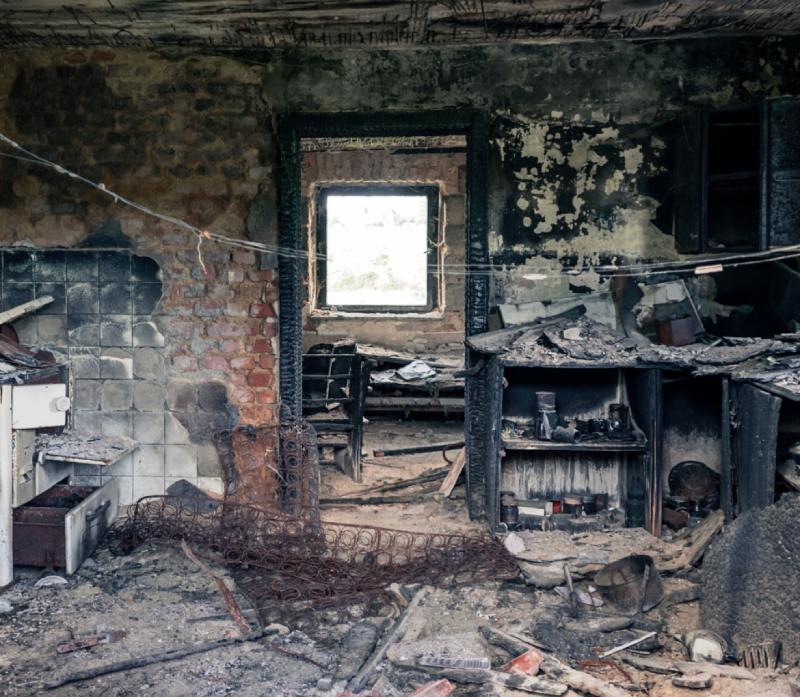
Smoke damage repair costs can vary widely based on the factors mentioned above. On average, homeowners can expect to pay between $2,000 and $6,000 for smoke damage restoration. However, for extensive damage, the costs can escalate to $10,000 or more. These averages provide a general guideline, but actual costs can differ based on location, the specific restoration company, and the complexity of the damage.
Breakdown of Costs
- Inspection and Assessment: The initial inspection and damage assessment can cost anywhere from $200 to $600. This step is crucial for understanding the full extent of the damage and planning the restoration process accurately. It involves a detailed evaluation of the affected areas and the identification of specific issues that need addressing.
- Cleaning and Deodorizing: Basic cleaning and deodorizing services range from $200 to $1,000, depending on the size and severity of the area. This process involves removing soot and residues, as well as treating the area to eliminate odors. In some cases, multiple rounds of cleaning may be necessary to achieve satisfactory results.
- Restoration and Repairs: Structural repairs and restoration work can add another $1,000 to $5,000 to the total cost. This phase might include repairing or replacing damaged drywall, flooring, or fixtures, and can vary significantly depending on the extent of the damage. Quality materials and skilled labor are essential to ensure the repairs are durable and effective.
- HVAC Cleaning: If smoke has infiltrated your HVAC system, cleaning costs may range from $200 to $500. This is a critical step, as smoke particles in the HVAC system can lead to ongoing air quality issues if not properly addressed. Cleaning the system helps ensure that the entire property has clean, breathable air moving forward.
The Smoke Damage Restoration Process
Understanding the restoration process can provide clarity on what to expect and how costs are distributed. Each step in the process is designed to address specific types of damage and ensure comprehensive restoration of the affected property.
1. Assessment and Inspection
A professional restoration team will first assess the extent of the damage. This step is crucial for determining the scope of work and estimating costs accurately. During the assessment, professionals will identify the types of smoke damage present and evaluate the affected areas, including hidden spaces like attics and behind walls.
The inspection phase also involves identifying potential health and safety hazards, such as structural weaknesses or toxic residues. This comprehensive evaluation helps in formulating a tailored restoration plan that addresses all aspects of the damage, ensuring that nothing is overlooked.
2. Ventilation
Proper ventilation is essential to clear out smoke and improve air quality. This step involves opening windows and using fans and air purifiers to remove lingering smoke particles. Effective ventilation helps in reducing odors and improving the living environment, making the space more comfortable and safe for occupants.
In some cases, advanced ventilation techniques might be necessary, such as using industrial-grade air scrubbers or ozone machines. These devices can expedite the removal of smoke particles and odors, ensuring a more thorough and efficient restoration process.
3. Cleaning and Sanitizing
Cleaning involves removing soot and smoke residues from walls, ceilings, and other surfaces. Special cleaning agents are used to sanitize and deodorize affected areas, ensuring that the property is safe and odor-free. This step can be labor-intensive, especially in areas with heavy soot accumulation or stubborn smoke odors.
Professionals may use a variety of techniques, including wet and dry cleaning methods, to address different types of surfaces and residues. The use of specialized equipment and cleaning solutions ensures that all traces of smoke are effectively removed, preventing future odor issues and health concerns.
4. Repairs and Restoration
Any structural damage will be addressed during this phase. Repairs may include replacing drywall, repainting walls, and repairing damaged fixtures. The goal is to restore the property to its pre-fire condition, ensuring that it is both functional and aesthetically pleasing.
Skilled labor is essential during this stage to ensure that repairs are completed to a high standard. The choice of materials and techniques can affect the durability and appearance of the restored areas, making it important to work with experienced professionals who understand the nuances of smoke damage repair.
Conclusion
Smoke damage can impact both your property and your health if not addressed quickly and correctly. While minor issues may be manageable, extensive damage requires professional intervention to fully restore your space and eliminate lingering hazards.
If your home or business has suffered smoke damage, contact PuroClean Disaster Mitigation. Our experienced team is ready to assess the damage, create a custom restoration plan, and get your property back to normal, safely and efficiently. Call our team at PuroClean Disaster Mitigation today for trusted smoke damage repair.


 PuroClean Disaster Mitigation