


Table of Contents
Finding the Source Before Water Damage Restoration
First, the homeowner reported that the floor and drywall of the bedroom and a closet were soaked. Water traveled through the bedroom underneath the carpet. A large wet spot could be seen growing in the middle of the closet, as well.-
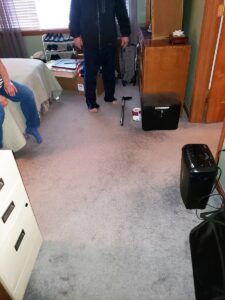
- The water traveled to the middle of the bedroom carpet.
-

- Moisture also affected the closet floor.
-
- Fans helped dry out the bathroom floor and walls.
-
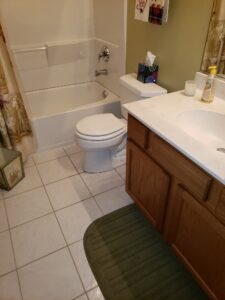
- We found the culprit! This toilet’s wax ring was damaged.
For water damage restoration in Oak Lawn, call PuroClean!
If the source of a leak is unclear, describe the symptoms and arrange an assessment. The appropriate repair and restoration scope depends on what is found. If you have a “small” water leak issue, don’t let it go on and destroy your home. Call PuroClean Disaster Mitigation for water damage cleanup in Oak Lawn and the whole Chicagoland area.Planning water damage restoration
This Oak Lawn case illustrates why the location of visible water is not always the location of the source. The account above describes the work reported for that property; another toilet leak may involve different materials and conditions. Before arranging water damage restoration, explain where moisture first appeared, which adjoining rooms are affected and whether a plumber has evaluated the fixture.
A wet bedroom or closet can be important information even when no ceiling stain is visible. Share observations gathered from a safe location rather than removing finishes or disturbing damp materials to search for a cause yourself. Tell the team about changes over time, odors or areas where access is restricted. Those observations help frame an assessment without proving the source on their own.
Ask who is responsible for repairing the plumbing and who will assess the affected building materials. Water damage restoration may involve different stages from correction of the original leak. Do not assume that resealing a fixture establishes the condition of every adjoining floor, wall or concealed space. Request a clear explanation of the proposed scope and any conditions that still need investigation.
Where water may have contacted a toilet, drain or contaminated materials, avoid treating the situation as an ordinary clean-water spill. Keep people away from unsafe areas and let qualified professionals determine suitable handling. The methods described in this case study should not be treated as a universal instruction to dry every toilet-related leak with the same equipment or sequence.
For the property owner, useful project records include photographs taken safely, the date the concern was discovered, communications about the source and the agreed work scope. Ask how the team will explain progress and any unexpected findings. Once work is completed, retain the repair information and recommended follow-up so a recurring issue can be discussed with the appropriate professional.
Keep a record of the affected rooms and items without putting yourself at risk to obtain photographs. If access is unsafe, wait for appropriate assistance. Note the source of any water, smoke or other damage if it is known, and explain whether that source is still active. The cause and the extent of damage may need separate investigations.
Ask for a written explanation of the proposed scope. It should distinguish initial mitigation, cleaning, drying or other treatment from subsequent repairs. Discuss what may be salvageable, what needs further evaluation and what conditions could change the estimate. Material replacement should follow the assessment rather than a blanket assumption that every affected item can be saved.
Water Damage Restoration Updates and Documentation
When discussing work begins, ask who will coordinate access and provide progress updates. Agree how questions about personal belongings, work hours, temporary restrictions and unexpected findings will be handled. If additional damage is discovered, request an explanation of the revised scope before further work is authorized.
If you intend to submit an insurance claim, ask your insurer about the policy terms, documentation and reporting requirements. Restoration records can support the description of a loss, but they do not determine coverage. Keep photographs, estimates, receipts and communications together so the adjuster can review the information relevant to the claim.
Completion should be explained in terms appropriate to the work performed. For a moisture-related loss, ask how materials were evaluated before repairs or finishes were installed. For cleaning or odor concerns, ask what was treated and what limitations remain. Follow the project-specific instructions for access, ventilation, routine care and any follow-up assessment.
Contact PuroClean Disaster Mitigation to discuss your property, its location and the current concern. Describe the situation before entering or disturbing damaged areas. The team can help explain the next step and the information needed for an assessment; response and work schedules depend on the circumstances.
For general moisture-control information, see the EPA guide to mold and moisture. Follow product instructions and seek an assessment appropriate to the materials and contamination involved.