 PuroClean Disaster Mitigation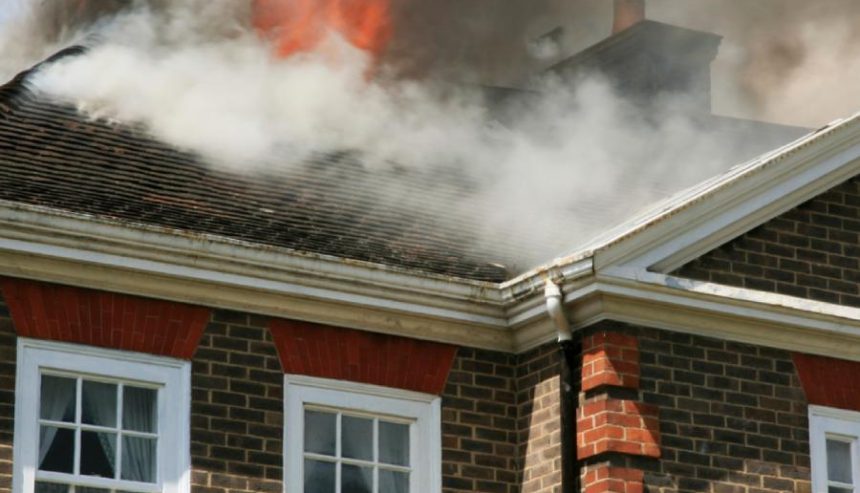
Your primary concern after a house fire should be the safety of you and your loved ones. Make sure everyone is out of the house and accounted for.
Aside from physical safety, emotional reassurance is vital during this time. Gather your family in a safe location and take a moment to console each other. Acknowledging the emotional impact of the event is the first step toward healing.
It’s important to communicate openly with family members, especially children, who may be particularly frightened by the experience.
Contact Your Insurance Company
Once everyone is safe, contact your insurance company as soon as possible. They will guide you through filing a claim and might even send an adjuster to assess the damage. Keep a record of all communications and make sure to ask any questions you may have about your coverage and the next steps in the process. This initial contact sets the stage for a smoother claims process and ensures you’re aware of what is covered.
Document the Damage
Take photos or videos of the damage for your records and insurance claims. Documenting everything will help you in the long run, ensuring your insurance claim process goes smoothly. Do not throw away any damaged items until the insurance adjuster has visited and assessed your losses. This documentation serves as evidence that can substantiate your claims and prevent disputes with your insurer.
What Not to Do
Don’t Enter the Property Too Soon
Even if the fire is out, the structure might not be stable. Wait for the fire department to give the all-clear before entering the property. There might be hidden dangers, such as structural instability or electrical hazards, that could cause further harm. These hazards can escalate quickly, turning a precarious situation into a dangerous one.
It’s important to trust the expertise of emergency responders. They have the experience and tools to assess safety properly. If you need to retrieve essential items, such as medications or identification, coordinate with them to do so safely. Patience and caution are crucial during this phase.
Avoid Using Utilities
Do not turn on utilities like gas, water, or electricity until they have been inspected by professionals. Turning on these utilities without inspection could lead to further damage or even another fire. The risk of additional fires or flooding is significant if utilities are not checked for damage.
Do Not Attempt DIY Repairs
While it might be tempting to start fixing things immediately, resist the urge to perform any repairs on your own. Fire damage restoration requires expertise and specialized equipment. You might inadvertently cause more harm than good. Professional restorers have the training to handle hazardous materials and understand how to properly restore a fire-damaged environment.
Steps to Recovery
Smoke Damage Restoration
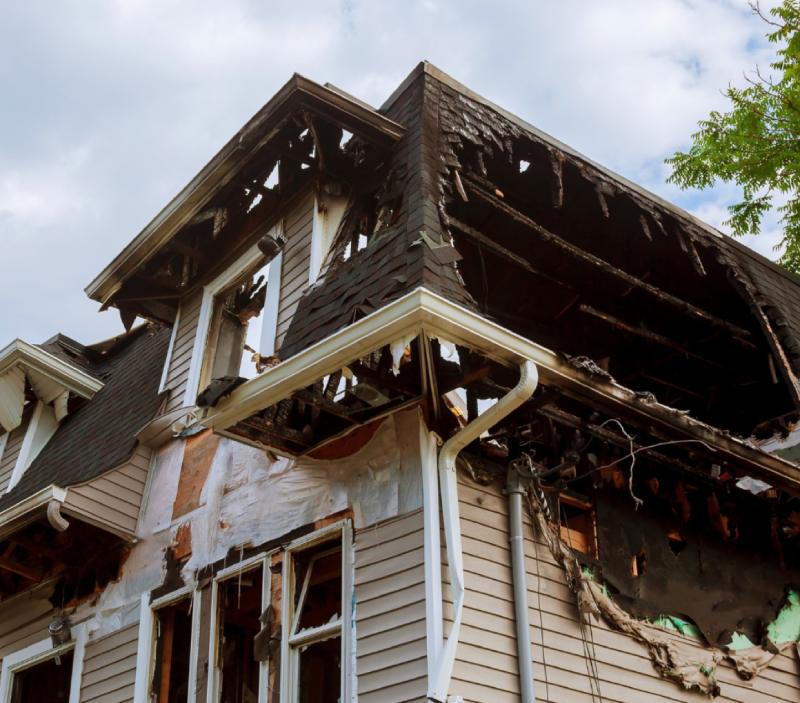
Smoke can cause extensive damage to your belongings and the structure of your home. It’s crucial to act quickly in mitigating smoke damage. Hiring professionals for smoke damage restoration ensures that all affected areas are cleaned thoroughly and properly. Smoke can infiltrate walls and textiles, leaving behind odors and residues that are difficult to remove without specialized techniques.
Fire Damage Clean Up
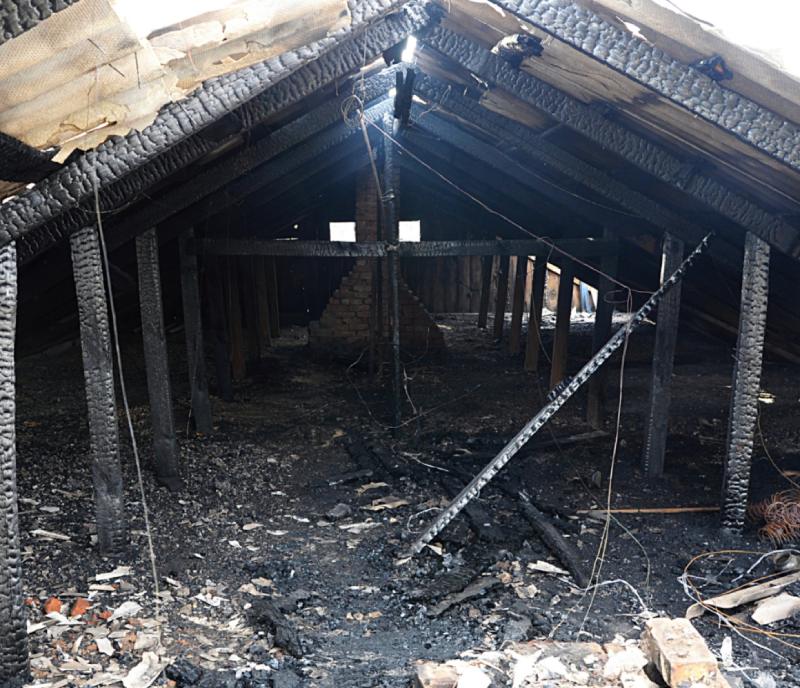
Fire damage cleanup involves more than just removing debris. It’s a process that might include water extraction, drying, and dehumidification, especially if the fire was extinguished with water. Each step is critical to prevent further damage, such as mold growth, which can occur if moisture is not properly managed.
Rebuilding After Fire
Once you’ve addressed immediate concerns like safety and insurance, you can focus on rebuilding after the fire. This process can be lengthy, but it’s essential to restore your home to its former state. Rebuilding offers an opportunity to make improvements and incorporate safety features that might better protect against future incidents.
Emotional Recovery
Experiencing a house fire is not just a physical ordeal but an emotional one as well. It’s important to address the emotional impact on you and your family. This aspect of recovery is often overlooked, yet it’s crucial for returning to a sense of normalcy and stability.
Seek Support
Reach out to friends, family, or professional counselors for support. Sharing your experience with others who understand can help you cope with the emotional aftermath of a house fire. Support groups specifically for fire survivors can also provide valuable resources and empathy.
Take Care of Yourself
In the midst of dealing with the practical aspects of recovery, don’t forget to take care of your mental and physical health. Ensure you’re getting enough rest, eating well, and taking time to relax. Stress management techniques such as meditation, yoga, or regular exercise can be beneficial.
Practical Tips for Moving Forward
Secure Temporary Housing
If your home is uninhabitable, your insurance policy might cover temporary housing. Discuss this with your insurance company and find a safe place to stay while your home is restored. Temporary housing can range from hotels to short-term rentals, depending on your insurance plan’s coverage.
Consider the location and amenities of temporary housing, as these factors can impact your daily life and recovery process. Proximity to work, schools, and other essential services should be considered when choosing a temporary residence. This period can be challenging, but having a comfortable and convenient living arrangement can ease the transition.
Organize Important Documents
If possible, retrieve important documents such as identification, insurance policies, and banking information. If these are damaged, begin replacing them as soon as you can. Having digital backups of these documents can be a lifesaver in such situations, ensuring you have access to crucial information when needed.
Stay Informed
Stay informed about the progress of your insurance claim and the restoration process. Regular communication with your insurance company and contractors will keep you updated and involved in recovery. This involvement not only ensures transparency but also allows you to advocate for your needs and preferences.
Conclusion
The first 24 hours after a house fire are crucial for setting the stage for your recovery. By following these guidelines on what to do and what not to do, you can ensure that the process of smoke damage restoration and fire damage cleanup goes as smoothly as possible. Remember, while the road to recovery may be challenging, taking it one step at a time with the right support and resources can help you rebuild not just your home, but your peace of mind as well. The journey may be long, but with resilience and determination, you can emerge stronger from this experience.
For expert fire and smoke damage restoration, contact our team at PuroClean Disaster Mitigation today!


 PuroClean Disaster Mitigation