

Home Disinfection Tips: Keeping Your Living Space Clean and Healthy
Cleaning and disinfecting your home regularly helps reduce the spread of germs, bacteria, and other contaminants that can cause illness. High-touch surfaces and shared spaces can harbor harmful microorganisms for extended periods of time, making consistent disinfection an essential part of maintaining a healthy home environment.
Below are practical and effective home disinfection tips to help you clean safely and thoroughly.
General Home Disinfection Tips
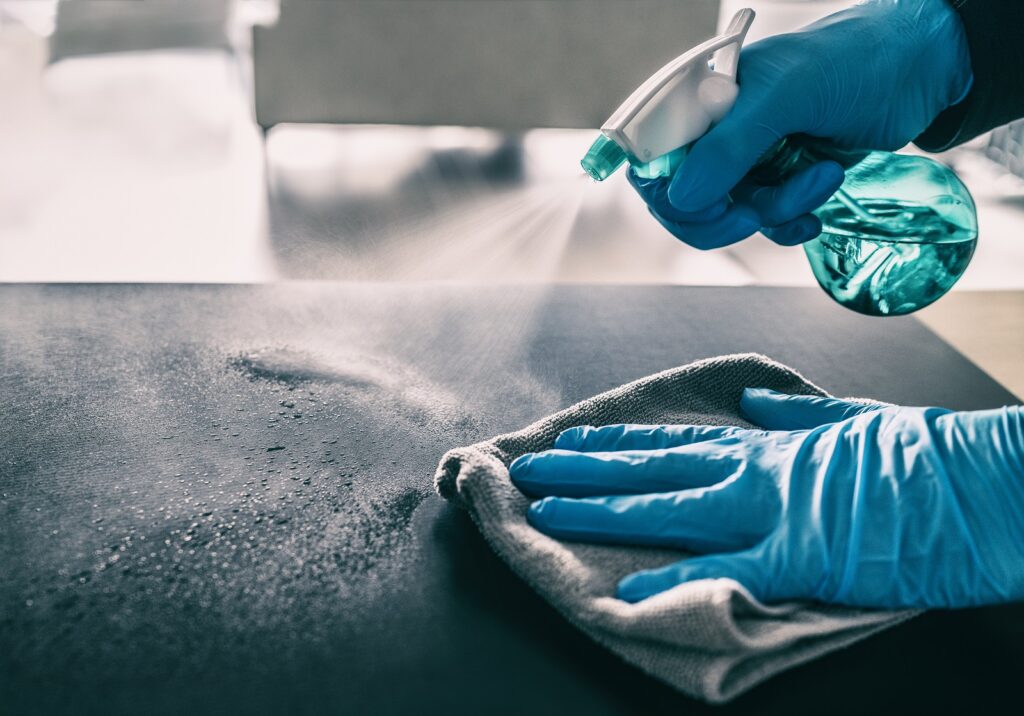
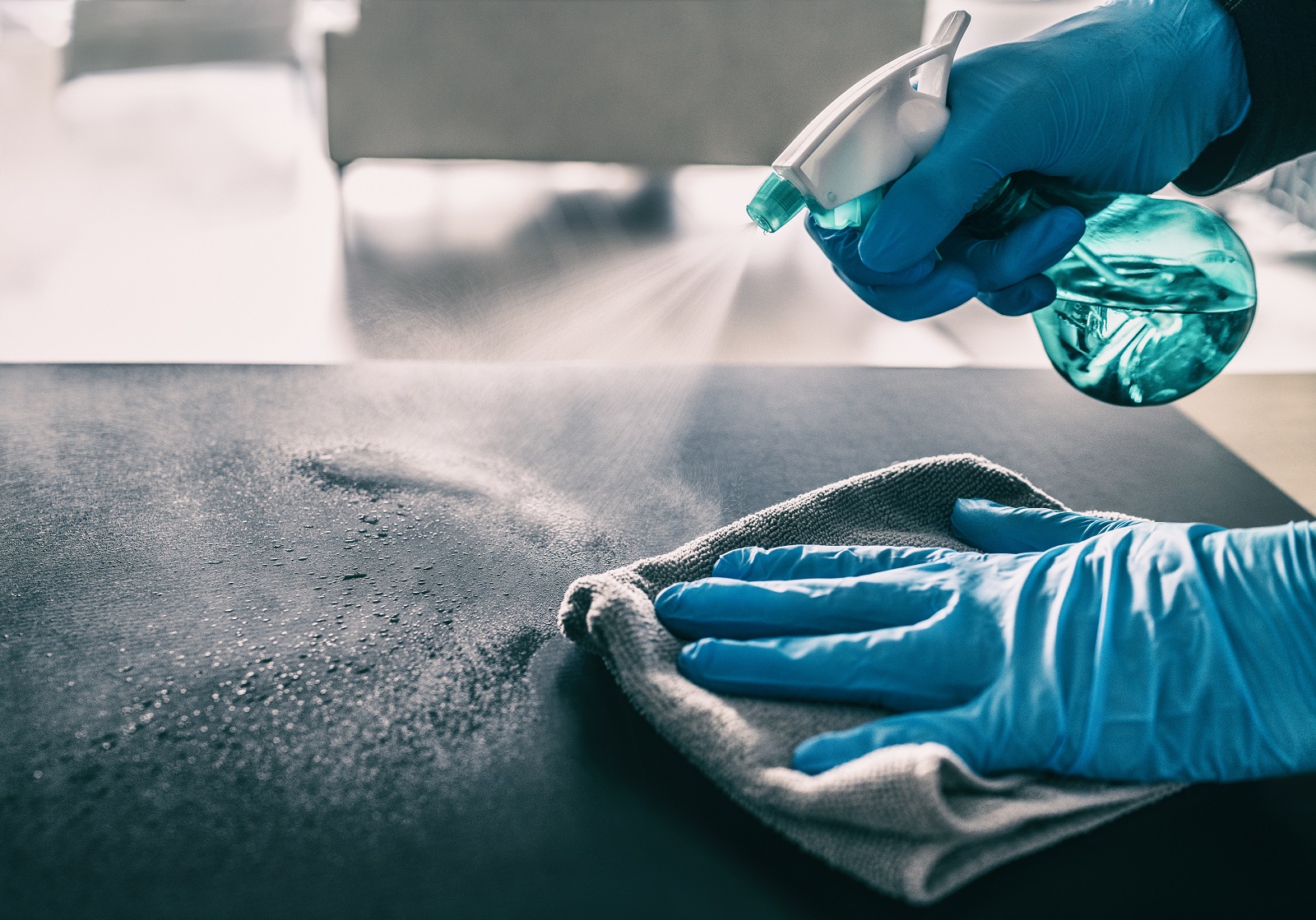
- Wear disposable gloves when cleaning and disinfecting to avoid direct contact with chemicals and contaminants.
- Clean visibly dirty surfaces first using soap and water. Cleaning removes dirt and debris, allowing disinfectants to work more effectively.
- After cleaning, use an EPA-registered household disinfectant or an alcohol-based solution containing at least 70% alcohol.
- Always follow the instructions on product labels to ensure proper use, contact time, and ventilation.
- Many disinfectants require surfaces to remain wet for a specific period to be effective—do not wipe them dry too quickly.
- Ensure proper ventilation during and after using cleaning products.
Pay special attention to frequently touched surfaces, including:
- Tables and countertops
- Doorknobs and handles
- Light switches
- Desks and chairs
- Phones and keyboards
- Toilets, faucets, and sinks
Regularly disinfecting these areas helps reduce the buildup of germs throughout the home.
Disinfecting Soft Surfaces
- Clean carpets, rugs, and drapes using soap and water or cleaners specifically designed for these materials.
- When possible, launder items according to the manufacturer’s instructions.
- Use the warmest appropriate water setting and dry items completely.
- If laundering is not an option, use an appropriate disinfectant approved for soft surfaces.
Disinfecting Electronics
- For electronics such as tablets, touch screens, keyboards, and remote controls, follow the manufacturer’s cleaning instructions.
- In most cases, alcohol-based wipes or sprays with at least 70% alcohol are safe to use.
- Allow surfaces to dry completely before use.
- Consider using wipeable protective covers on frequently used electronics to make cleaning easier.
Laundry Disinfection Tips
- Wash clothing, towels, linens, and other washable items according to manufacturer guidelines.
- Use the warmest appropriate water setting and dry items thoroughly.
- Avoid shaking dirty laundry to prevent spreading contaminants into the air.
- After handling laundry, wash your hands thoroughly.
Home Disinfection When Someone Is Ill
Bedrooms and Bathrooms
- If possible, the individual who is unwell should use a separate bedroom and bathroom.
- Clean and disinfect shared areas regularly, wearing gloves and maintaining proper ventilation.
- If a shared bathroom must be used, disinfect surfaces after each use whenever possible.
Food and Dishes
- Use separate dishes, utensils, and cups when feasible.
- Wash items with soap and hot water or in a dishwasher.
- Wear gloves when handling used dishes and wash hands afterward.
Trash Handling
- Use a lined trash can for waste from the person who is ill.
- Wear gloves when handling trash or garbage bags.
- Dispose of gloves properly and wash hands immediately after.
Professional Disinfection Support
While routine household cleaning is effective for daily maintenance, certain situations may require professional disinfection services—especially after illness, water damage, mold exposure, or other contamination events. Trained professionals use commercial-grade products and proven techniques to address areas that standard cleaning may miss.
Consistent home disinfection also supports better indoor air quality by reducing dust, allergens, and chemical residue buildup over time. The U.S. Environmental Protection Agency (EPA) notes that proper cleaning, ventilation, and product selection play a key role in maintaining a healthier indoor environment, especially since indoor air can sometimes be more polluted than outdoor air. Using approved products correctly and allowing adequate ventilation helps protect both surfaces and the people living in the home.
👉 Outbound authority source: https://www.epa.gov/indoor-air-quality-iaq
For expert residential or commercial cleaning and disinfection services, contact PuroClean. Their trained professionals can help restore a cleaner, healthier indoor environment by complementing regular household cleaning with professional-grade solutions.